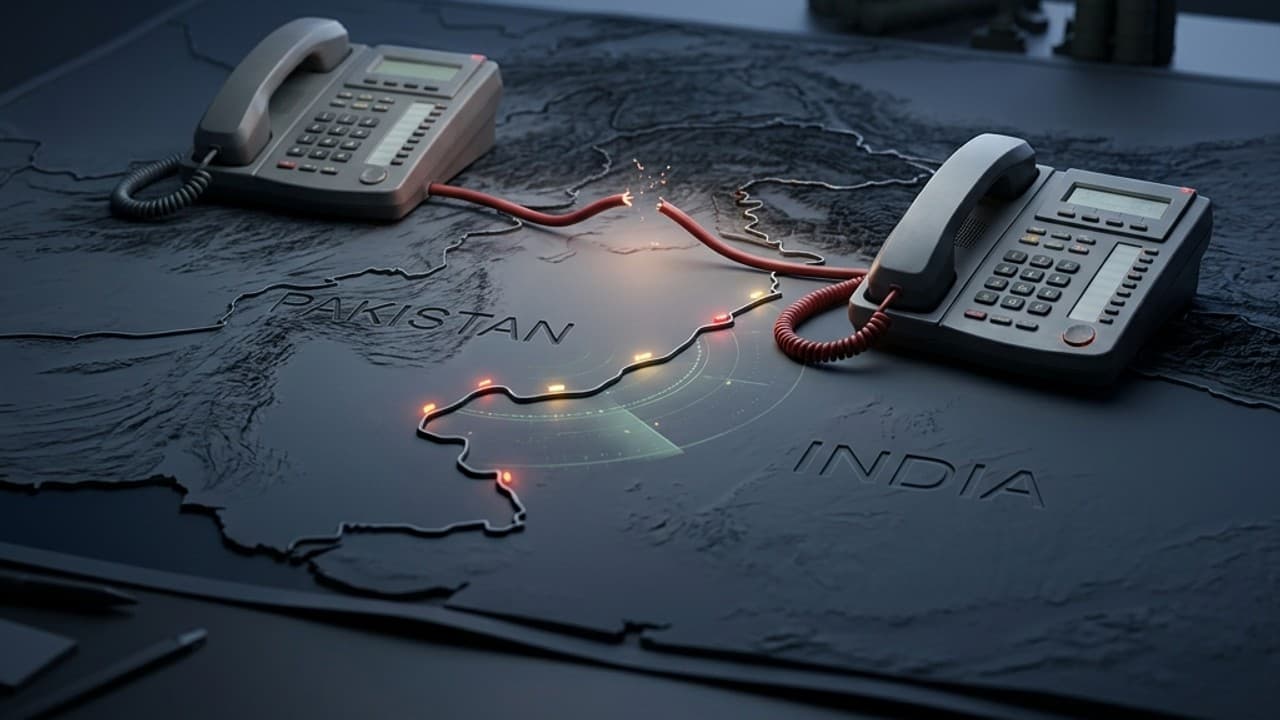
Analysts Warn Next India-Pakistan Conflict Could Prove More Dangerous
International security analysts have warned that any future military confrontation between India and Pakistan could prove significantly more dangerous than the conflict witnessed one year ago, citing an accelerating arms build-up, reduced diplomatic channels, and heightened nationalist sentiment on both sides.
The warning comes as Pakistan marks the first anniversary of India's night-time strikes last May, which triggered a swift Pakistani military response. Analysts point to a deterioration in backchannel communication, the suspension of bilateral trade mechanisms, and the absence of a credible third-party mediation framework as compounding risks.
Both countries possess nuclear arsenals, and security experts stress that the margin for miscalculation has narrowed considerably since last year's hostilities. The lack of a formal ceasefire architecture and contested narratives around last year's events are identified as particular flashpoints.
The analysis underscores the urgency of reviving diplomatic engagement and institutional confidence-building measures between the two nuclear-armed neighbours, with regional stability hanging in a precarious balance one year after the most serious bilateral military confrontation in decades.
Similar Stories
Background and related coverage on this story.
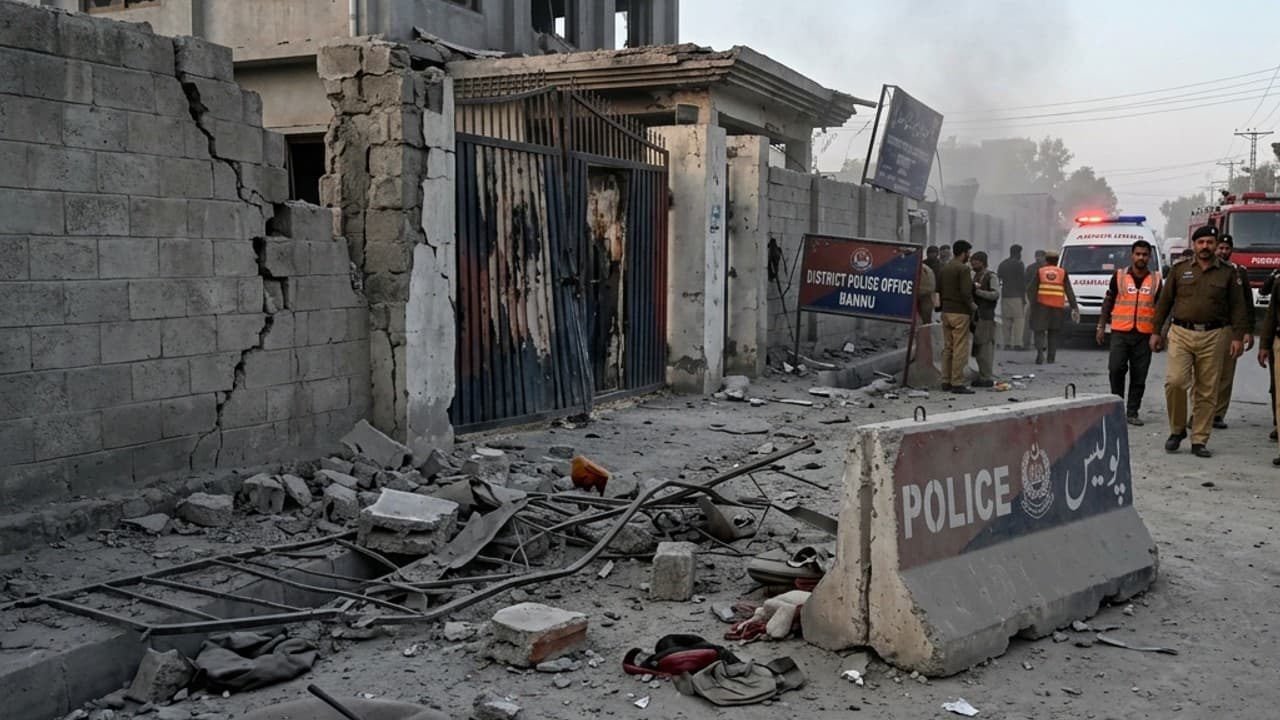
Bannu Terror Attack Kills 15 Police Officers, PM Vows Resolute Response
A deadly terrorist attack in Bannu district of Khyber Pakhtunkhwa claimed the lives of 15 police officers, with three others sustaining injuries, in one of the most lethal single-incident strikes against law enforcement personnel in the province in recent months. The attack underscores the deteriorating security situation in parts of KPK where militant groups have intensified operations against state security forces.
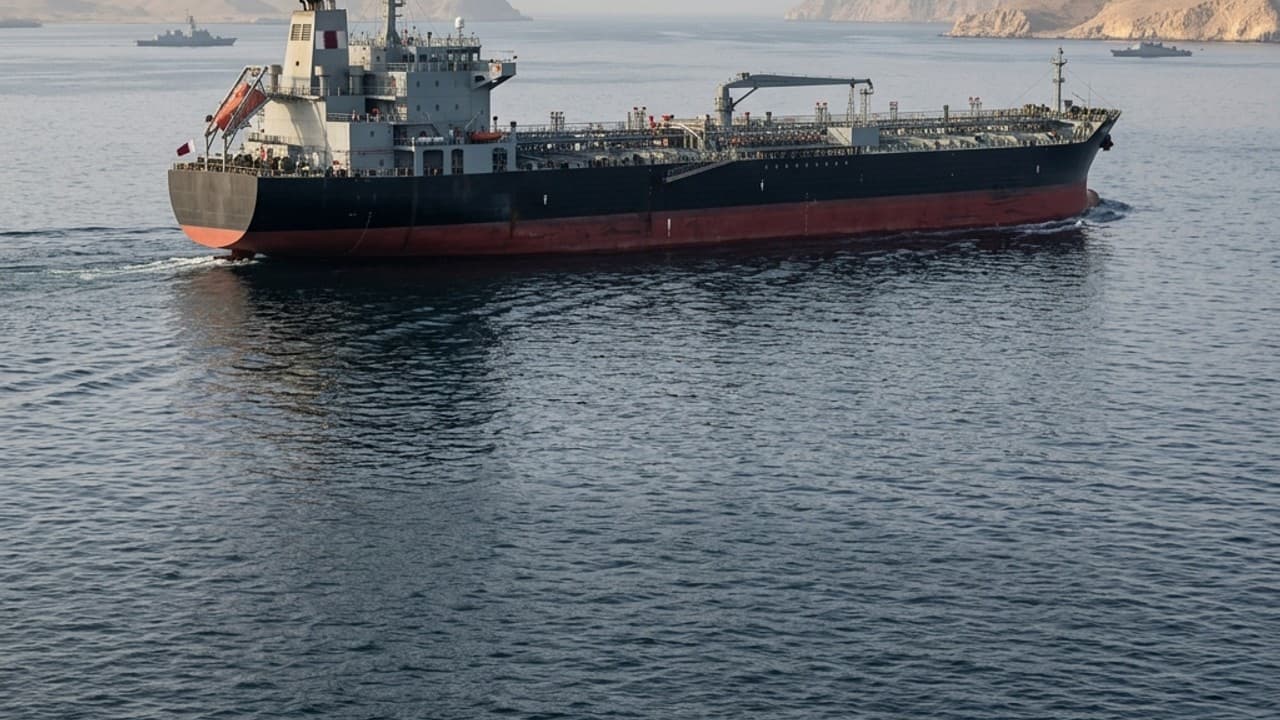
US-Iran War Persists as Qatari Tanker Approaches Strait of Hormuz
Following earlier reports on the US-Iran conflict, a Qatari oil tanker has been tracked sailing toward the Strait of Hormuz as negotiations between Washington and Tehran remain deadlocked, with no indication of an imminent ceasefire or diplomatic resolution. The tanker's movement signals continued commercial shipping activity through the strategically vital waterway despite the ongoing conflict, though the risk environment remains acute.
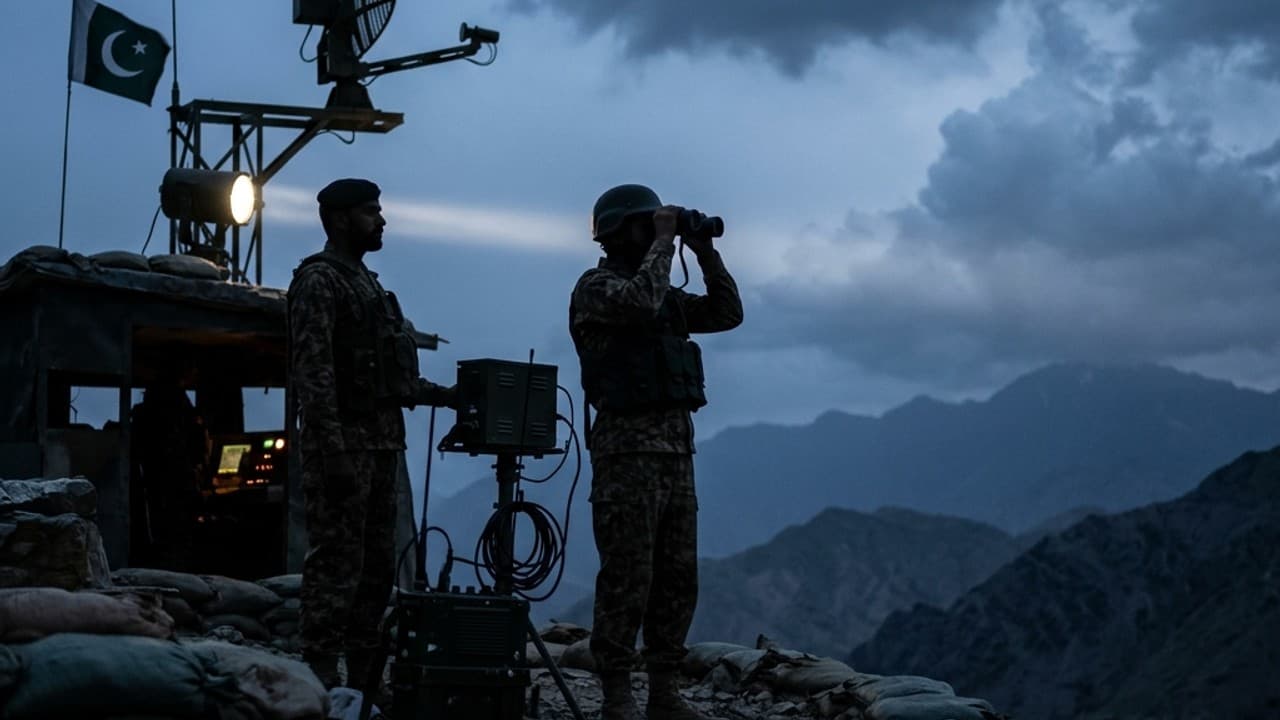
CDF Asim Munir Warns Pakistan Will Respond Overwhelmingly to Future Aggression
Chief of Defence Forces (CDF) General Syed Asim Munir has issued a stark warning to Pakistan's adversaries, stating that any future misadventure against the country will invite a response that is 'extremely widespread and painful.' The statement, delivered amid heightened regional tensions, signals Islamabad's posture of resolute deterrence following recent security developments. The CDF's remarks represent one of the most direct and forceful warnings issued by Pakistan's senior military leadership in recent memory, underscoring the armed forces' readiness to escalate proportionally and beyond in the event of renewed hostilities.
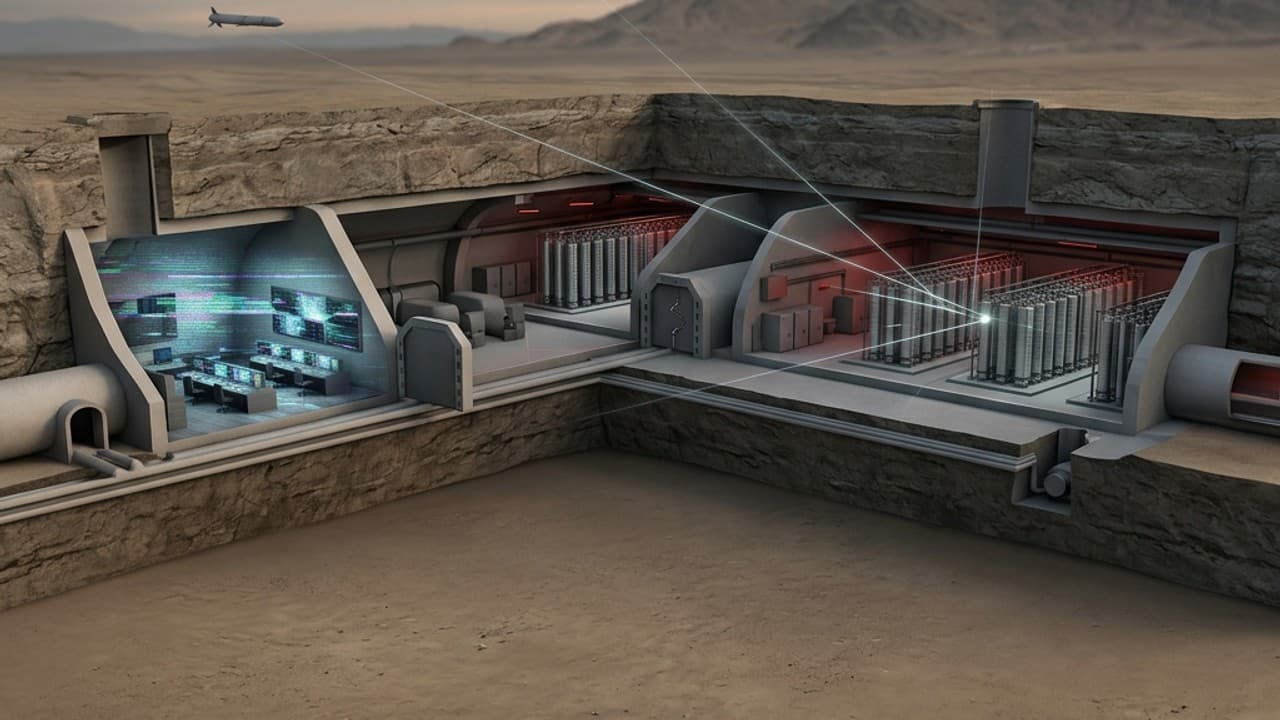
US Military Has Contingency Plans to Strike Iran If Nuclear Talks Fail
Detailed reporting has shed light on US military contingency planning directed at Iran's nuclear infrastructure, outlining strike options that remain active should diplomatic negotiations over Tehran's nuclear programme collapse. The disclosure underscores the degree to which the Biden and now Trump-era administrations have maintained credible military options alongside the diplomatic track.
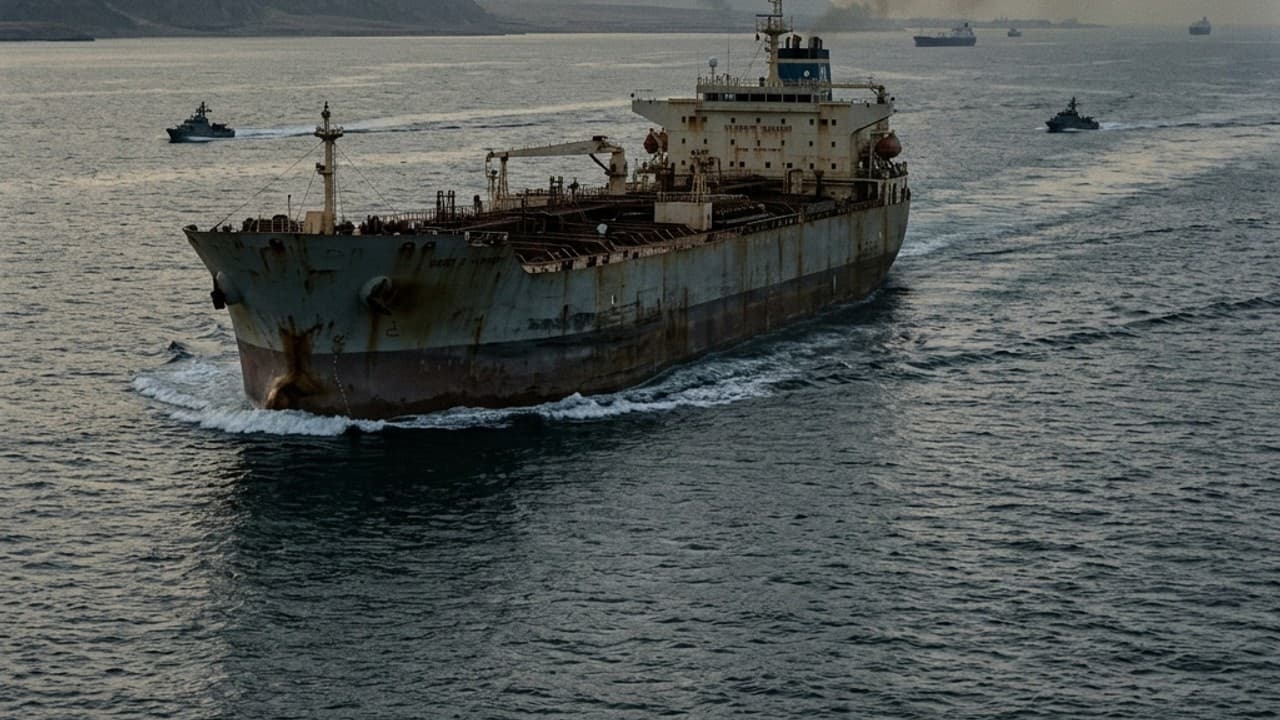
US-Iran Nuclear Talks Stall as Gulf Military Clashes Intensify
The United States and Iran remain far from any diplomatic resolution to their ongoing military conflict as fresh clashes flared across the Gulf on Saturday, deepening concerns over regional stability and the security of critical global energy supply routes. Negotiations between Washington and Tehran have failed to produce a framework for ending hostilities, with both sides maintaining maximalist positions that have so far made a ceasefire agreement structurally elusive.
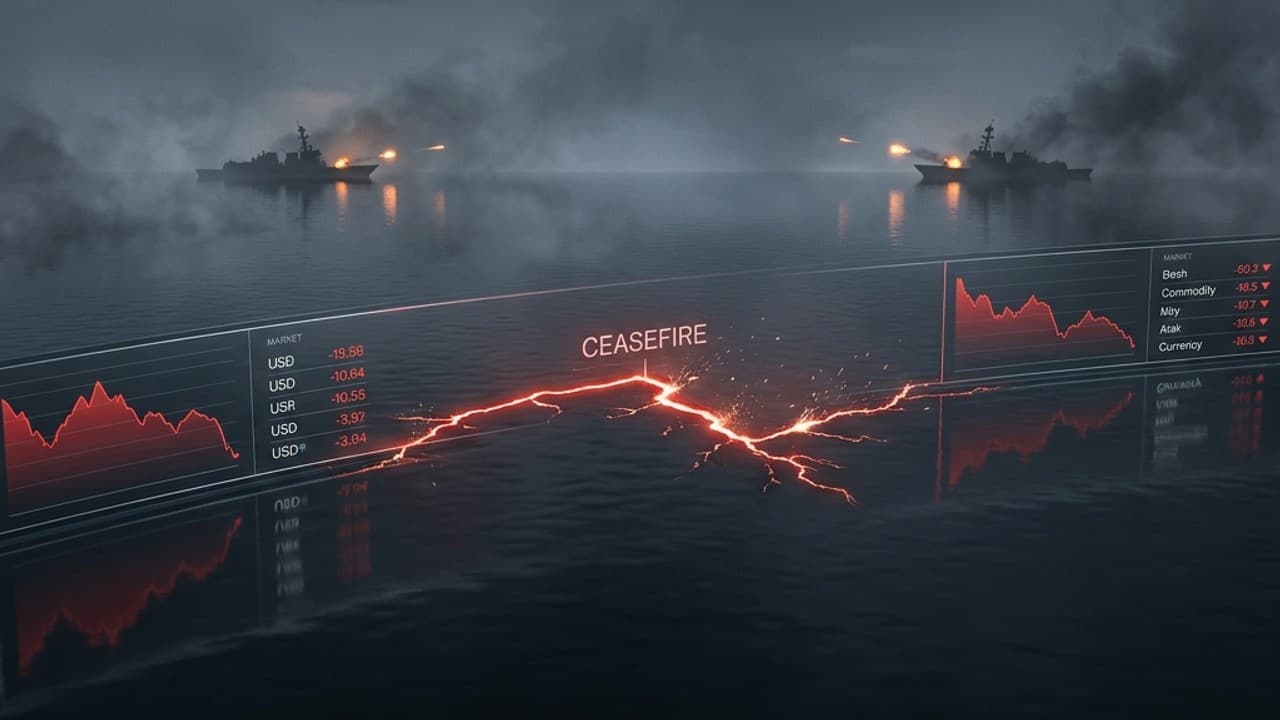
US-Iran Fighting Flares, Trump Insists Ceasefire Still Holds
Fresh fighting between United States and Iranian forces has broken out, casting serious doubt over the fragile ceasefire that had been brokered in the Gulf conflict. Despite the renewed hostilities, US President Donald Trump maintained that the ceasefire agreement remains formally in force, offering few details on the nature or scale of the latest exchange.