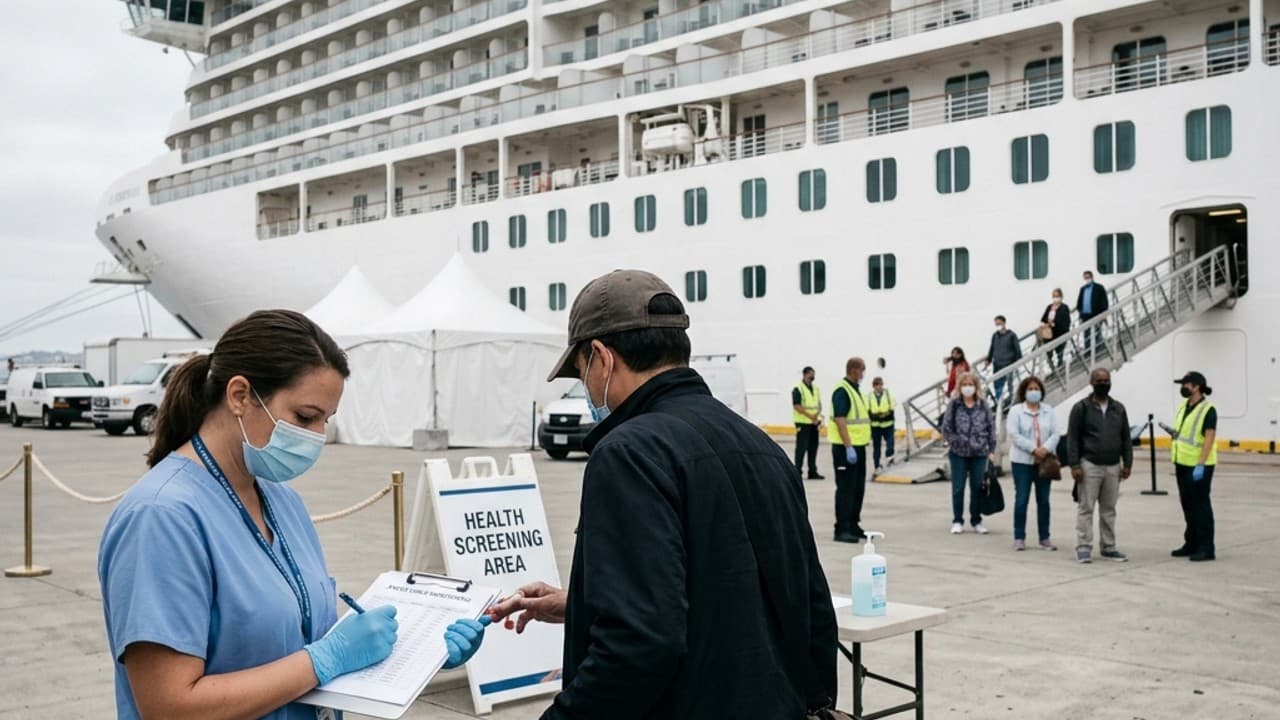
Andes Virus Cruise Ship Deaths Raise Human Transmission Alarm
Deaths linked to the Andes virus aboard a cruise ship have raised serious concern among public health authorities about the possibility of human-to-human transmission of the pathogen, a development that would represent a significant escalation in the virus's threat profile.
The Andes virus, a hantavirus strain primarily documented in South America, has historically been associated with rodent contact rather than direct person-to-person spread. Confirmed or suspected human-to-human transmission aboard a confined vessel would mark a potentially alarming departure from the established epidemiological understanding of the disease.
Health officials in Nebraska, where passengers from the affected ship have been held, indicated that some individuals may be permitted to leave under certain conditions, suggesting a degree of containment management is underway even as full clarity on transmission dynamics remains elusive.
The international health community is closely monitoring the situation, with the cruise ship setting amplifying concerns about the virus's potential to spread rapidly in enclosed environments. Authorities have not yet confirmed definitive person-to-person transmission but have not ruled it out.
Similar Stories
Background and related coverage on this story.
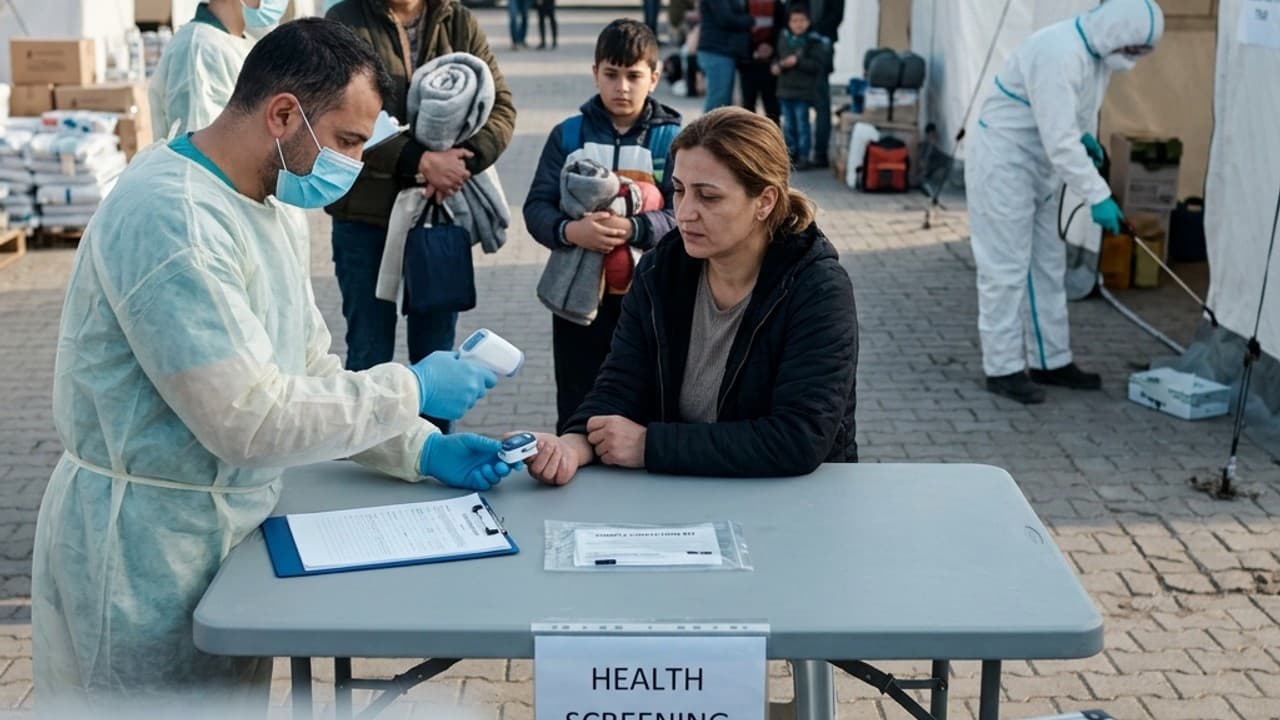
WHO Chief Warns Hantavirus Threat Persists Despite Evacuation
The head of the World Health Organization has warned that efforts to contain the hantavirus outbreak are far from complete, even as evacuation operations for affected populations are underway. The WHO chief's statement signals that the international health response remains in an active and critical phase, with surveillance and containment work continuing in affected regions.
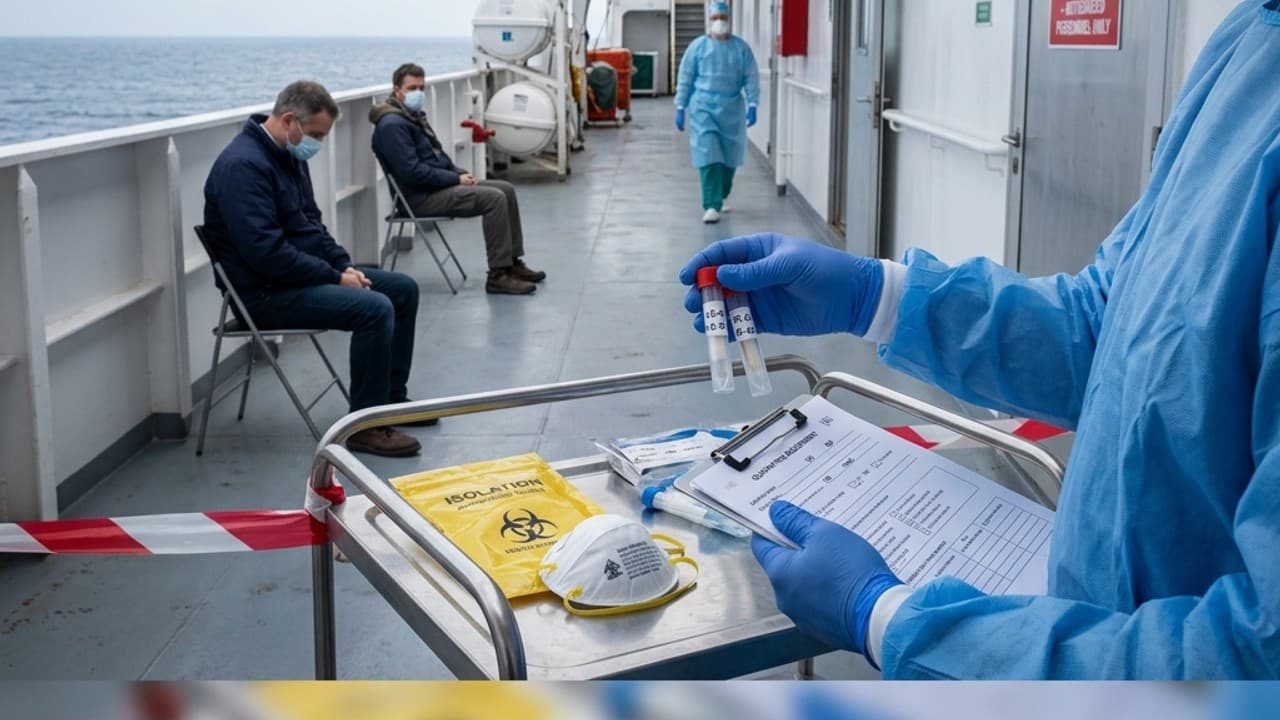
US and French Nationals from Hantavirus Ship Test Positive
American and French nationals aboard a vessel that has been linked to a hantavirus outbreak have tested positive for the disease, raising alarm among international health authorities monitoring what has become an increasingly complex containment situation at sea. Hantavirus, a potentially fatal rodent-borne illness, does not typically spread through person-to-person contact, but confirmed cases among passengers of a single vessel signal a concentrated exposure event that health officials are now treating with heightened urgency.
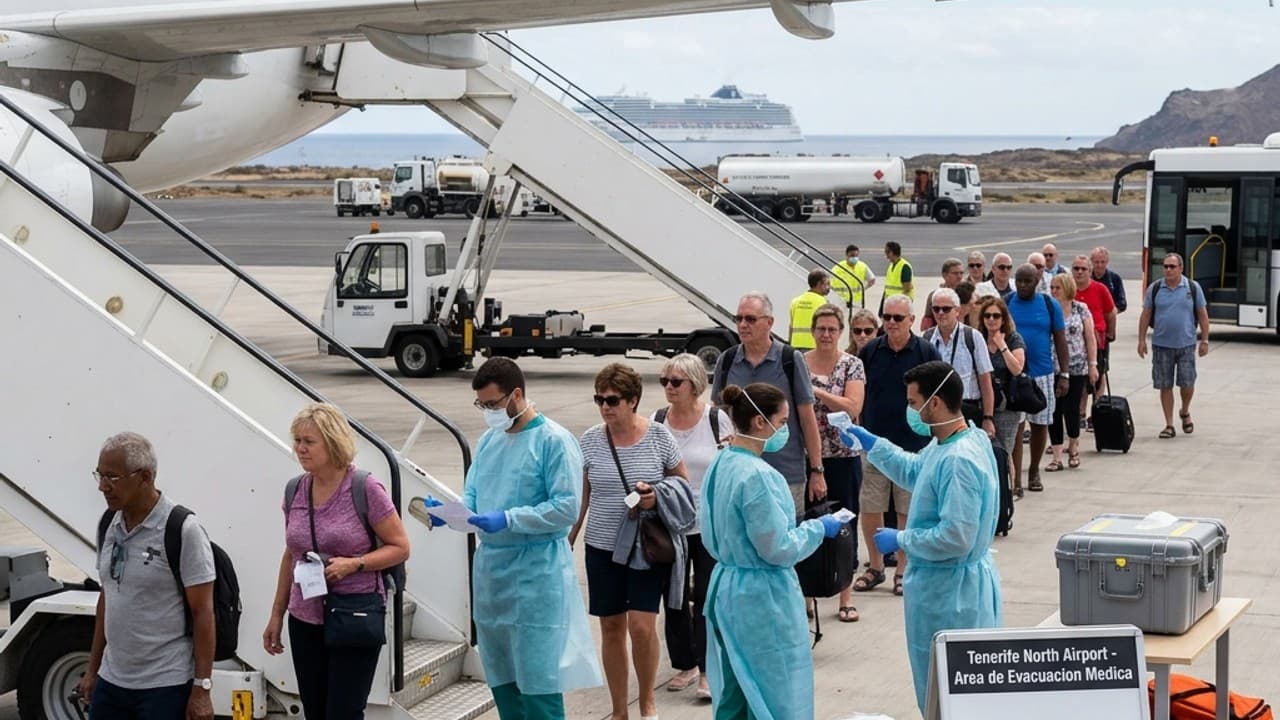
Evacuation Flights Depart Tenerife After Cruise Ship Hantavirus Outbreak
Evacuation flights have departed Tenerife following a hantavirus outbreak aboard a cruise ship docked at the Spanish Canary Island, triggering an emergency response from local health authorities and international aviation operators. The outbreak has prompted authorities to initiate a controlled evacuation of passengers and crew, with flights dispatched to repatriate nationals to their home countries under medical supervision.
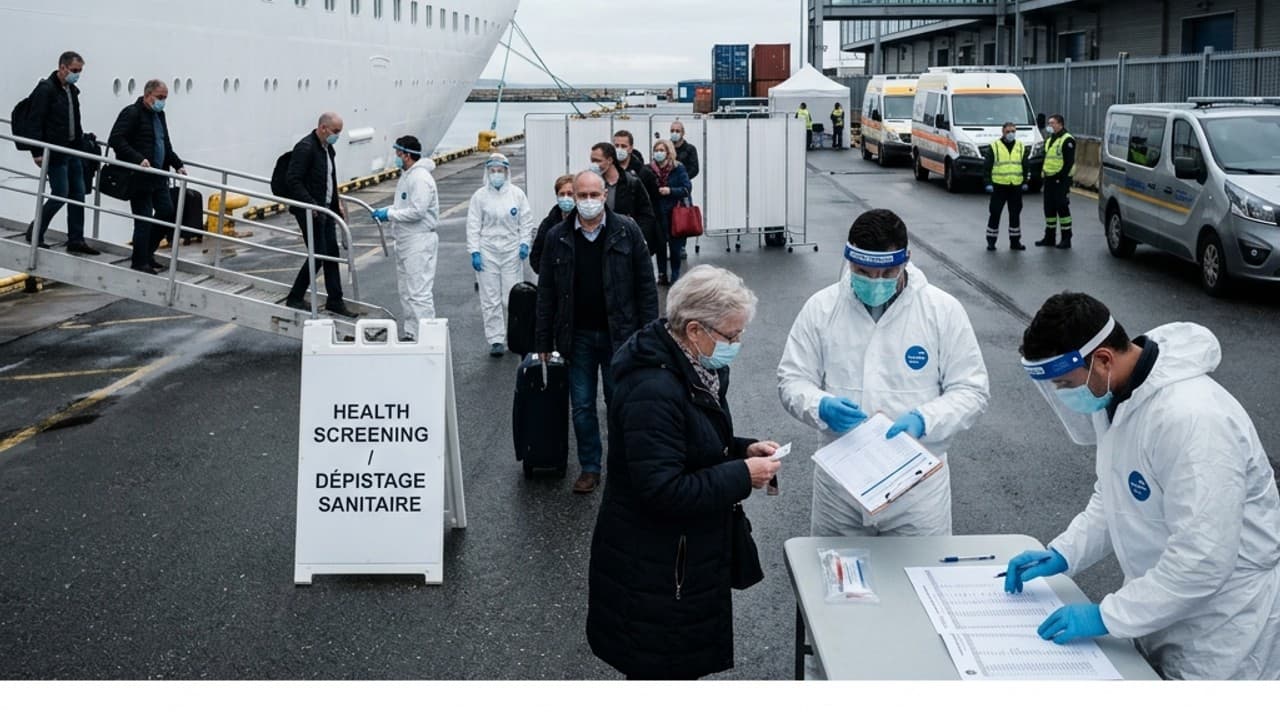
EU Health Agency Flags All Ship Passengers as Hantavirus High-Risk
The European Union's health agency has classified all passengers aboard a hantavirus-affected ship as high-risk contacts, marking a significant escalation in the public health response to the outbreak. The designation triggers enhanced surveillance, contact tracing protocols, and potential quarantine measures for all individuals who were aboard the vessel during the exposure window.
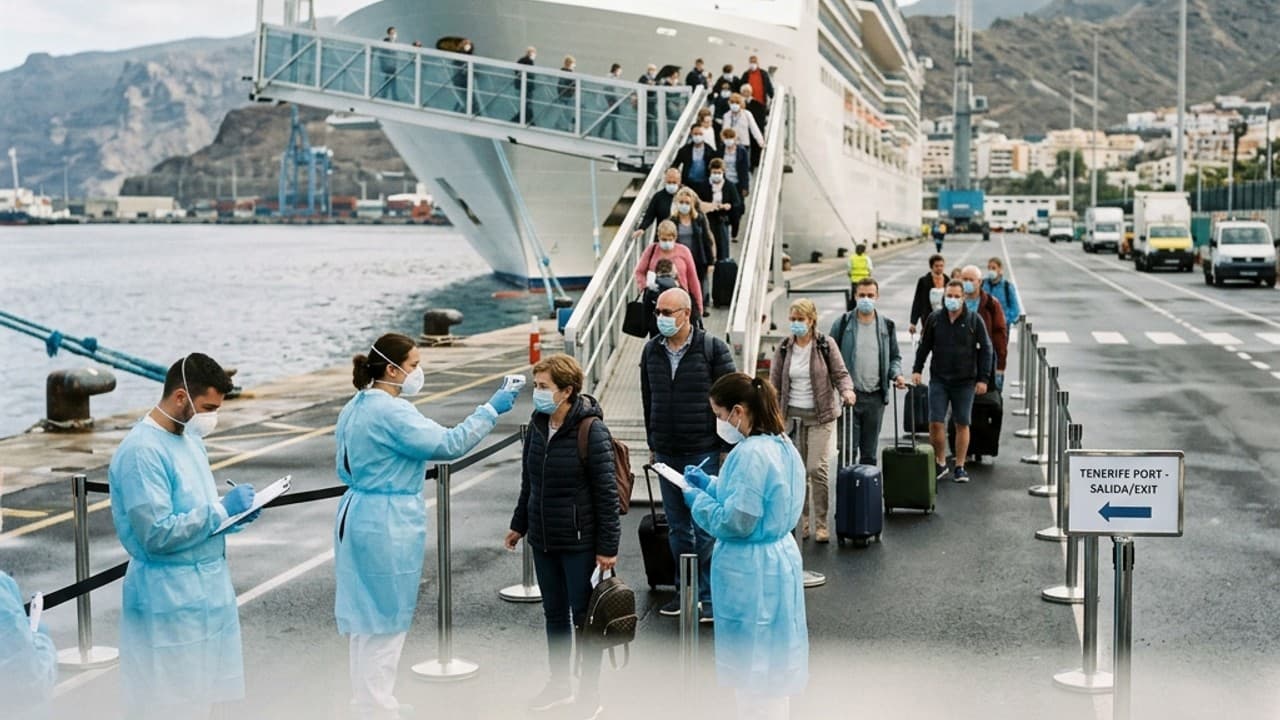
Hantavirus Cruise Ship Reaches Tenerife as Evacuation Begins
A cruise ship linked to a deadly Hantavirus outbreak has arrived off the coast of Tenerife in Spain's Canary Islands, with passenger evacuation operations now underway. Health authorities have been placed on high alert as the vessel carries individuals potentially exposed to the rare and often fatal rodent-borne virus.
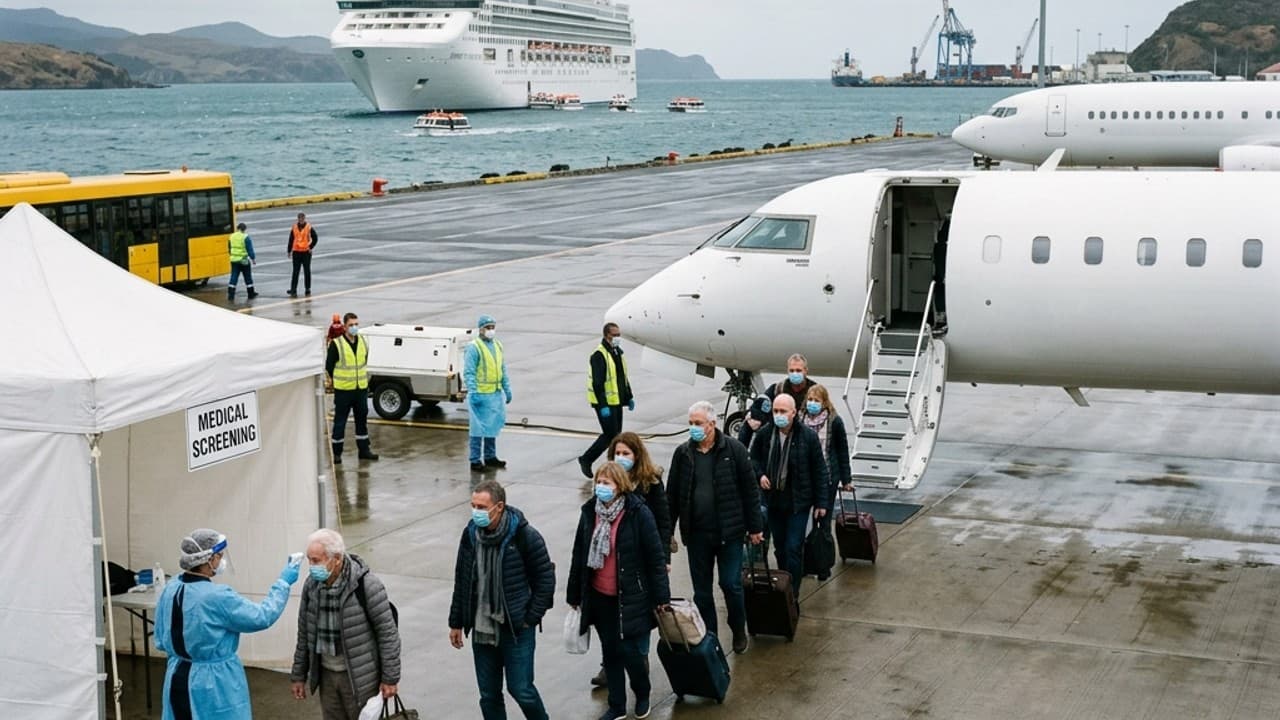
European States Dispatch Aircraft to Evacuate Citizens from Hantavirus Cruise Ship
Several European governments have mobilised evacuation aircraft to extract their nationals from a cruise ship struck by a hantavirus outbreak, in a rapidly escalating public health emergency at sea. The decision was taken after the number of confirmed and suspected cases aboard the vessel reached a level that prompted coordinated diplomatic and medical intervention.