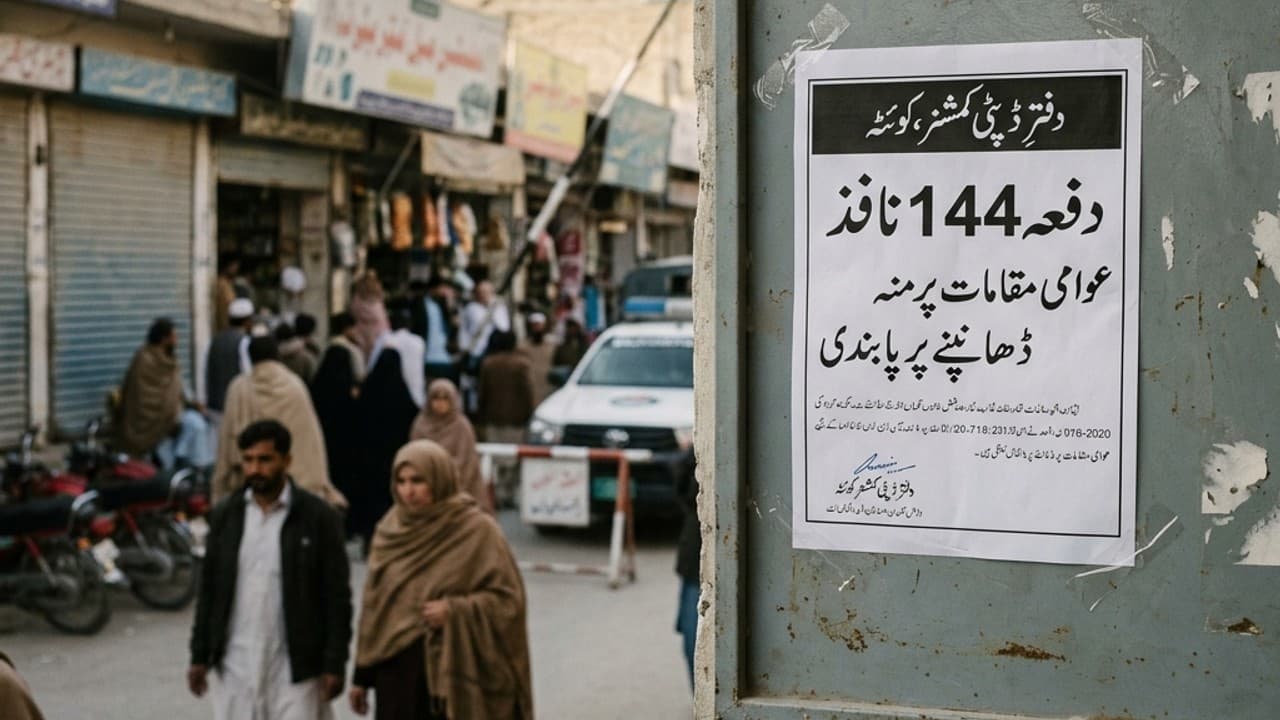
Balochistan Bans Public Face Coverings Under Section 144 Order
Balochistan authorities have imposed Section 144 across the province, banning the concealment of faces in public spaces in a sweeping security measure with immediate effect. The order, issued by the provincial administration, prohibits individuals from covering their faces while in public, a restriction clearly aimed at countering identity evasion by militants and criminal actors operating in the region.
Section 144 of the Code of Criminal Procedure grants executive magistrates the authority to prohibit specific acts when there is a risk to public peace or safety. The extension of this provision to face coverings represents one of the most expansive applications of the law in recent years in the province, reflecting the gravity of the security situation on the ground.
Balochistan has been experiencing a persistent wave of militant activity, with security forces and civilians increasingly targeted by groups exploiting gaps in identity verification. The face-covering ban is understood to be a direct response to incidents in which attackers concealed their identities in public settings before carrying out strikes.
Civil liberties groups are likely to scrutinise the order, particularly regarding its implications for women who observe purdah and communities with cultural norms around face covering. Authorities have not publicly clarified whether exemptions will apply, raising questions about the scope and enforcement framework of the restriction.
Similar Stories
Background and related coverage on this story.

Five Dead in Shooting at San Diego Mosque Including Two Teen Suspects
A deadly shooting at San Diego's largest mosque left five people dead on Monday, including two teenage suspects, in an attack that has sent shockwaves through the American Muslim community and reignited debates over hate crime and gun violence in the United States. Authorities confirmed that the attackers, both minors, opened fire at the mosque during what sources described as a period of congregational activity.
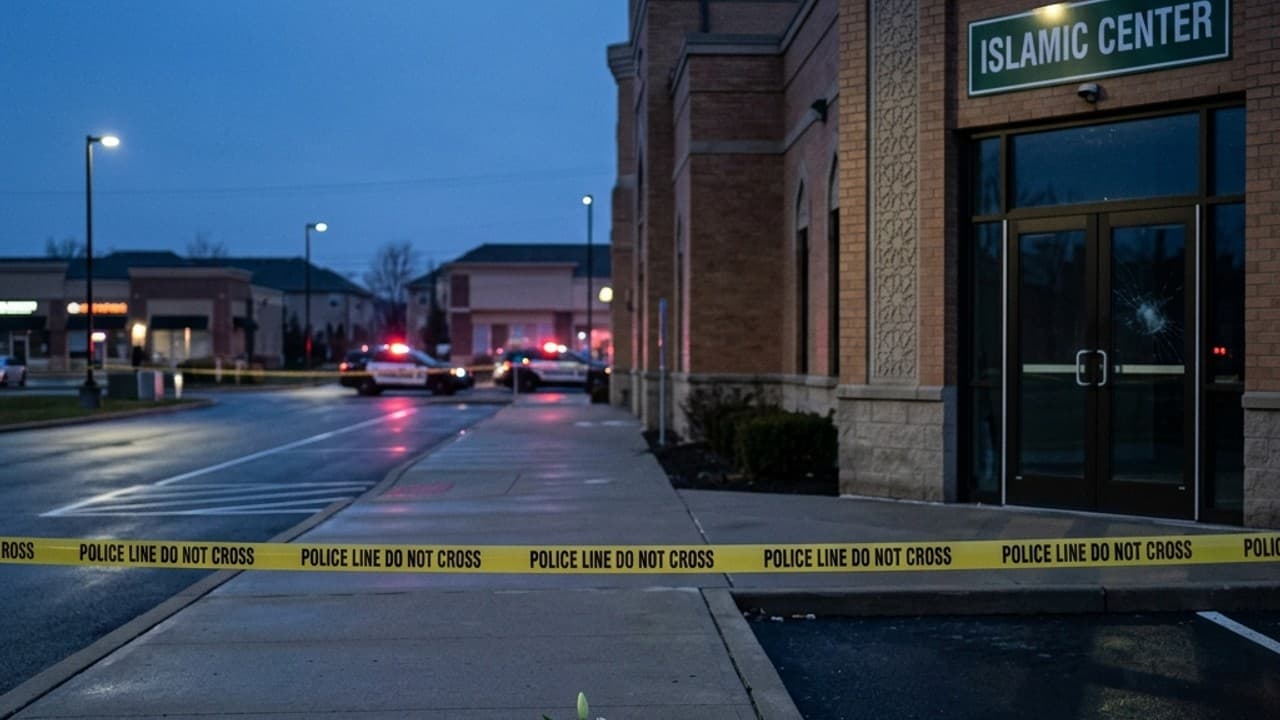
Five Dead in US Islamic Centre Shooting; Muslim Groups Condemn Attack
A shooting at an Islamic centre in the United States has left five people dead, including two gunmen and three victims, in an attack that has drawn swift condemnation from Muslim organisations across the country. The incident marks one of the most serious acts of violence targeting a Muslim place of worship in the United States in recent years.
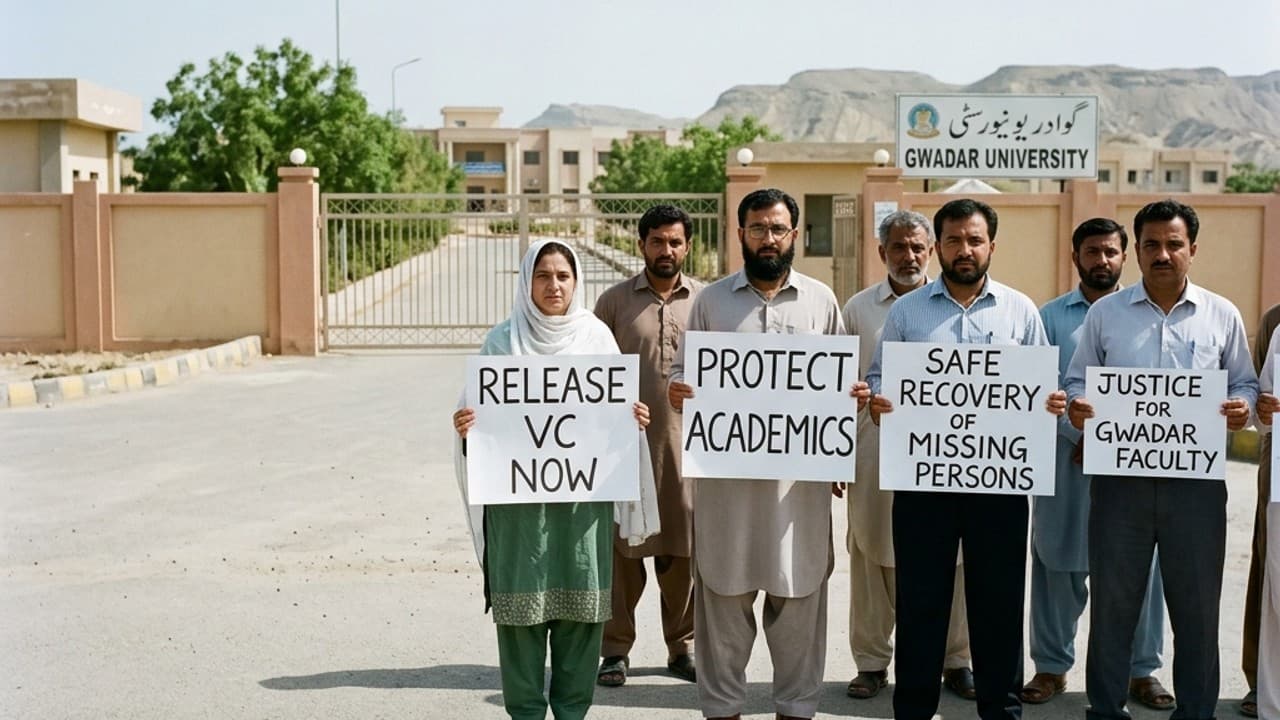
Teachers Protest Abduction of Gwadar University Vice Chancellor and Others
Teachers at Gwadar University staged a protest on Tuesday following the abduction of the institution's Vice Chancellor along with other individuals, in an incident that has sent shockwaves through the academic community in Balochistan. The abduction underscores the persistent security crisis afflicting the coastal district.

Active Shooter Opens Fire at San Diego Islamic Centre
An active shooter opened fire at an Islamic centre in San Diego, California, prompting an immediate SWAT response and deployment of emergency medical crews to the scene. Law enforcement authorities confirmed the incident and moved swiftly to contain the situation, with the surrounding area placed under lockdown as first responders established a perimeter.

Jury Rules Against Elon Musk in High-Stakes OpenAI Trial
A jury has ruled against Elon Musk in a landmark legal battle against OpenAI, delivering a verdict in one of the most closely watched technology trials in recent years. The case centred on Musk's claims against the artificial intelligence company he co-founded before departing its board, and the ruling represents a significant legal defeat for the world's wealthiest individual.
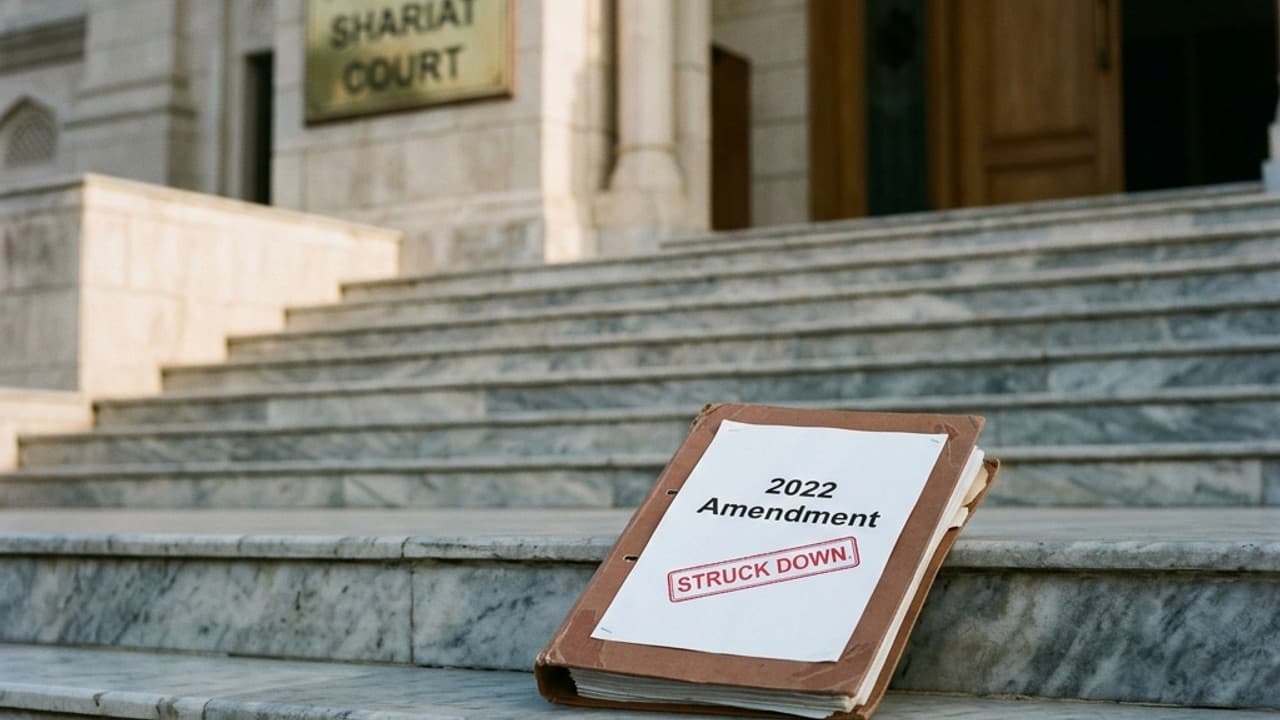
Federal Shariat Court Strikes Down Law Decriminalising Suicide Attempts
The Federal Shariat Court has struck down 2022 legislation that had decriminalised suicide attempts in Pakistan, reinstating criminal liability for individuals who attempt to end their own lives. The ruling marks a significant reversal of a reform that mental health advocates had welcomed as a step toward compassionate treatment of vulnerable persons.