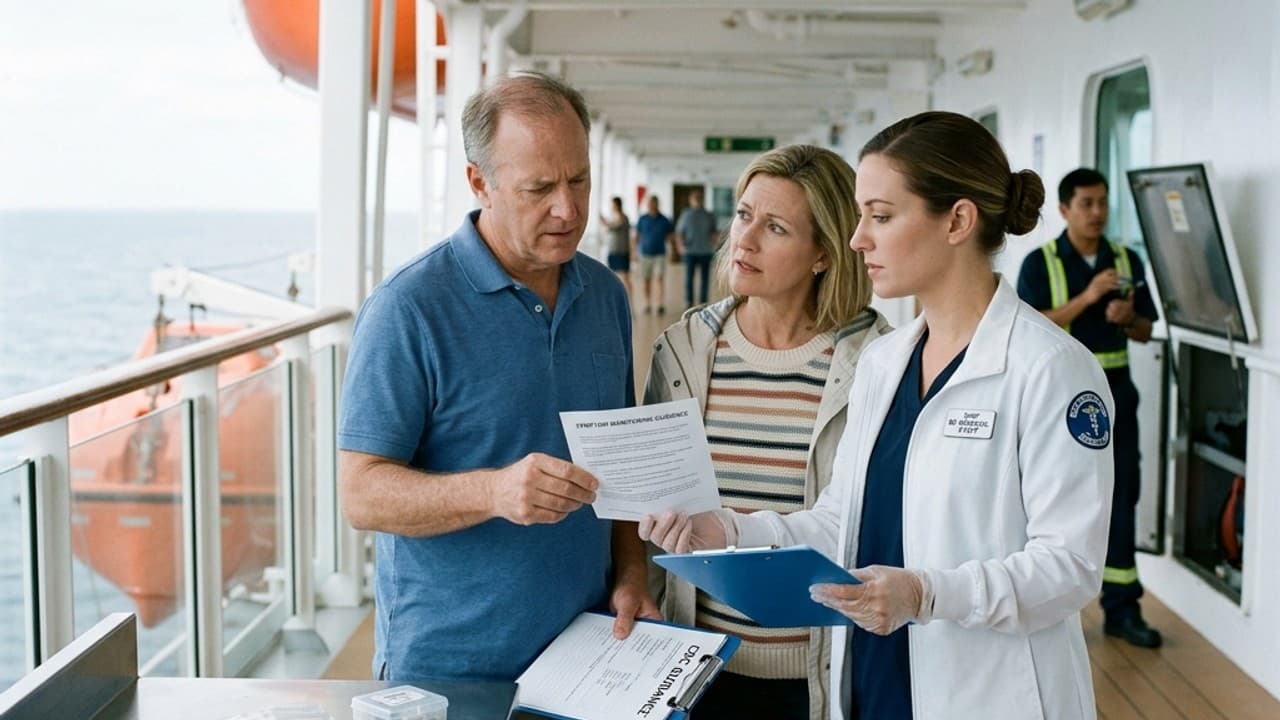
CDC Issues Guidance After Americans Exposed to Hantavirus on Cruise Ship
The United States Centers for Disease Control and Prevention has issued formal guidance outlining next steps for Americans who were exposed to hantavirus aboard a cruise ship, raising public health concerns over the rare but potentially fatal rodent-borne illness. The development marks an unusual public health event given the enclosed environment of a commercial vessel.
Hantavirus is transmitted primarily through contact with infected rodents or their droppings and is not typically associated with maritime settings, making this exposure incident particularly notable for health authorities. The CDC's intervention signals the seriousness with which federal agencies are treating the outbreak.
The agency has directed exposed individuals to monitor for symptoms including fever, muscle aches, and respiratory distress, which can escalate rapidly into hantavirus pulmonary syndrome, a condition carrying a significant mortality rate. Authorities are also conducting an investigation into the source and circumstances of the exposure onboard.
Public health officials have not disclosed the name of the cruise line or the specific vessel involved. The incident is expected to prompt broader scrutiny of sanitation and pest control protocols across the commercial cruise industry, which handles millions of passengers annually.
Similar Stories
Background and related coverage on this story.
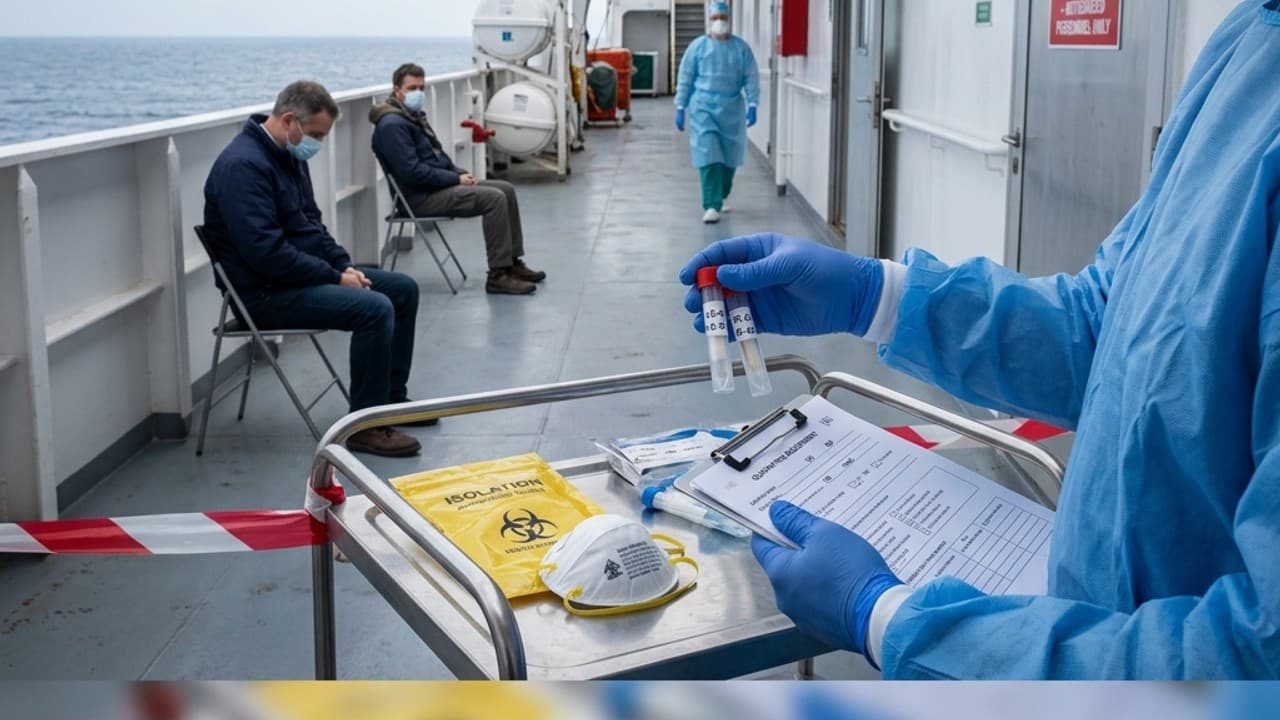
US and French Nationals from Hantavirus Ship Test Positive
American and French nationals aboard a vessel that has been linked to a hantavirus outbreak have tested positive for the disease, raising alarm among international health authorities monitoring what has become an increasingly complex containment situation at sea. Hantavirus, a potentially fatal rodent-borne illness, does not typically spread through person-to-person contact, but confirmed cases among passengers of a single vessel signal a concentrated exposure event that health officials are now treating with heightened urgency.
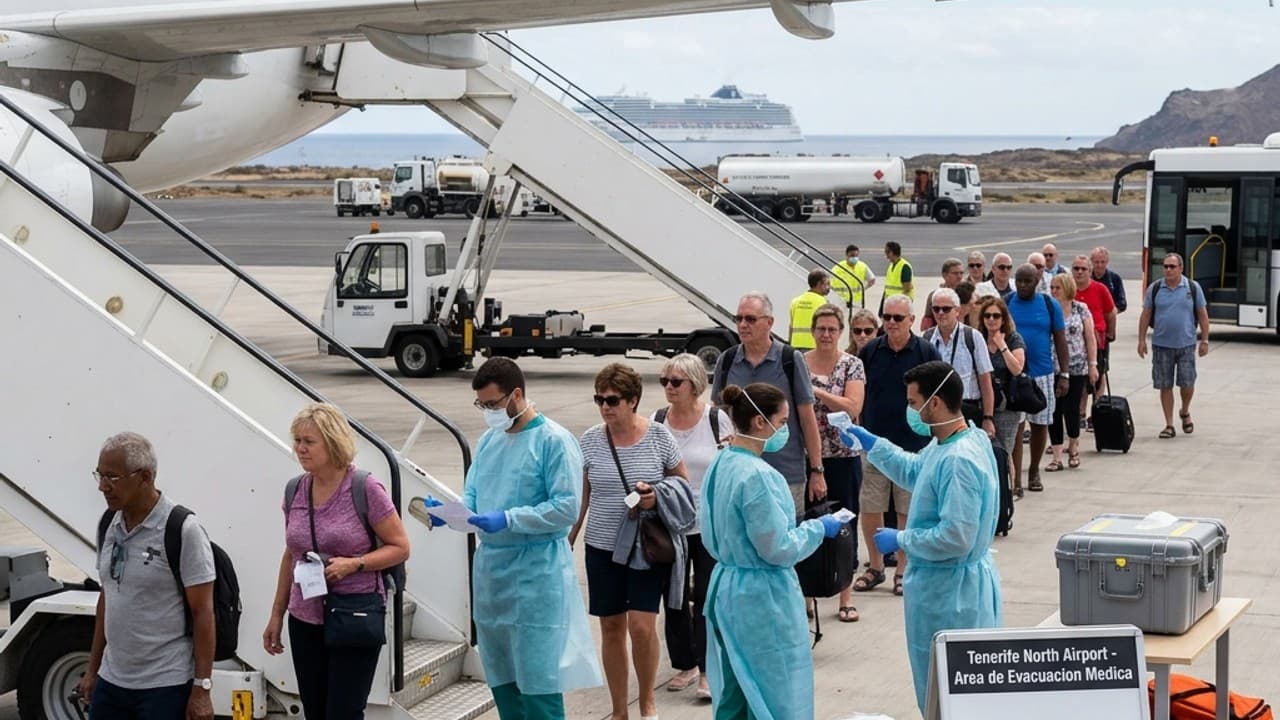
Evacuation Flights Depart Tenerife After Cruise Ship Hantavirus Outbreak
Evacuation flights have departed Tenerife following a hantavirus outbreak aboard a cruise ship docked at the Spanish Canary Island, triggering an emergency response from local health authorities and international aviation operators. The outbreak has prompted authorities to initiate a controlled evacuation of passengers and crew, with flights dispatched to repatriate nationals to their home countries under medical supervision.
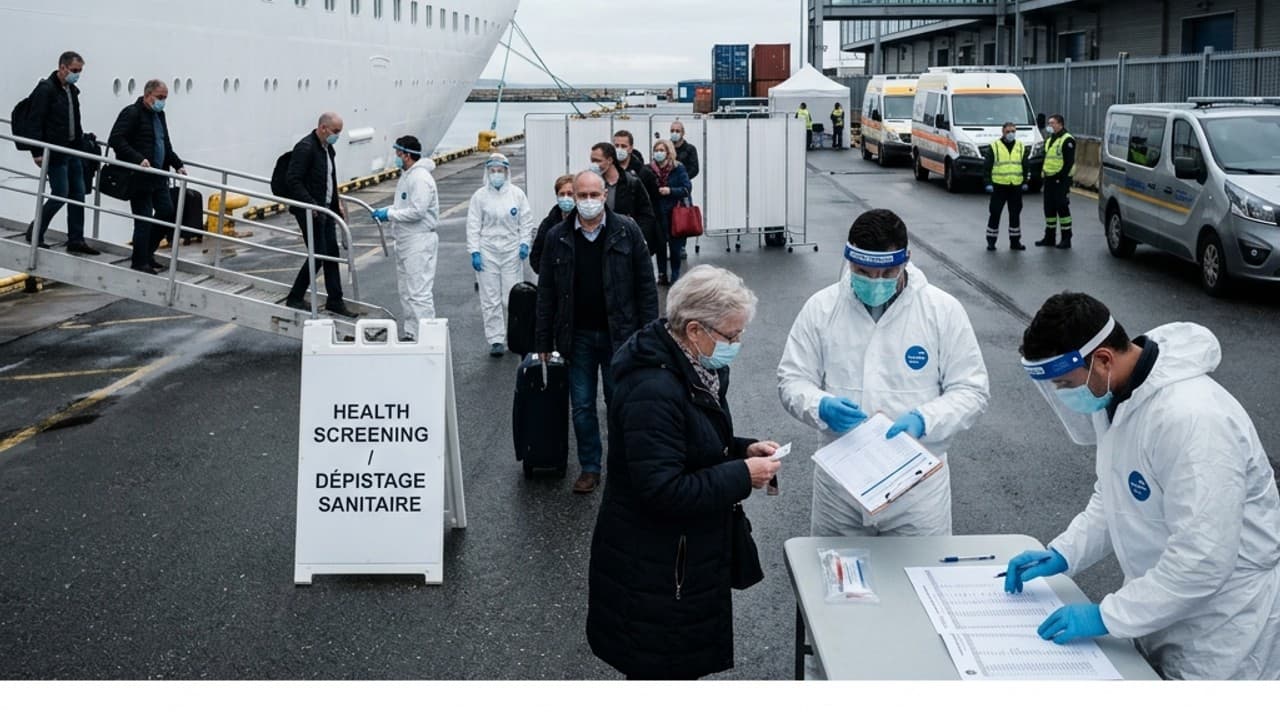
EU Health Agency Flags All Ship Passengers as Hantavirus High-Risk
The European Union's health agency has classified all passengers aboard a hantavirus-affected ship as high-risk contacts, marking a significant escalation in the public health response to the outbreak. The designation triggers enhanced surveillance, contact tracing protocols, and potential quarantine measures for all individuals who were aboard the vessel during the exposure window.
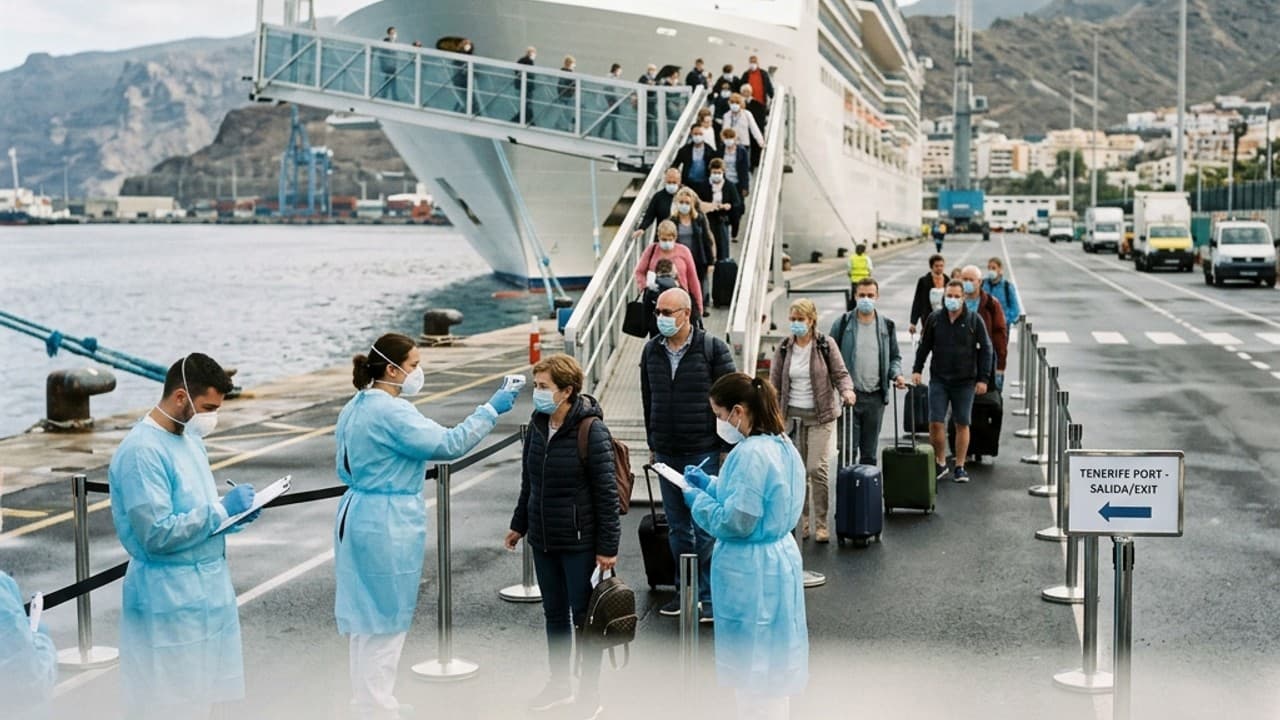
Hantavirus Cruise Ship Reaches Tenerife as Evacuation Begins
A cruise ship linked to a deadly Hantavirus outbreak has arrived off the coast of Tenerife in Spain's Canary Islands, with passenger evacuation operations now underway. Health authorities have been placed on high alert as the vessel carries individuals potentially exposed to the rare and often fatal rodent-borne virus.
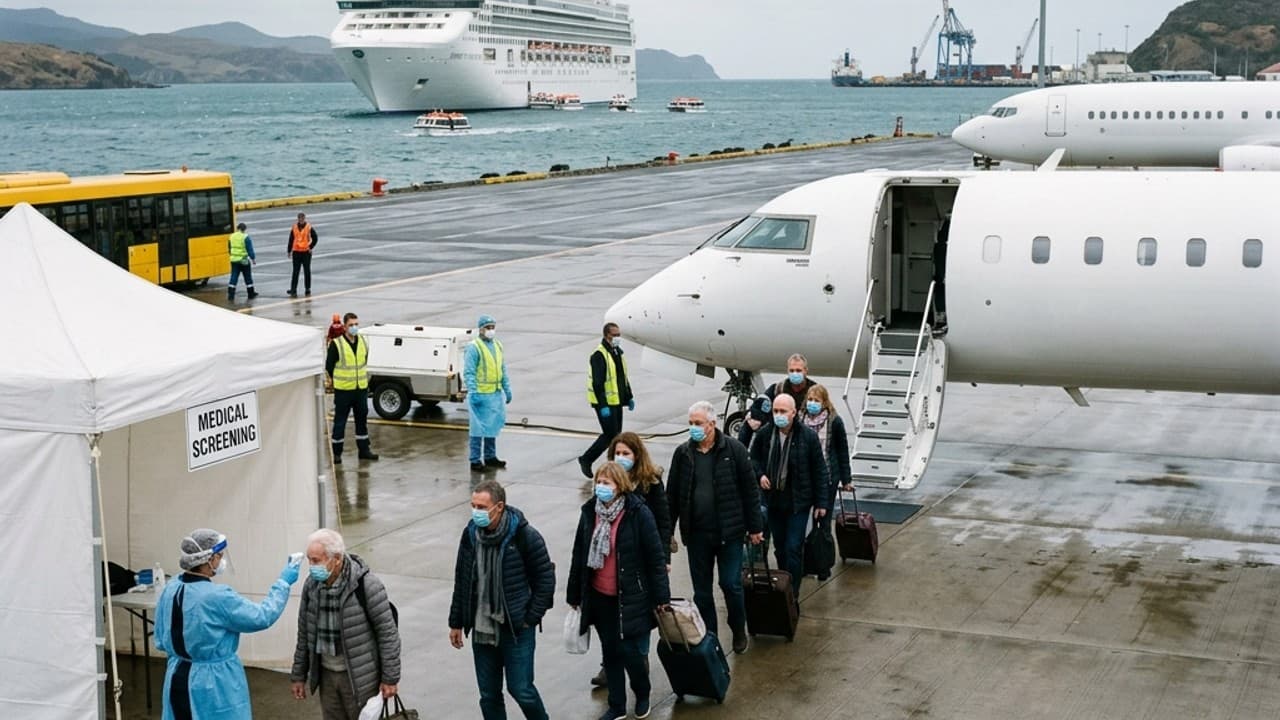
European States Dispatch Aircraft to Evacuate Citizens from Hantavirus Cruise Ship
Several European governments have mobilised evacuation aircraft to extract their nationals from a cruise ship struck by a hantavirus outbreak, in a rapidly escalating public health emergency at sea. The decision was taken after the number of confirmed and suspected cases aboard the vessel reached a level that prompted coordinated diplomatic and medical intervention.
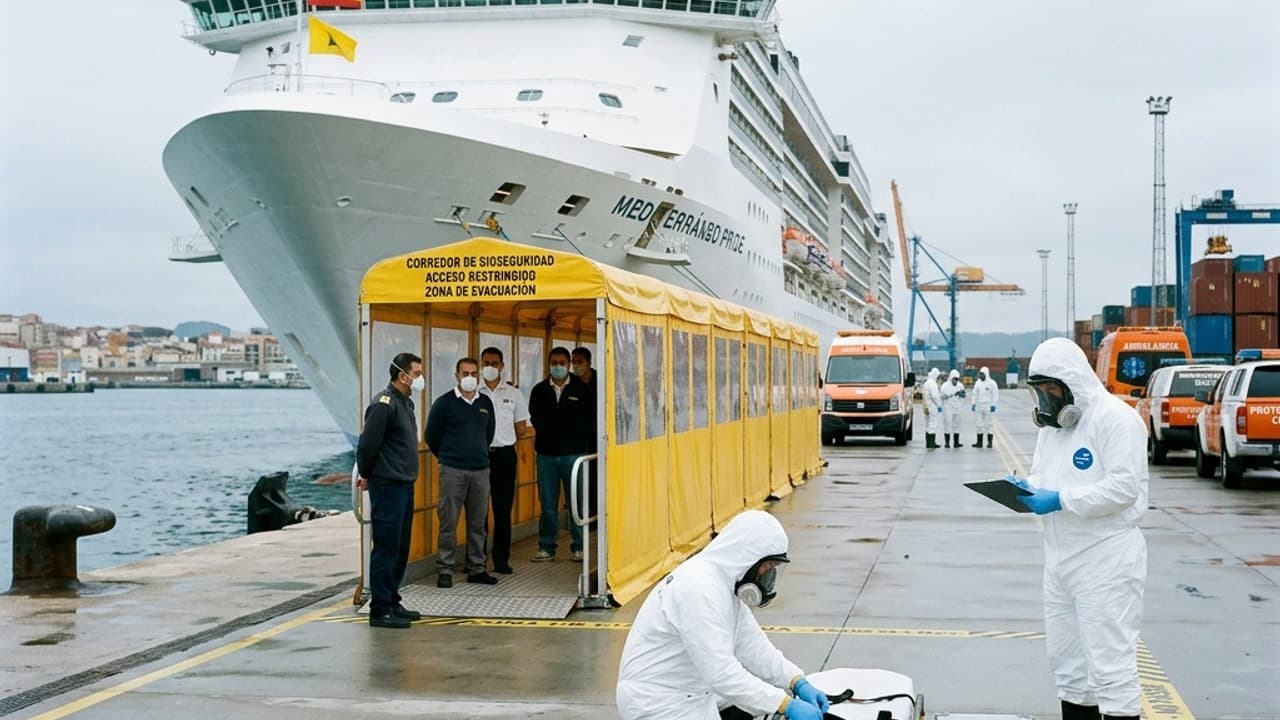
WHO Chief Arrives in Spain Ahead of Hantavirus Ship Evacuation
The Director-General of the World Health Organisation arrived in Spain on Saturday ahead of a planned evacuation of passengers and crew aboard a vessel struck by a hantavirus outbreak, signalling the severity of what international health authorities are treating as a critical containment scenario. Hantavirus, a rare but potentially fatal rodent-borne pathogen, does not transmit easily between humans, yet its presence aboard a confined vessel raises acute public health concerns given the density of the ship's population and the logistical complexity of managing exposure at sea.