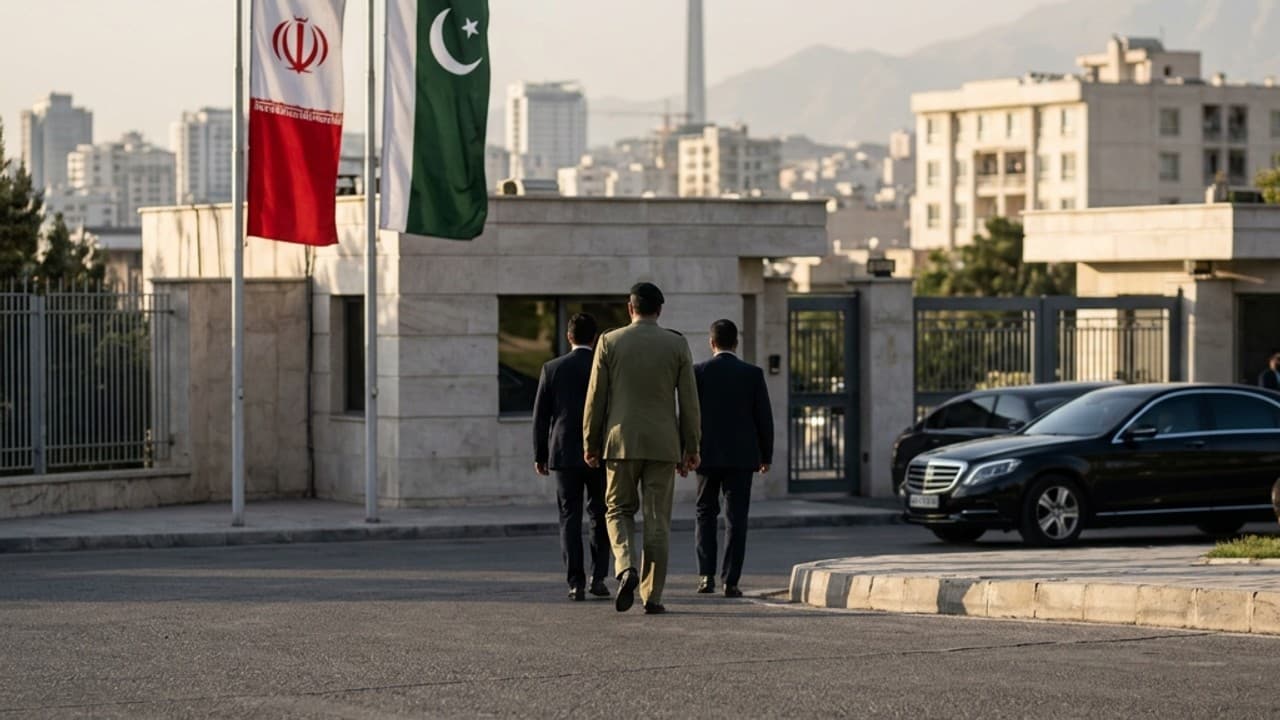
CDF Asim Munir's Tehran Visit Yields Encouraging Progress, Says ISPR
Pakistan's Chief of Defence Forces, Field Marshal Syed Asim Munir, concluded a visit to Tehran on Saturday with the Inter-Services Public Relations describing the talks as having yielded 'encouraging progress,' signalling a meaningful advance in bilateral defence and security engagement between the two neighbouring states.
The ISPR statement, brief but substantive in tone, marks a notable moment in Pakistan-Iran ties, which have seen heightened attention in recent months given regional security pressures, cross-border dynamics, and the broader geopolitical volatility affecting South Asia and the Middle East.
The visit by the country's top military commander to the Iranian capital carries institutional weight, suggesting that the discussions extended beyond courtesy and touched on strategic concerns shared by both nations, including border security, counter-terrorism coordination, and regional stability frameworks.
While the ISPR did not disclose specific outcomes, the characterisation of 'encouraging progress' is deliberate diplomatic language indicating substantive ground was covered. Analysts expect further official communication as the engagement is formalised.
The visit comes against the backdrop of ongoing US-Iran nuclear negotiations and a fluid regional security environment, lending the Pakistan-Iran military-level dialogue additional strategic significance for Islamabad's foreign and defence policy positioning.
Similar Stories
Background and related coverage on this story.
US and Iran Report Meaningful Progress in War-Ending Negotiations
The United States and Iran have both reported meaningful progress in ongoing diplomatic talks aimed at ending their active military conflict, raising cautious hopes that a negotiated ceasefire or broader settlement may be within reach. Both sides acknowledged forward movement in negotiations, though no formal agreement has been announced.
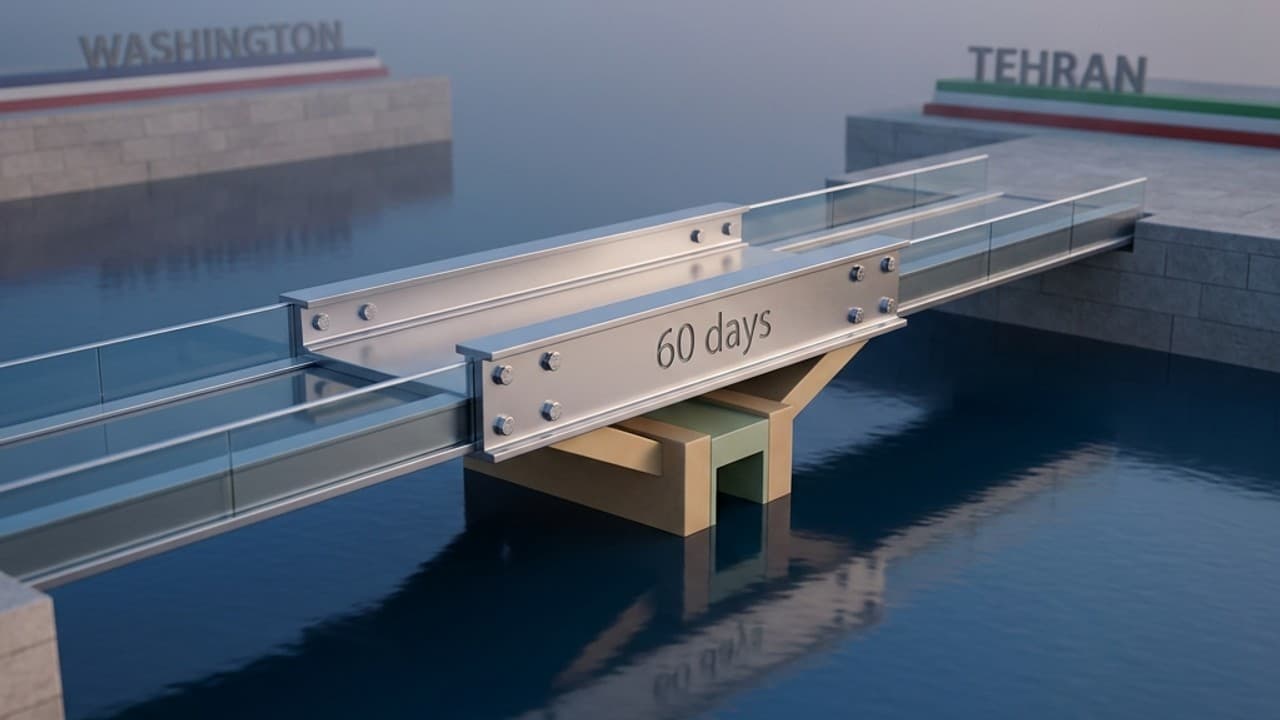
US and Iran Near 60-Day Ceasefire Extension, Mediators Confirm
The United States and Iran are reported to be close to agreeing on a 60-day extension of their existing ceasefire arrangement, according to mediators cited by the Financial Times. The development, if formalised, would represent a significant stabilisation of one of the world's most volatile diplomatic flashpoints and buy additional time for broader nuclear and regional security negotiations.

Qatar, Pakistan, US Intensify Diplomatic Push on Iran Nuclear Deal
Qatari diplomatic envoys have arrived in Tehran to assist in brokering a nuclear deal between the United States and Iran, as multiple parallel diplomatic tracks converge in a concentrated push for an agreement. Qatar has historically served as a trusted intermediary between Washington and Tehran given the absence of direct diplomatic relations between the two powers.
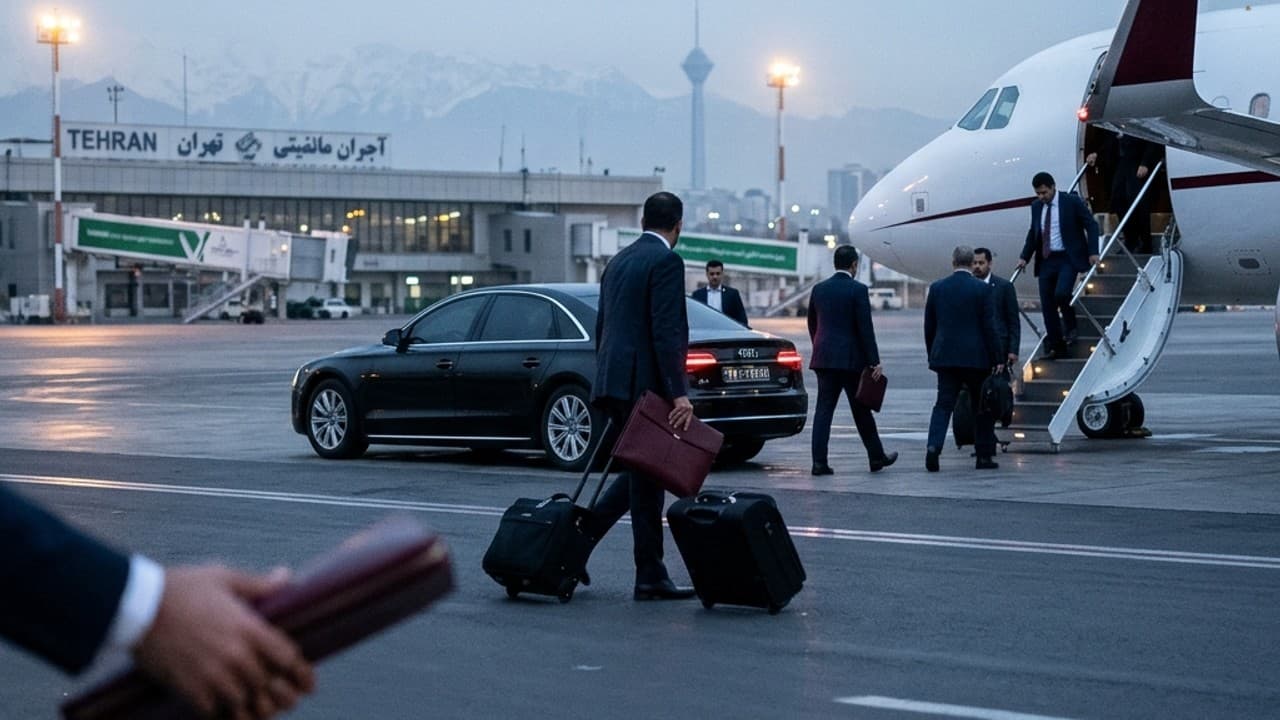
Qatar Sends Negotiating Team to Tehran for US-Iran War Deal
A Qatari negotiating team has arrived in Tehran in an effort to facilitate a diplomatic agreement between the United States and Iran aimed at ending the ongoing war, according to a source with knowledge of the mission. The development signals a renewed push for a ceasefire or broader deal at a moment when military hostilities between US-aligned forces and Iran have shown no sign of abating.
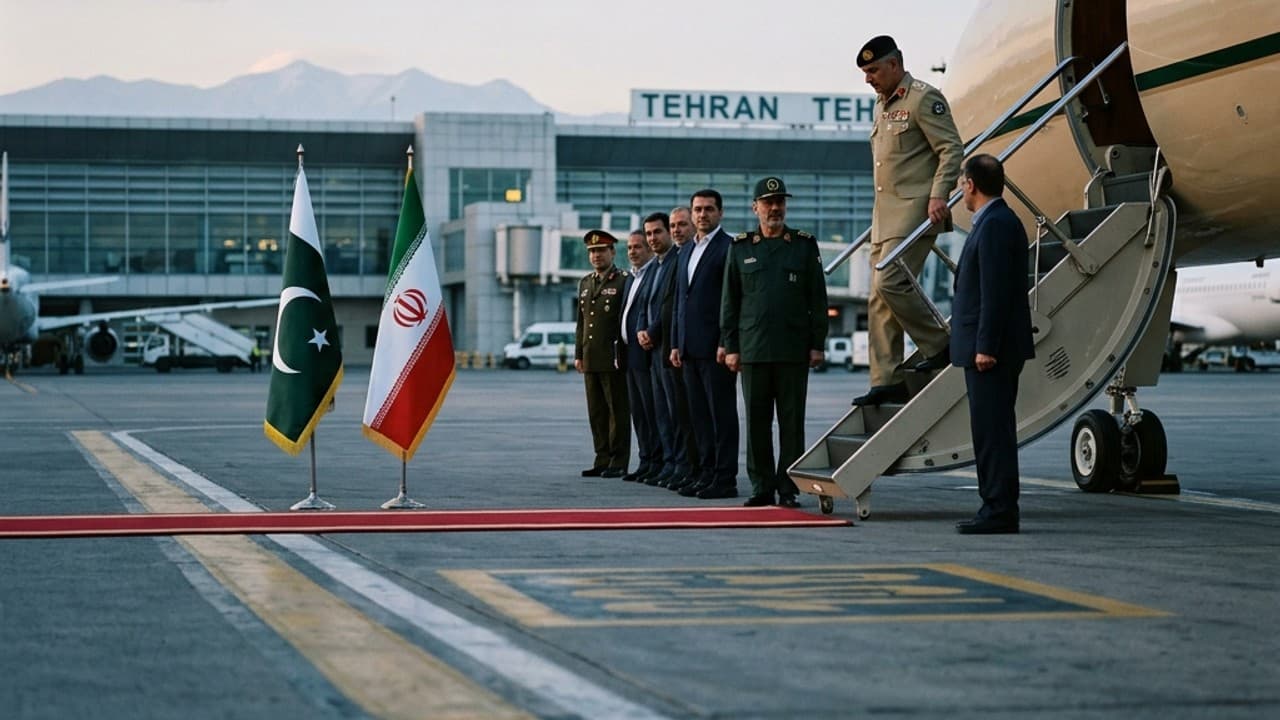
CDF Asim Munir arrives in Iran for mediation efforts
Chief of Defence Forces (CDF) Field Marshal Asim Munir has arrived in Iran as part of Pakistan's ongoing mediation efforts, the Inter-Services Public Relations confirmed on Friday night. The visit marks a significant escalation in Pakistan's diplomatic engagement at the highest military level, signalling Islamabad's active role in de-escalating regional tensions.
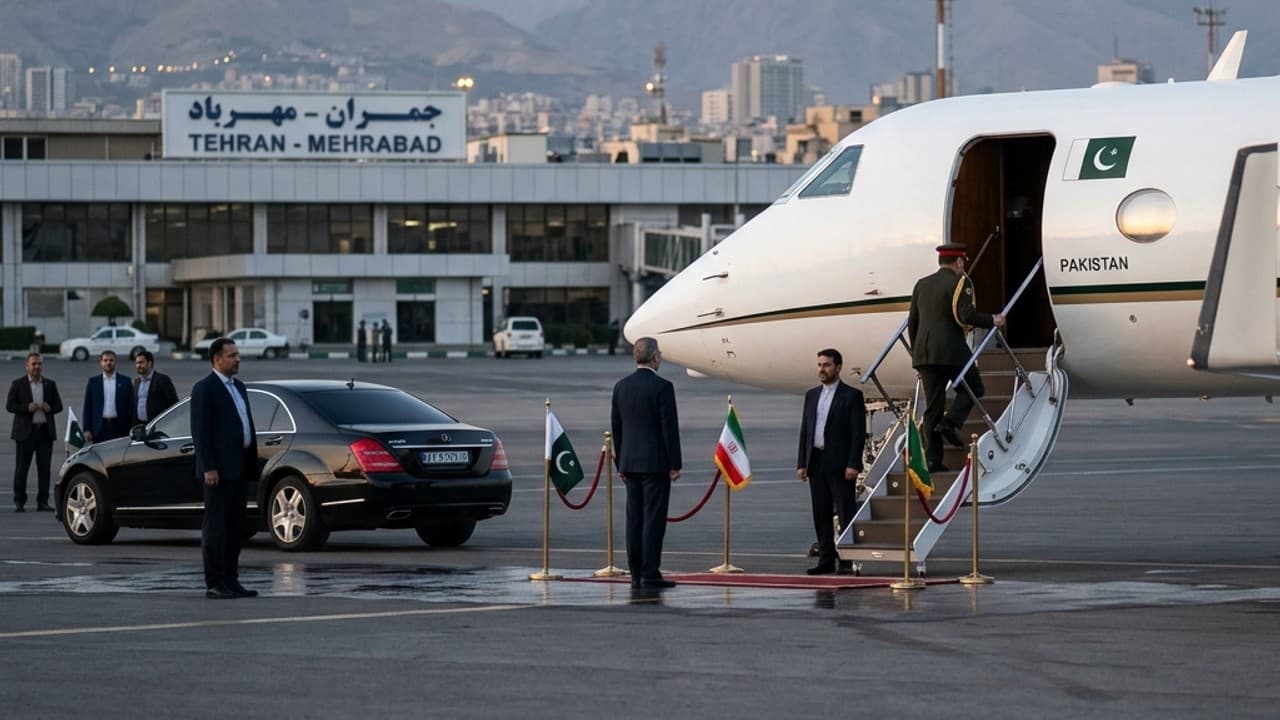
Pakistan CDF Asim Munir Arrives in Tehran to Mediate US-Iran Talks
Chief of Defence Forces General Syed Asim Munir has landed in Tehran as Pakistan significantly escalates its diplomatic mediation efforts between the United States and Iran. The visit marks the highest-level Pakistani military-diplomatic intervention in the ongoing US-Iran standoff, positioning Islamabad as a critical back-channel interlocutor at a moment of acute regional tension.