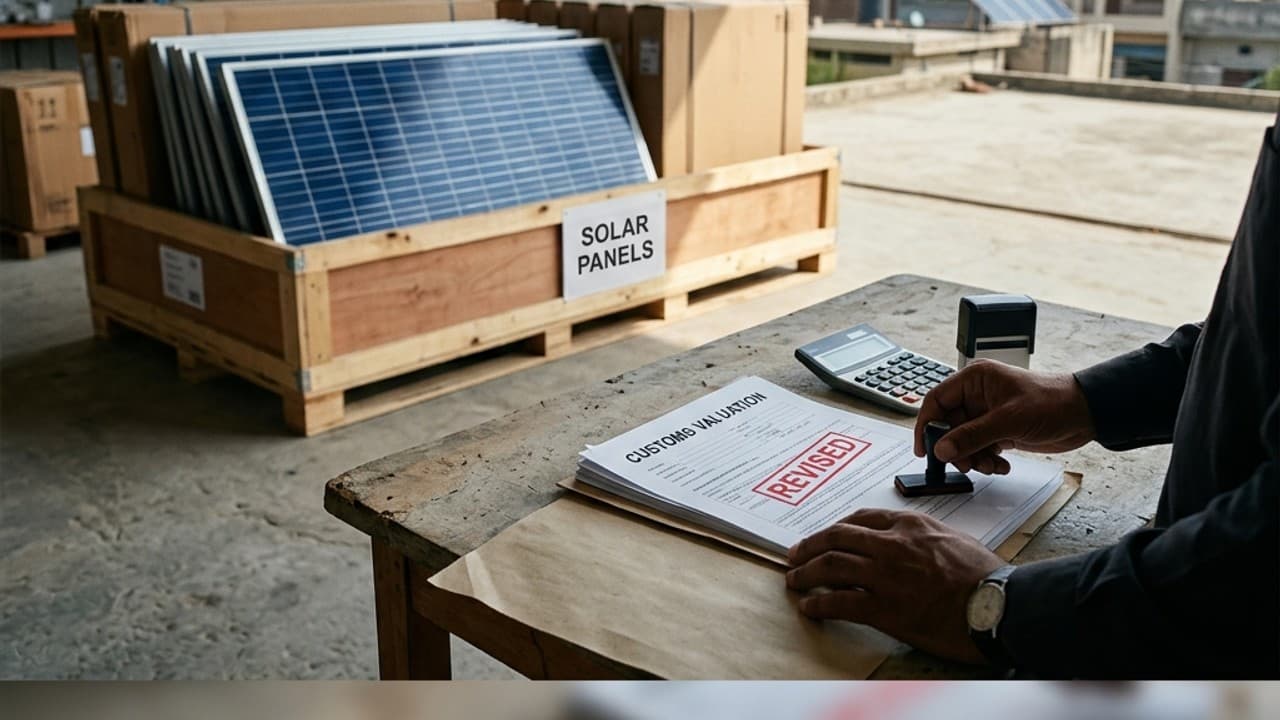
Customs values of solar panels raised by Pakistani authorities
Pakistani customs authorities have increased the official customs valuation of solar panels, a move that will raise the import duty base for one of the country's fastest-growing clean energy input categories. The revision is expected to affect importers, solar installers, and consumers who have been rapidly expanding residential and commercial solar adoption in response to rising grid electricity costs.
Customs values are reference benchmarks used by the Federal Board of Revenue to assess import duties, and their upward revision effectively increases the tax incidence on solar panel imports even without a change in the applicable duty rate. Industry participants have raised concerns that the adjustment will add cost pressure at a time when the solar sector has been driving a private-sector energy transition.
The revision comes against a backdrop of significant growth in solar panel imports, which have surged as consumers and businesses seek alternatives to expensive and unreliable grid power. Importers have previously warned that arbitrary customs value increases create unpredictability in project costing and may slow down installation timelines.
Energy analysts note that the government faces a competing set of pressures: it seeks to promote renewable energy adoption as part of climate commitments while simultaneously protecting fiscal revenues from import duties. The latest valuation increase suggests that revenue considerations are weighing heavily in the current environment.
Similar Stories
Background and related coverage on this story.
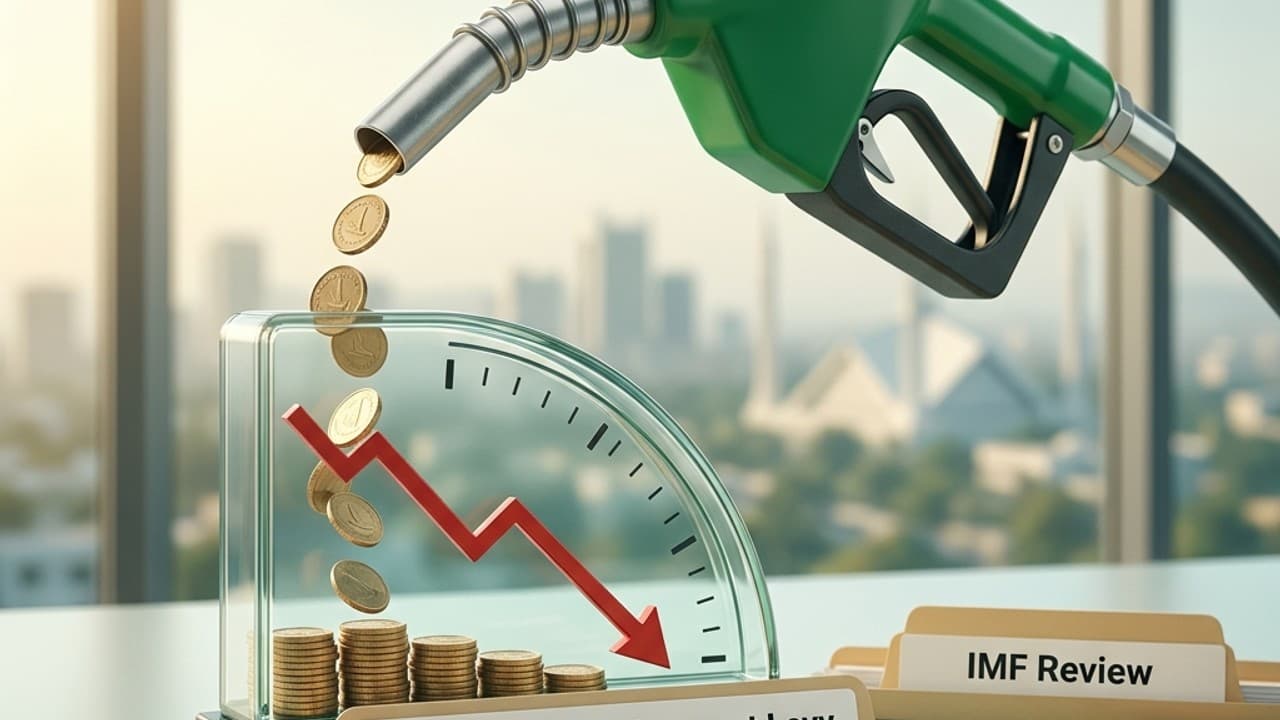
Fuel levy drives Pakistan to lowest fiscal deficit in three decades
Pakistan has recorded its lowest fiscal deficit in nearly three decades, driven primarily by revenues generated through the petroleum development levy, marking a significant milestone in the country's fiscal consolidation trajectory. The development signals a meaningful improvement in government finances at a time when Islamabad has been under sustained pressure from international lenders to narrow its budget gap and stabilise the macroeconomic environment.
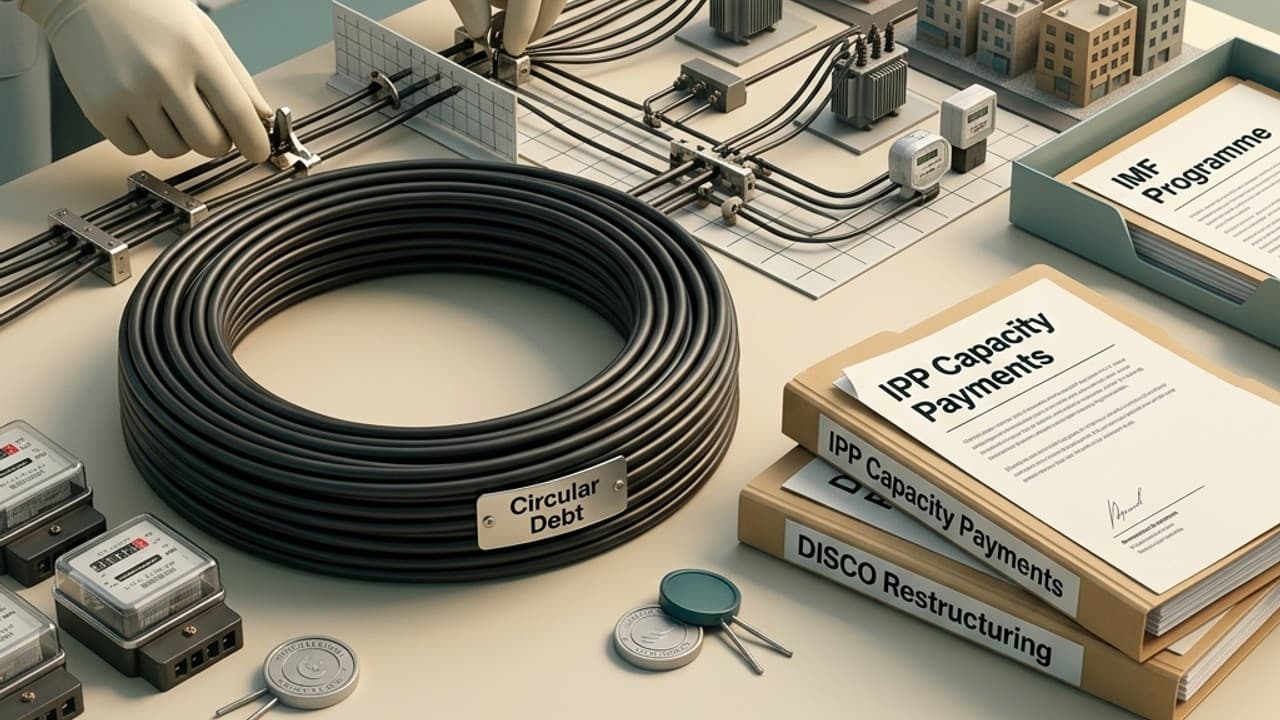
Leghari Announces Sweeping Reforms Across Pakistan's Power Sector
Federal Minister for Energy Awais Leghari has announced a comprehensive package of reforms targeting Pakistan's power sector, addressing systemic inefficiencies that have long burdened consumers, the national grid, and the country's fiscal balance. The announcement signals a major policy push to restructure an industry that has been at the centre of Pakistan's broader economic crisis.

SECP Proposes Major Overhaul of Shariah Governance Regulations
The Securities and Exchange Commission of Pakistan has proposed sweeping changes to its Shariah governance framework, signalling a significant regulatory shift for the country's Islamic finance sector. The proposed amendments are expected to tighten oversight mechanisms for Shariah-compliant financial products and institutions operating under SECP's jurisdiction.