
Czech Republic Unlikely to Meet NATO Defence Spending Target, PM Warns
Czech Republic Prime Minister has told the Financial Times that his country is likely to fall short of NATO's defence spending target, adding Prague to a growing list of alliance members facing difficulty meeting the benchmark at a time of heightened collective security demands. The admission comes as the alliance continues to press members on burden-sharing commitments.
NATO has pushed member states toward a two-percent-of-GDP defence expenditure threshold, a target that has gained renewed urgency following Russia's invasion of Ukraine and the subsequent expansion of alliance commitments in eastern Europe. The Czech government's acknowledgement of a likely shortfall will be politically sensitive given the alliance's current climate.
The Czech Republic, a frontline state in terms of its geographic proximity to the conflict in Ukraine and its role in supplying military equipment to Kyiv, has otherwise been among the more active supporters of the Ukrainian war effort. The divergence between political solidarity and budgetary delivery reflects the fiscal pressures facing many European governments.
The Prime Minister's statement to the FT is likely to prompt reaction from both NATO leadership and Washington, which has under the Trump administration been particularly vocal about demanding that European allies carry greater financial responsibility for their own defence.
Similar Stories
Background and related coverage on this story.
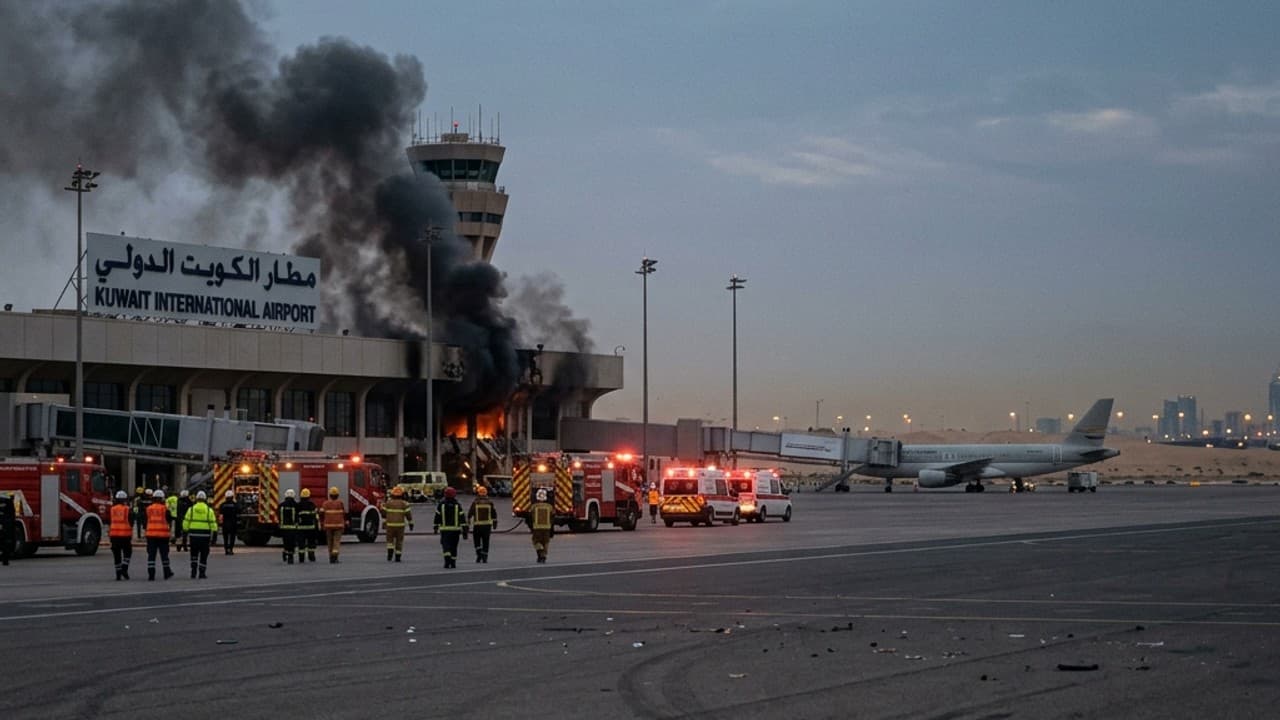
Iran Strikes Kuwait Airport With Drones and Missiles
Iran launched a drone and missile attack targeting Kuwait's main international airport, the Kuwaiti state news agency reported on Wednesday, marking a dramatic and dangerous escalation of hostilities in the Gulf region. The strike represents a direct attack on the sovereign territory and civilian infrastructure of a Gulf Cooperation Council member state.
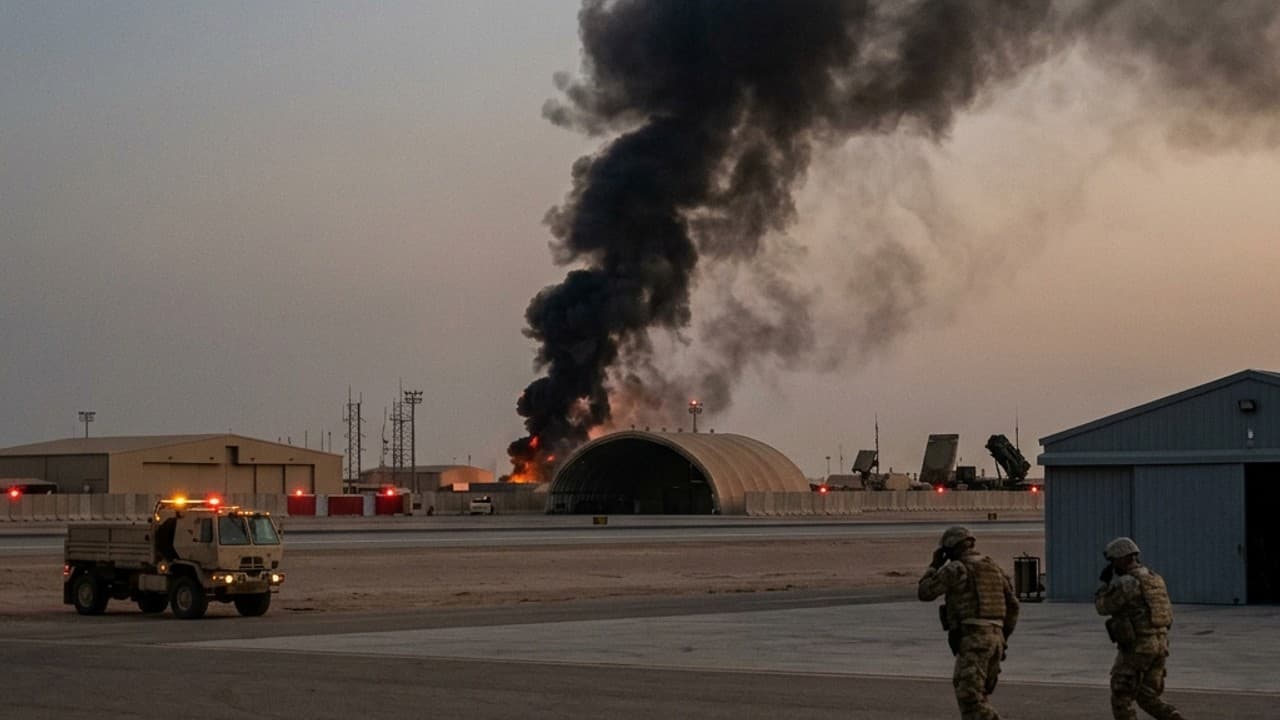
Tehran strikes US air base after American attacks on Iranian military sites
Iran launched a retaliatory strike against a United States air base on Monday after American forces attacked several Iranian military installations, marking a dramatic and dangerous escalation in tensions between the two nations. The exchange of strikes represents the most direct military confrontation between Washington and Tehran in years, raising fears of a broader regional conflict across the already volatile Middle East.
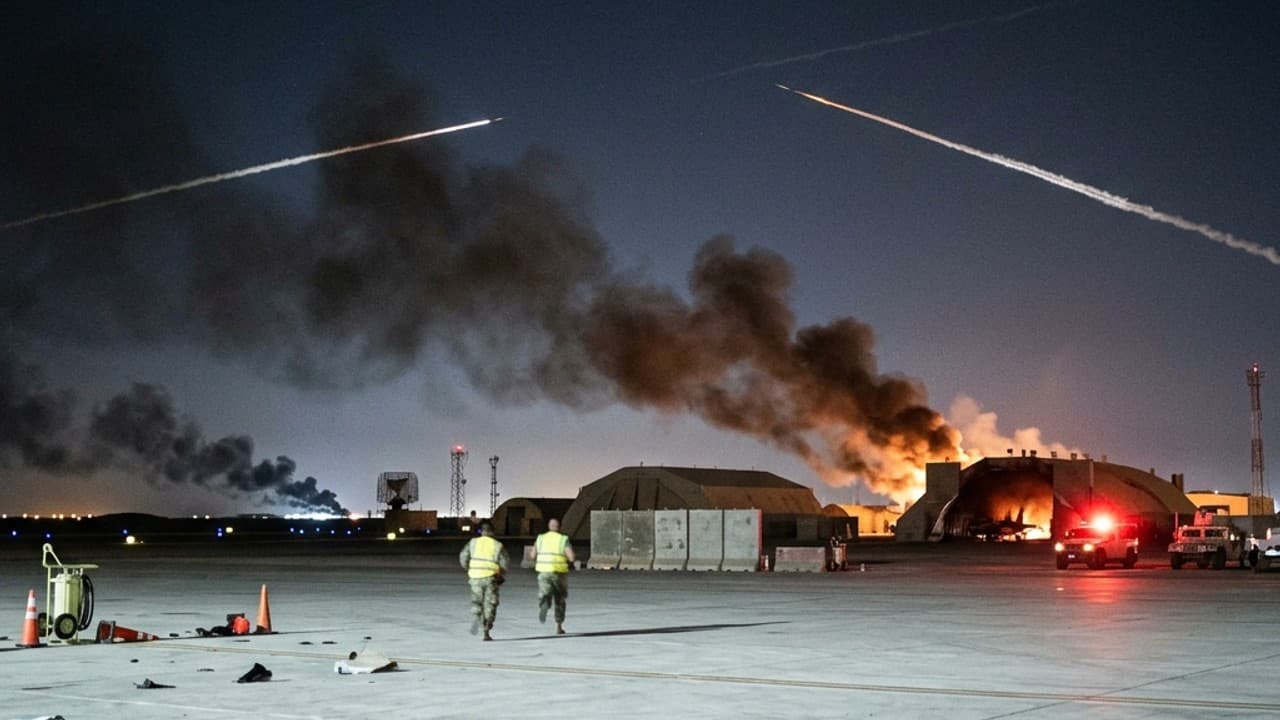
US Strikes Iranian Military Sites, Tehran Retaliates With Air Base Attack
The United States has confirmed it conducted strikes against Iranian military installations, in what marks one of the most significant direct military confrontations between the two countries in recent decades. Washington said the strikes targeted Iranian military sites, though full details of the scale, location, and objectives of the operation remained under official review at the time of reporting.
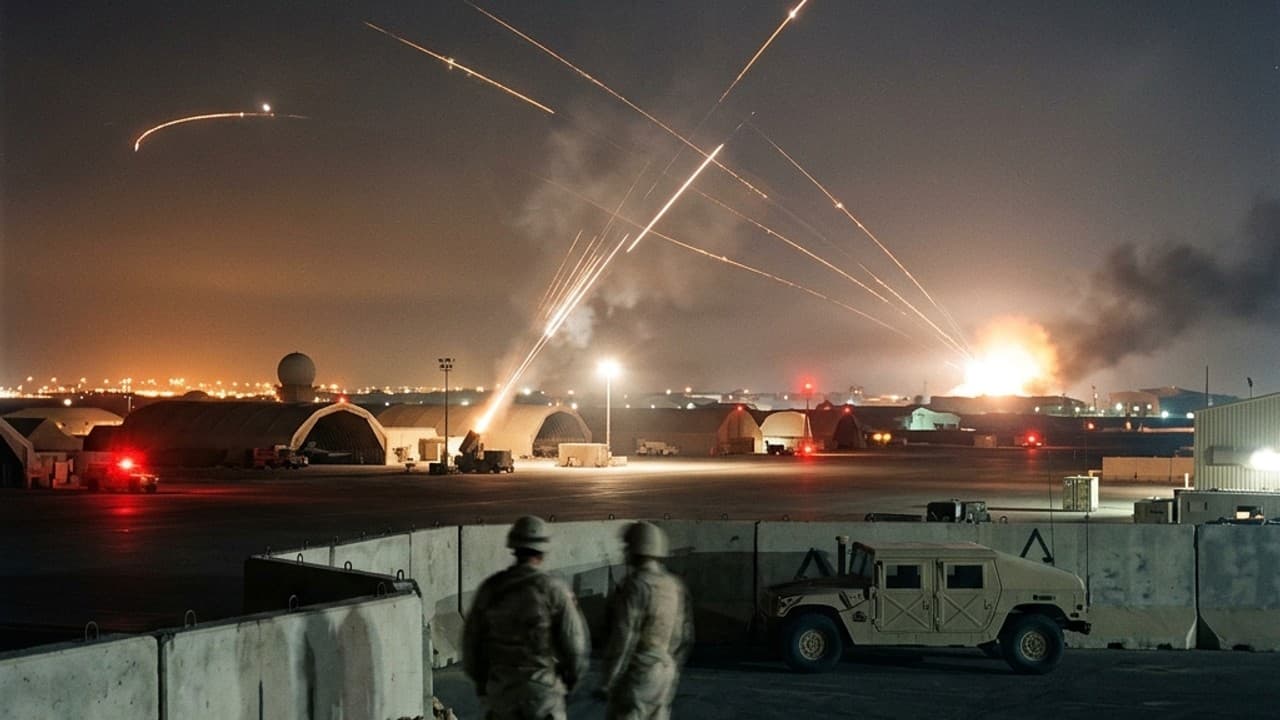
US Strikes Iran; Tehran Retaliates Against American Airbase
The United States has carried out fresh military strikes against Iran, triggering an immediate retaliatory attack by the Iranian Revolutionary Guards on an American military base in the Gulf region. The escalation comes after President Donald Trump publicly dismissed reports of a potential deal that would have kept the Strait of Hormuz open, removing a diplomatic off-ramp that analysts had considered a last-ditch mechanism to contain hostilities.
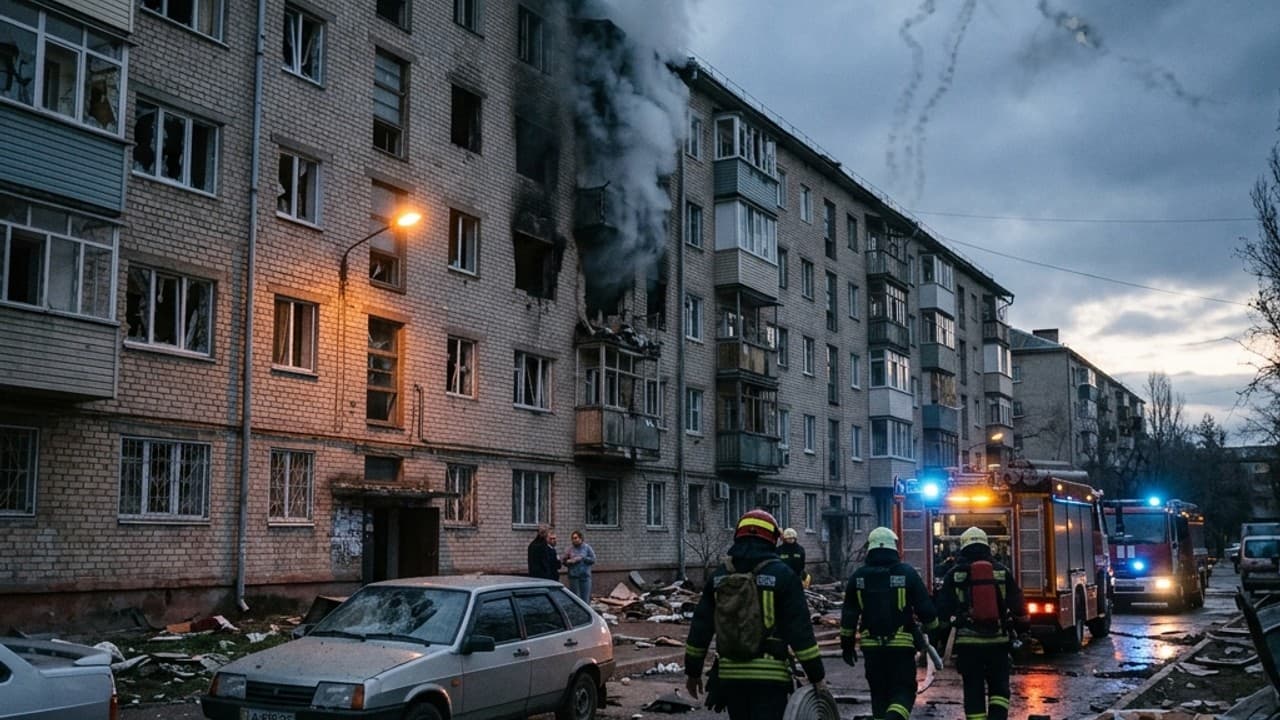
Russian Drone and Missile Assault on Ukraine Kills Ten
Russia launched a major combined drone and missile attack on Ukraine, killing at least ten people and wounding dozens more in one of the heaviest bombardments in recent weeks. Ukrainian emergency services reported strikes across multiple regions, with residential areas and infrastructure among the targets hit.
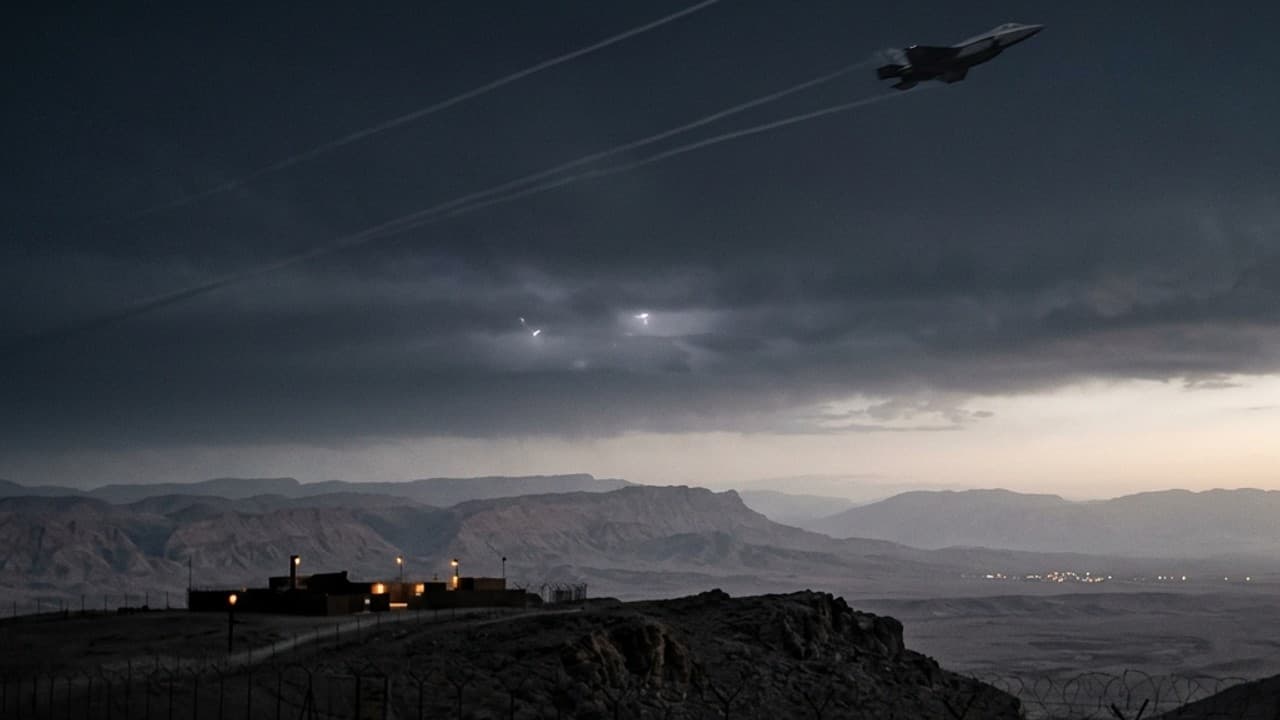
US Military Strikes Iran in Self-Defence Operations Over Weekend
The United States military carried out strikes against Iran over the weekend, characterising the operations as self-defence actions in response to what Washington described as provocations by Iranian forces or proxies. The strikes represent a significant escalation in the already volatile US-Iran confrontation and risk triggering a broader regional conflagration across the Middle East.