
Dollar Strengthens as US-Iran Clashes Drive Global Safe-Haven Flows
The US dollar firmed across major currency pairs on Friday as investors sought safe-haven assets in response to renewed military hostilities between the United States and Iran. The yen, meanwhile, found partial stability as market participants priced in the risk of currency intervention by Japanese authorities amid excessive volatility.
Dollar strength in risk-off environments reflects the currency's enduring reserve status and the tendency of global investors to reduce exposure to emerging market and commodity-linked currencies during geopolitical stress. The move adds pressure on currencies already under strain, including those of energy-importing economies.
For Pakistan, dollar appreciation against the rupee would compound the impact of rising oil prices, increasing the import bill in local currency terms at a time when the State Bank is carefully managing foreign exchange reserves. The dual pressure of a stronger dollar and higher crude prices represents one of the more challenging external environments for the Pakistani economy in recent months.
Analysts noted that the yen's stabilisation was partly technical, driven by market caution about provoking Bank of Japan or Ministry of Finance intervention. The broader currency picture remained unsettled, with the direction of the US-Iran conflict expected to dominate sentiment through the remainder of the trading week.
Similar Stories
Background and related coverage on this story.
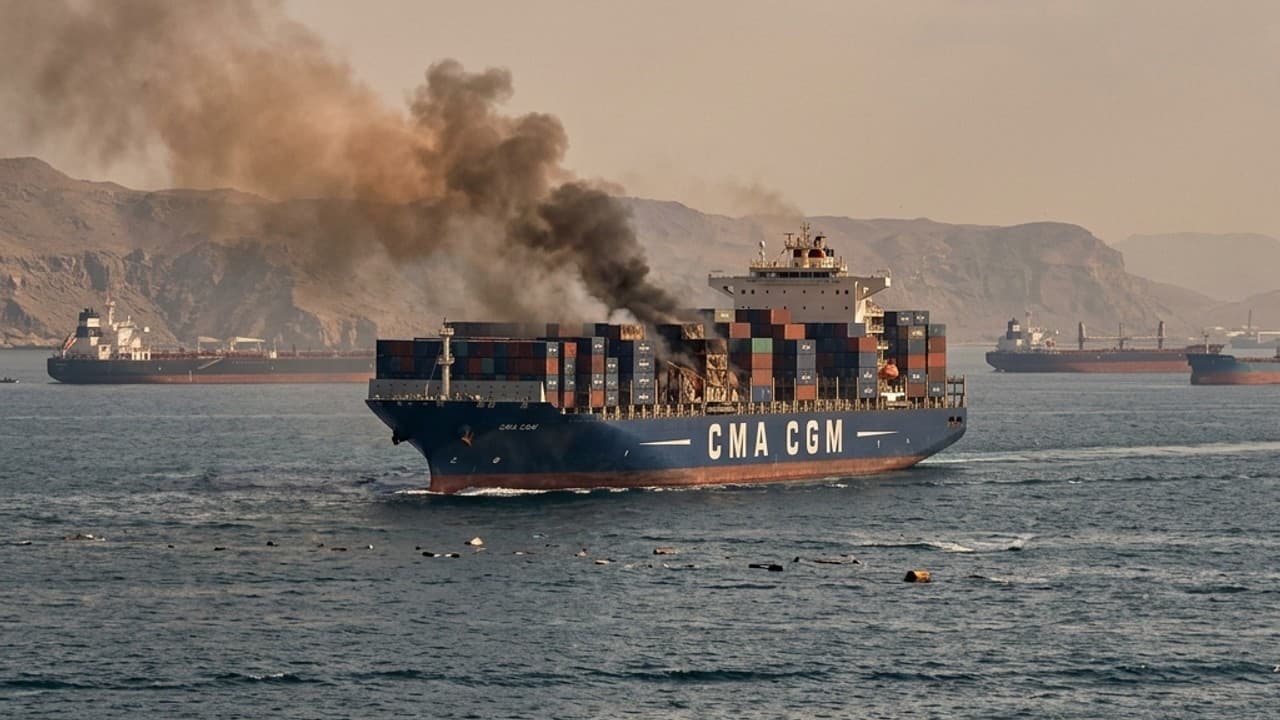
CMA CGM vessel attacked in Hormuz as US-Iran war halts shipping
A vessel operated by French shipping giant CMA CGM has been attacked in the Strait of Hormuz as the United States-Iran war triggers a near-total halt in commercial shipping through one of the world's most critical maritime chokepoints. The attack marks a significant escalation in the commercial cost of the conflict, with implications for global supply chains, energy markets, and insurance regimes.

UAE Withdraws from OPEC as Oil Cartel Tensions Reach Breaking Point
The United Arab Emirates has quit the Organisation of the Petroleum Exporting Countries, in a seismic development for global oil markets that ends the UAE's decades-long membership in the cartel and signals deepening fractures within OPEC's production coordination framework. The withdrawal is expected to trigger significant volatility in global crude prices.
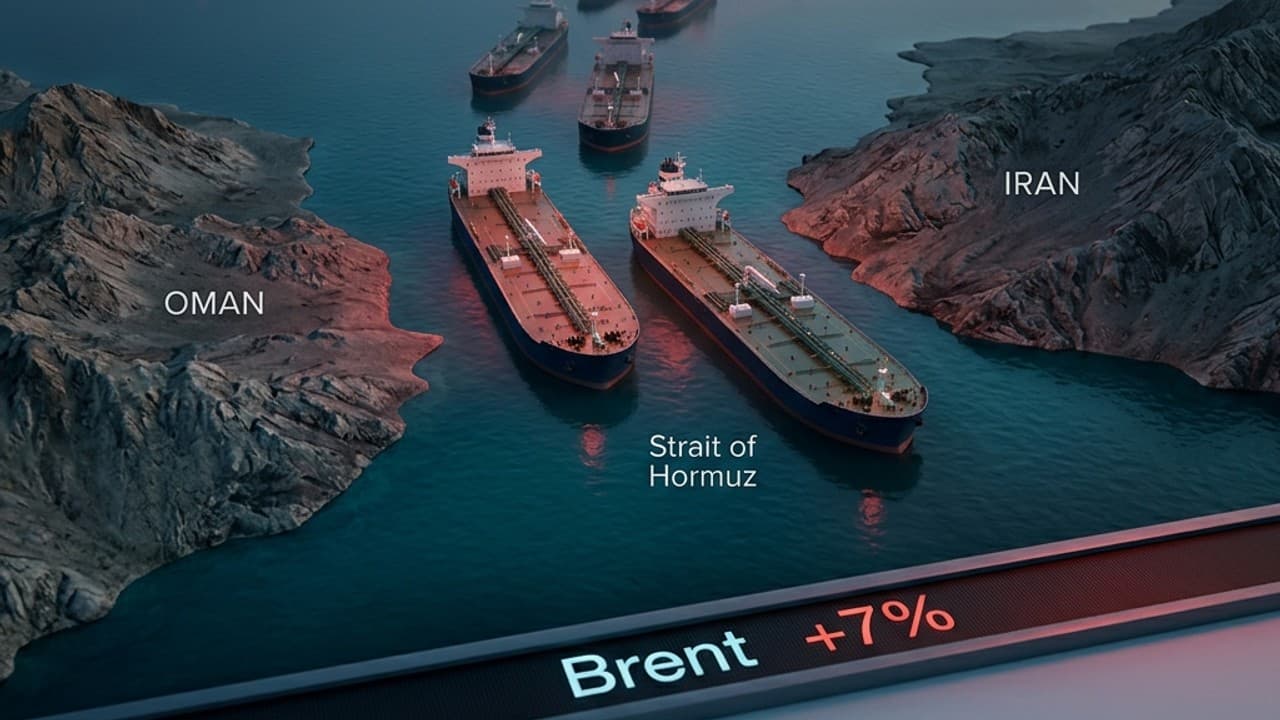
Brent Oil Surges 7% on Reports of US Military Options Against Iran
Brent crude oil prices surged approximately seven percent on Thursday after reports emerged that the United States is actively considering military options to break a deadlock with Iran, sending shockwaves through global energy markets already on edge from prolonged Middle East conflict. The sharp price movement represents one of the most significant single-session spikes in crude oil in recent memory, reflecting the extreme sensitivity of energy markets to any escalation involving Iran, which sits astride the Strait of Hormuz — the world's most critical oil transit chokepoint.
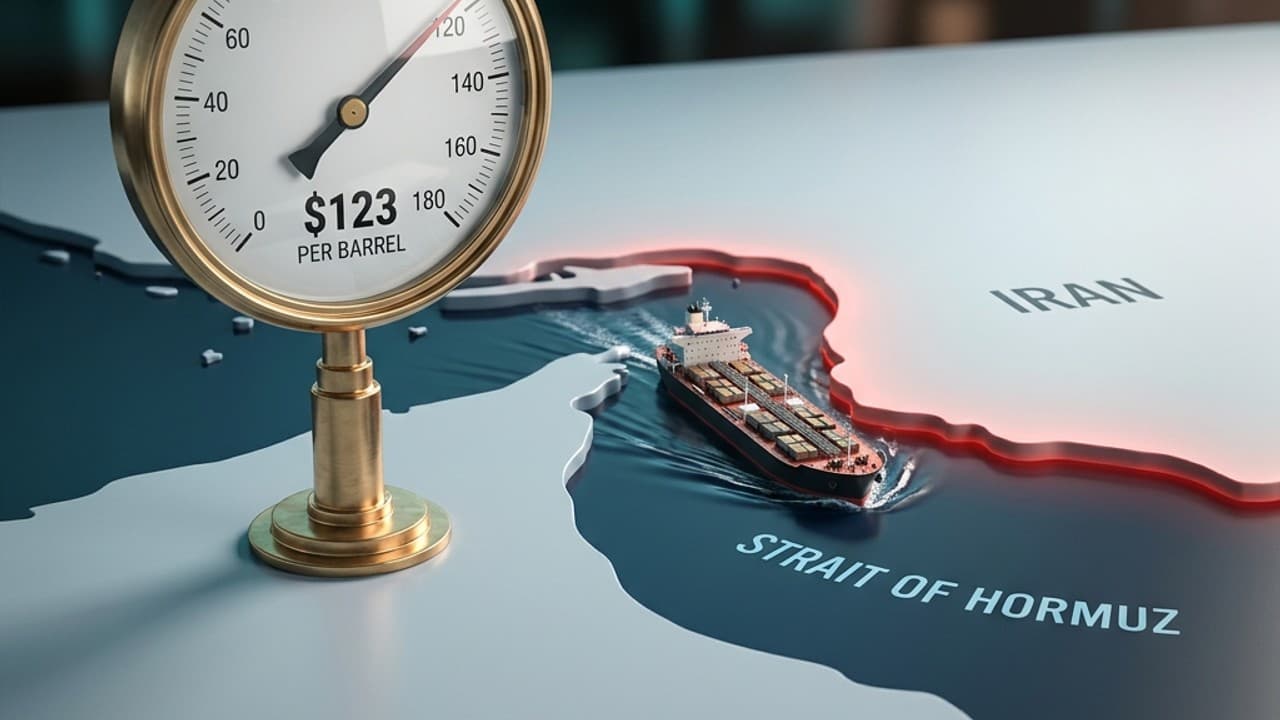
Oil Surges Past $123 on US Military Action Reports Against Iran
Global oil prices surged past $123 per barrel on Thursday following reports that the United States is actively considering military options to break a prolonged diplomatic deadlock with Iran, injecting acute geopolitical risk premium into energy markets and sending shockwaves across commodity, equity, and currency markets worldwide. The reports, which emerged from US media citing officials familiar with internal deliberations, indicated that the Biden-era diplomatic framework has effectively stalled and that the Trump administration is now evaluating a range of kinetic options.
UAE Exits OPEC and OPEC+ in Major Blow to Oil Producers Bloc
The United Arab Emirates has formally withdrawn from both OPEC and the broader OPEC+ alliance, delivering the most consequential structural blow to the global oil producers' grouping in decades. The UAE's departure removes one of the bloc's largest and most productive members at a moment when global oil markets are already under acute stress.
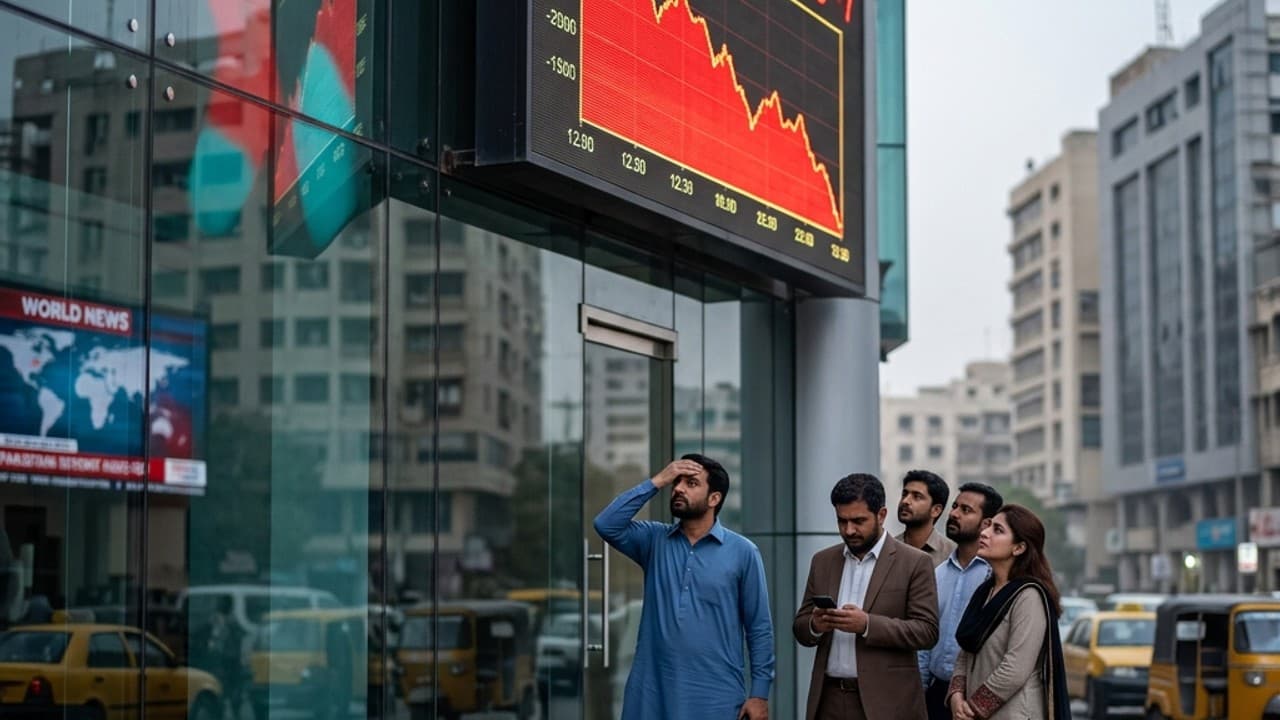
KSE-100 Drops 1,500 Points as US-Iran Tensions Escalate
The KSE-100 index shed nearly 1,500 points on Friday as escalating tensions between the United States and Iran rattled investor sentiment across global and regional markets. The sharp intraday decline reflected widespread risk aversion as geopolitical uncertainty intensified.