
Governor Stresses Urgency of Protecting Intellectual Property Rights
A provincial governor has underscored the critical importance of strengthening intellectual property rights protection in Pakistan, warning that weak enforcement undermines innovation, deters investment, and exposes the country's exporters to market access risks in key trading partners.
The governor's remarks align with longstanding concerns raised by the business and technology community, as well as international trading partners who have placed Pakistan on watch lists for inadequate IP enforcement. The United States and the European Union have both flagged Pakistan's IP regime as an area requiring reform.
Strengthening IPR frameworks requires both legislative updates and enforcement capacity building, including training of customs and judicial authorities to detect and penalise IP violations. Current gaps range from counterfeit goods proliferation to software piracy and inadequate protection for trademarks and geographical indications.
Improved IP protection is also linked to Pakistan's ambitions to develop its technology, pharmaceutical, and creative sectors, all of which require credible IP frameworks to attract foreign partnerships and enable domestic innovation-based enterprises to scale and compete internationally.
Similar Stories
Background and related coverage on this story.
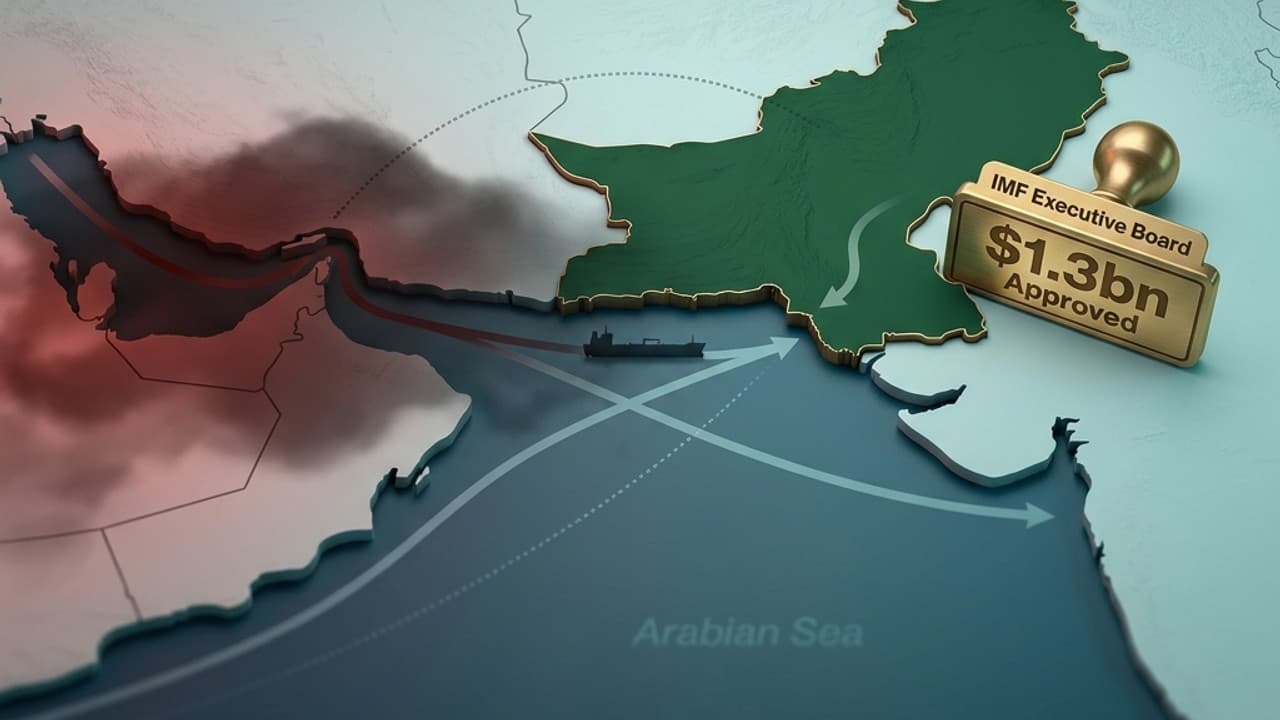
IMF Approves $1.3bn for Pakistan, Warns of Middle East War Risks
The International Monetary Fund's Executive Board has approved $1.3 billion in financing for Pakistan under its ongoing reform programme, providing a critical lifeline to an economy navigating persistent fiscal pressures and an uncertain external environment. The disbursement marks a significant milestone in Pakistan's engagement with the Fund, reflecting continued compliance with agreed benchmarks on fiscal consolidation, monetary tightening, and structural reforms.
IMF Board Approves $1.32 Billion Tranche for Pakistan
The International Monetary Fund's executive board has approved a disbursement of $1.32 billion for Pakistan, providing a critical injection of external financing as the country continues to stabilise its balance of payments position. The tranche approval follows a successful programme review and signals the Fund's continued confidence in Pakistan's economic adjustment trajectory.
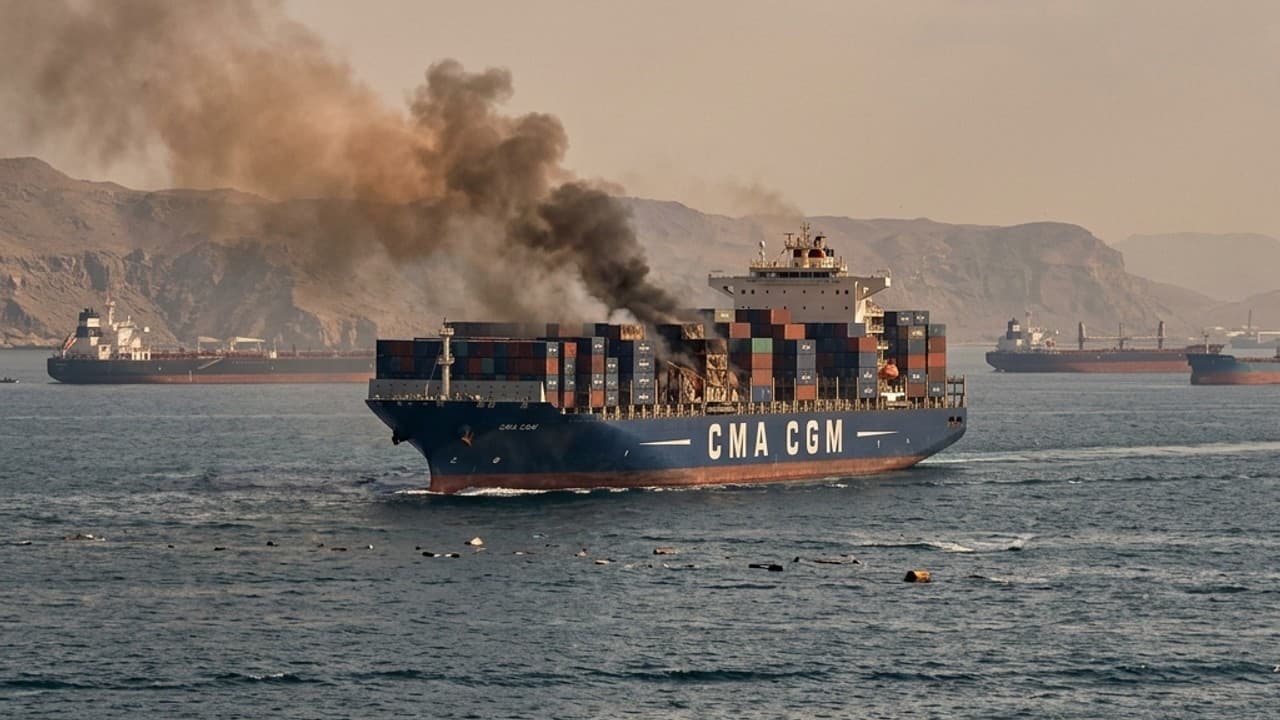
CMA CGM vessel attacked in Hormuz as US-Iran war halts shipping
A vessel operated by French shipping giant CMA CGM has been attacked in the Strait of Hormuz as the United States-Iran war triggers a near-total halt in commercial shipping through one of the world's most critical maritime chokepoints. The attack marks a significant escalation in the commercial cost of the conflict, with implications for global supply chains, energy markets, and insurance regimes.
UAE Withdraws from OPEC as Oil Cartel Tensions Reach Breaking Point
The United Arab Emirates has quit the Organisation of the Petroleum Exporting Countries, in a seismic development for global oil markets that ends the UAE's decades-long membership in the cartel and signals deepening fractures within OPEC's production coordination framework. The withdrawal is expected to trigger significant volatility in global crude prices.
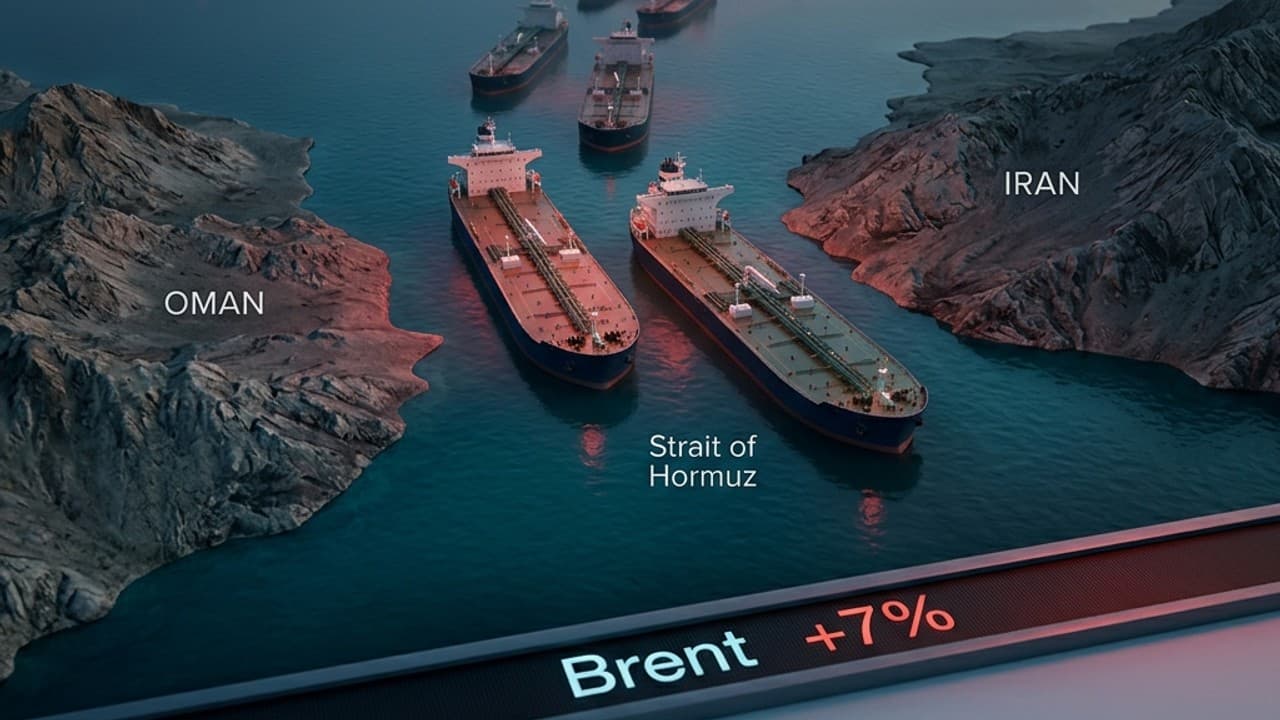
Brent Oil Surges 7% on Reports of US Military Options Against Iran
Brent crude oil prices surged approximately seven percent on Thursday after reports emerged that the United States is actively considering military options to break a deadlock with Iran, sending shockwaves through global energy markets already on edge from prolonged Middle East conflict. The sharp price movement represents one of the most significant single-session spikes in crude oil in recent memory, reflecting the extreme sensitivity of energy markets to any escalation involving Iran, which sits astride the Strait of Hormuz — the world's most critical oil transit chokepoint.
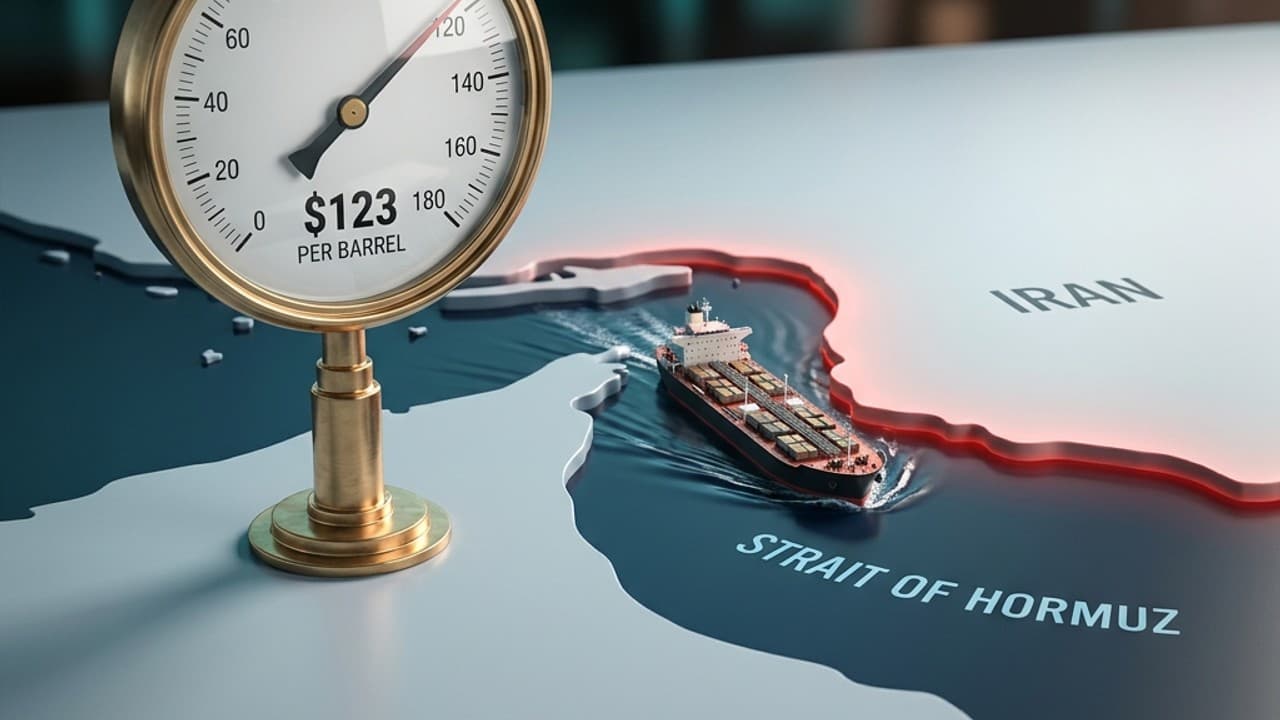
Oil Surges Past $123 on US Military Action Reports Against Iran
Global oil prices surged past $123 per barrel on Thursday following reports that the United States is actively considering military options to break a prolonged diplomatic deadlock with Iran, injecting acute geopolitical risk premium into energy markets and sending shockwaves across commodity, equity, and currency markets worldwide. The reports, which emerged from US media citing officials familiar with internal deliberations, indicated that the Biden-era diplomatic framework has effectively stalled and that the Trump administration is now evaluating a range of kinetic options.