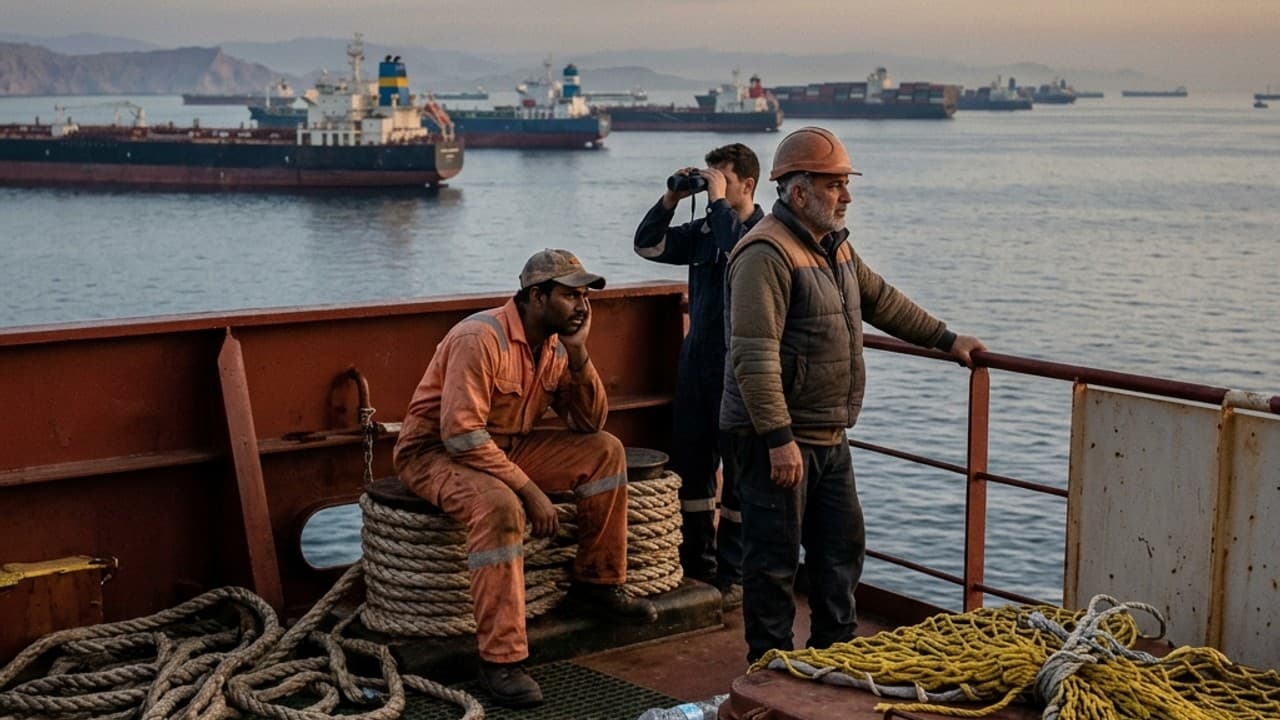
Hormuz Closure Leaves Stranded Sailors in Deepening Humanitarian Crisis
The closure of the Strait of Hormuz has compounded a humanitarian crisis for thousands of seafarers stranded aboard vessels unable to transit one of the world's most critical maritime chokepoints. Sailors from multiple nationalities, including a significant number of Pakistanis who form a substantial portion of the global maritime labour force, are reported to be in deteriorating conditions as supply disruptions and crew rotation failures mount.
The Strait of Hormuz carries approximately twenty percent of global oil trade and is the primary egress route for Gulf energy exports. Its closure, tied to regional conflict dynamics involving Iran, has halted or rerouted hundreds of commercial vessels, with many anchored in holding positions for weeks. Crew members are reportedly running low on provisions in some cases, with relief vessels unable to reach affected ships and port access denied or logistically impossible.
The International Maritime Organisation and shipping industry bodies have called for humanitarian corridors to allow crew rotation and emergency resupply, but geopolitical constraints have so far prevented meaningful progress. Pakistan's maritime community, represented by thousands of seafarers employed on international vessels, is particularly exposed to the crisis given the high concentration of Pakistani nationals in global merchant fleet operations.
The wider economic impact of the Hormuz closure is being felt in energy markets globally, with oil price volatility adding pressure to import-dependent economies such as Pakistan. For Islamabad, the crisis has both a human dimension — the welfare of its seafaring citizens — and a macroeconomic dimension tied to elevated energy import costs at a time when the country is still navigating a fragile stabilisation path.
Similar Stories
Background and related coverage on this story.

Congressional Report Details Loss of 42 US Aircraft in Iran Campaign
A congressional report has disclosed that the United States lost 42 aircraft during its military campaign against Iran, marking the most detailed official accounting of American losses in the conflict to date. The report, tabled before Congress, provides a granular breakdown of the aerial assets destroyed or rendered inoperable, offering lawmakers and the public a clearer picture of the military cost of the operation.
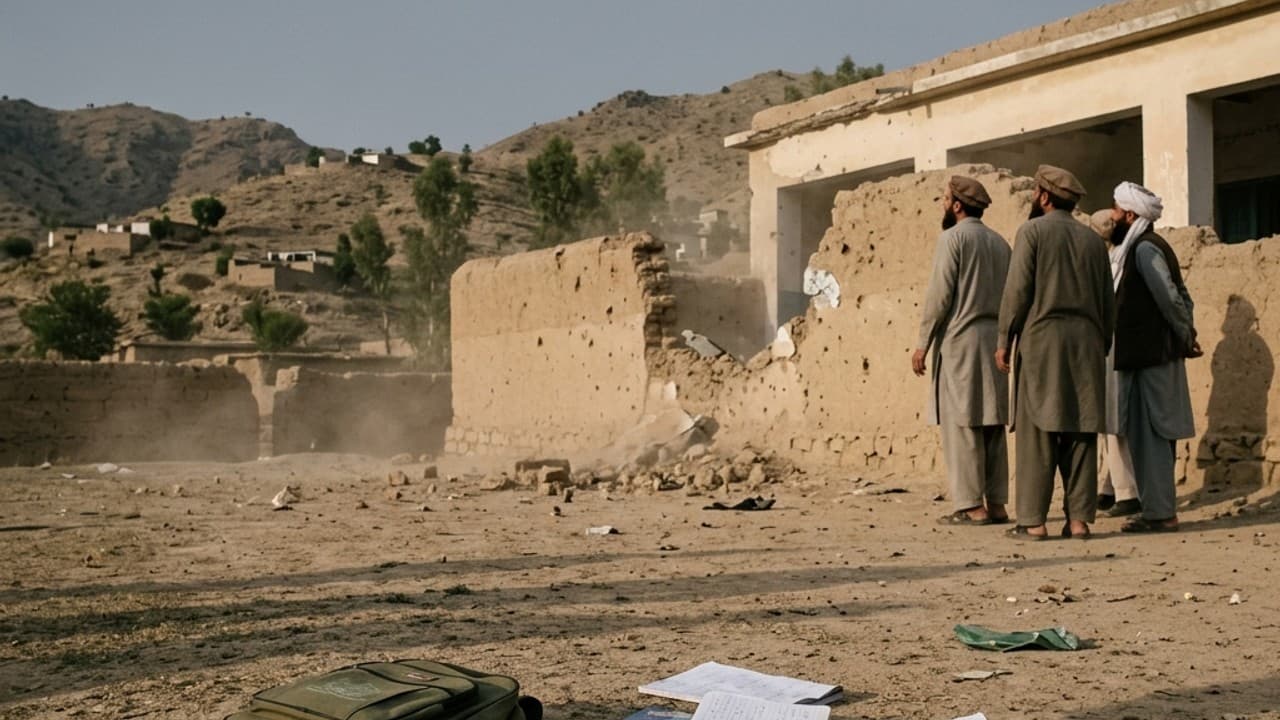
Quadcopter Attack Kills Two Schoolchildren in KP's Bajaur
A quadcopter drone attack in the Bajaur district of Khyber Pakhtunkhwa killed two schoolchildren on Thursday, in a strike that has drawn immediate condemnation and raised urgent questions about the expanding use of aerial drones by militant actors in Pakistan's tribal belt. The attack, which targeted civilians rather than any security installation, marks a disturbing escalation in the deployment of commercially available quadcopter technology for lethal purposes in the region.

Russia Strikes Ukraine Danube Port as Ukraine Launches Drone Attack on Moscow
Russian forces conducted a strike on a Ukrainian port facility along the Danube River on Tuesday, targeting critical grain export infrastructure in one of Ukraine's key alternative shipping corridors, as Ukrainian forces simultaneously launched a drone offensive directed toward Moscow. The dual escalation marks a significant intensification of the conflict on both conventional and asymmetric fronts.
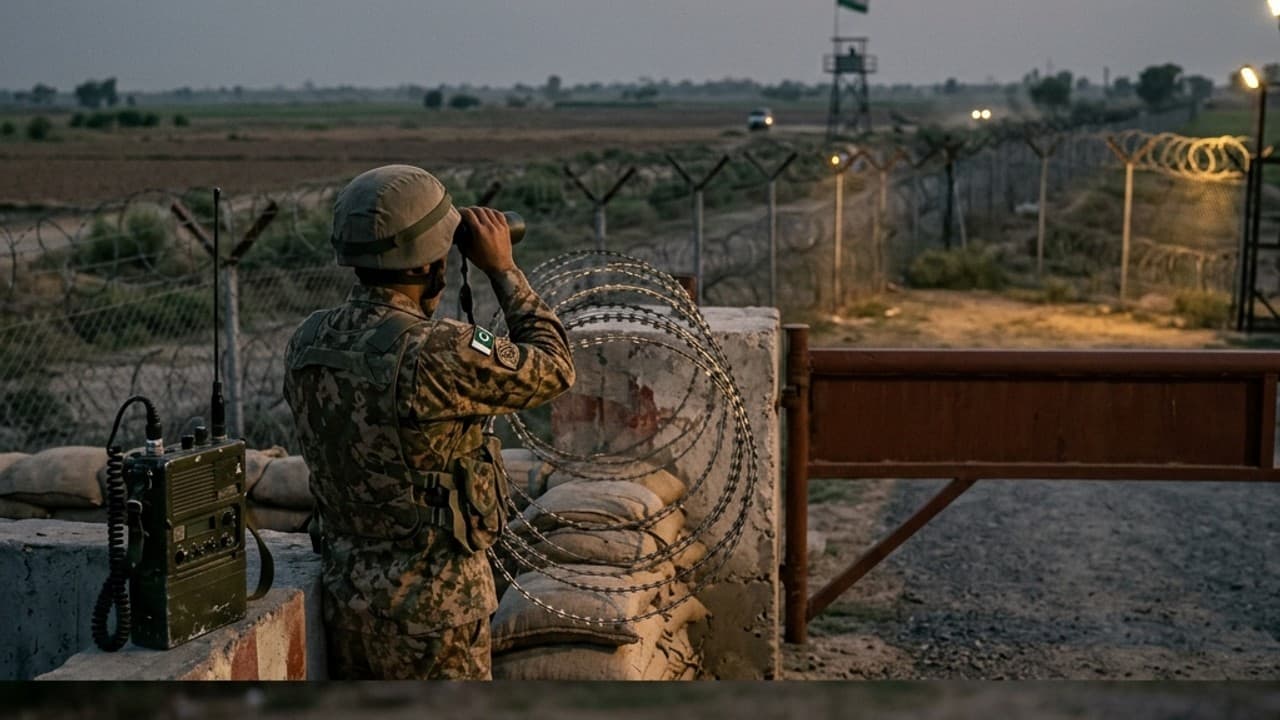
Pakistan Warns India of Historical Consequences Over Any Military Misadventure
Pakistan has issued a stark warning to India, stating that any military misadventure against the country would relegate India to the pages of history. The statement signals an escalation in rhetorical posturing amid already heightened bilateral tensions between the two nuclear-armed neighbours.
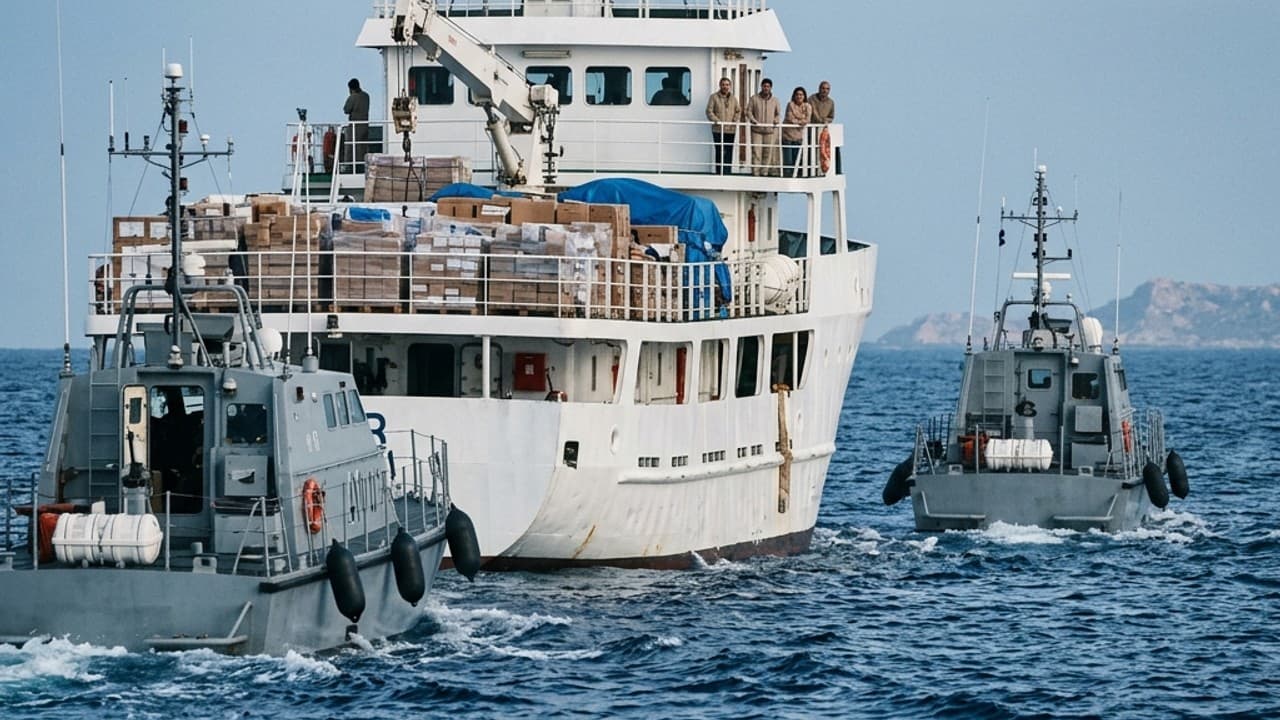
Israeli Forces Intercept Gaza-Bound Flotilla Near Cyprus
Israeli naval forces have intercepted a Gaza-bound humanitarian flotilla in international waters near Cyprus, according to organisers aboard the fleet, marking a sharp escalation in tensions over maritime access to the besieged enclave. The interception represents a direct confrontation between Israeli defence assets and civilian aid vessels operating under international humanitarian mandates.
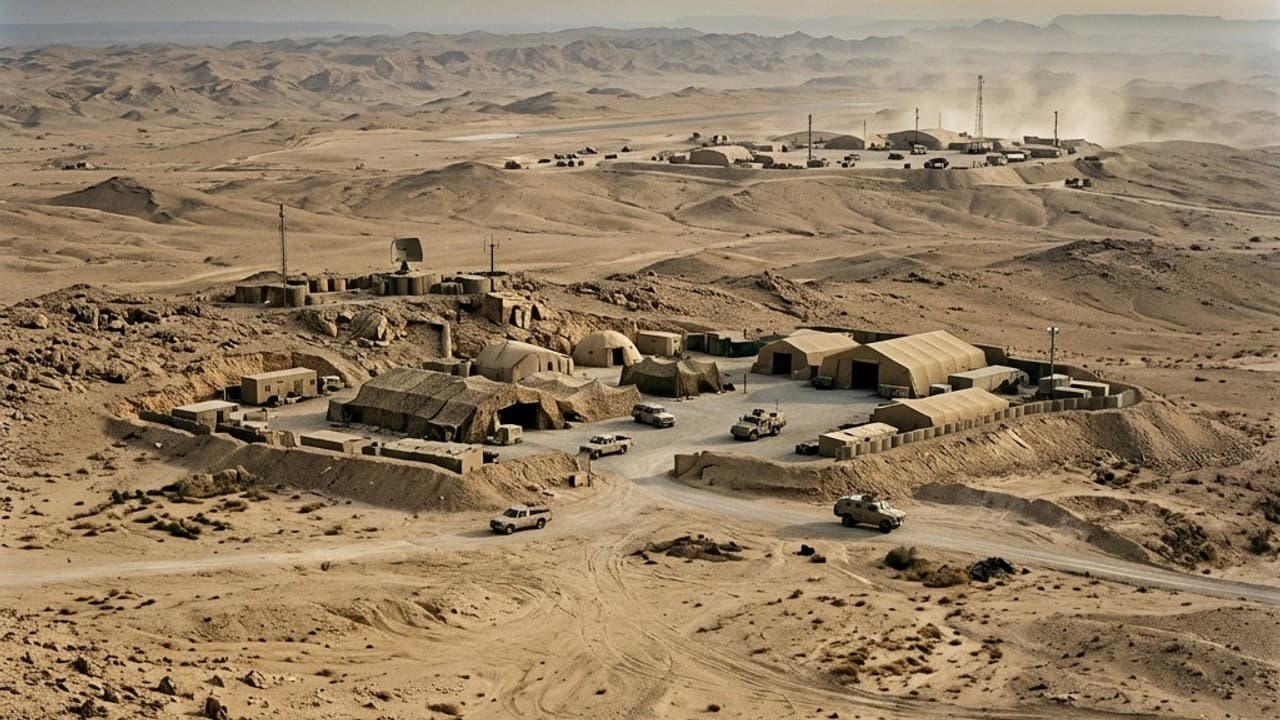
Israel Ran Two Covert Bases in Iraqi Desert, NYT Reports
Israel secretly operated two covert military bases in the Iraqi desert, according to an investigative report published by The New York Times. The revelation represents a significant disclosure about Israeli operational reach into Arab territory and is likely to reverberate across regional diplomatic and security calculations.