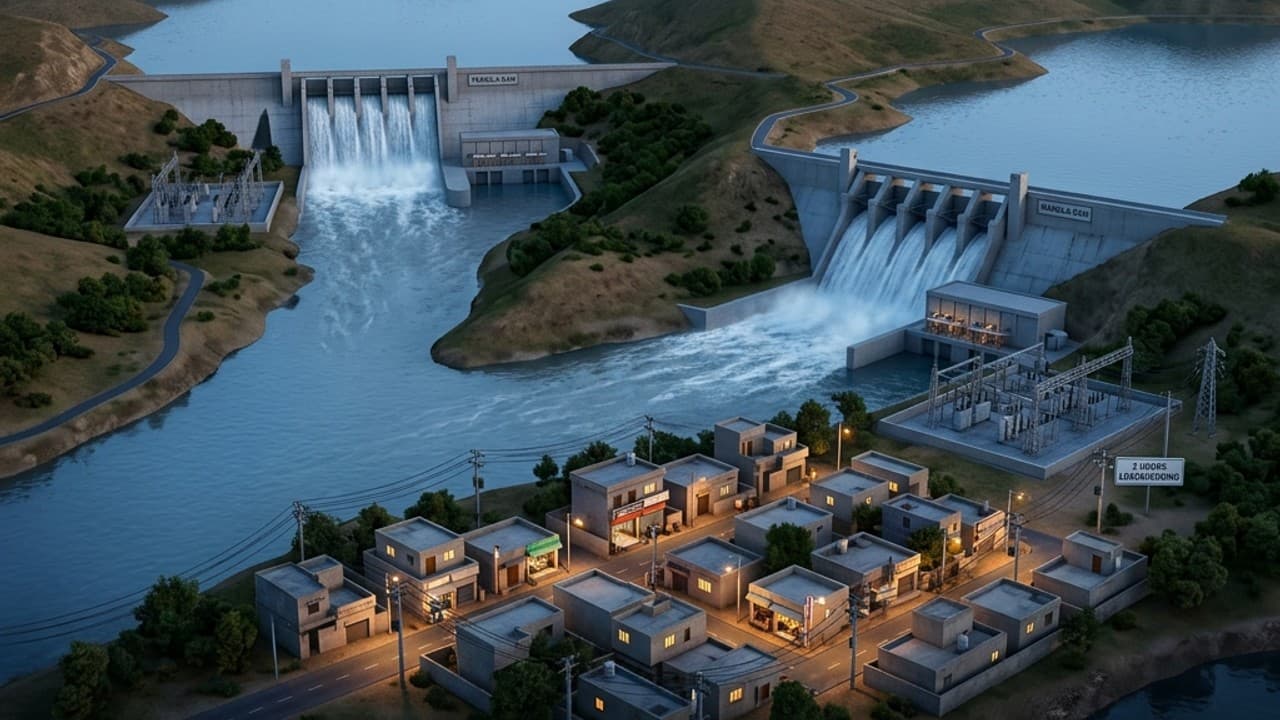
Hydel Surge Limits Load Shedding to Two Hours, Power Division Says
Pakistan's Power Division has announced that improved hydroelectric generation has enabled distribution companies to cap load management at two hours, offering temporary relief to consumers ahead of peak summer demand.
The increase in hydel output follows seasonal water inflows into major reservoirs, boosting generation capacity at Tarbela, Mangla, and other key facilities. The Power Division confirmed the directive to all DISCOs, instructing them to maintain load-shedding schedules within the prescribed two-hour ceiling.
The development marks a modest improvement from the extended outages that have plagued urban and rural consumers in recent weeks. Officials attributed the gains to higher-than-expected snowmelt flows and adequate reservoir levels at this stage of the season.
However, energy analysts caution that the relief may be short-lived, as peak summer demand typically outpaces available supply by a significant margin. The government faces continued structural challenges in the power sector, including circular debt pressures and transmission losses that constrain effective distribution even when generation is adequate.
Similar Stories
Background and related coverage on this story.
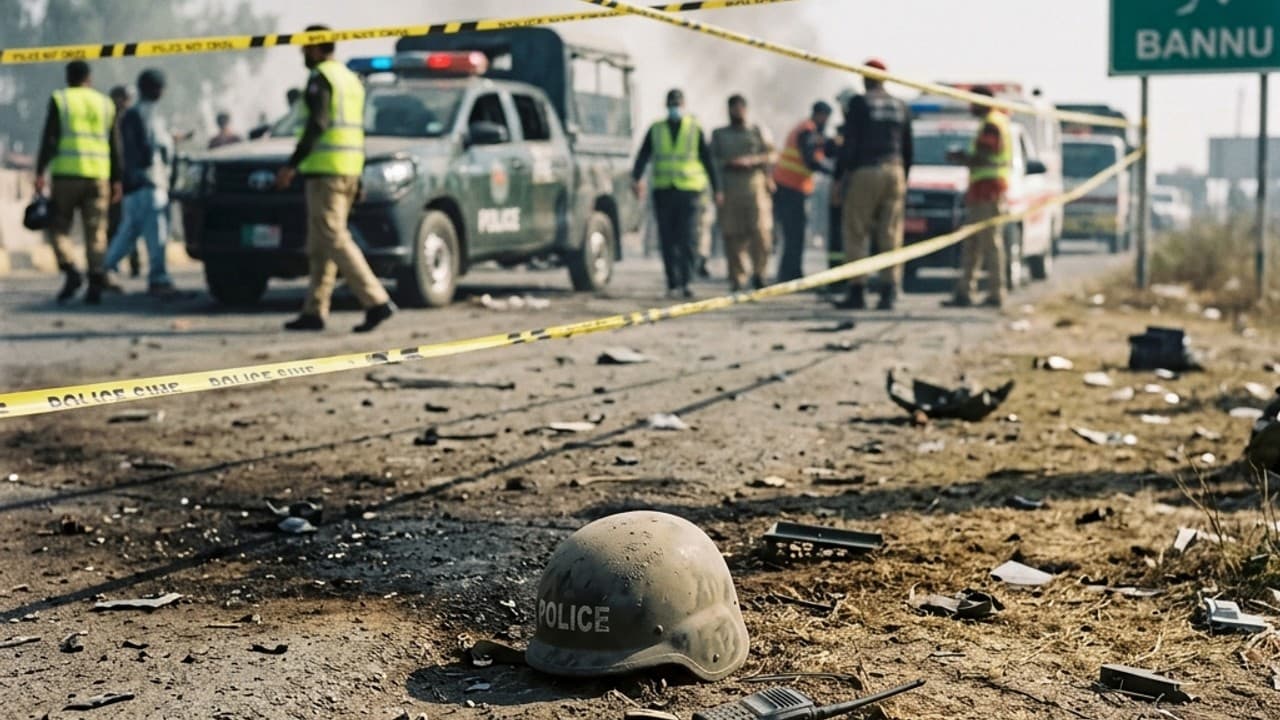
Suicide Bomb Attack Kills 15 Police Officers in Bannu
A suicide bomb attack in Bannu, Khyber Pakhtunkhwa, has claimed the lives of at least 15 police personnel, in one of the deadliest targeted strikes against law enforcement in the region this year. The attack underscores the persistent and grave security threat facing security forces in Pakistan's restive border districts.
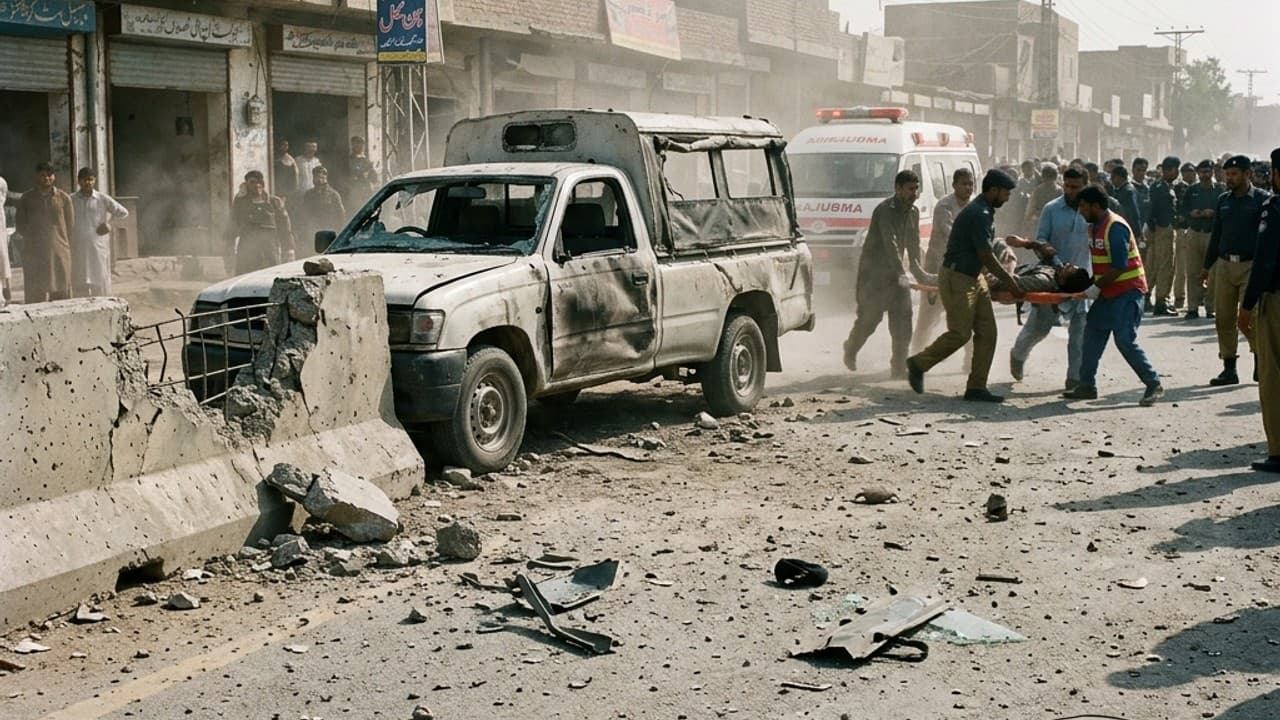
Suicide Bomber Kills At Least 15 Police Officers in Bannu
At least 15 police personnel were martyred on Sunday in a suicide bombing attack in Bannu, Khyber Pakhtunkhwa, in one of the deadliest single strikes against law enforcement in the region in recent months. The attack, which targeted a police contingent, marks a significant escalation in militant violence against security forces in the volatile southern KPK district.
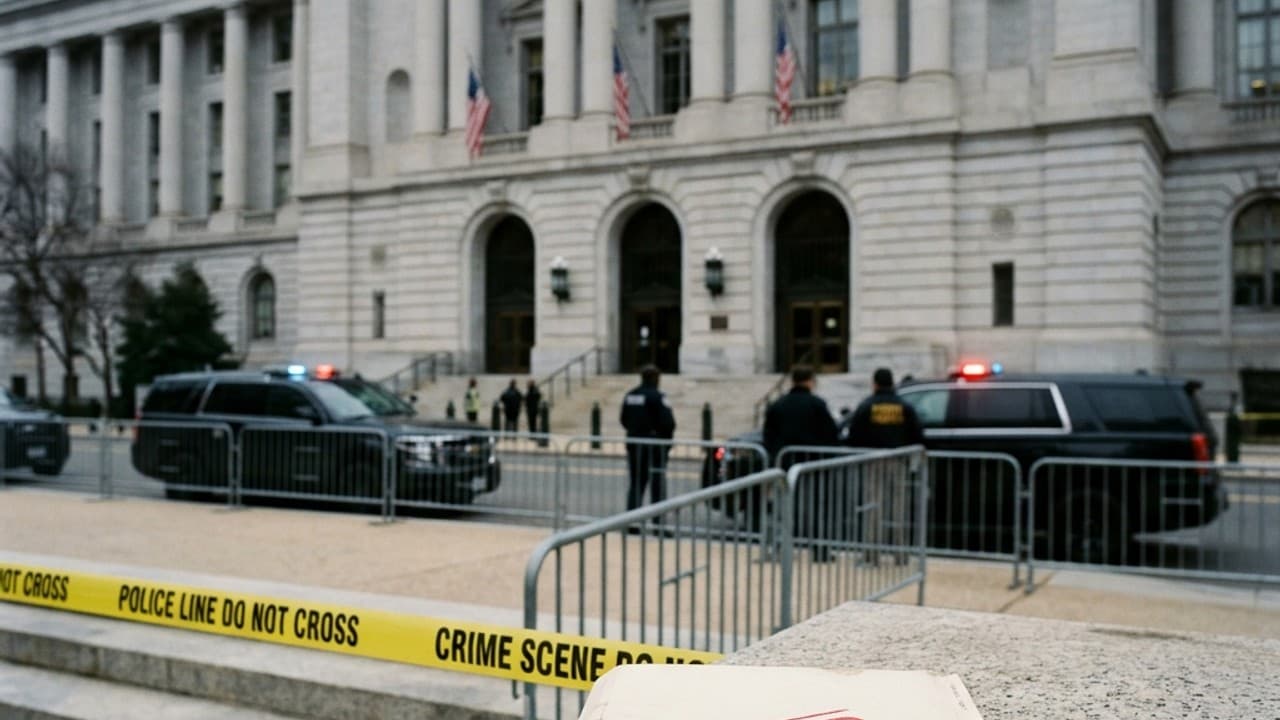
Washington Dinner Shooter Charged with Attempting to Assassinate Trump
A suspect in a shooting that took place at a Washington dinner event has been formally charged with attempting to assassinate United States President Donald Trump, in what authorities are treating as one of the most serious threats to a sitting American president in recent memory. The charges mark a significant escalation in the legal proceedings following the incident.
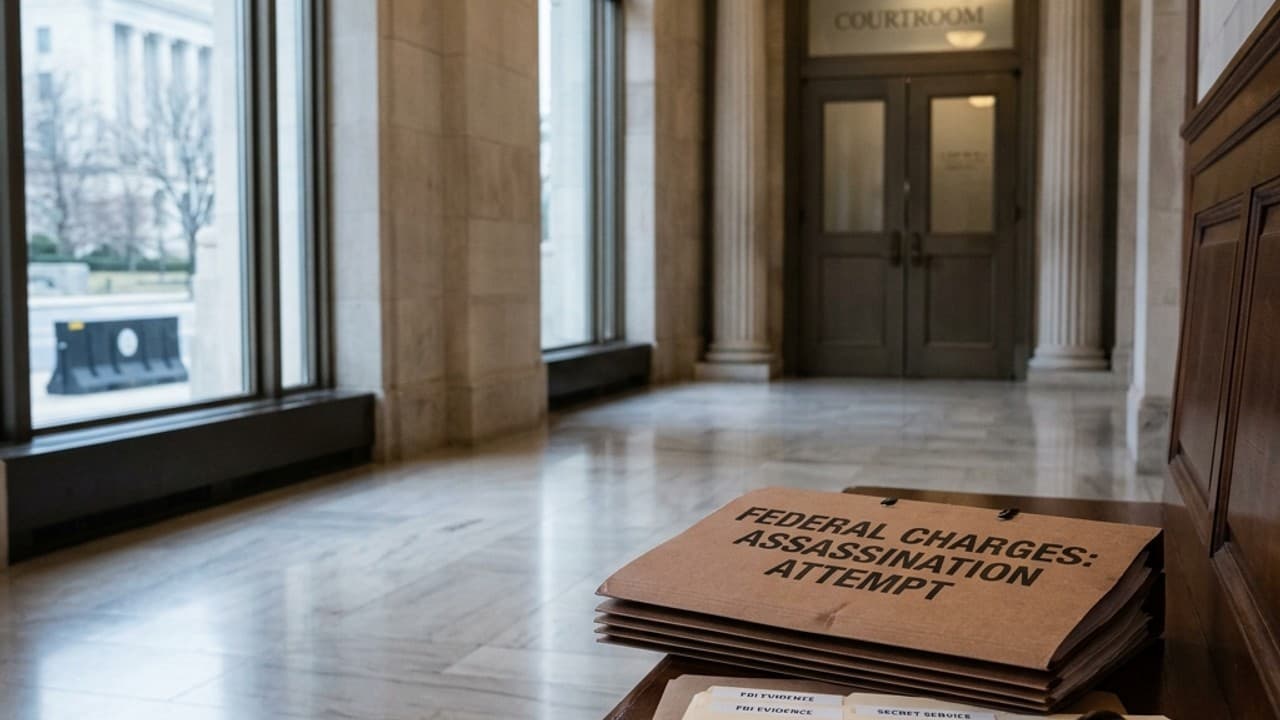
Washington Dinner Shooting Suspect Charged with Trump Assassination Attempt
In a new development, the suspect linked to the shooting at a Washington dinner event has been formally charged with attempting to assassinate US President Donald Trump, elevating the legal status of the case from a firearms incident to a federal assassination attempt charge, one of the most serious offences under American law. The charge marks a significant escalation in the case, which had previously been covered as a shooting incident at a social event in the capital.
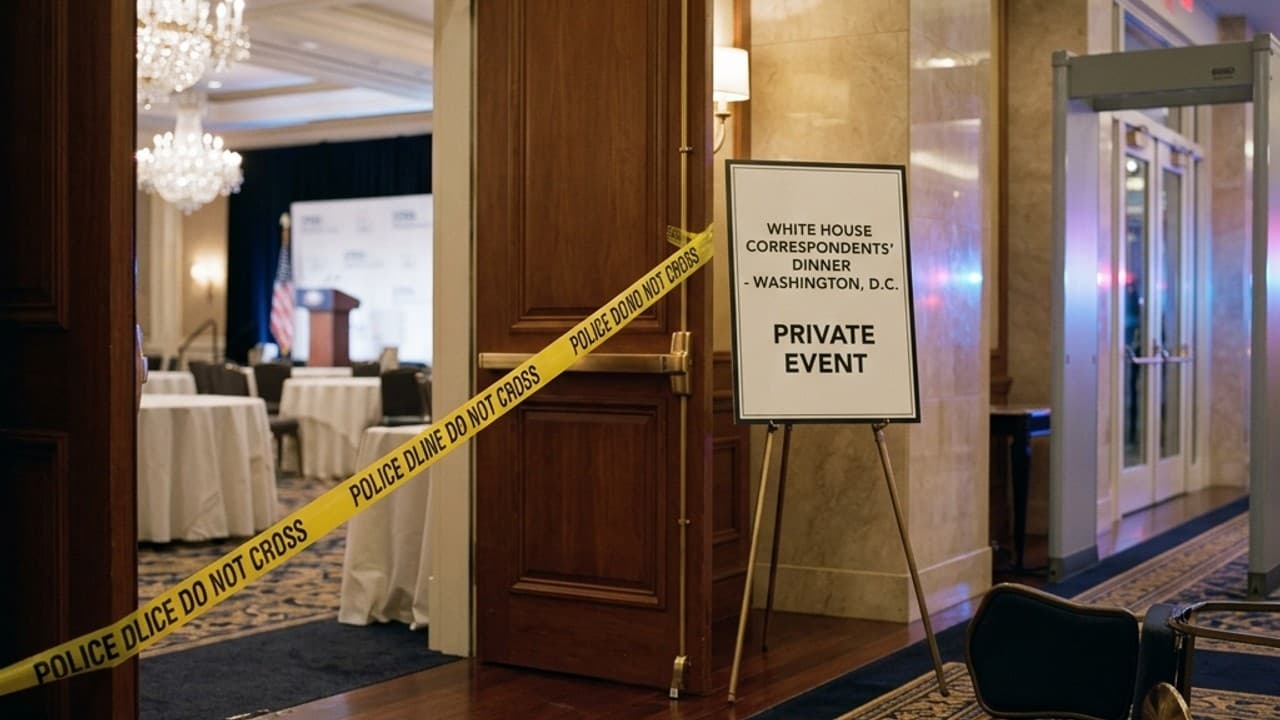
Trump Named Likely Target in White House Correspondents' Dinner Shooting
A United States official has confirmed that President Donald Trump was the likely intended target of a shooting incident that occurred at or near the White House Correspondents' Dinner, a high-profile annual event attended by senior government figures, journalists, and public personalities. The disclosure marks a severe escalation in concerns over the security of the sitting US president.
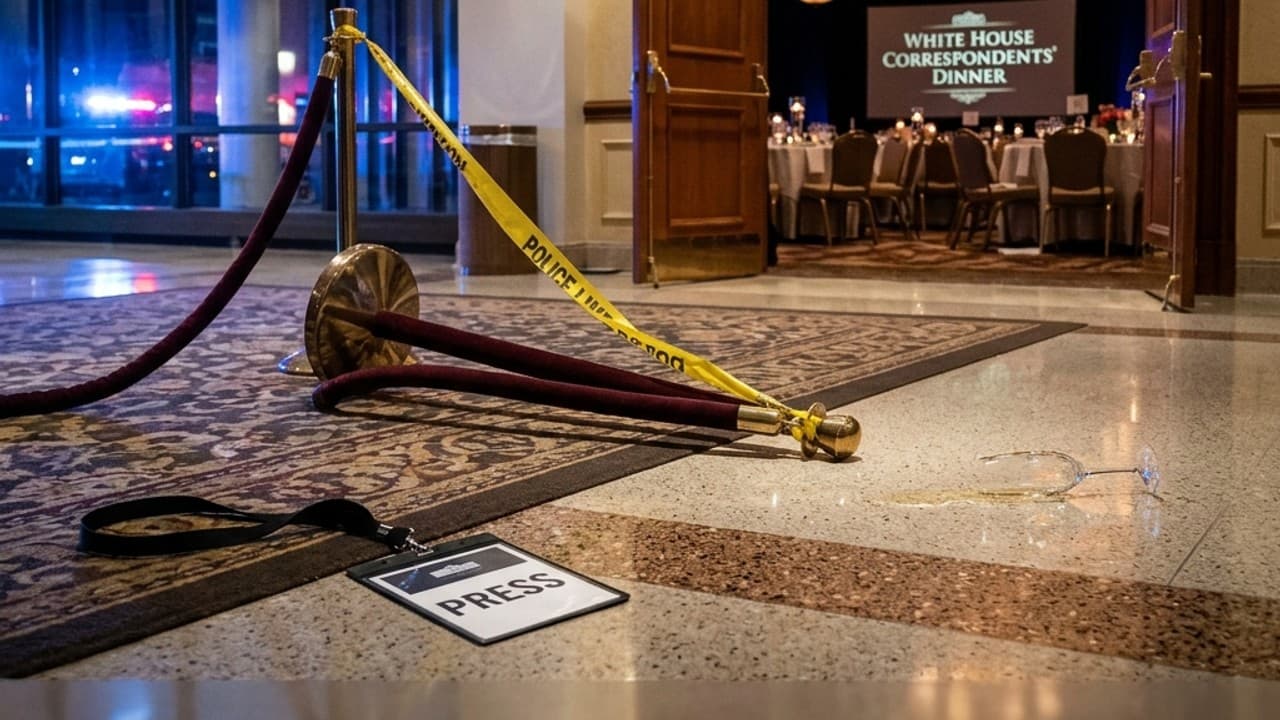
Gunman Targets Trump Officials at White House Correspondents' Dinner
A gunman believed to be targeting senior officials of the Trump administration opened fire at or near the White House Correspondents' Dinner on Sunday, according to a senior US official and the US Attorney General. The attack represents one of the most serious security incidents involving top American leadership in recent memory, with investigators confirming the apparent intent to target the President and his cabinet-level officials.