
IMF Executive Board Approves $1.2 Billion for Pakistan Reform Programme
The International Monetary Fund's Executive Board has approved $1.2 billion in financing for Pakistan under the country's ongoing reform programme, delivering a significant vote of confidence in Islamabad's economic management at a critical juncture.
The disbursement is tied to Pakistan's adherence to fiscal and structural reform benchmarks negotiated with the Fund. Approval by the Executive Board represents the culmination of a staff-level review process that examined Pakistan's progress on revenue mobilisation, energy sector adjustments, and macroeconomic stabilisation.
The tranche provides a material boost to Pakistan's external account at a time when foreign exchange reserves remain under managed pressure. The funds are expected to underpin rupee stability and bolster market confidence in the near term, with downstream effects likely on the sovereign credit outlook.
For the government in Islamabad, the approval represents validation of a painful reform agenda that has included energy tariff increases, broadened taxation, and expenditure rationalisation. Officials are expected to highlight the development as evidence that Pakistan's macroeconomic trajectory is on track.
The IMF disbursement also carries signalling value for bilateral and multilateral creditors, typically triggering associated financing from development partners. Pakistan's finance ministry is expected to issue a formal statement welcoming the Board's decision and reaffirming commitments to the programme's structural benchmarks.
Similar Stories
Background and related coverage on this story.
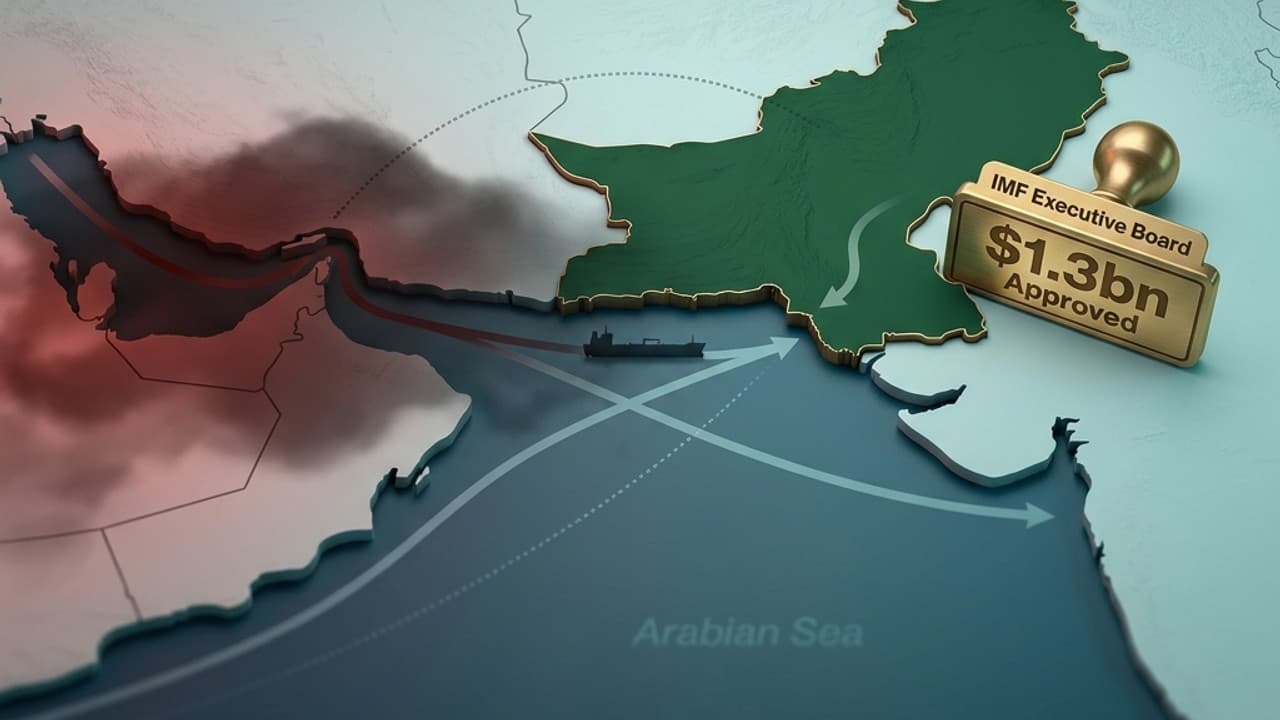
IMF Approves $1.3bn for Pakistan, Warns of Middle East War Risks
The International Monetary Fund's Executive Board has approved $1.3 billion in financing for Pakistan under its ongoing reform programme, providing a critical lifeline to an economy navigating persistent fiscal pressures and an uncertain external environment. The disbursement marks a significant milestone in Pakistan's engagement with the Fund, reflecting continued compliance with agreed benchmarks on fiscal consolidation, monetary tightening, and structural reforms.
IMF Board Approves $1.32 Billion Tranche for Pakistan
The International Monetary Fund's executive board has approved a disbursement of $1.32 billion for Pakistan, providing a critical injection of external financing as the country continues to stabilise its balance of payments position. The tranche approval follows a successful programme review and signals the Fund's continued confidence in Pakistan's economic adjustment trajectory.
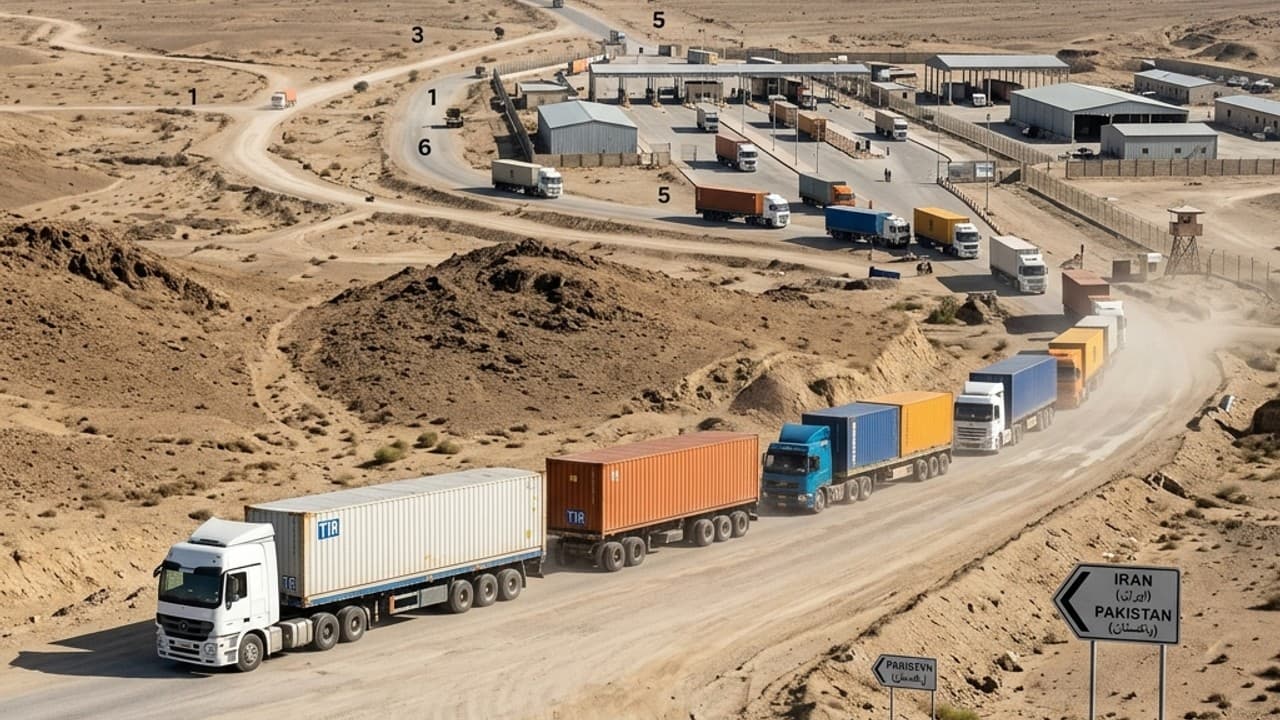
Pakistan Opens Six Land Routes for Trade with Iran Amid Hormuz Blockade
Pakistan has formally notified six overland routes for the transportation of goods to Iran as the blockade of the Strait of Hormuz and the disruption of Iranian ports continues to sever Tehran's access to maritime trade. The notification represents a substantive policy decision by Islamabad to activate alternative land corridors in response to one of the region's most serious logistical crises in years.

UN Warns Iran-Israel War Could Push 30 Million Back Into Poverty
The United Nations has issued a stark warning that the ongoing military conflict between Israel, the United States, and Iran risks pushing more than 30 million people back into poverty, with the greatest impacts expected in import-dependent developing nations and conflict-proximate economies across the Middle East and South Asia. The UN's assessment highlights the cascading economic consequences of the war, including the disruption of global oil supplies, soaring energy prices, supply chain fragmentation, and the collapse of trade routes through the Strait of Hormuz.
Pakistan to Launch Debut Panda Bond on Chinese Capital Market
Finance Minister Muhammad Aurangzeb announced on Sunday that Pakistan will issue its first-ever Panda bond on the Chinese capital market next week, marking a landmark step in Islamabad's strategy to diversify its external financing sources beyond traditional dollar-denominated instruments. A Panda bond is a renminbi-denominated debt instrument issued by a foreign entity in China's onshore bond market.

Government Hikes Petroleum Levy on Petrol and Diesel to Satisfy IMF
The federal government has raised the petroleum levy on petrol and diesel in a move directly linked to conditions set by the International Monetary Fund, confirming that fiscal adjustments tied to the ongoing IMF programme are being implemented as scheduled. The levy increase is expected to translate into higher fuel prices at the pump, placing additional pressure on consumers and transport-dependent industries already navigating elevated cost-of-living conditions.