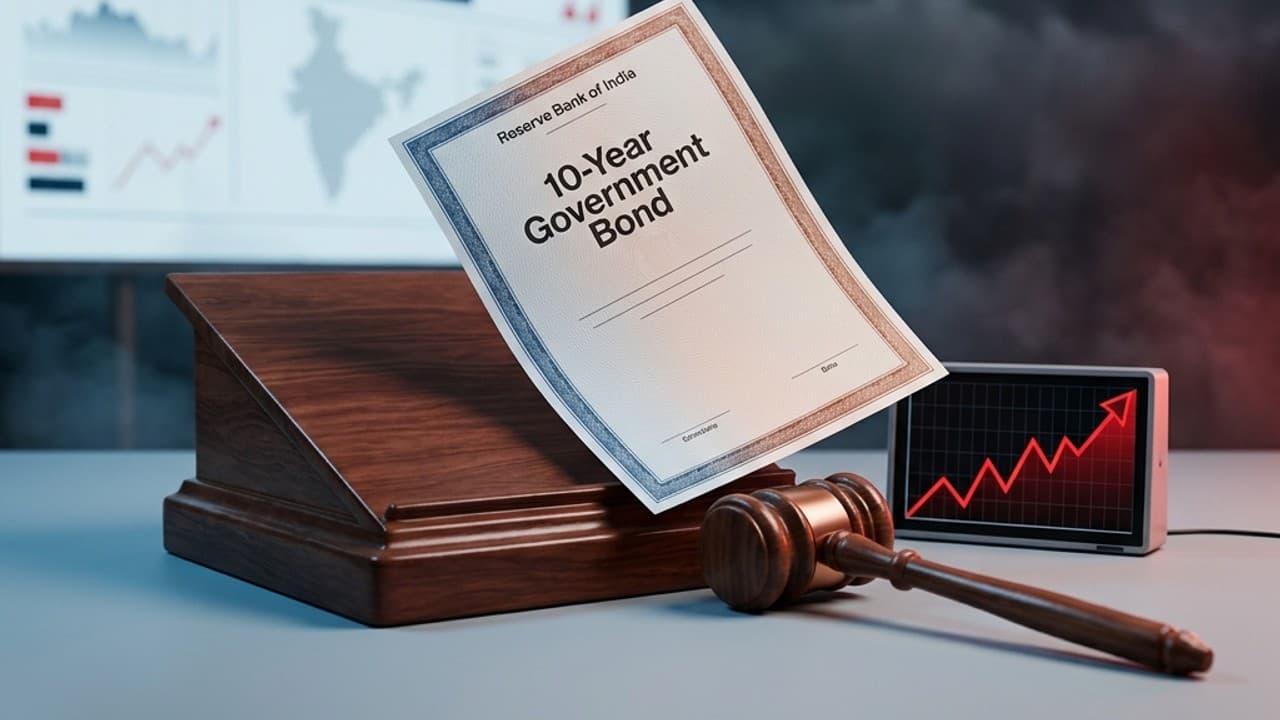
India Bond Market Records Worst Monthly Drop On Auction Rout And War Fears
India's benchmark 10-year government bond recorded its steepest monthly decline on Friday following a weak auction outcome and mounting investor anxiety over regional military tensions. The sell-off drove yields sharply higher, reflecting a marked deterioration in bond market sentiment.
The failed auction outcome, in which investors demanded significantly higher yields than the government's target, signalled that institutional appetite for Indian sovereign debt has weakened materially. Analysts linked the auction rout to a combination of elevated inflation expectations and fiscal concerns compounded by defence spending pressures.
War-related jitters, stemming from escalating India-Pakistan military tensions, have introduced a geopolitical risk premium into Indian financial markets that was largely absent earlier this year. The bond market's reaction suggests investors are beginning to price in the possibility of prolonged regional instability with direct implications for India's fiscal and monetary trajectory.
The Reserve Bank of India faces increasing pressure to manage liquidity and yield conditions in a rapidly deteriorating environment. A continuation of the sell-off could force the central bank into open market operations to arrest the rise in borrowing costs, which would have downstream implications for credit conditions across the economy.
Similar Stories
Background and related coverage on this story.
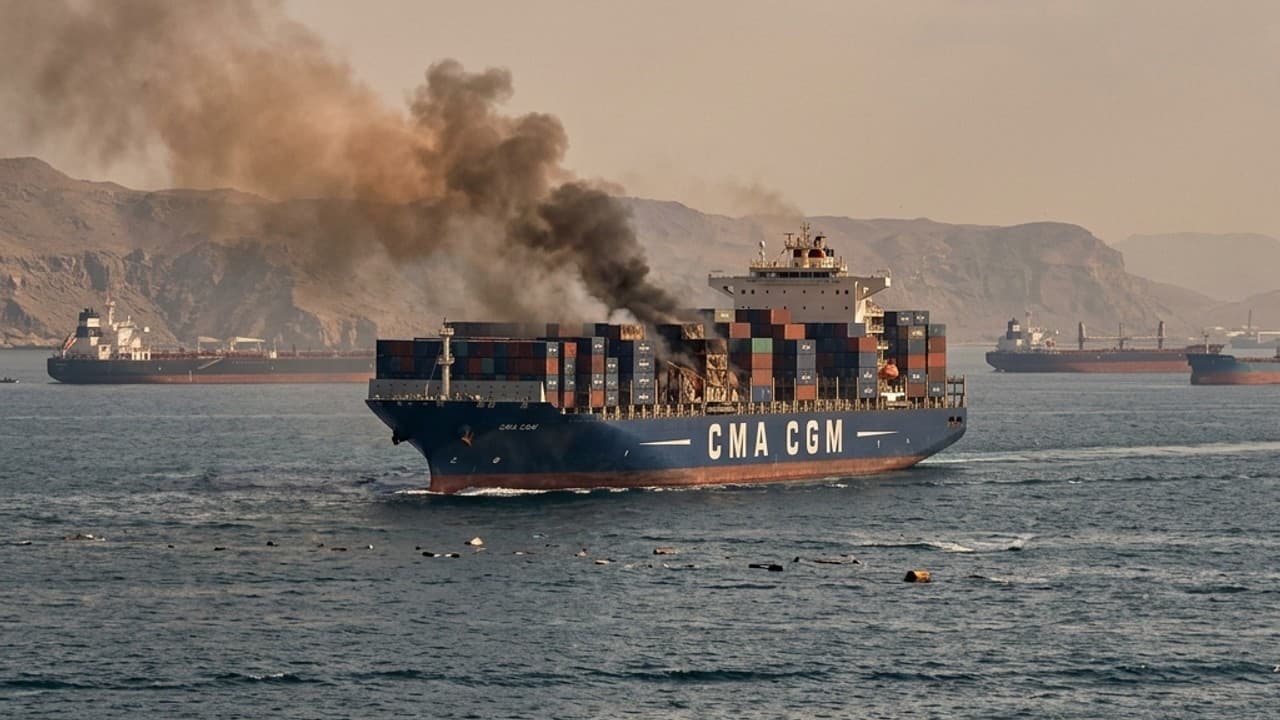
CMA CGM vessel attacked in Hormuz as US-Iran war halts shipping
A vessel operated by French shipping giant CMA CGM has been attacked in the Strait of Hormuz as the United States-Iran war triggers a near-total halt in commercial shipping through one of the world's most critical maritime chokepoints. The attack marks a significant escalation in the commercial cost of the conflict, with implications for global supply chains, energy markets, and insurance regimes.

UAE Withdraws from OPEC as Oil Cartel Tensions Reach Breaking Point
The United Arab Emirates has quit the Organisation of the Petroleum Exporting Countries, in a seismic development for global oil markets that ends the UAE's decades-long membership in the cartel and signals deepening fractures within OPEC's production coordination framework. The withdrawal is expected to trigger significant volatility in global crude prices.
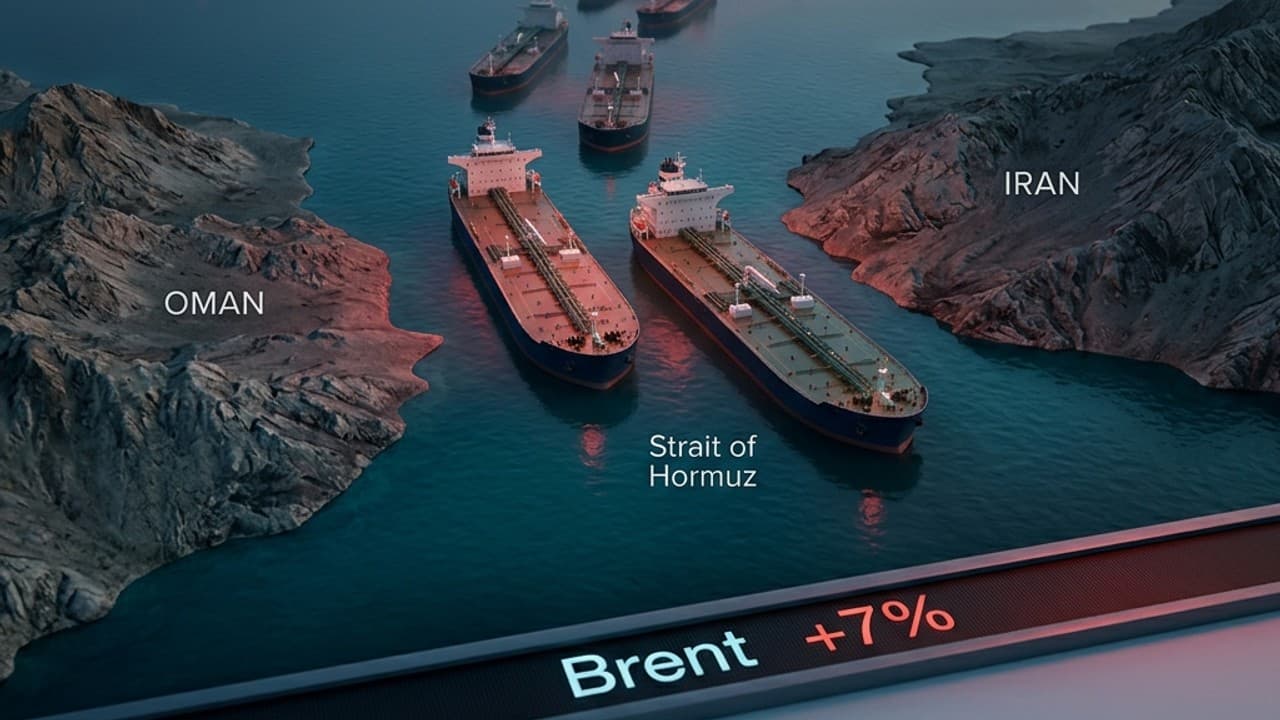
Brent Oil Surges 7% on Reports of US Military Options Against Iran
Brent crude oil prices surged approximately seven percent on Thursday after reports emerged that the United States is actively considering military options to break a deadlock with Iran, sending shockwaves through global energy markets already on edge from prolonged Middle East conflict. The sharp price movement represents one of the most significant single-session spikes in crude oil in recent memory, reflecting the extreme sensitivity of energy markets to any escalation involving Iran, which sits astride the Strait of Hormuz — the world's most critical oil transit chokepoint.
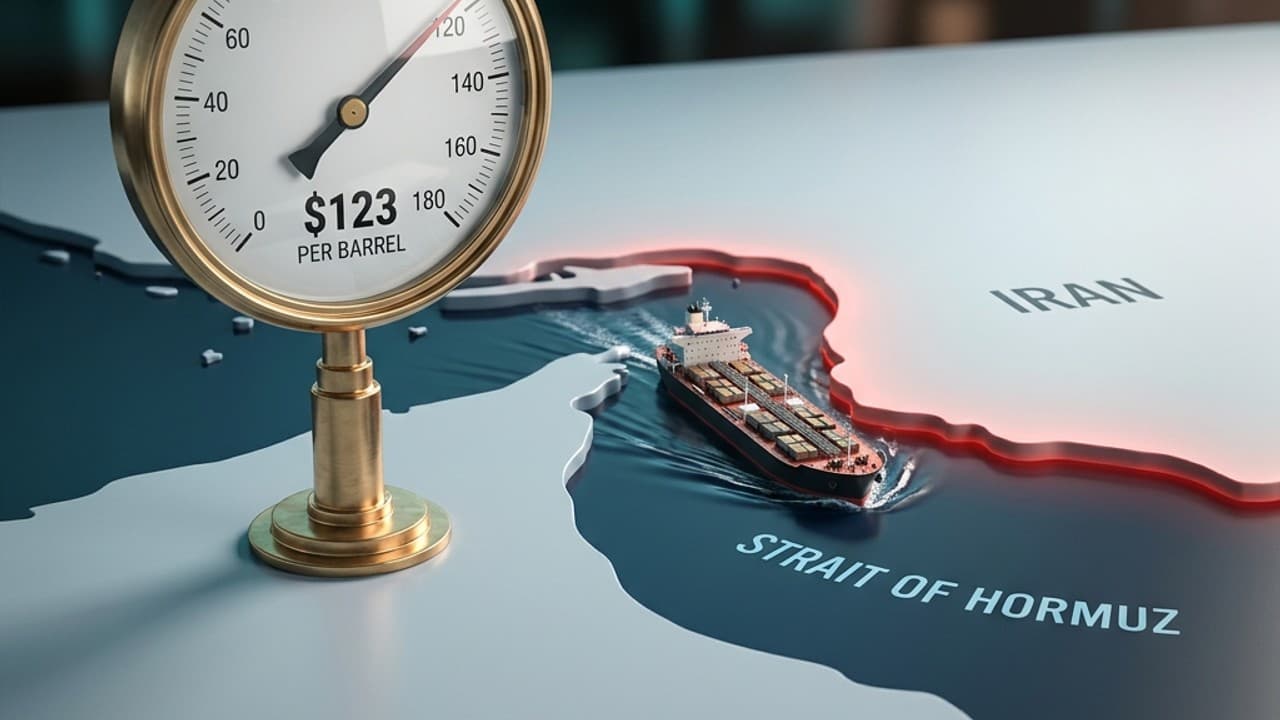
Oil Surges Past $123 on US Military Action Reports Against Iran
Global oil prices surged past $123 per barrel on Thursday following reports that the United States is actively considering military options to break a prolonged diplomatic deadlock with Iran, injecting acute geopolitical risk premium into energy markets and sending shockwaves across commodity, equity, and currency markets worldwide. The reports, which emerged from US media citing officials familiar with internal deliberations, indicated that the Biden-era diplomatic framework has effectively stalled and that the Trump administration is now evaluating a range of kinetic options.

UAE Exits OPEC and OPEC+ in Major Blow to Oil Producers Bloc
The United Arab Emirates has formally withdrawn from both OPEC and the broader OPEC+ alliance, delivering the most consequential structural blow to the global oil producers' grouping in decades. The UAE's departure removes one of the bloc's largest and most productive members at a moment when global oil markets are already under acute stress.
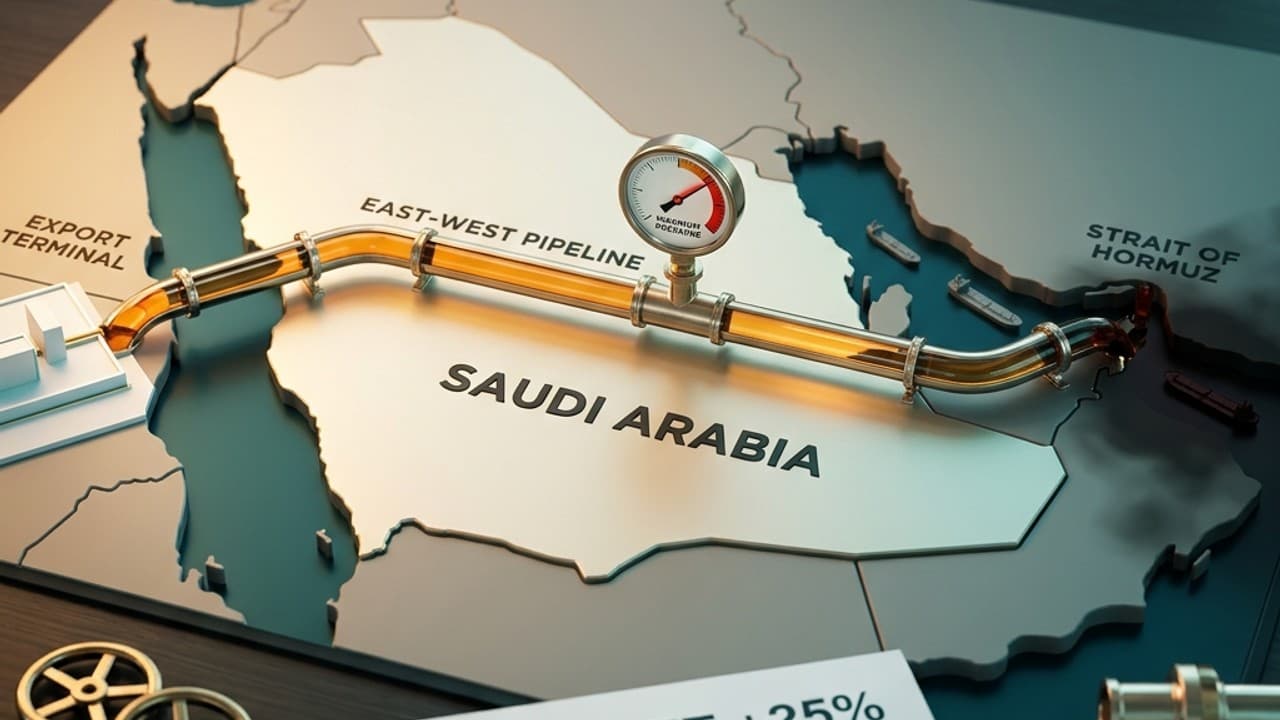
Aramco Q1 Profit Surges 25% as Hormuz Crisis Drives Pipeline Capacity
Saudi Aramco has reported a 25 percent jump in first-quarter profit, driven in large part by surging demand for its overland pipeline capacity as the Strait of Hormuz conflict forces shippers to seek alternative oil export routes. The state energy giant's East-West pipeline, which bypasses the Hormuz chokepoint, has been pushed to full operational capacity as buyers scramble to secure crude supplies unaffected by the ongoing US-Iran hostilities.