
Iran Conflict Triggers Global Energy Market Realignment, US Gas Demand Surges
The ongoing conflict involving Iran is fundamentally reshaping global energy markets, with demand for American natural gas surging as buyers seek alternatives to supplies that transit volatile Middle Eastern corridors. Energy traders and analysts are closely monitoring disruptions to flow routes through the Strait of Hormuz, through which a substantial share of the world's liquefied natural gas and crude oil passes. The shift in demand toward US LNG has accelerated existing trends, with European and Asian buyers moving to lock in long-term contracts with American suppliers. The development has significant consequences for Pakistan, which depends on imported energy and has been navigating its own LNG procurement challenges amid fiscal constraints. Higher global gas prices compound pressure on Pakistan's energy import bill, which remains a key source of current account stress. Analysts warn that a prolonged conflict scenario could sustain elevated energy prices well into the second half of 2026, straining the fiscal positions of import-dependent economies across South Asia.
Similar Stories
Background and related coverage on this story.
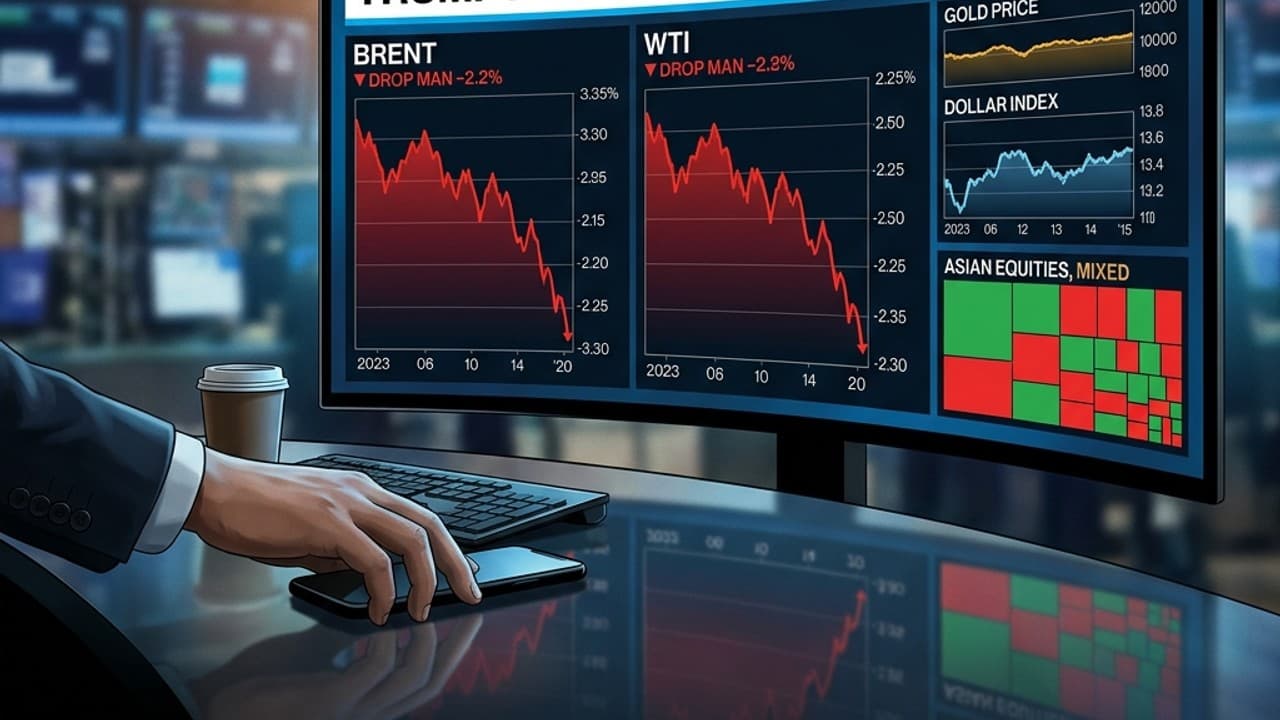
Trump Pauses Iran Attack Plan, Triggering Global Market Reactions
Global financial markets registered sharp movements on Tuesday after United States President Donald Trump announced he had called off a planned military strike against Iran, a decision that sent oil prices down more than two percent, steadied the dollar from recent weakness, and triggered a mixed response across Asian equity and bond markets. Oil prices fell sharply on the announcement, with traders rapidly unwinding risk premiums that had been priced into crude on expectations of a US-Iran military confrontation.
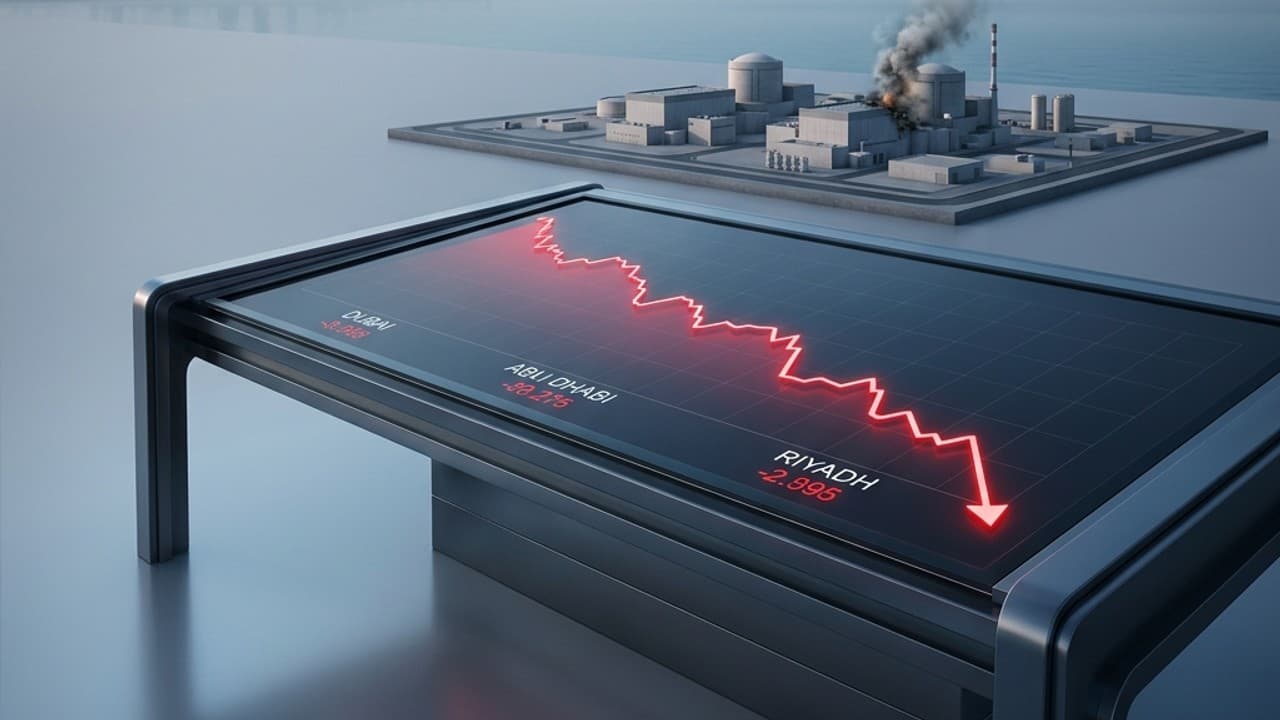
Gulf Markets Plunge After Drone Strike Hits UAE Nuclear Plant
Gulf equity markets tumbled sharply on Monday after a drone strike hit a nuclear energy plant in the United Arab Emirates while Saudi Arabia simultaneously intercepted multiple drones, triggering a severe risk-off reaction across regional bourses and sending investors scrambling for safe haven assets. The scale and nature of the incident — an aerial attack on a civilian nuclear facility — represents one of the most alarming security events in the Gulf in recent years.

Oil Prices Ease After Trump Vows to End Iran War Swiftly
Global oil prices retreated from elevated levels after United States President Donald Trump stated that American forces would end the Iran conflict very quickly, offering markets a degree of reassurance that the military confrontation would not escalate into a prolonged disruption of Gulf energy supply chains. The remarks provided a temporary floor for risk sentiment across energy and currency markets.
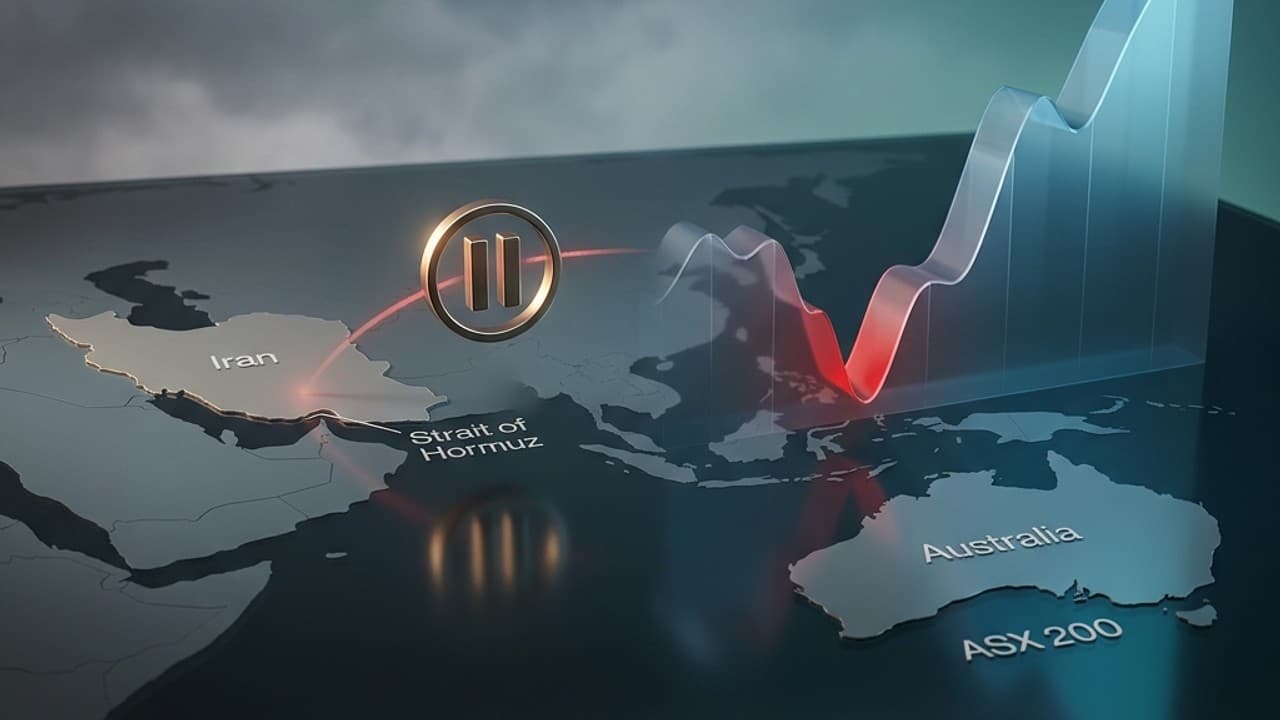
US Delays Iran Strike, Australia Shares Rebound on Peace Deal Hopes
Australian equity markets staged a notable rebound on Tuesday after reports emerged that the United States has delayed a planned military strike on Iran, following appeals from Gulf leaders who urged Washington to allow diplomatic channels to remain open. The prospect of a renewed peace framework eased immediate fears of regional conflict escalation, lifting investor sentiment across Asia-Pacific bourses.

IEA Warns Global Oil Stocks Are Depleting at Alarming Rate
The head of the International Energy Agency issued a stark warning on Monday that global oil stocks are declining at a very fast pace, raising the spectre of supply shortfalls that could further drive up energy prices worldwide. The warning comes against the backdrop of the ongoing Iran conflict, which has disrupted regional oil flows and elevated market uncertainty.
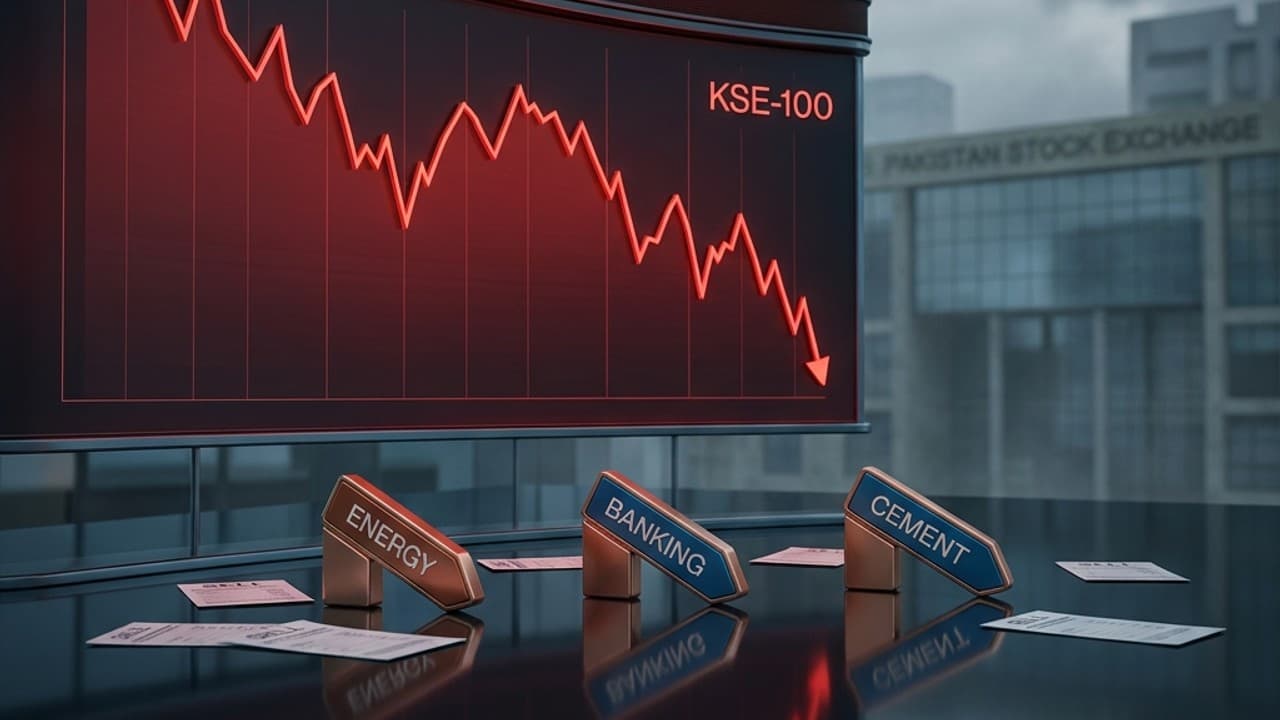
PSX Loses Nearly 3,800 Points as Geopolitical Anxiety Rattles Investors
The Pakistan Stock Exchange suffered a sharp selloff on Monday, with the benchmark KSE-100 index shedding nearly 3,800 points as investors retreated amid heightened geopolitical tensions in the broader region. The decline represents one of the steeper single-session losses recorded in recent months and reflects mounting risk aversion across emerging markets.