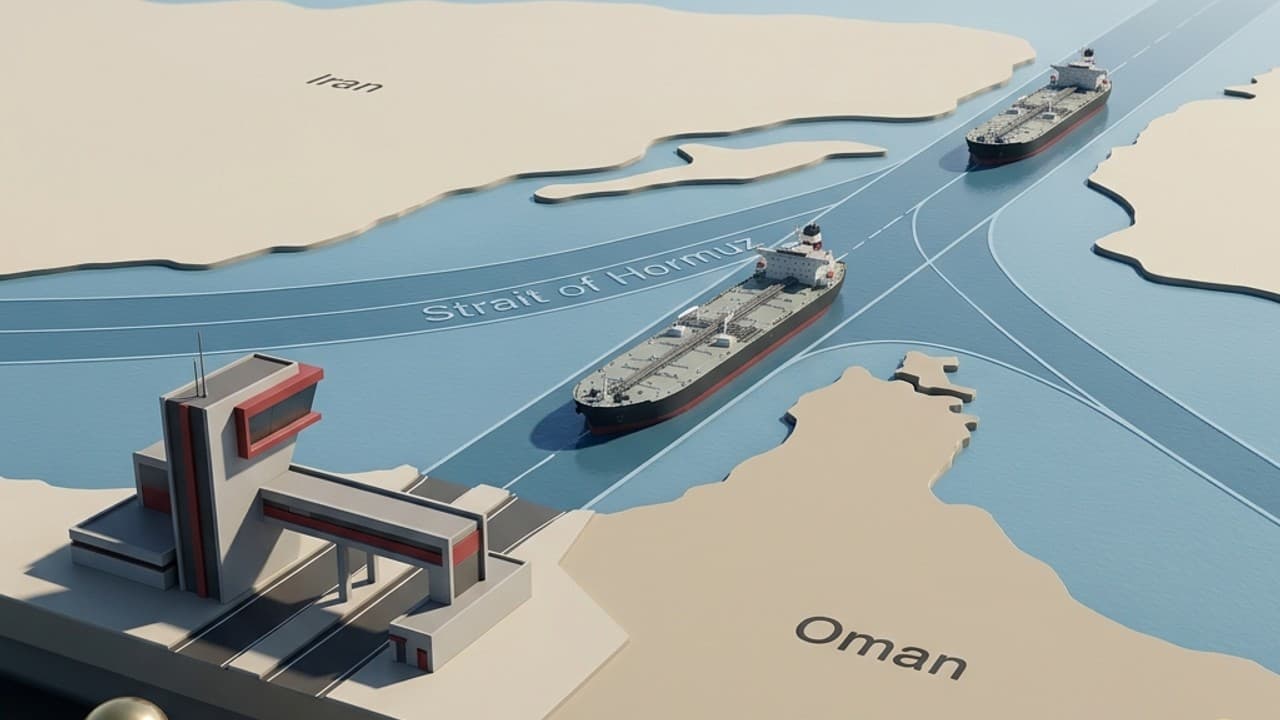
Iran Creates New Body to Govern Strait of Hormuz
Iran has officially announced the establishment of a new administrative body to manage the Strait of Hormuz, the country's Supreme National Security Council confirmed on Monday. The move represents a significant escalation in Tehran's assertion of sovereign authority over one of the world's most strategically critical waterways, through which an estimated 20 percent of global oil trade transits daily.
The announcement comes amid heightened regional tensions and follows months of intensifying geopolitical friction in the Gulf. By formalising institutional control over the strait, Tehran signals its intent to exercise greater regulatory and potentially restrictive authority over commercial and military navigation in the region.
The Strait of Hormuz has long been a flashpoint in Iran's confrontations with Western powers and Gulf states. Any formal Iranian mechanism to govern passage through the strait carries immediate implications for global energy security, shipping insurance premiums, and the diplomatic postures of the United States, Saudi Arabia, and their allies.
Analysts warn that the creation of such a body could be used to justify future interdictions, inspections, or closures under the pretext of administrative authority, adding a new institutional dimension to an already volatile strategic environment. International maritime law, including UNCLOS provisions on transit passage, is expected to be invoked by Western governments in response.
Similar Stories
Background and related coverage on this story.
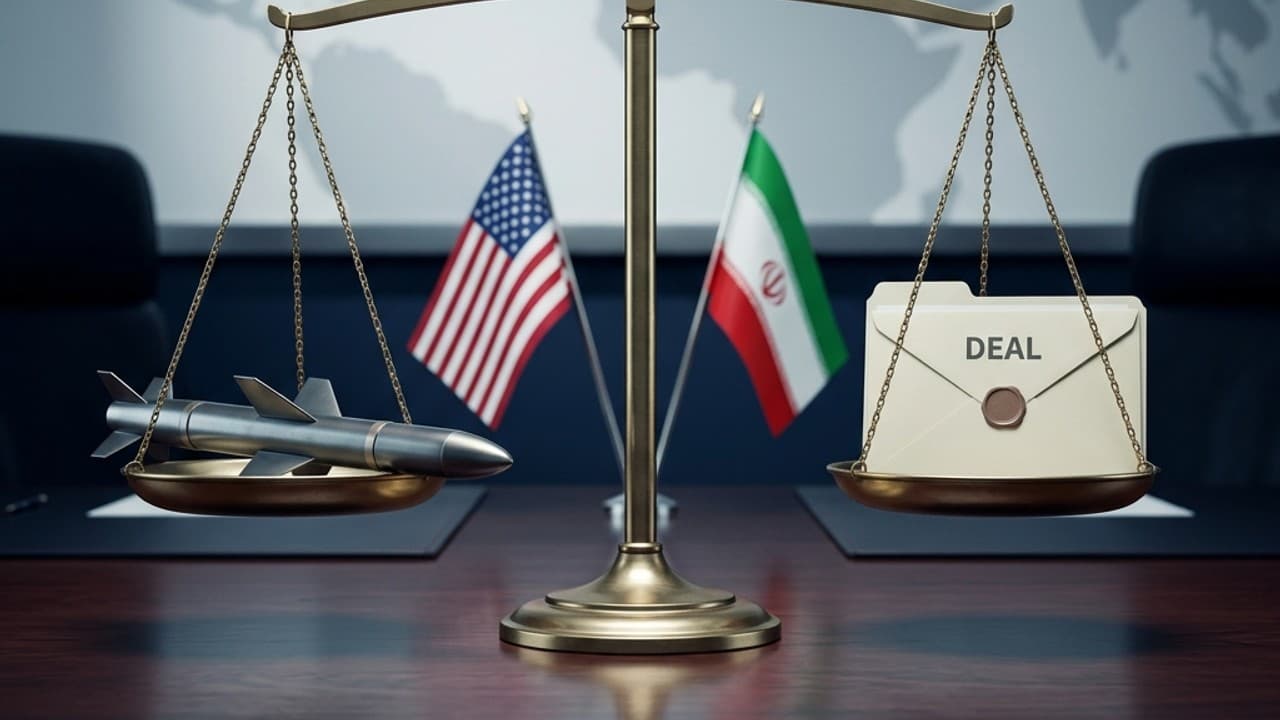
Trump Warns of Fresh Iran Strike as Tehran Signals Deal Interest
United States President Donald Trump has warned that Washington may carry out another military strike against Iran, even as he acknowledged that Tehran has expressed willingness to reach a negotiated agreement. The remarks represent one of the most direct public statements from Trump indicating both military preparedness and diplomatic ambiguity at a moment of acute regional tension.
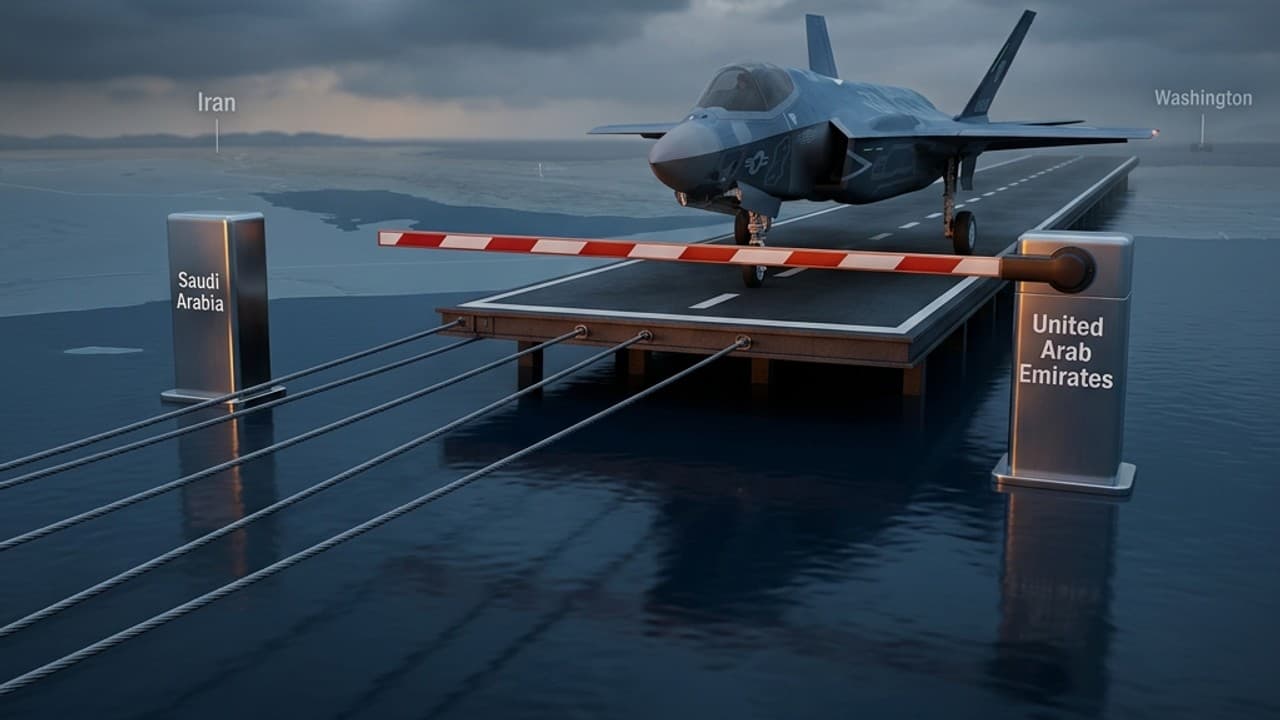
Trump Calls Off Iran Strike After Gulf Leaders Urge Diplomatic Path
US President Donald Trump has called off a planned military strike against Iran following direct appeals from Gulf leaders who urged Washington to exhaust diplomatic options before resorting to force. The decision marks a significant moment in the escalating Iran-US standoff, temporarily stepping back from the brink of what could have been a major regional military conflict.
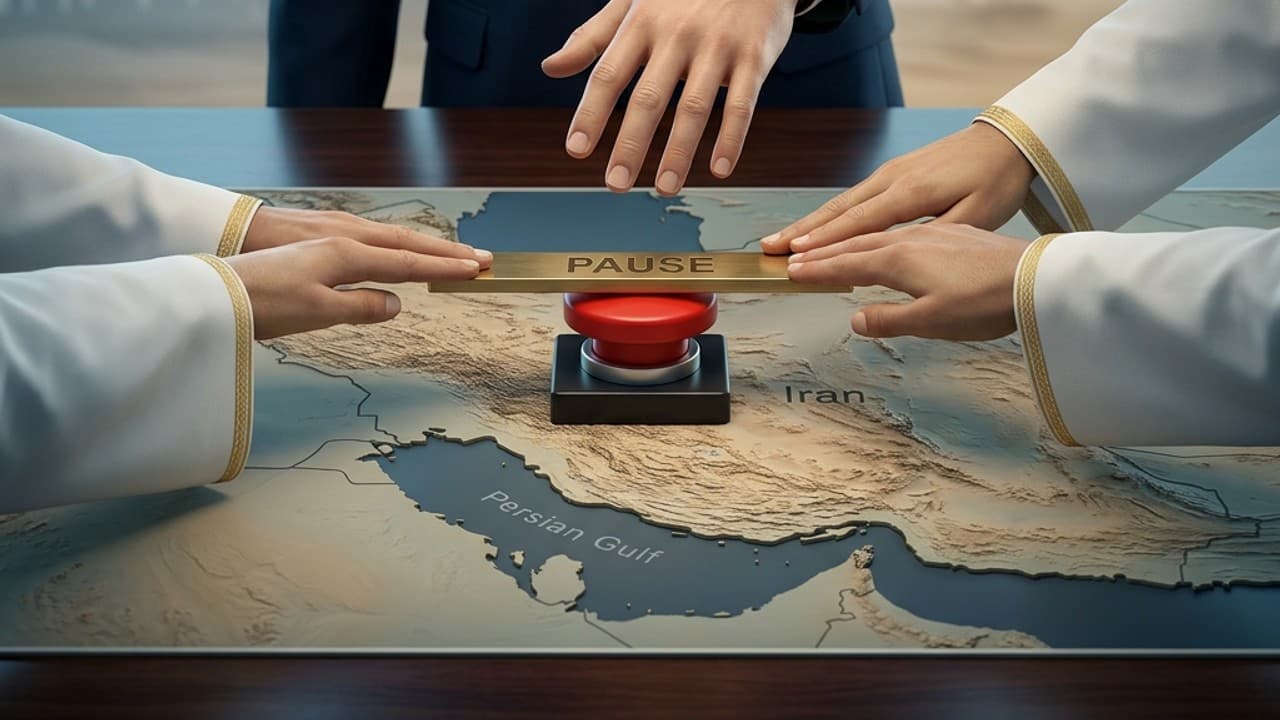
Trump Says He Is Delaying Iran Attack at Gulf Leaders' Request
United States President Donald Trump has publicly stated that he is holding back a military strike against Iran at the explicit request of Gulf Arab leaders, a disclosure that underscores the intense diplomatic activity under way to prevent a direct US-Iran military confrontation. Trump's remarks represent an unusually candid acknowledgment that regional allies are actively intervening to slow what could be a catastrophic escalation in the Middle East.
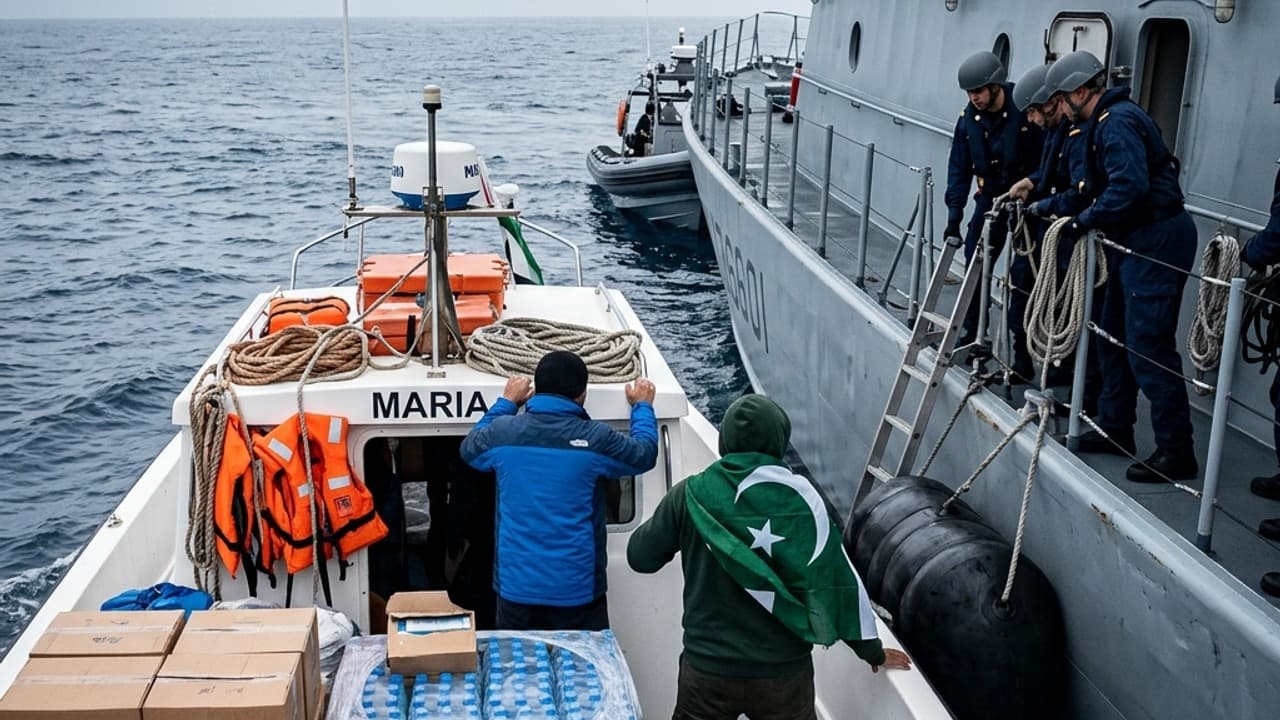
Israeli Forces Detain Saad Edhi After Intercepting Gaza Aid Flotilla
Israeli forces have reportedly detained Pakistani humanitarian worker Saad Edhi along with other activists after intercepting a flotilla carrying aid bound for Gaza. The interception occurred in international or contested waters as the vessel attempted to breach the Israeli naval blockade of the Gaza Strip, according to initial reports.
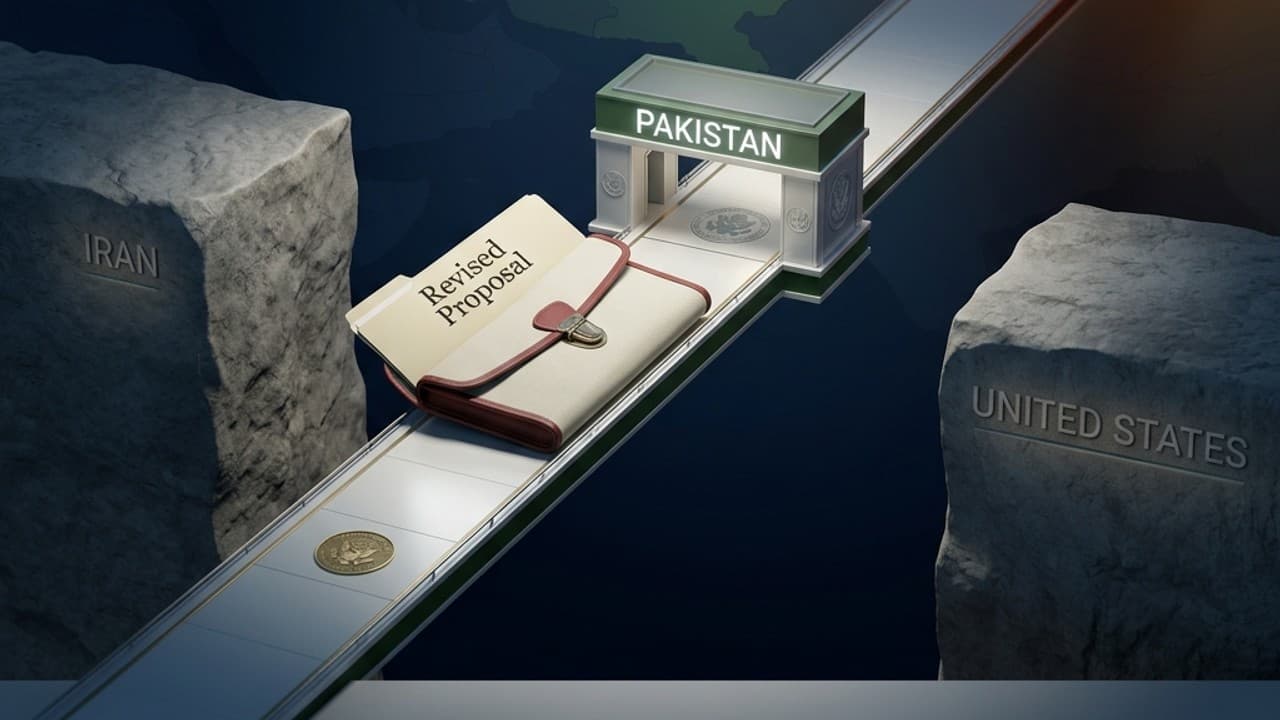
Iran Shares Revised Peace Proposal With US Via Pakistani Channel
Iran has shared a revised proposal to end the ongoing war with the United States through Pakistani diplomatic channels, according to a Pakistani source cited in reports on Monday. The development signals a potential opening in what has been a rapidly escalating military and diplomatic confrontation between Tehran and Washington.
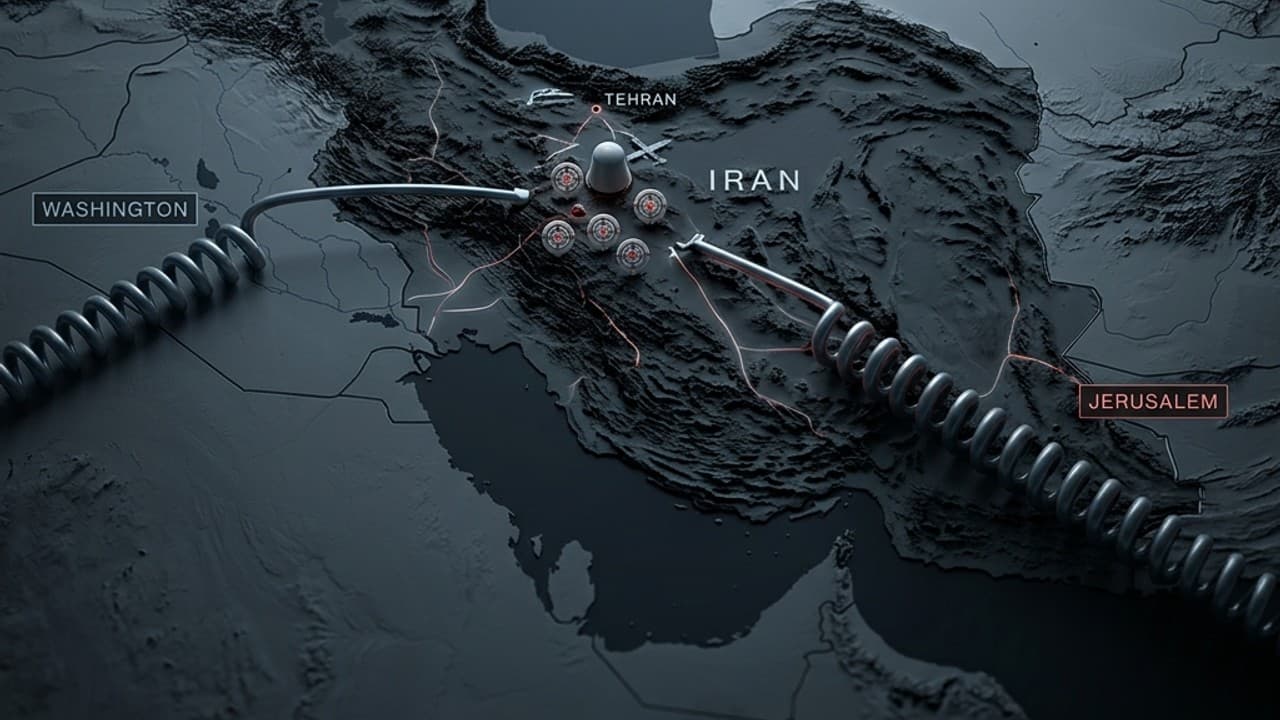
Trump and Netanyahu to Discuss Potential Military Action Against Iran
United States President Donald Trump and Israeli Prime Minister Benjamin Netanyahu are scheduled to speak on Sunday amid credible reports that both governments are weighing a potential revival of coordinated military action against Iran. The call comes at a moment of heightened regional tension following a series of escalatory incidents across the Middle East.