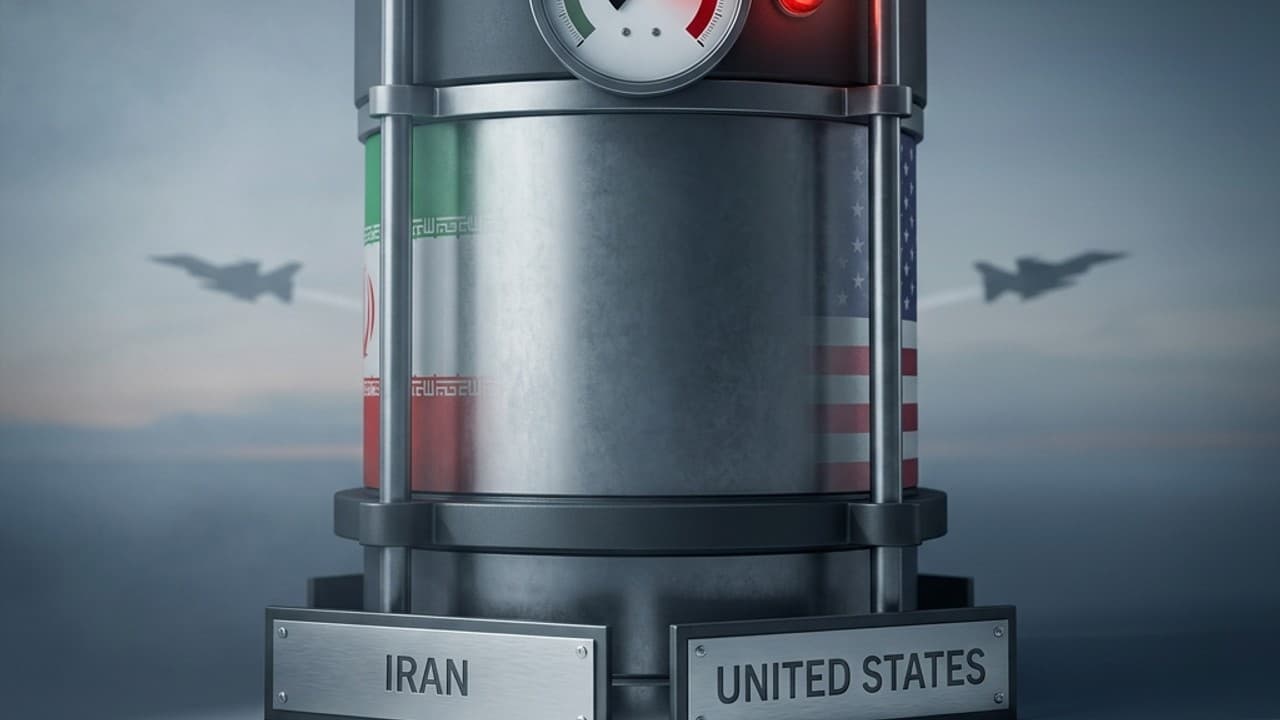
Iran Issues Nuclear Ultimatum as Military Tensions With US Intensify
Iran has issued a blunt nuclear ultimatum as tensions with the United States reached a new peak, with the confrontation marking one of the most dangerous flashpoints in relations between Tehran and Washington in years. The development comes amid reports of mutual airstrike exchanges that have dramatically elevated the risk of broader regional conflict.
Iranian officials have framed the ultimatum in stark terms, signalling that Tehran is prepared to take definitive steps on its nuclear programme absent a satisfactory political resolution to the current standoff. The statement reflects a calculated escalatory posture designed to force a response from the Trump administration and its regional and European allies.
The Trump administration has not yet publicly responded to the specific terms of the ultimatum, though the broader context of the US-Iran military exchange suggests that diplomatic channels are under extreme pressure. International partners including European signatories to the 2015 nuclear agreement and Gulf states are watching developments with acute concern.
The crisis has immediate implications for global security architecture, energy markets, and regional stability. Pakistan, which shares a border with Iran and maintains active diplomatic ties with both Tehran and Washington, faces a particularly complex environment as it manages relationships on multiple sides of the escalating confrontation.
Similar Stories
Background and related coverage on this story.
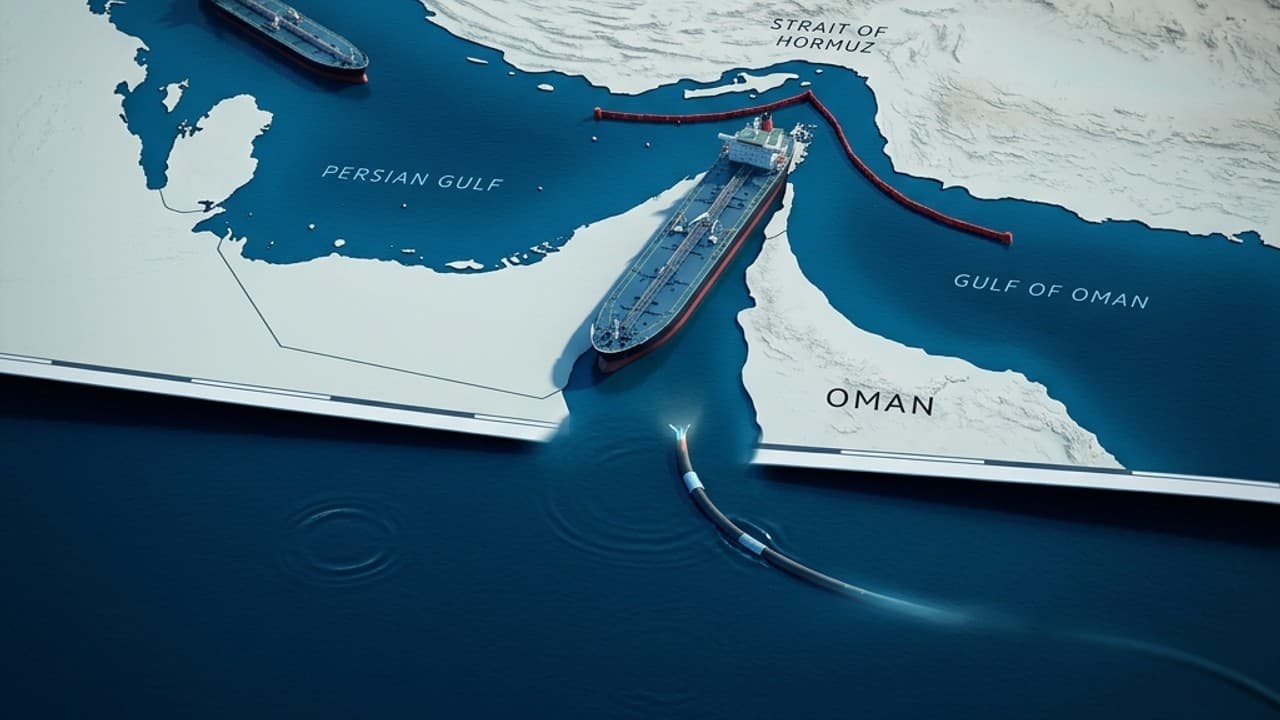
Iran halts US messaging, threatens Strait of Hormuz closure
Iran has announced it is halting message exchanges with the United States and has threatened to block the Strait of Hormuz, according to a news agency report. The move represents a significant escalation in tensions between Tehran and Washington at a moment when diplomatic channels between the two countries had been under careful management.
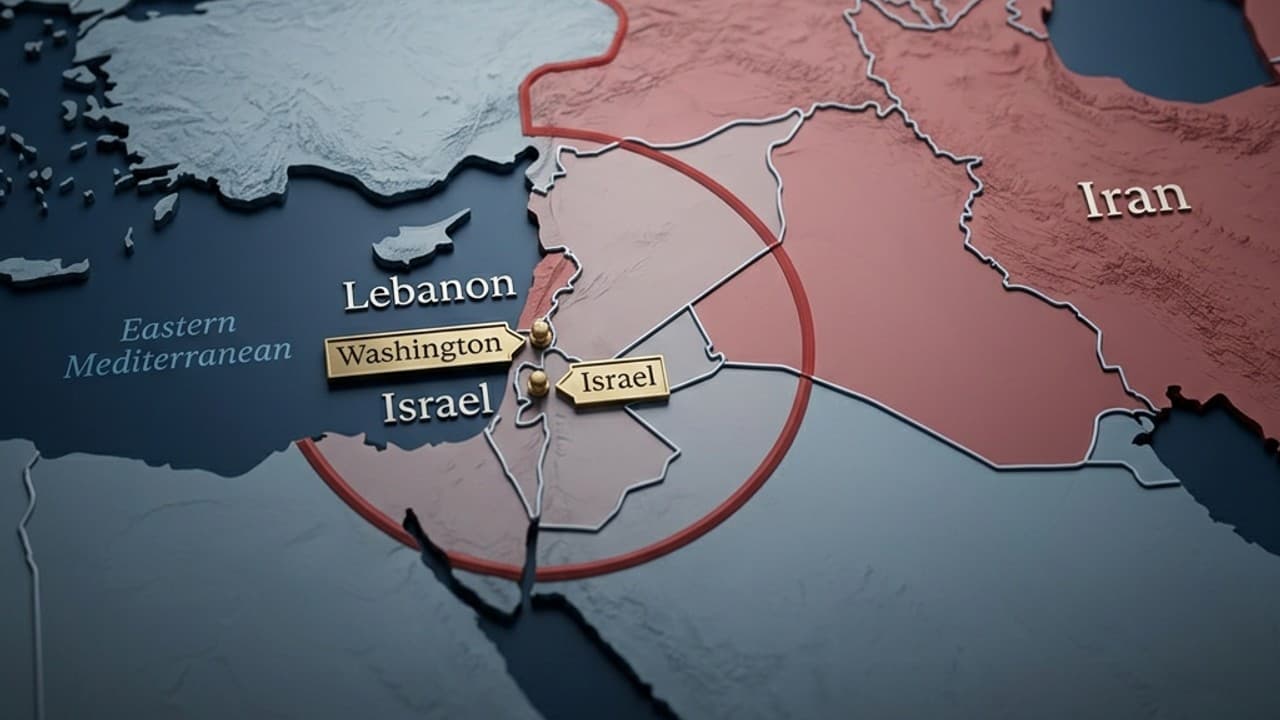
Iran Says US Ceasefire Agreement Covers Lebanon, Holds Washington Accountable
Iran has stated that its ceasefire agreement with the United States explicitly includes Lebanon, and has placed responsibility for any violations squarely on Washington and Israel. The declaration significantly broadens the scope of the ceasefire framework and introduces a direct accountability mechanism that Tehran is asserting as a binding diplomatic position.

Trump Warns US Will Destroy Iran Militarily If Nuclear Deal Collapses
United States President Donald Trump on Sunday revealed a key concession being offered to Iran in ongoing nuclear negotiations while simultaneously issuing a stark warning that the United States would 'finish it off militarily' if a diplomatic agreement fails to materialise. The statement represents one of the most direct articulations of Washington's military threat posture toward Tehran in the current negotiating round.
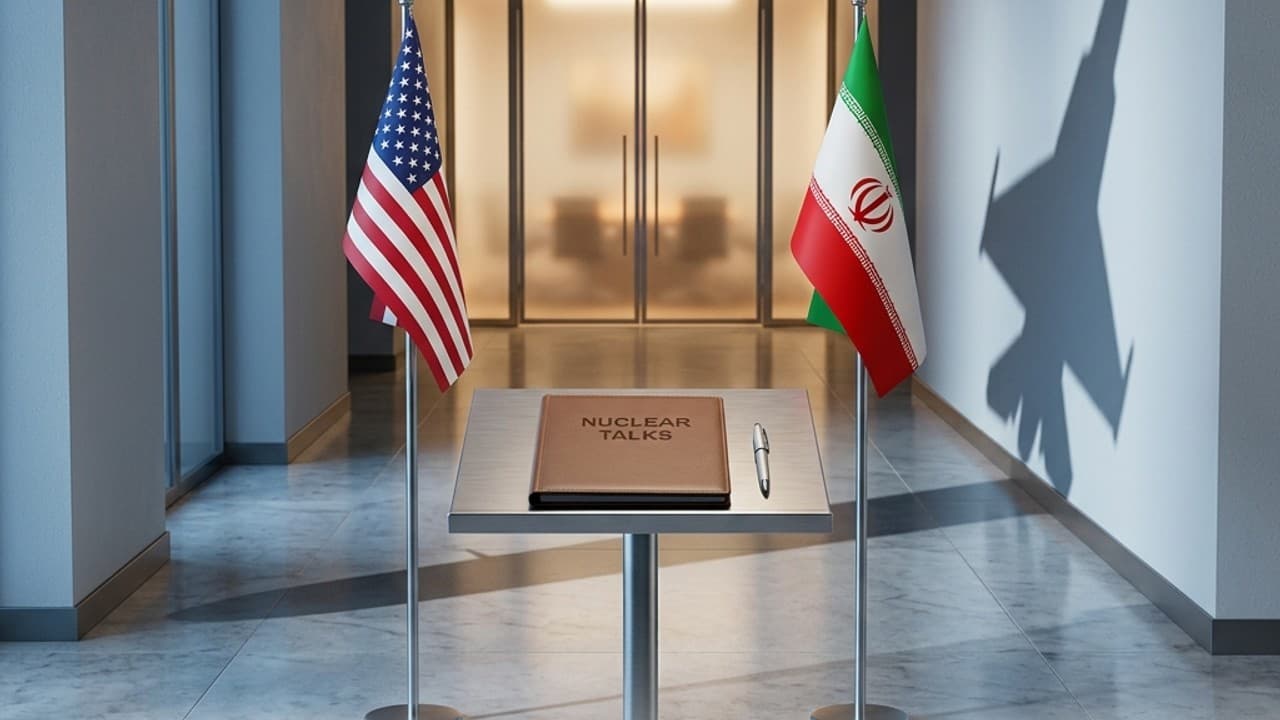
US Warns War Remains Option Despite Productive Iran Nuclear Talks
The United States has characterised ongoing nuclear negotiations with Iran as productive while simultaneously refusing to rule out military action, sustaining the dual-track pressure strategy that has defined Washington's posture throughout the diplomatic process. Senior US officials conveyed the warning as both governments continue to evaluate the terms of a potential agreement, underscoring that progress at the table has not diminished the military option as a tool of coercion.

Trump Says Iran Deal Decision Imminent, Demands Hormuz Strait Opening
US President Donald Trump declared on Friday that a decision on a potential deal with Iran is imminent, and issued a direct demand that the Strait of Hormuz must remain open, raising the stakes in an already volatile standoff with significant consequences for global energy markets. Trump's statement represents one of the sharpest public ultimatums issued by Washington in the current Iran nuclear negotiating cycle.
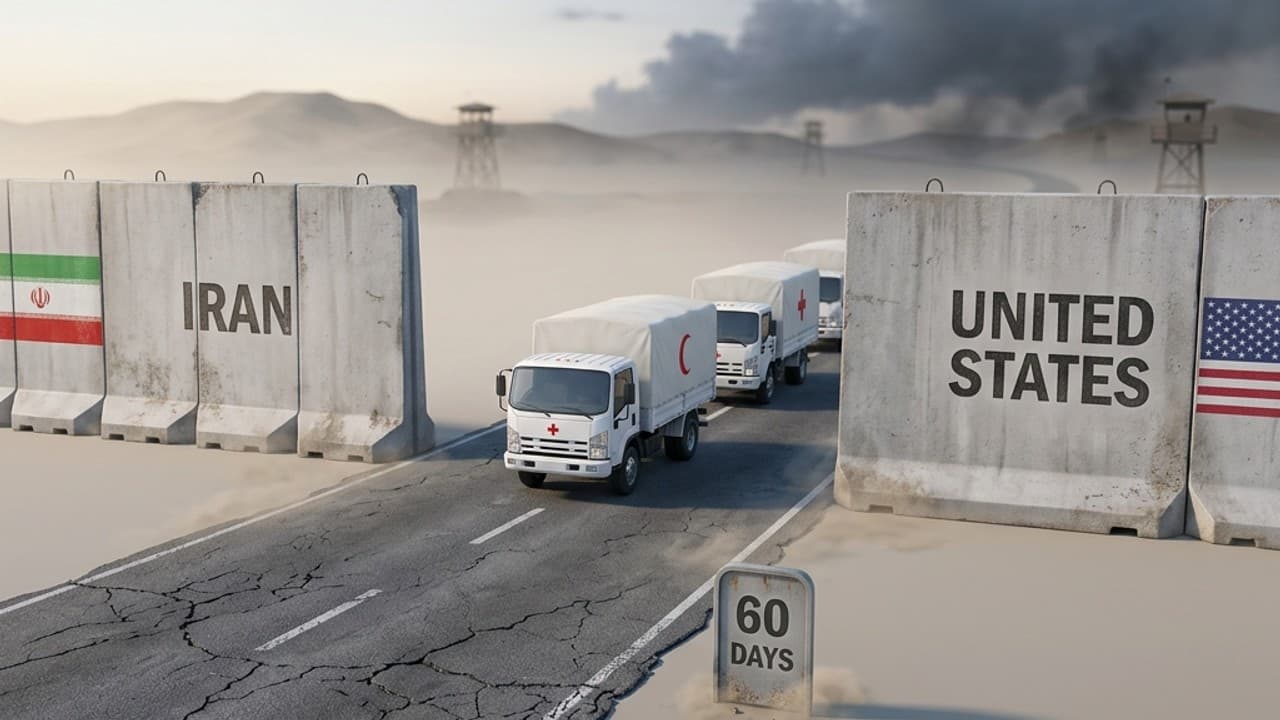
Iran and US Agree Plan for 60-Day Ceasefire Extension
Iran and the United States have reached a tentative agreement on a framework to extend the existing ceasefire by 60 days following the latest wave of military attacks, diplomatic sources confirmed. The agreement marks a significant, if fragile, step in de-escalating one of the most volatile confrontations in the Middle East in recent years.