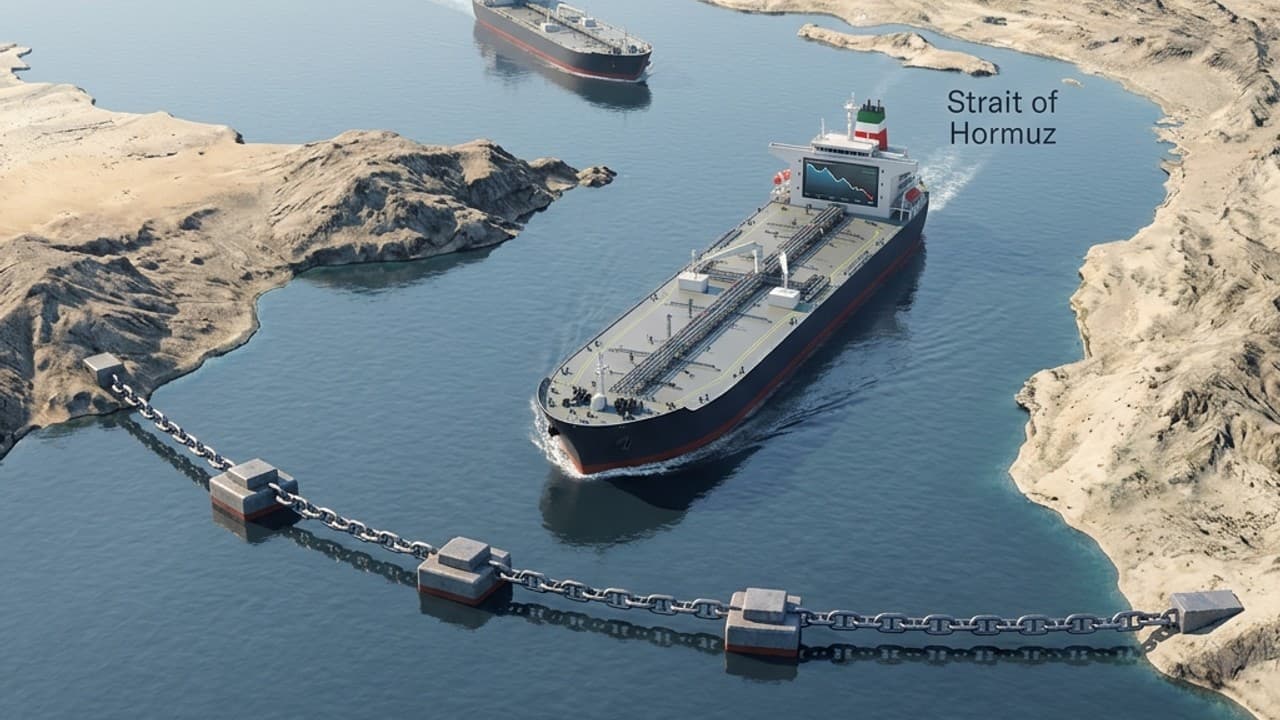
Iran Says Draft Nuclear Deal Would Reopen Strait of Hormuz Shipping
Iranian officials have stated that a draft agreement under negotiation with the United States would result in the reopening of the Strait of Hormuz to international shipping and the lifting of a naval blockade that has disrupted global energy flows. The disclosure represents the most substantive public signal yet of progress in the ongoing talks between Washington and Tehran.
The Strait of Hormuz is the world's most critical maritime chokepoint for oil transit, through which approximately one fifth of global crude supply passes daily. Any agreement restoring unimpeded passage would have immediate and significant consequences for global energy markets, shipping insurance rates, and the broader geopolitical calculus of the Middle East.
Iranian state media attributed the disclosure to senior officials involved in the negotiating process, though the United States has not independently confirmed the specific terms referenced. The divergence between Iranian public statements and the pace of formal confirmation from Washington suggests the draft remains in an advanced but not yet concluded phase.
Oil prices have already begun responding to signals of diplomatic progress, with futures declining as traders factor in the prospect of increased Iranian supply and restored Hormuz transit. Regional analysts caution that finalisation of any agreement would still face significant domestic political hurdles in both countries before it could take effect.
Similar Stories
Background and related coverage on this story.
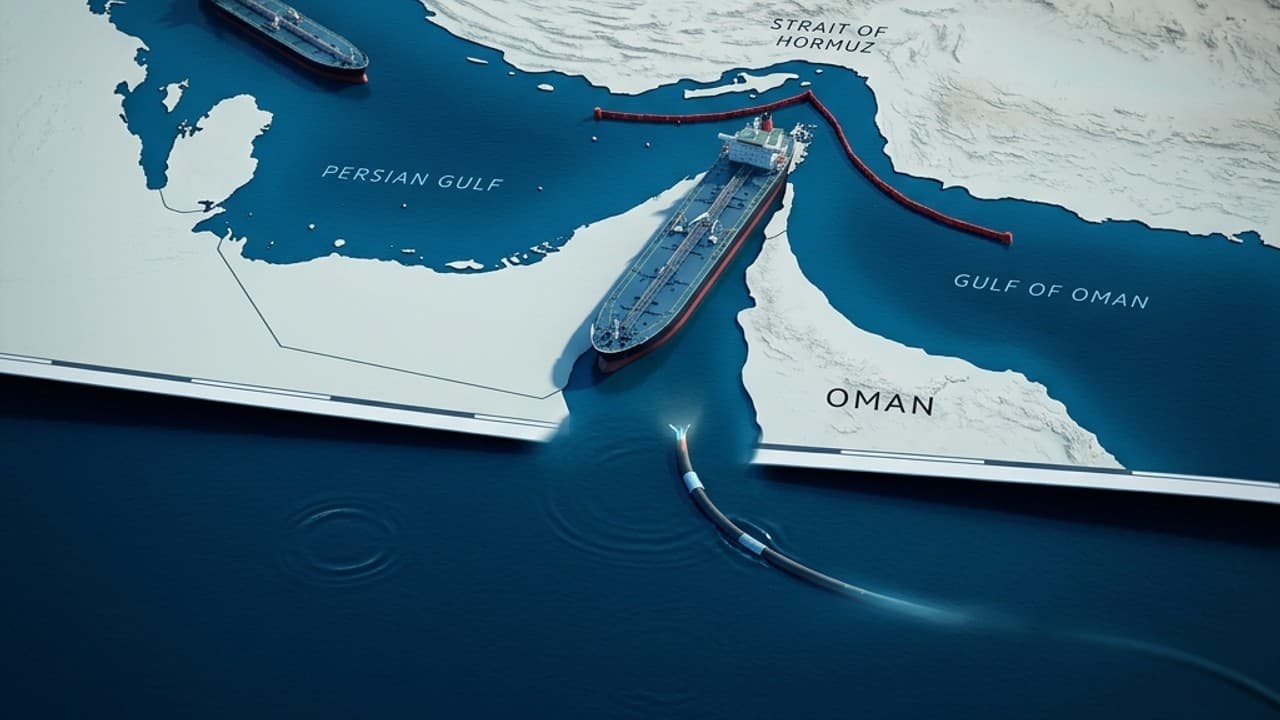
Iran halts US messaging, threatens Strait of Hormuz closure
Iran has announced it is halting message exchanges with the United States and has threatened to block the Strait of Hormuz, according to a news agency report. The move represents a significant escalation in tensions between Tehran and Washington at a moment when diplomatic channels between the two countries had been under careful management.
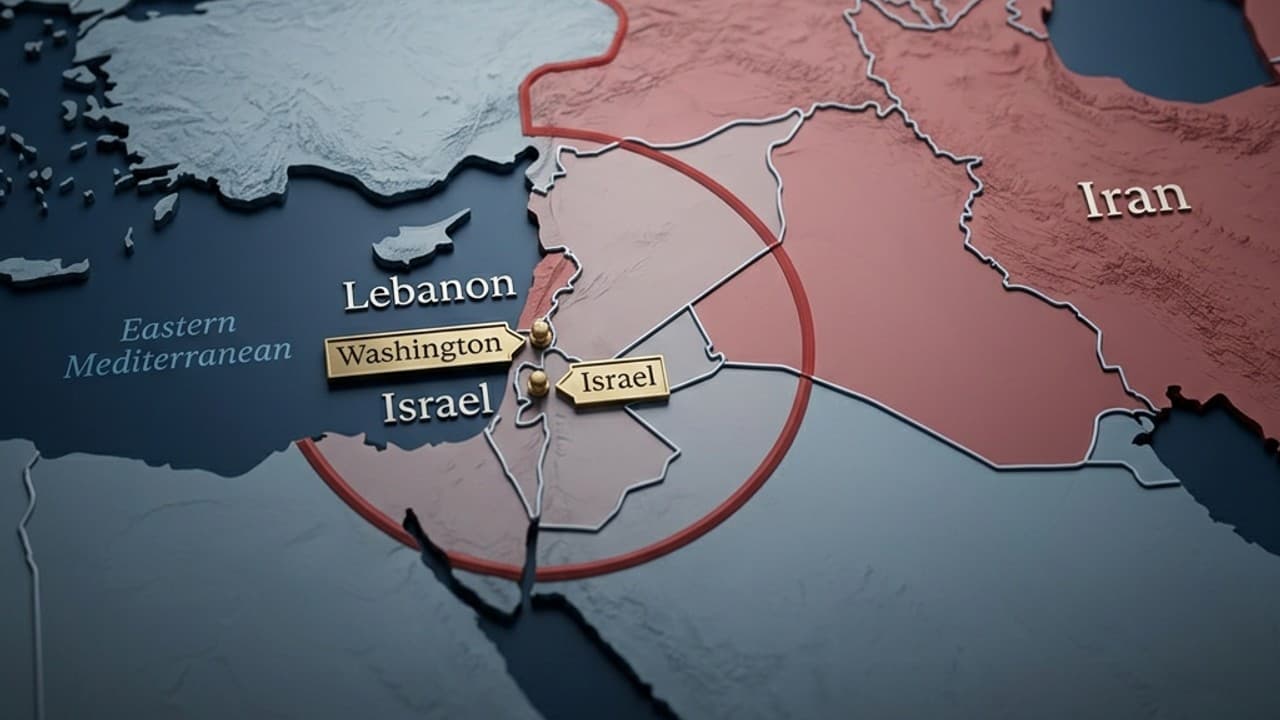
Iran Says US Ceasefire Agreement Covers Lebanon, Holds Washington Accountable
Iran has stated that its ceasefire agreement with the United States explicitly includes Lebanon, and has placed responsibility for any violations squarely on Washington and Israel. The declaration significantly broadens the scope of the ceasefire framework and introduces a direct accountability mechanism that Tehran is asserting as a binding diplomatic position.

Trump Warns US Will Destroy Iran Militarily If Nuclear Deal Collapses
United States President Donald Trump on Sunday revealed a key concession being offered to Iran in ongoing nuclear negotiations while simultaneously issuing a stark warning that the United States would 'finish it off militarily' if a diplomatic agreement fails to materialise. The statement represents one of the most direct articulations of Washington's military threat posture toward Tehran in the current negotiating round.
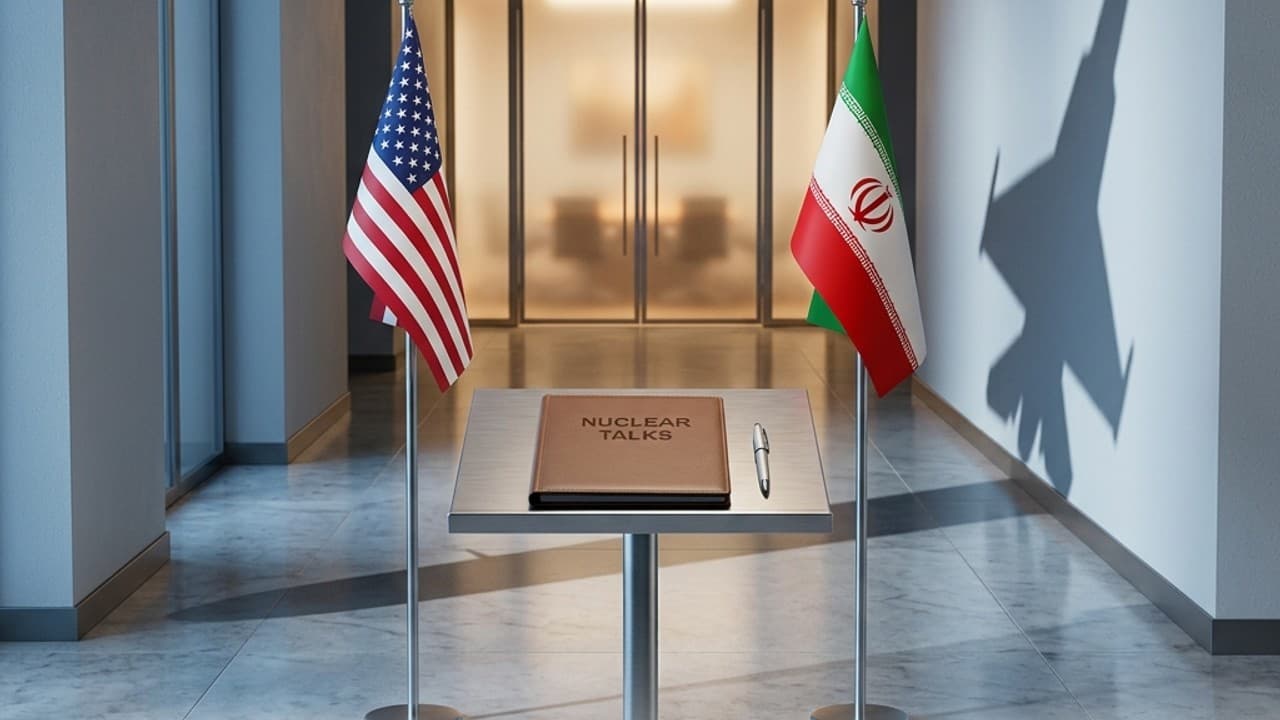
US Warns War Remains Option Despite Productive Iran Nuclear Talks
The United States has characterised ongoing nuclear negotiations with Iran as productive while simultaneously refusing to rule out military action, sustaining the dual-track pressure strategy that has defined Washington's posture throughout the diplomatic process. Senior US officials conveyed the warning as both governments continue to evaluate the terms of a potential agreement, underscoring that progress at the table has not diminished the military option as a tool of coercion.

Trump Says Iran Deal Decision Imminent, Demands Hormuz Strait Opening
US President Donald Trump declared on Friday that a decision on a potential deal with Iran is imminent, and issued a direct demand that the Strait of Hormuz must remain open, raising the stakes in an already volatile standoff with significant consequences for global energy markets. Trump's statement represents one of the sharpest public ultimatums issued by Washington in the current Iran nuclear negotiating cycle.
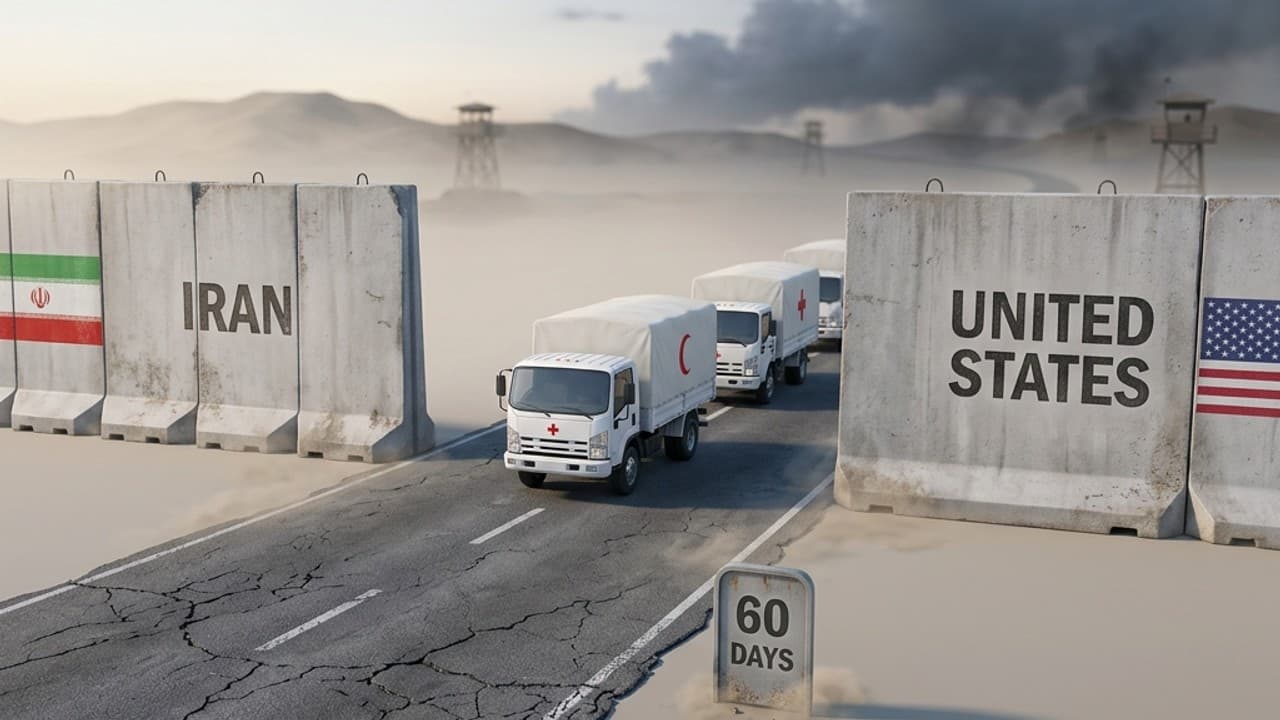
Iran and US Agree Plan for 60-Day Ceasefire Extension
Iran and the United States have reached a tentative agreement on a framework to extend the existing ceasefire by 60 days following the latest wave of military attacks, diplomatic sources confirmed. The agreement marks a significant, if fragile, step in de-escalating one of the most volatile confrontations in the Middle East in recent years.