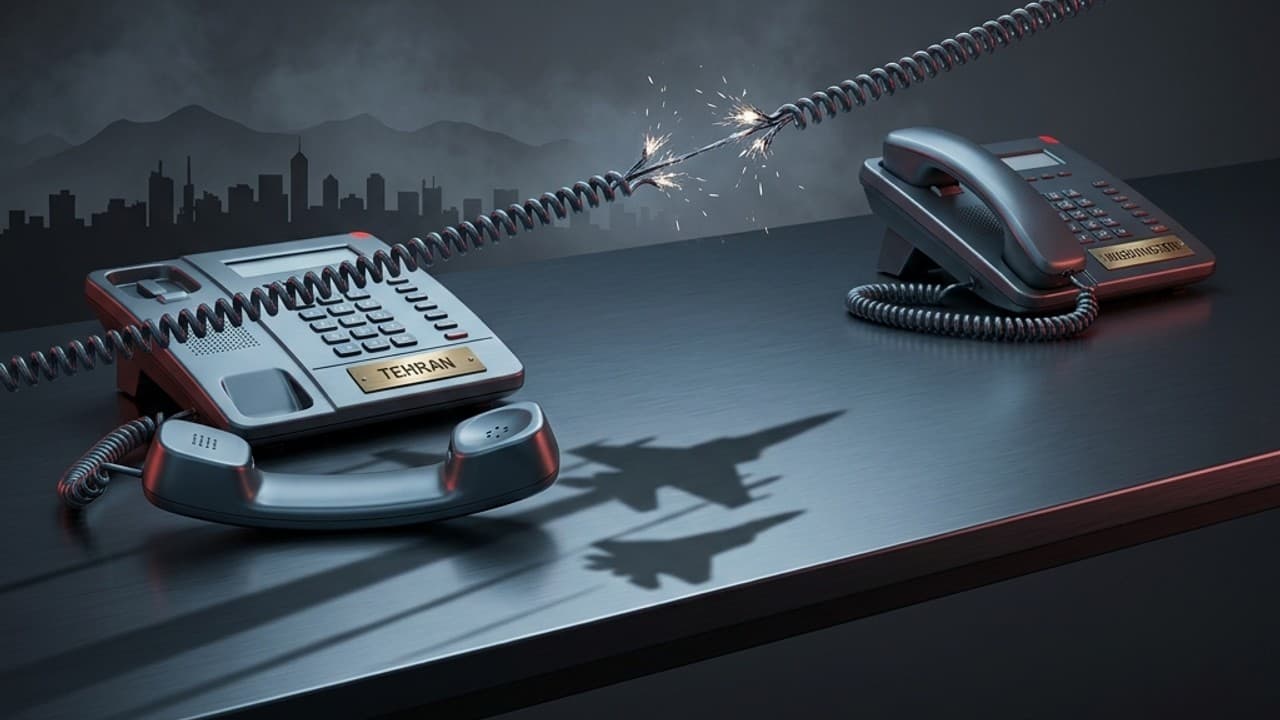
Iran Warns of 'Crushing' Response if US Resumes Military Strikes
Iran's chief nuclear negotiator has issued a stark warning that Tehran will deliver a crushing response if the United States resumes military attacks against the country, signalling that any breakdown in diplomatic progress could trigger a rapid and severe Iranian counter-escalation. The statement represents one of the most direct and forceful threats issued by a senior Iranian official since the active phase of the US-Iran military confrontation.
The remarks come at a fragile moment in back-channel diplomatic efforts, with talks reportedly ongoing between Iranian and American intermediaries over a framework to prevent further escalation. The threat from Iran's negotiating team suggests that while diplomacy remains an option, Tehran is simultaneously preparing its deterrence messaging to forestall additional US action.
The United States has not publicly commented on the Iranian warning, though administration officials have previously signalled that military options remain on the table should negotiations fail to produce results. The disclosure of 42 US aircraft losses in the campaign, confirmed separately by a congressional report on Saturday, may also factor into the strategic calculus on both sides.
Regional governments and international mediators have urged both parties to exercise restraint, with concern mounting that any resumption of hostilities could trigger a broader conflagration affecting energy markets, regional security, and global supply chains. The situation continues to be monitored closely by allied capitals.
Similar Stories
Background and related coverage on this story.
US and Iran Report Meaningful Progress in War-Ending Negotiations
The United States and Iran have both reported meaningful progress in ongoing diplomatic talks aimed at ending their active military conflict, raising cautious hopes that a negotiated ceasefire or broader settlement may be within reach. Both sides acknowledged forward movement in negotiations, though no formal agreement has been announced.
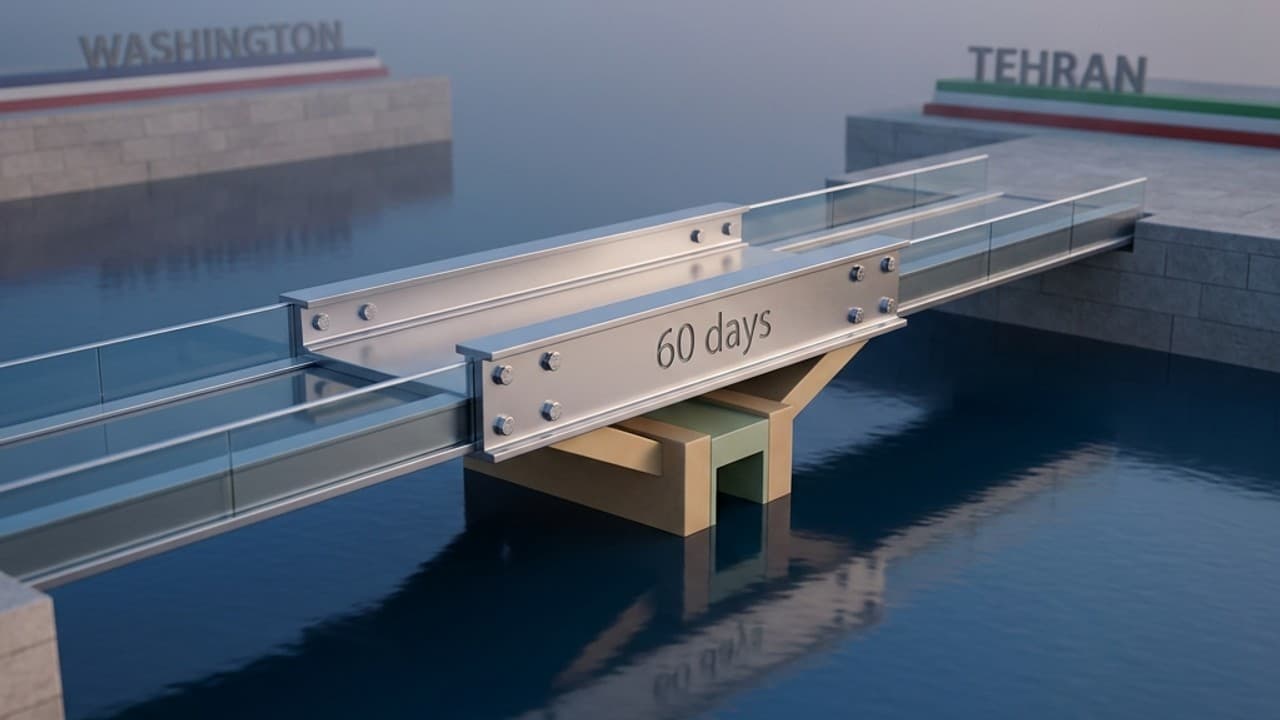
US and Iran Near 60-Day Ceasefire Extension, Mediators Confirm
The United States and Iran are reported to be close to agreeing on a 60-day extension of their existing ceasefire arrangement, according to mediators cited by the Financial Times. The development, if formalised, would represent a significant stabilisation of one of the world's most volatile diplomatic flashpoints and buy additional time for broader nuclear and regional security negotiations.

Qatar, Pakistan, US Intensify Diplomatic Push on Iran Nuclear Deal
Qatari diplomatic envoys have arrived in Tehran to assist in brokering a nuclear deal between the United States and Iran, as multiple parallel diplomatic tracks converge in a concentrated push for an agreement. Qatar has historically served as a trusted intermediary between Washington and Tehran given the absence of direct diplomatic relations between the two powers.
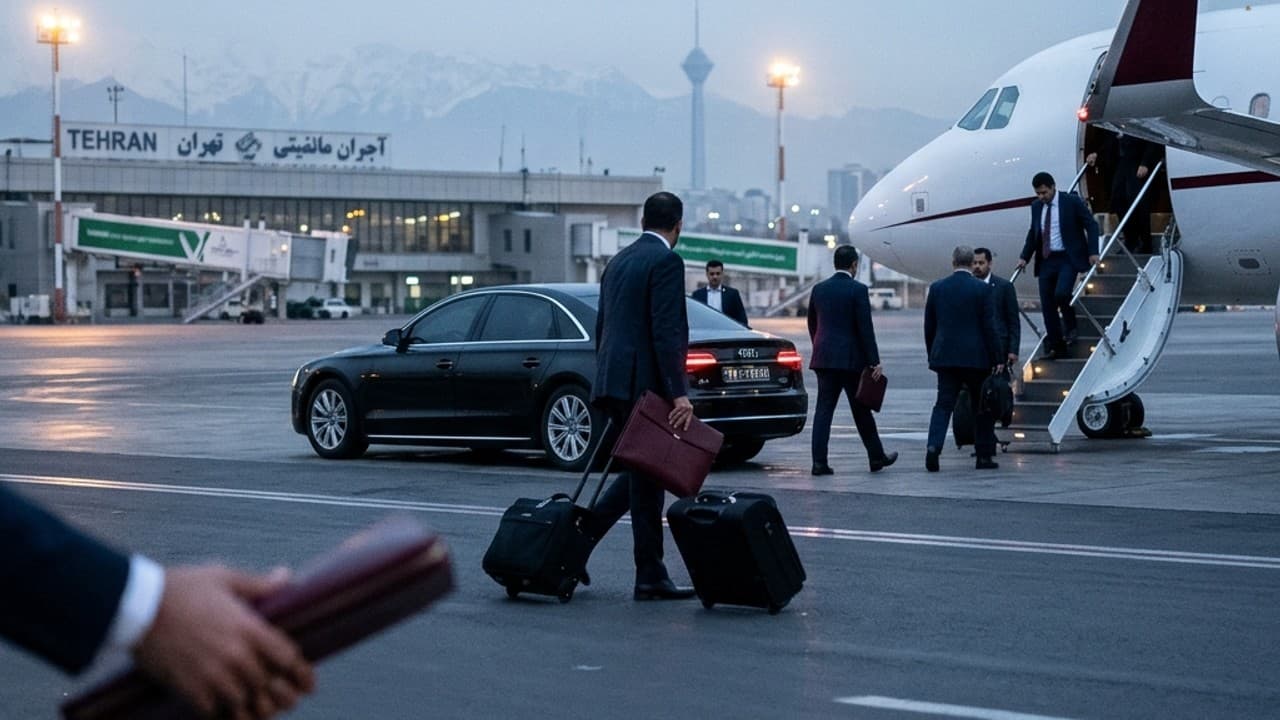
Qatar Sends Negotiating Team to Tehran for US-Iran War Deal
A Qatari negotiating team has arrived in Tehran in an effort to facilitate a diplomatic agreement between the United States and Iran aimed at ending the ongoing war, according to a source with knowledge of the mission. The development signals a renewed push for a ceasefire or broader deal at a moment when military hostilities between US-aligned forces and Iran have shown no sign of abating.
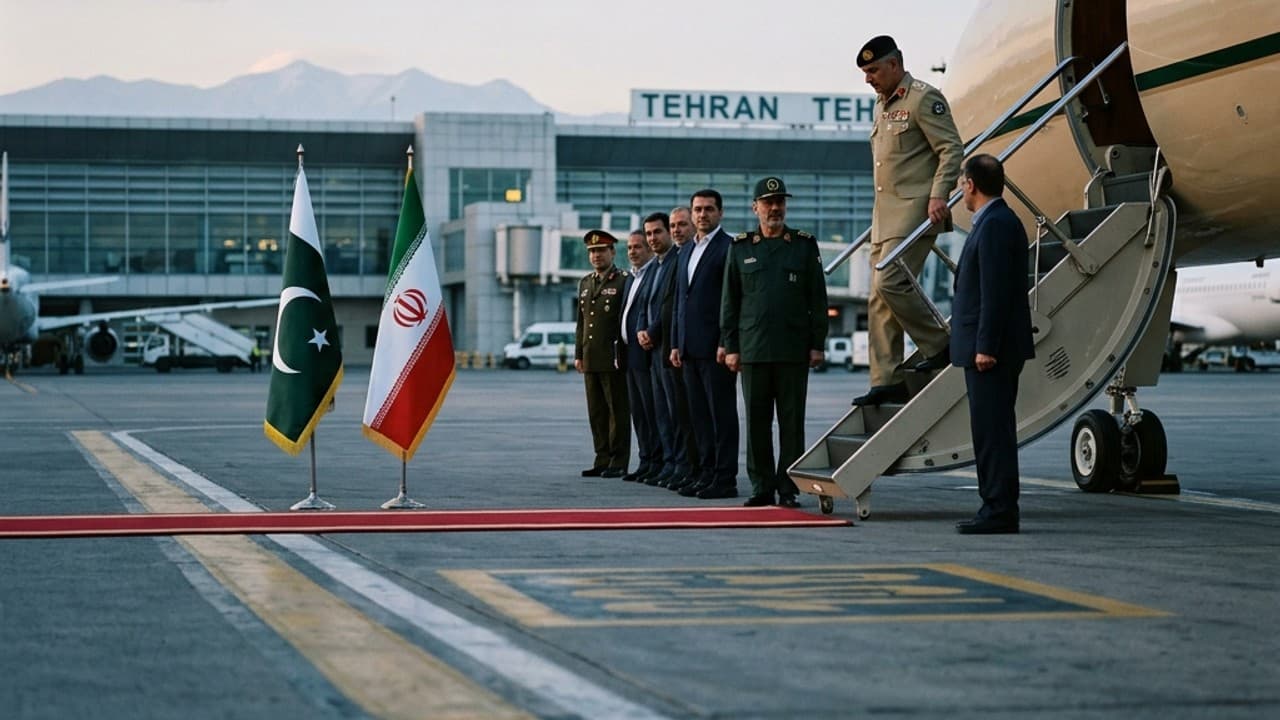
CDF Asim Munir arrives in Iran for mediation efforts
Chief of Defence Forces (CDF) Field Marshal Asim Munir has arrived in Iran as part of Pakistan's ongoing mediation efforts, the Inter-Services Public Relations confirmed on Friday night. The visit marks a significant escalation in Pakistan's diplomatic engagement at the highest military level, signalling Islamabad's active role in de-escalating regional tensions.
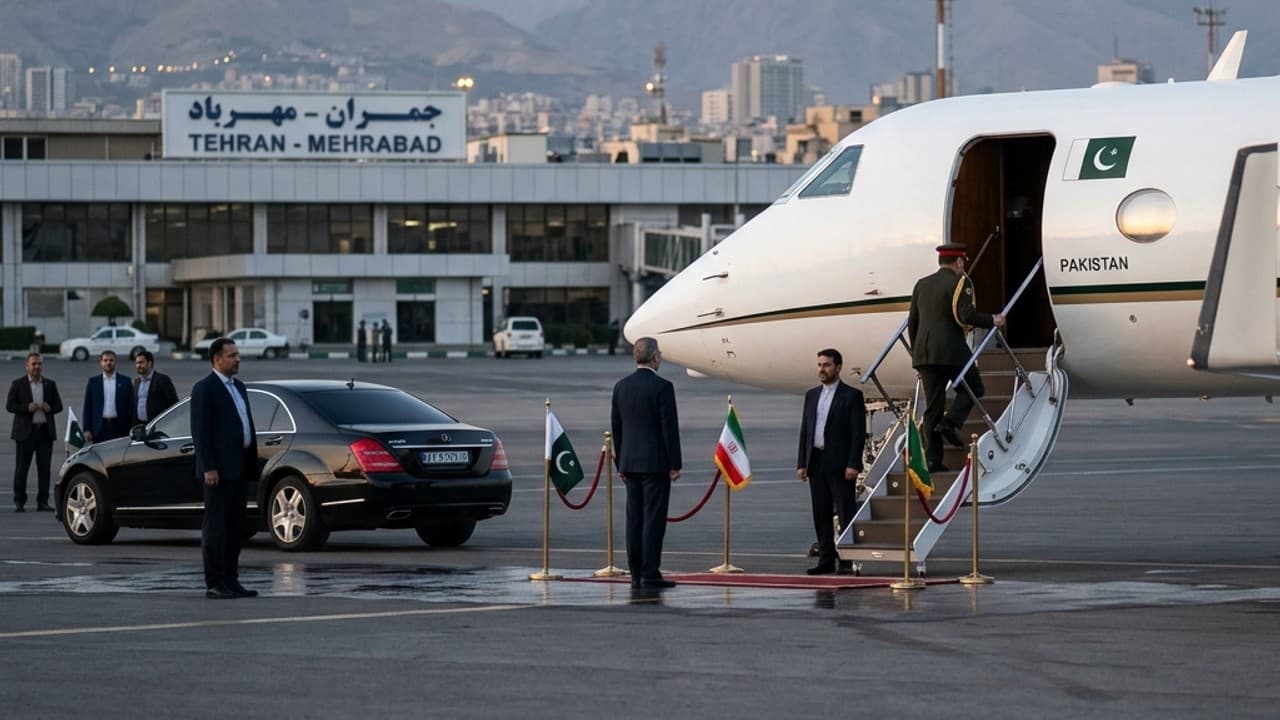
Pakistan CDF Asim Munir Arrives in Tehran to Mediate US-Iran Talks
Chief of Defence Forces General Syed Asim Munir has landed in Tehran as Pakistan significantly escalates its diplomatic mediation efforts between the United States and Iran. The visit marks the highest-level Pakistani military-diplomatic intervention in the ongoing US-Iran standoff, positioning Islamabad as a critical back-channel interlocutor at a moment of acute regional tension.