
IRGC Permit Threats Raise Alarm Over Hormuz Submarine Cables
Iran's Islamic Revolutionary Guard Corps has issued permit-based threats that analysts warn could disrupt critical submarine communications cables passing through the Strait of Hormuz, raising concerns about the security of global internet and data infrastructure in one of the world's most strategically sensitive waterways.
The IRGC's posture, which involves demands for permits or authorisation over submarine cable operations, represents a potential expansion of Iran's pressure tactics beyond conventional maritime and energy targets. The Strait of Hormuz is home to a concentration of undersea cables that carry a significant share of international data traffic between Asia, Europe, and the Middle East.
Any disruption to submarine cables in the Hormuz corridor would carry cascading consequences for telecommunications, financial transactions, and internet connectivity across multiple continents. Experts have long flagged the vulnerability of undersea cable infrastructure to state-sponsored interference, and the IRGC's rhetoric elevates that risk from theoretical to operationally plausible.
The development comes amid broader regional tensions involving Iran and Western powers, and coincides with ongoing negotiations over Iran's nuclear programme. Observers caution that cable infrastructure, unlike tanker routes, offers limited redundancy in the immediate term, making any deliberate interdiction potentially far more damaging than conventional energy disruptions.
Similar Stories
Background and related coverage on this story.
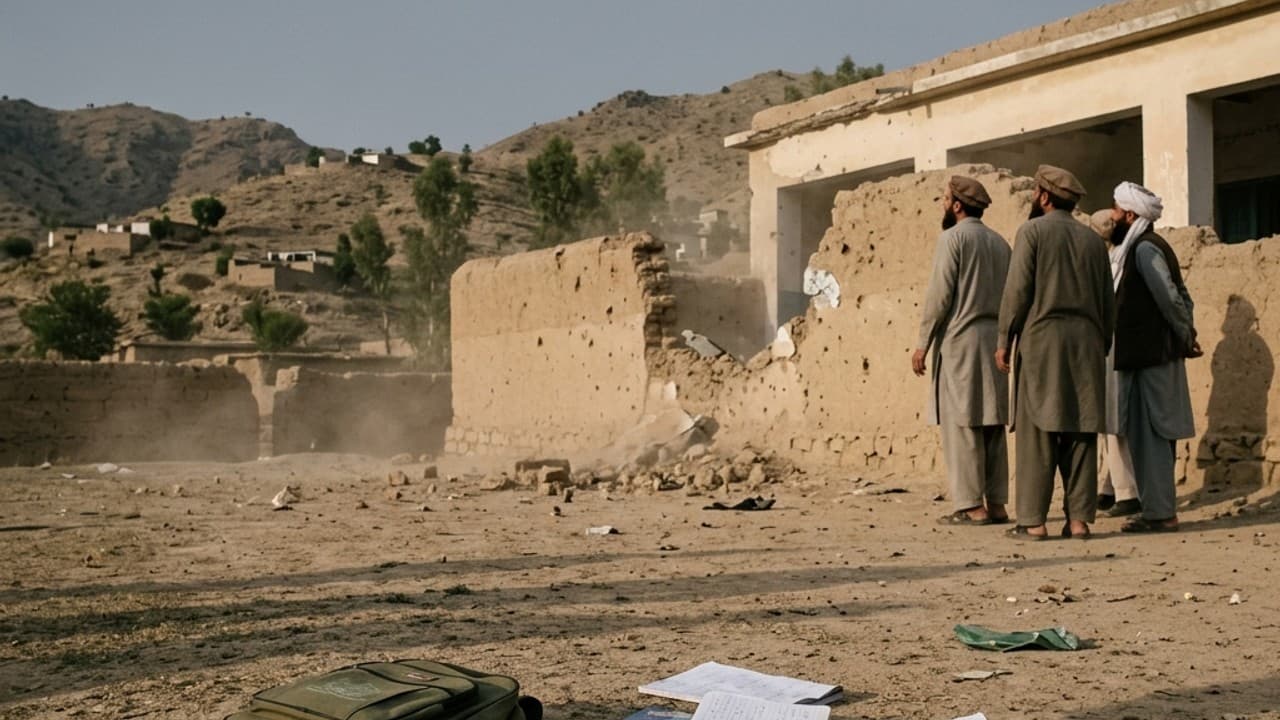
Quadcopter Attack Kills Two Schoolchildren in KP's Bajaur
A quadcopter drone attack in the Bajaur district of Khyber Pakhtunkhwa killed two schoolchildren on Thursday, in a strike that has drawn immediate condemnation and raised urgent questions about the expanding use of aerial drones by militant actors in Pakistan's tribal belt. The attack, which targeted civilians rather than any security installation, marks a disturbing escalation in the deployment of commercially available quadcopter technology for lethal purposes in the region.

Russia Strikes Ukraine Danube Port as Ukraine Launches Drone Attack on Moscow
Russian forces conducted a strike on a Ukrainian port facility along the Danube River on Tuesday, targeting critical grain export infrastructure in one of Ukraine's key alternative shipping corridors, as Ukrainian forces simultaneously launched a drone offensive directed toward Moscow. The dual escalation marks a significant intensification of the conflict on both conventional and asymmetric fronts.
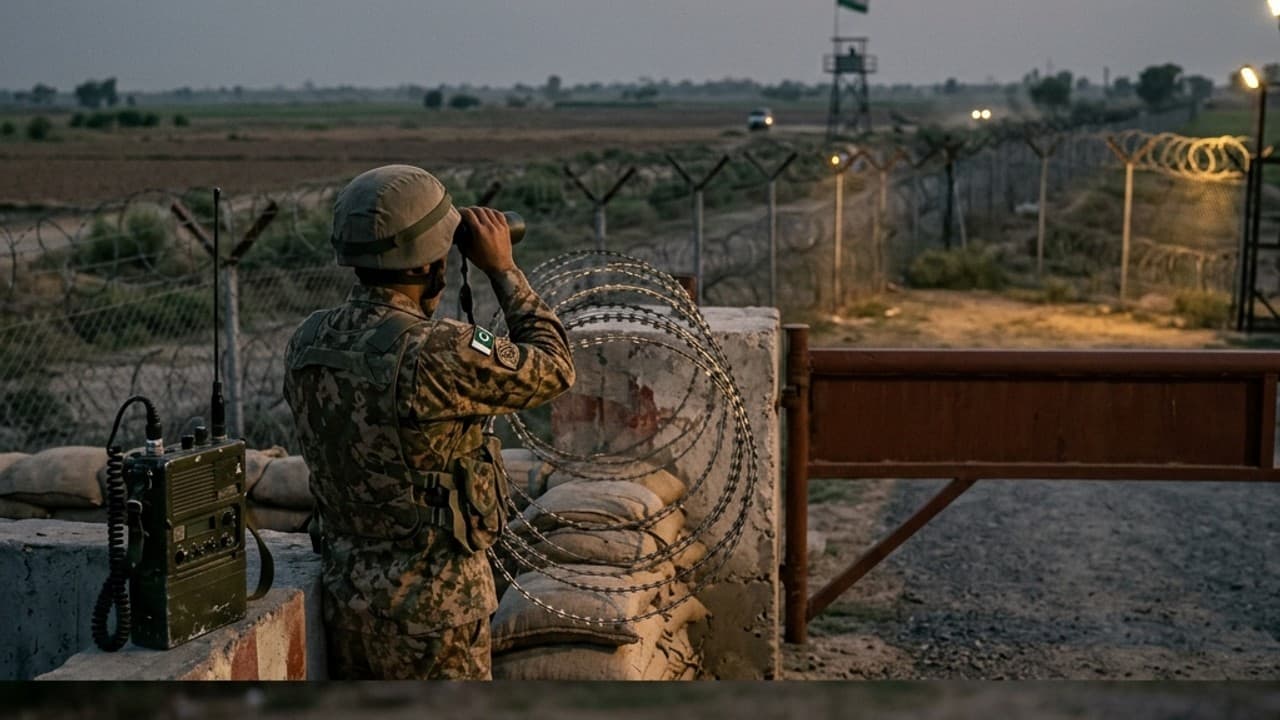
Pakistan Warns India of Historical Consequences Over Any Military Misadventure
Pakistan has issued a stark warning to India, stating that any military misadventure against the country would relegate India to the pages of history. The statement signals an escalation in rhetorical posturing amid already heightened bilateral tensions between the two nuclear-armed neighbours.
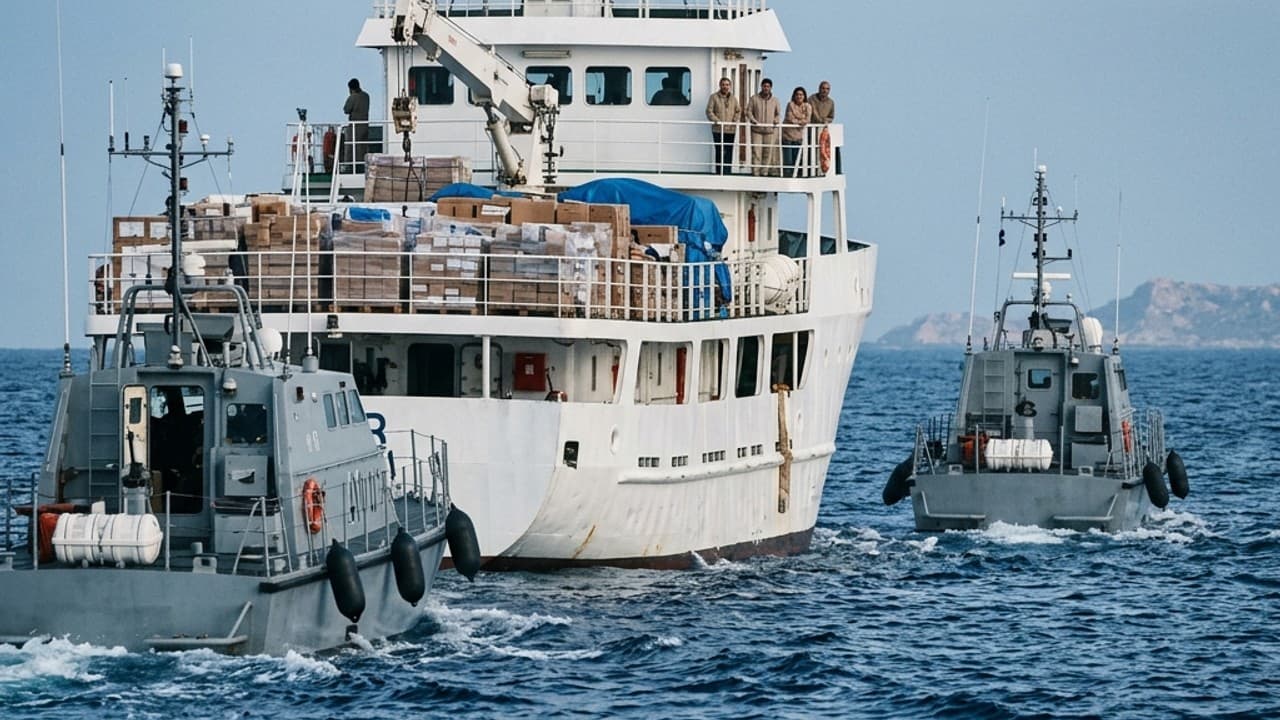
Israeli Forces Intercept Gaza-Bound Flotilla Near Cyprus
Israeli naval forces have intercepted a Gaza-bound humanitarian flotilla in international waters near Cyprus, according to organisers aboard the fleet, marking a sharp escalation in tensions over maritime access to the besieged enclave. The interception represents a direct confrontation between Israeli defence assets and civilian aid vessels operating under international humanitarian mandates.
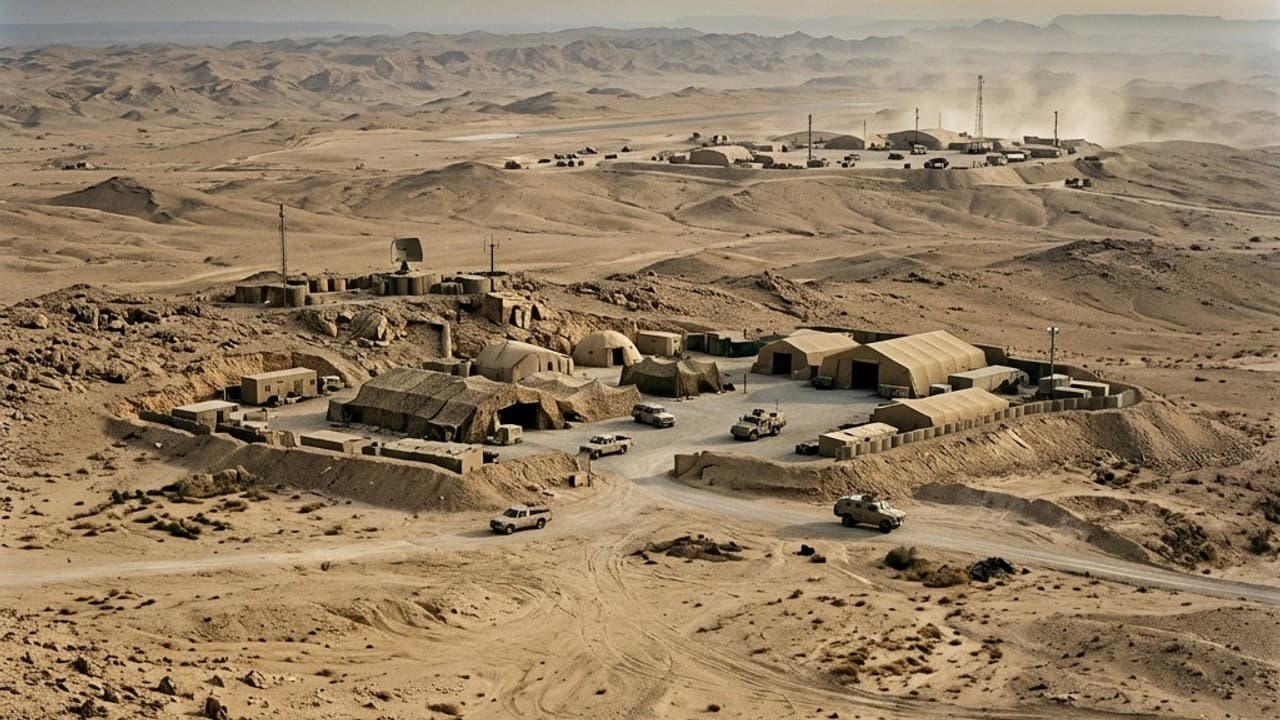
Israel Ran Two Covert Bases in Iraqi Desert, NYT Reports
Israel secretly operated two covert military bases in the Iraqi desert, according to an investigative report published by The New York Times. The revelation represents a significant disclosure about Israeli operational reach into Arab territory and is likely to reverberate across regional diplomatic and security calculations.
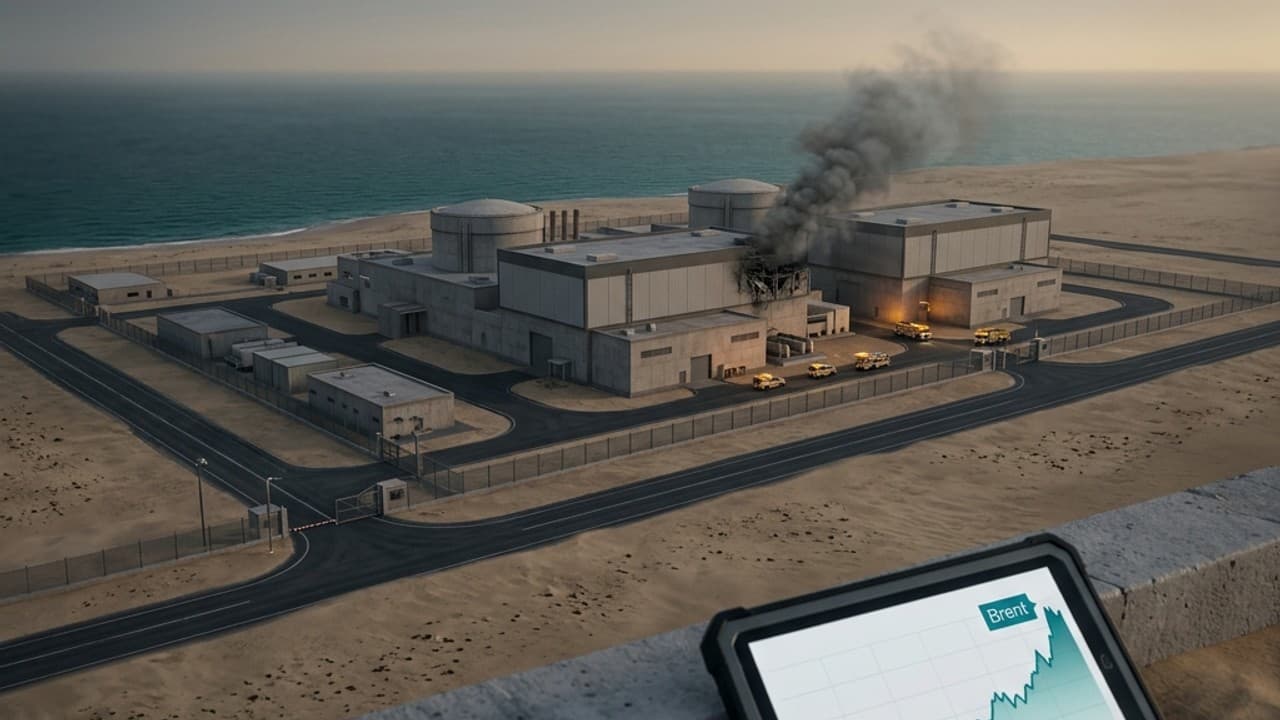
Drone Strike on UAE Nuclear Plant Pushes Oil to Two-Week High
A drone attack on a nuclear power plant in the United Arab Emirates has sent oil prices to their highest level in two weeks, as energy markets responded to what analysts described as a significant escalation in the geographic scope of Middle East hostilities. The strike introduced a new front in the regional conflict, directly targeting Gulf energy and nuclear infrastructure.