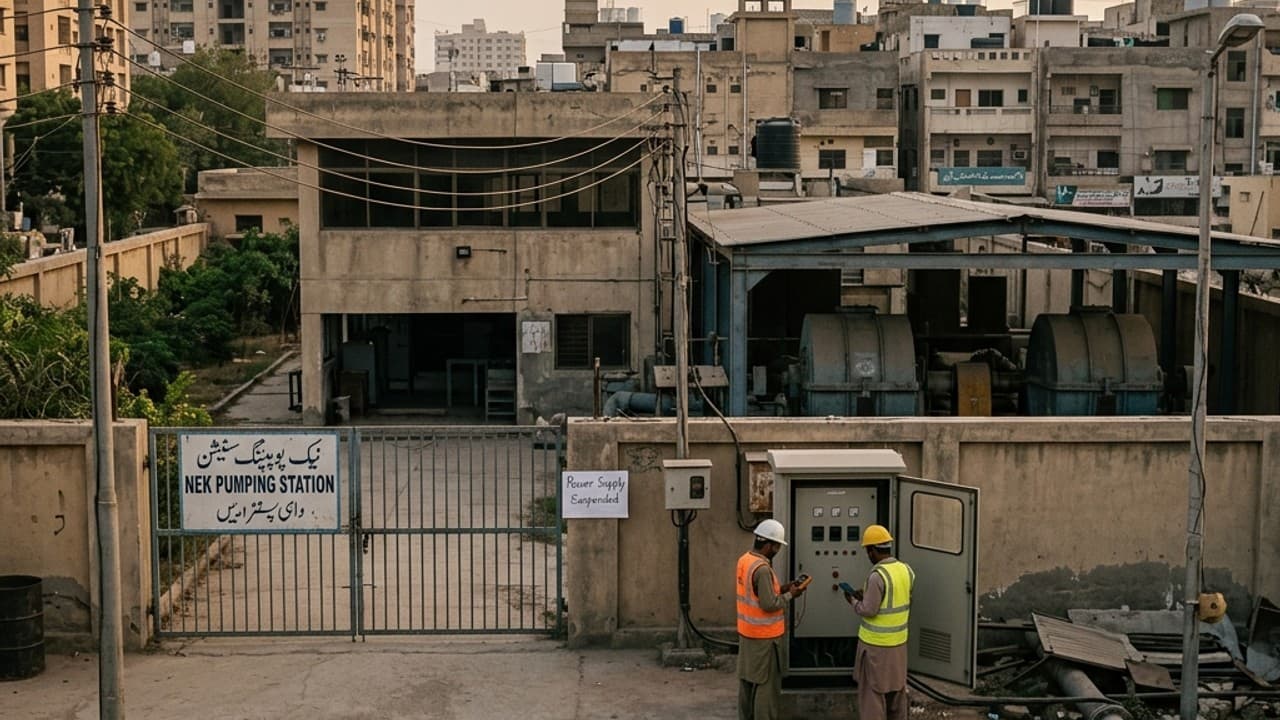
Karachi Faces 54 MGD Water Shortage After Pumping Station Power Cut
Karachi is facing a severe shortfall of 54 million gallons per day (MGD) of water after electricity supply to the NEK Pumping Station was suspended, the Karachi Water and Sewerage Corporation (KWSC) confirmed on Sunday. The suspension has crippled a critical node in the city's water distribution network, directly affecting supply across multiple residential and commercial zones in Pakistan's largest city.
The NEK Pumping Station serves as a major conduit for water transfer to large portions of Karachi's urban core. Officials at KWSC attributed the disruption to the disconnection of power by the relevant electricity distribution utility, though the reasons for the disconnection were not immediately detailed in official communications.
The 54 MGD shortfall represents a significant proportion of Karachi's daily water supply, a city of approximately 20 million people that already grapples with chronic water deficits. Civic authorities have warned that prolonged disruption could lead to acute shortages in affected neighbourhoods and compound sanitation risks.
KWSC officials have urged the relevant authorities to restore electricity supply to the pumping station as a matter of urgency. The incident again highlights the structural vulnerability of Karachi's water infrastructure to power disruptions, a recurring challenge that has drawn persistent criticism from civic groups and urban planners.
Similar Stories
Background and related coverage on this story.
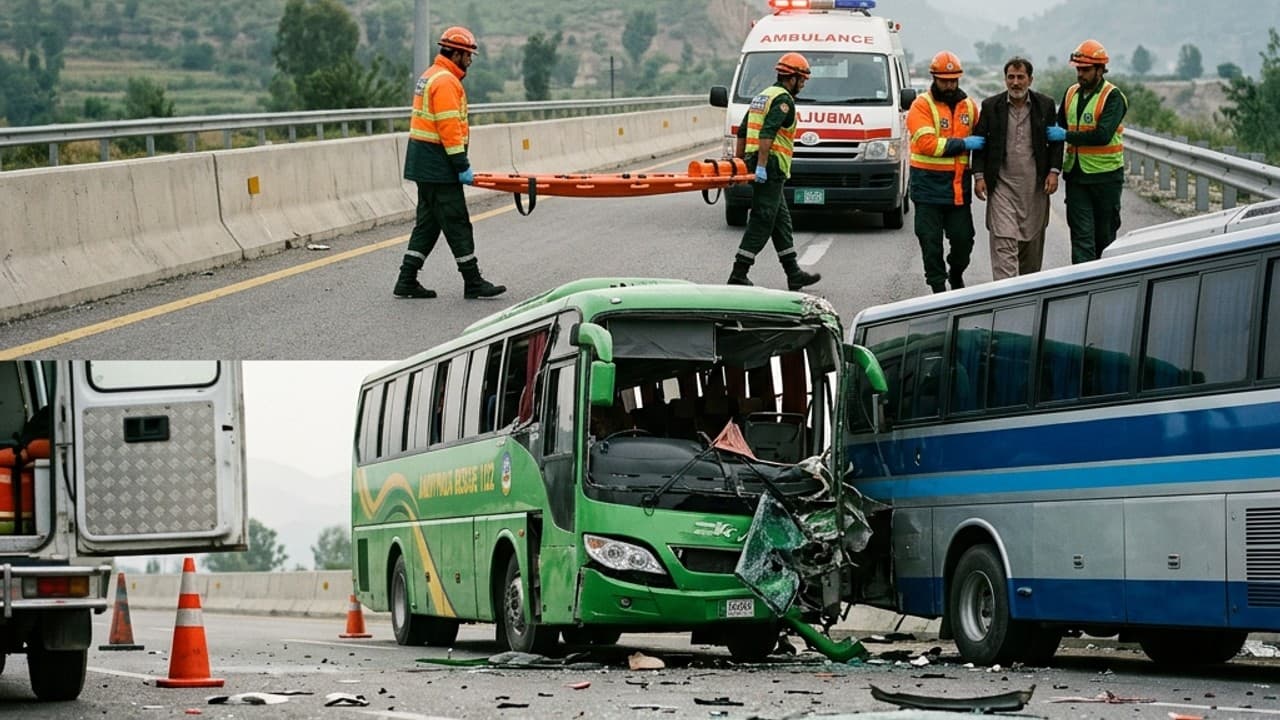
16 Killed as Passenger Coach Hits Parked Bus on Swat Motorway
At least 16 people were killed and seven others injured on Monday when a passenger coach collided with a stationary bus on the Swat Motorway, in one of the deadliest road accidents recorded in Khyber Pakhtunkhwa this year. Emergency services rushed to the scene following reports of the high-speed collision, with rescue teams extracting victims from the wreckage of the coach which suffered severe structural damage on impact.
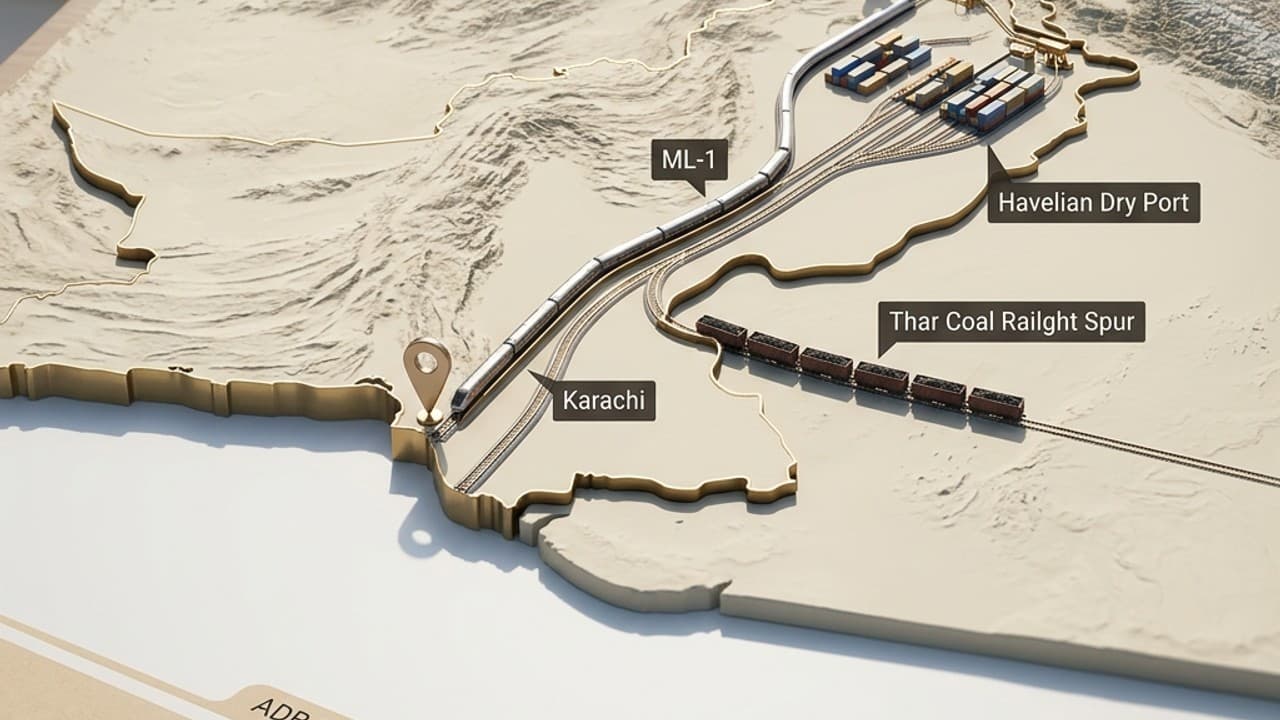
ECNEC Approves ML-1, Havelian Dry Port and Thar Coal Rail Projects
The Executive Committee of the National Economic Council has approved the Main Line-1 railway upgrade project along with the Havelian dry port and Thar coal railway projects, marking one of the most significant infrastructure investment decisions of the current fiscal year. ECNEC clearance unlocks formal procurement and implementation processes for the three strategically important projects.
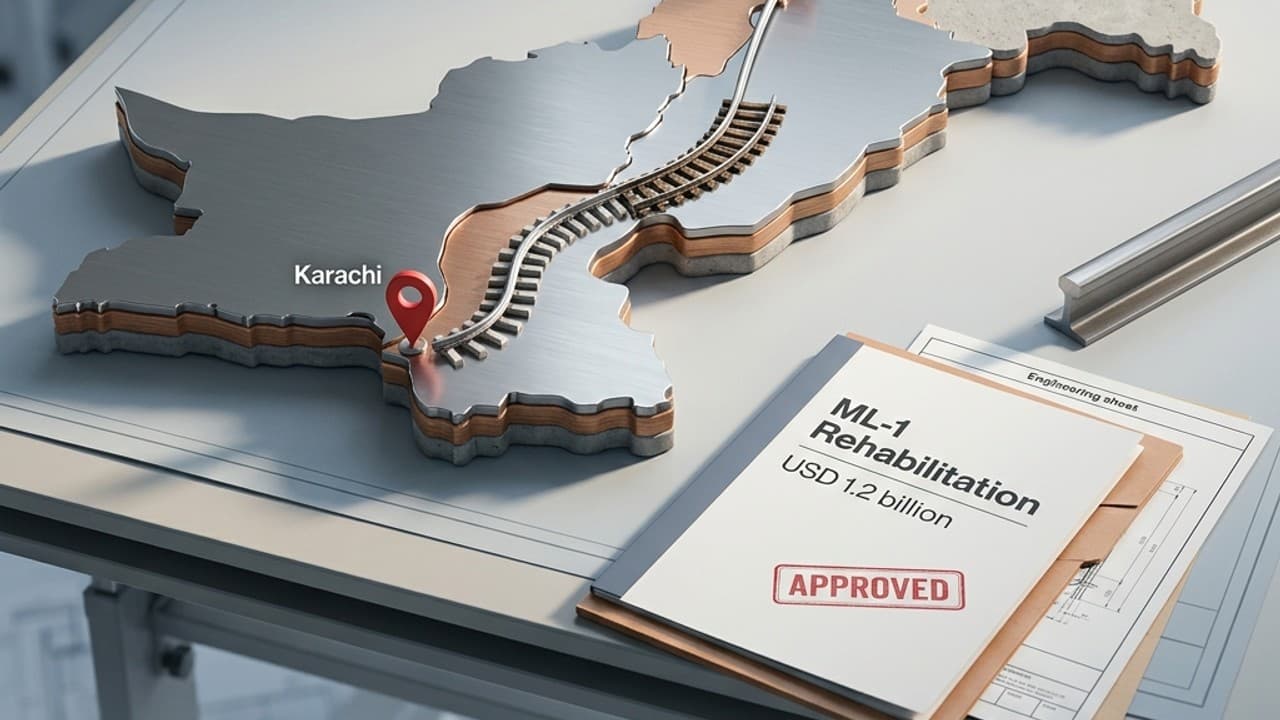
ADB set to approve USD 1.2 billion ML-1 railway rehabilitation financing
The Asian Development Bank is expected to approve USD 1.2 billion in financing for the rehabilitation of Pakistan's Main Line-1 railway project, marking a major breakthrough for the country's most critical rail corridor. The approval would unlock the first significant tranche of multilateral funding for ML-1, which stretches approximately 1,872 kilometres from Karachi to Peshawar.
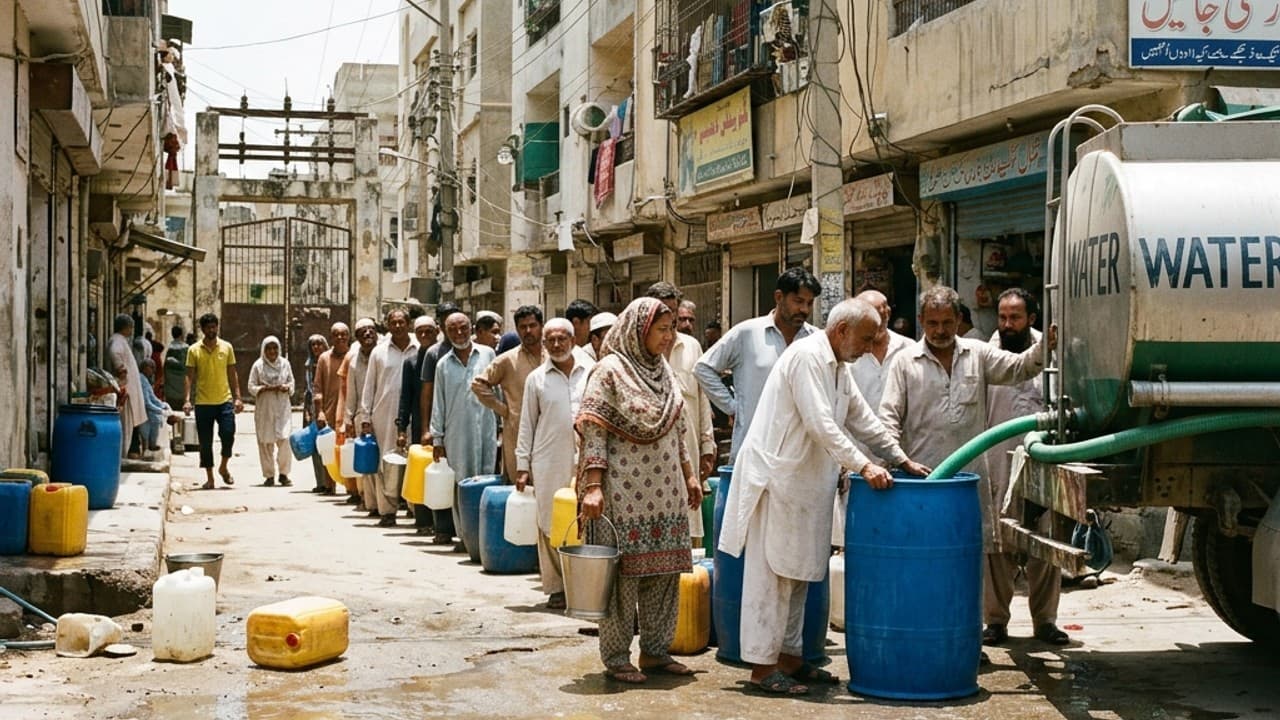
Power Outages Cripple Karachi Water Supply for Third Consecutive Day
Power outages persisting for a third consecutive day continue to severely disrupt Karachi's water supply system, with no relief in sight for millions of residents already enduring sweltering summer temperatures, officials and residents confirmed Tuesday. The prolonged electricity failures have knocked out pumping stations across the city, halting the distribution of water to large swathes of Karachi's residential and commercial areas.
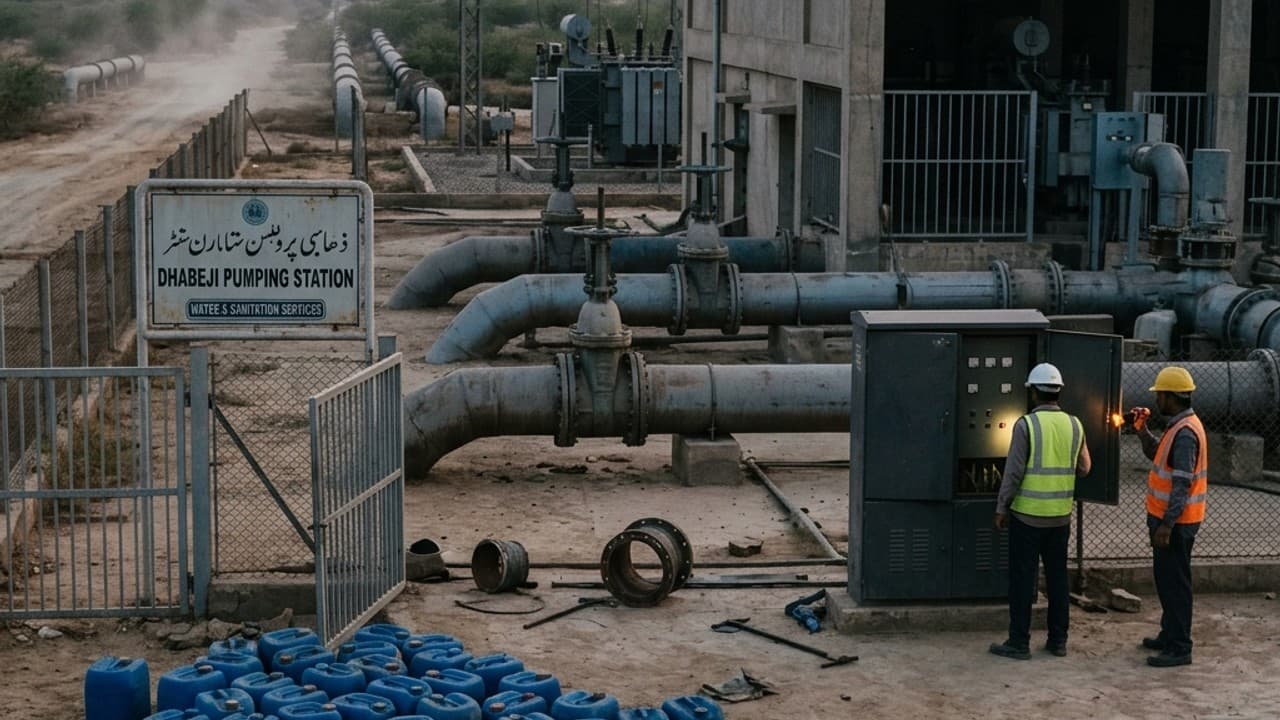
Power Outage at Dhabeji Station Worsens Karachi Water Crisis
Karachi's chronic water shortage has taken a sharper turn as a power outage struck the Dhabeji Pumping Station, one of the city's most critical water supply nodes, further restricting the flow of water to millions of residents across the metropolis. The Dhabeji station forms a linchpin of the Hub Canal water supply system, and any disruption to its operations cascades rapidly into severe shortfalls across low-pressure zones and peripheral neighbourhoods already bearing the brunt of inequitable distribution.
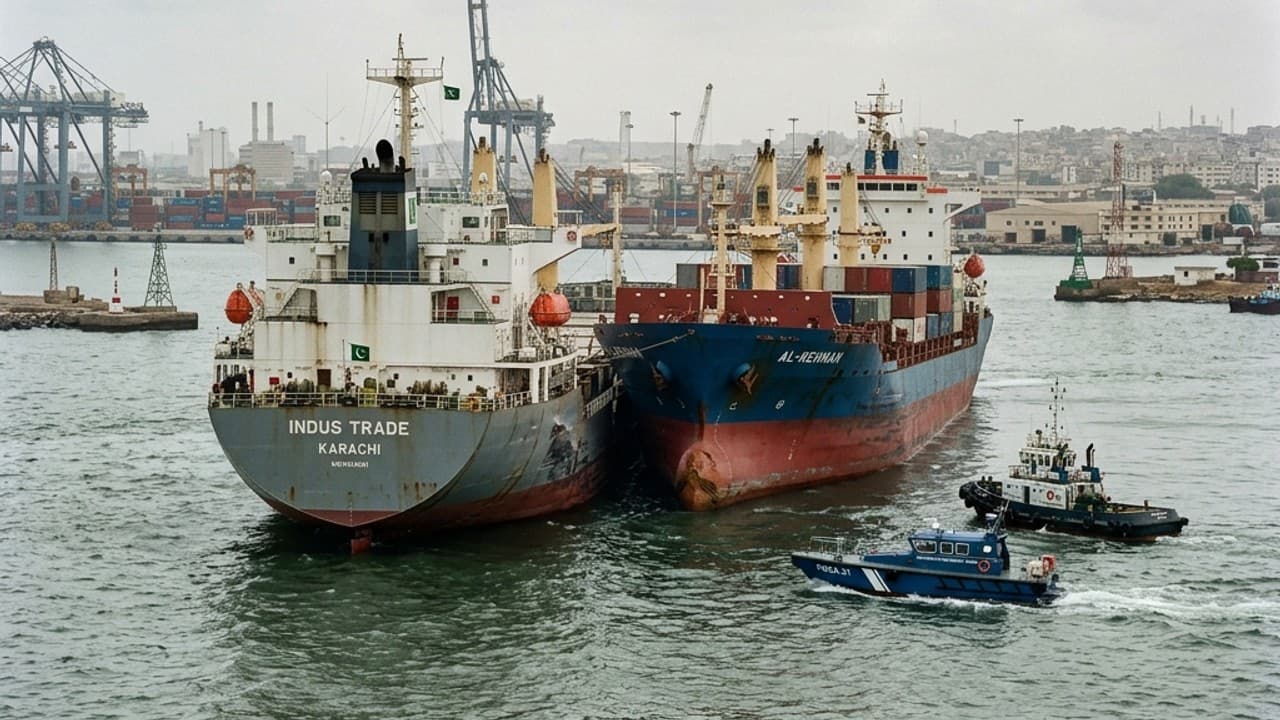
Two Cargo Ships Collide Near Karachi Port in Maritime Incident
Two cargo ships have collided in waters near Karachi Port, Pakistan's principal commercial maritime gateway, in an incident that raises immediate concerns about navigational safety, port operations, and potential disruption to cargo handling and trade flows. Karachi Port handles the bulk of Pakistan's seaborne trade, and any disruption to vessel movements in its approaches can have cascading effects on import and export logistics, particularly for time-sensitive cargo.