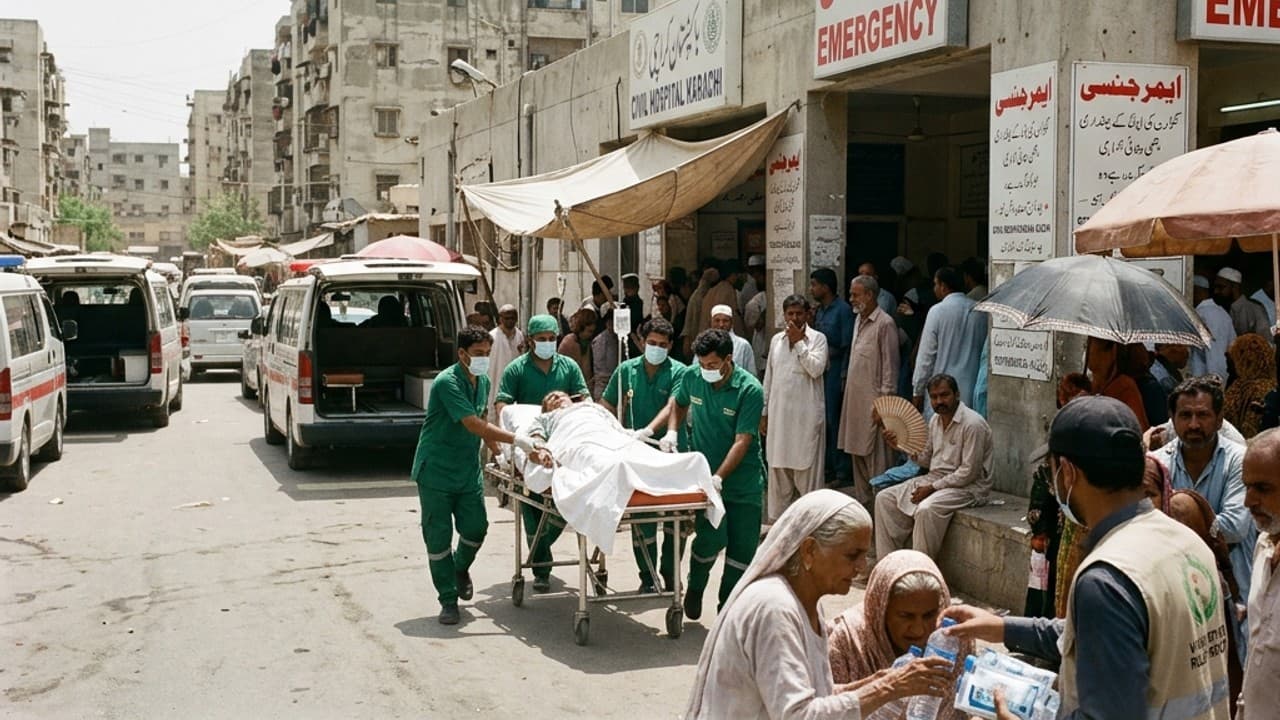
Karachi Records Hottest Day in Eight Years, Ten Found Dead
Karachi has endured its hottest day in eight years, with temperatures breaching historic thresholds and claiming at least ten lives as the city's residents struggled to cope with an unprecedented heat emergency. The deaths, reported across different districts of the metropolis, are believed to be directly linked to heatstroke and heat exhaustion.
The scorching conditions overwhelmed public hospitals, which received a significant influx of patients presenting with heat-related illnesses. Emergency wards at major city facilities, including those in Lyari, Korangi, and the city centre, reported sustained pressure throughout the day as ambulance services remained in a state of continuous deployment.
Karachi's chronic vulnerabilities — including frequent power outages, inadequate green cover, dense informal settlements with limited ventilation, and a large outdoor labour workforce — have amplified the human cost of the heatwave. Local civil society groups began distributing water and oral rehydration salts in the city's most affected low-income neighbourhoods.
City authorities have urged residents to remain indoors between 11am and 4pm, closed certain outdoor markets, and called on private sector employers to adjust working hours for field staff. Climate scientists warn that events of this magnitude are becoming more frequent and severe, underscoring the urgent need for urban heat resilience planning in Pakistan's largest city.
Similar Stories
Background and related coverage on this story.
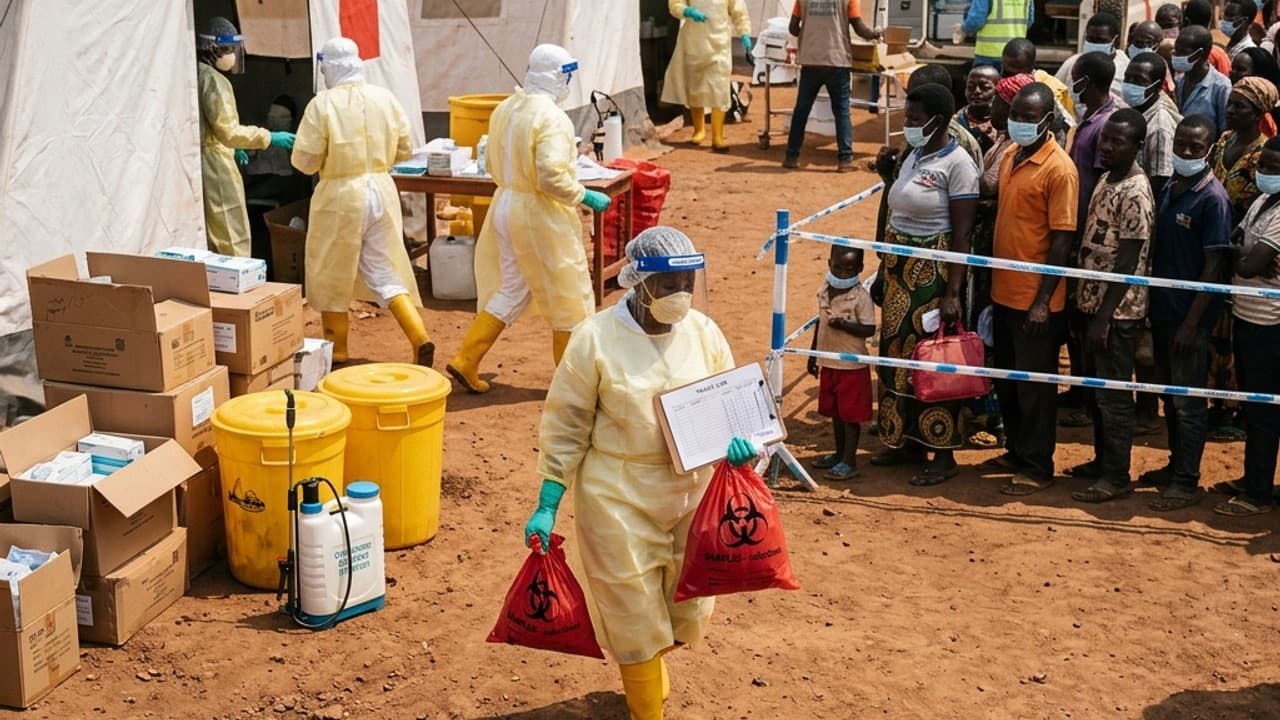
WHO Warns Ebola Deaths Hit 220 as Epidemic Accelerates
The Director-General of the World Health Organization has issued a stark warning that suspected Ebola deaths have reached 220, declaring that the epidemic is outpacing containment efforts. The statement signals a critical deterioration in the public health response as transmission continues to spread faster than intervention systems can respond.
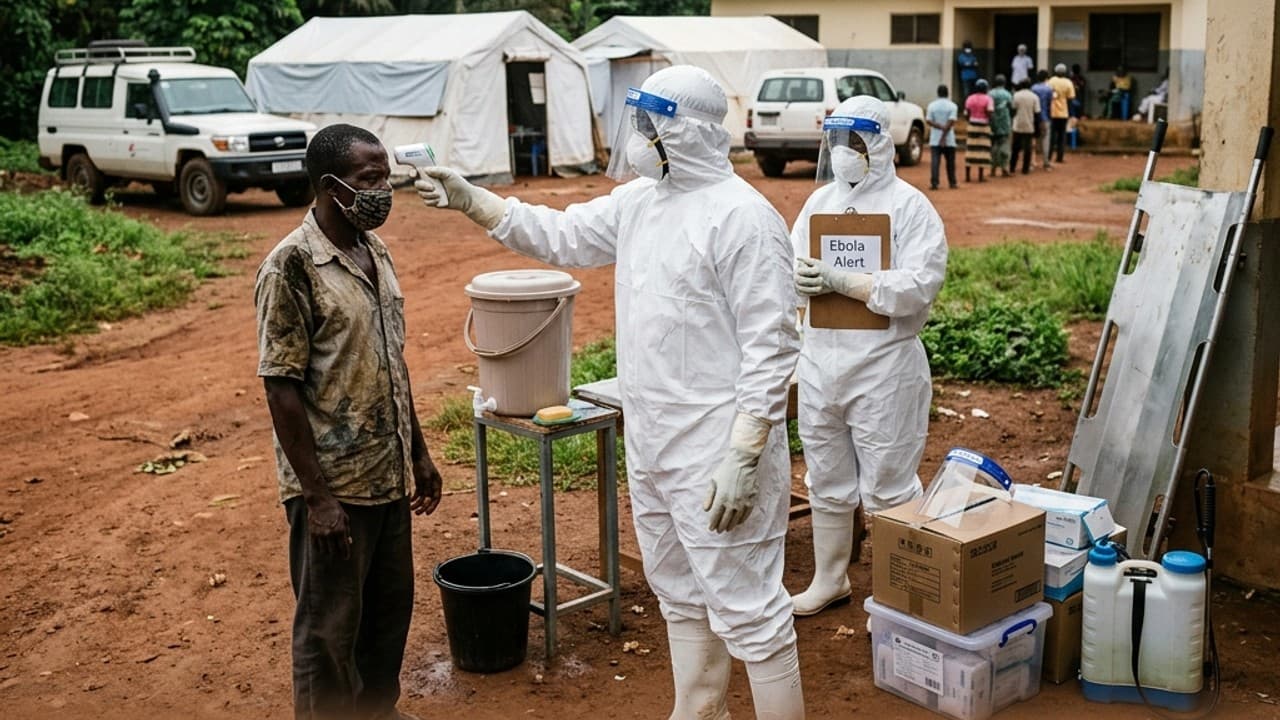
WHO Declares Ebola Outbreak in Central Africa a Global Health Emergency
The World Health Organisation has declared an Ebola outbreak in Central Africa a public health emergency of international concern following approximately 80 suspected deaths, triggering the organisation's highest level of global alert and mobilising international response mechanisms. The declaration activates coordinated international containment protocols and compels member states to heighten surveillance and preparedness measures.
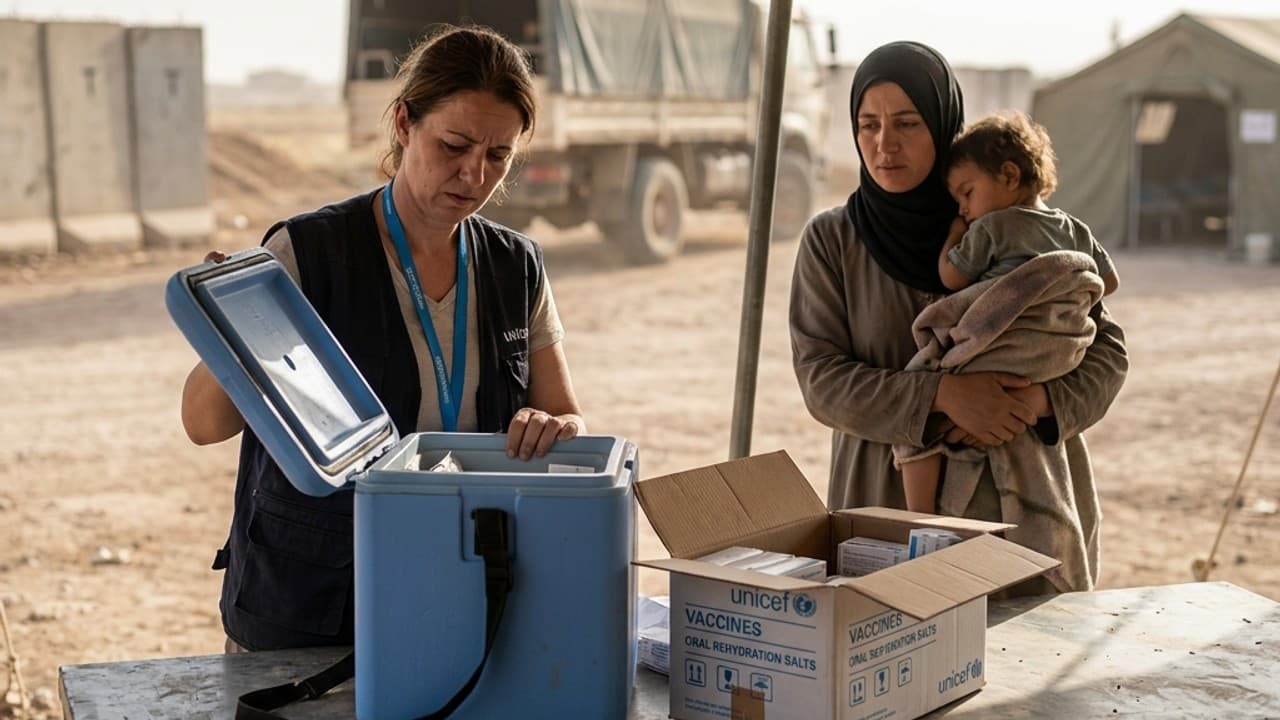
UN Warns Iran War Disrupting Lifesaving Supplies for Children
The United Nations has issued an urgent warning that the ongoing war involving Iran is severely disrupting the delivery of lifesaving medical supplies and humanitarian aid destined for children across the affected region. UN agencies report that conflict-related blockades, damaged logistics infrastructure, and heightened insecurity along supply routes have halted or delayed critical shipments of vaccines, medicines, and nutritional supplements.
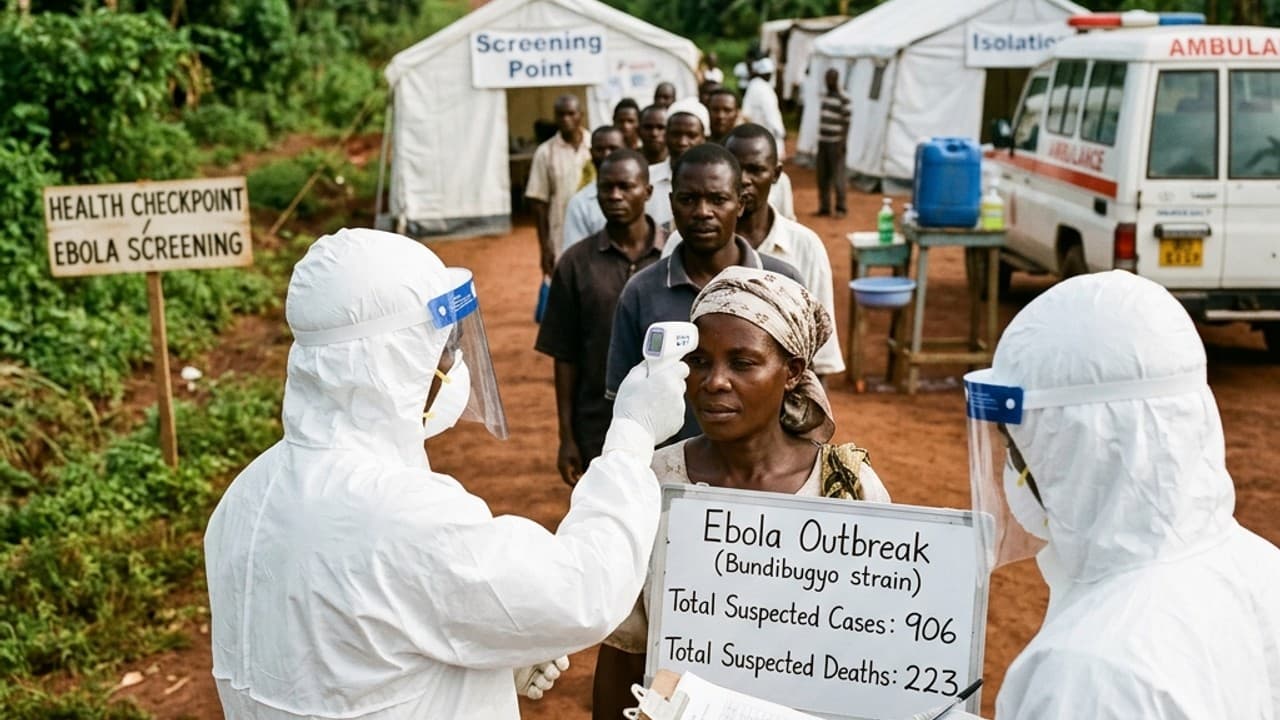
WHO Reports 906 Suspected Ebola Cases from Bundibugyo Strain
The World Health Organisation has reported 906 suspected cases and 223 suspected deaths linked to the Bundibugyo strain of the Ebola virus, raising serious international public health concerns over the trajectory of the current outbreak. The Bundibugyo strain, first identified in Uganda in 2007, is among the less commonly occurring but virulent variants of the Ebola virus family.

CM Maryam Nawaz Undergoes Major Surgery at Lahore Hospital
Punjab Chief Minister Maryam Nawaz Sharif has undergone a major surgical procedure at a hospital in Lahore, a senior Punjab government minister confirmed on Thursday. The disclosure marks the first official acknowledgement of the nature of the procedure, which had previously not been described in detail by provincial authorities.
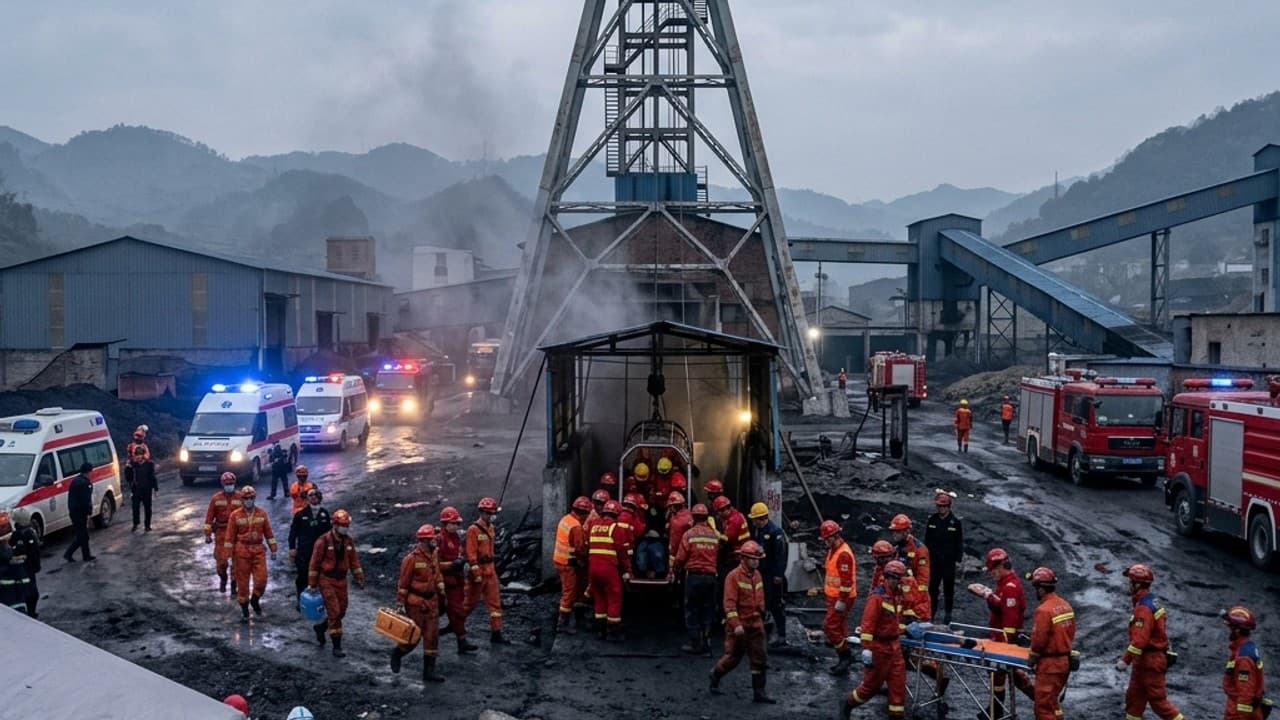
China Coal Mine Blast Kills at Least 82 in Deadliest Recent Accident
A massive gas explosion tore through a coal mine in China on Monday, killing at least 82 people in one of the deadliest industrial accidents to strike the country's mining sector in recent years. Rescue teams were deployed to the site as authorities confirmed the death toll and warned that it could rise further as operations continue underground.