
Microwave Technology Emerges as Viable 5G Backhaul Alternative
Microwave transmission technology is being reassessed as a cost-effective and deployable alternative to fibre optic infrastructure for 5G backhaul networks, as telecommunications operators globally grapple with the expense and complexity of rolling out next-generation connectivity.
Advances in microwave capacity and spectral efficiency have narrowed the performance gap with fibre, making it a technically credible option for backhaul in dense urban environments and remote geographies alike. Industry analysts argue that the technology's flexibility and lower capital expenditure requirements position it as a practical solution for operators seeking rapid 5G deployment without waiting for full fibre buildout.
For markets like Pakistan, where fibre penetration remains uneven and spectrum assets are underutilised, the renewed case for microwave backhaul has direct policy relevance. Regulators and mobile network operators could potentially accelerate 5G rollout timelines by integrating microwave infrastructure into their backhaul architecture.
The debate reflects a broader rethinking of connectivity infrastructure strategy, in which no single medium dominates and hybrid networks combining fibre, microwave, and satellite links are emerging as the operational standard for resilient 5G systems.
Similar Stories
Background and related coverage on this story.
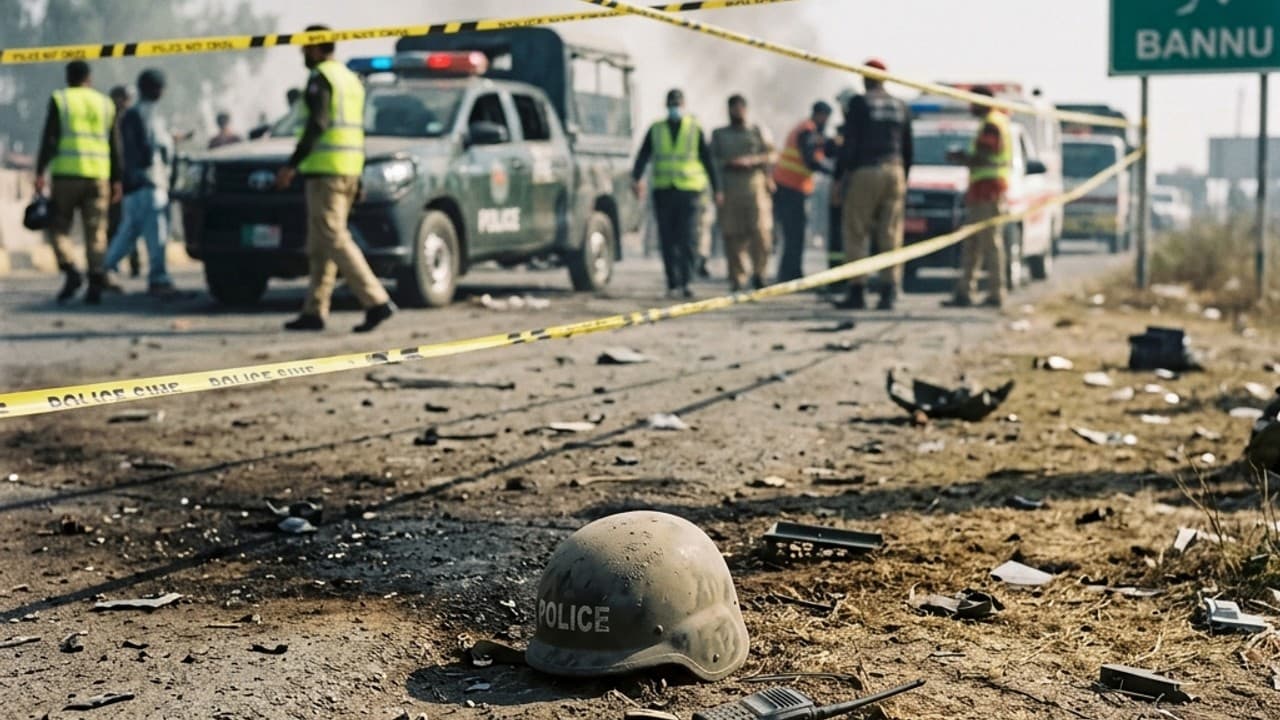
Suicide Bomb Attack Kills 15 Police Officers in Bannu
A suicide bomb attack in Bannu, Khyber Pakhtunkhwa, has claimed the lives of at least 15 police personnel, in one of the deadliest targeted strikes against law enforcement in the region this year. The attack underscores the persistent and grave security threat facing security forces in Pakistan's restive border districts.

Suicide Bomber Kills At Least 15 Police Officers in Bannu
At least 15 police personnel were martyred on Sunday in a suicide bombing attack in Bannu, Khyber Pakhtunkhwa, in one of the deadliest single strikes against law enforcement in the region in recent months. The attack, which targeted a police contingent, marks a significant escalation in militant violence against security forces in the volatile southern KPK district.
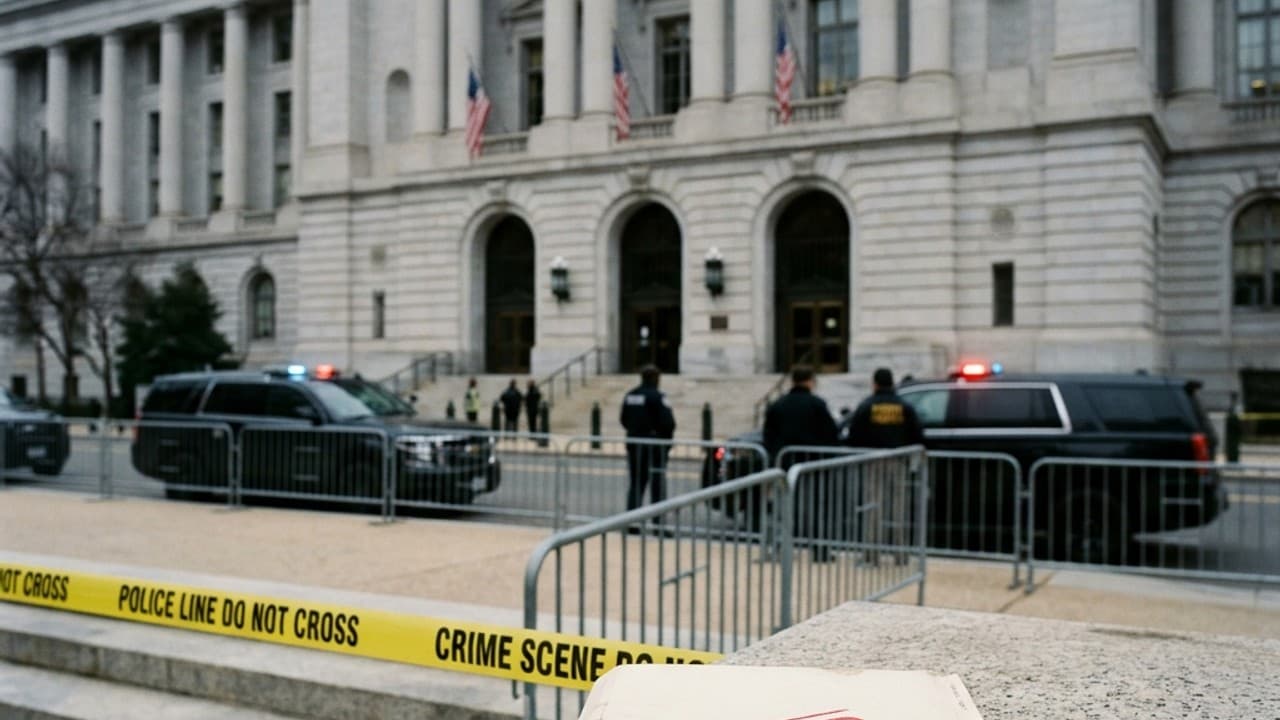
Washington Dinner Shooter Charged with Attempting to Assassinate Trump
A suspect in a shooting that took place at a Washington dinner event has been formally charged with attempting to assassinate United States President Donald Trump, in what authorities are treating as one of the most serious threats to a sitting American president in recent memory. The charges mark a significant escalation in the legal proceedings following the incident.
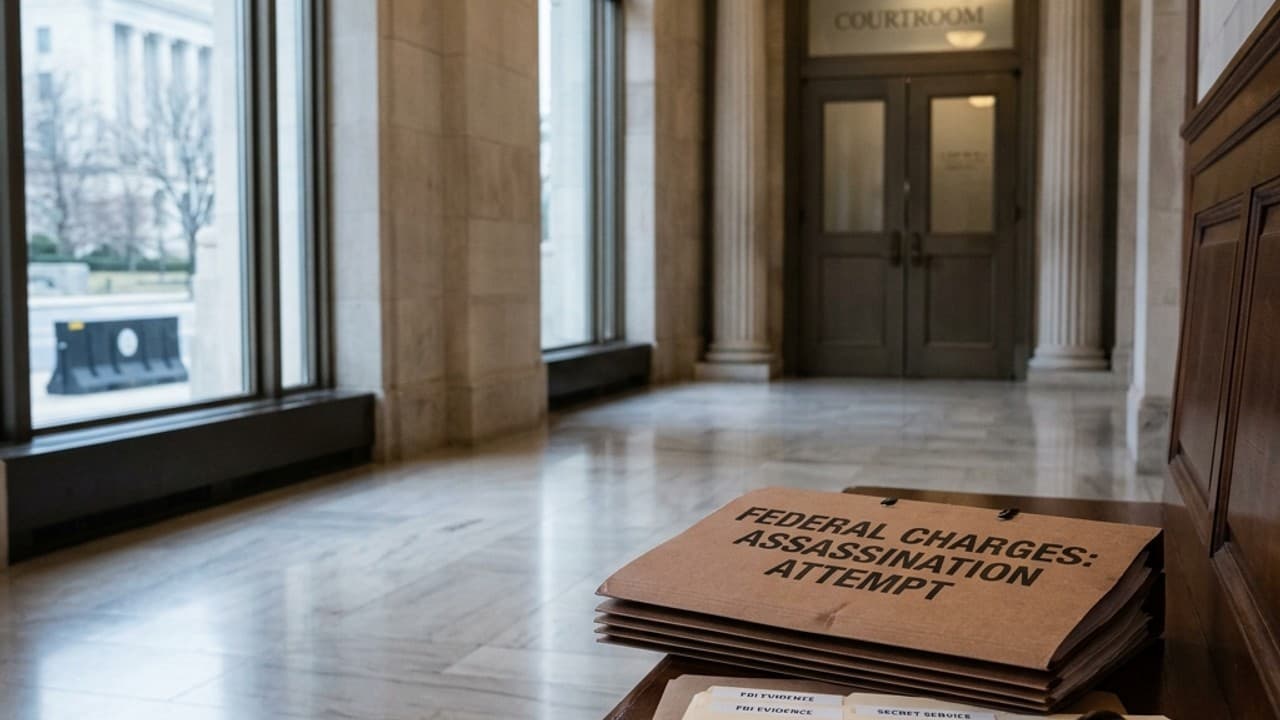
Washington Dinner Shooting Suspect Charged with Trump Assassination Attempt
In a new development, the suspect linked to the shooting at a Washington dinner event has been formally charged with attempting to assassinate US President Donald Trump, elevating the legal status of the case from a firearms incident to a federal assassination attempt charge, one of the most serious offences under American law. The charge marks a significant escalation in the case, which had previously been covered as a shooting incident at a social event in the capital.
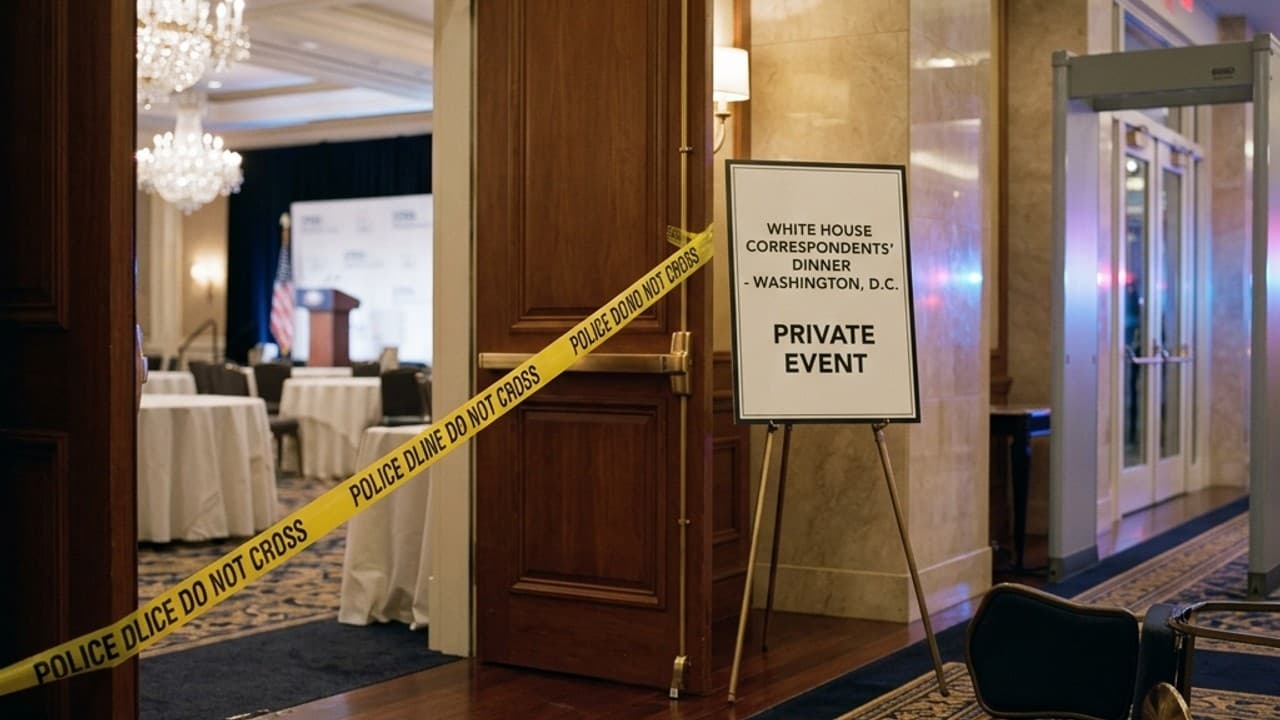
Trump Named Likely Target in White House Correspondents' Dinner Shooting
A United States official has confirmed that President Donald Trump was the likely intended target of a shooting incident that occurred at or near the White House Correspondents' Dinner, a high-profile annual event attended by senior government figures, journalists, and public personalities. The disclosure marks a severe escalation in concerns over the security of the sitting US president.
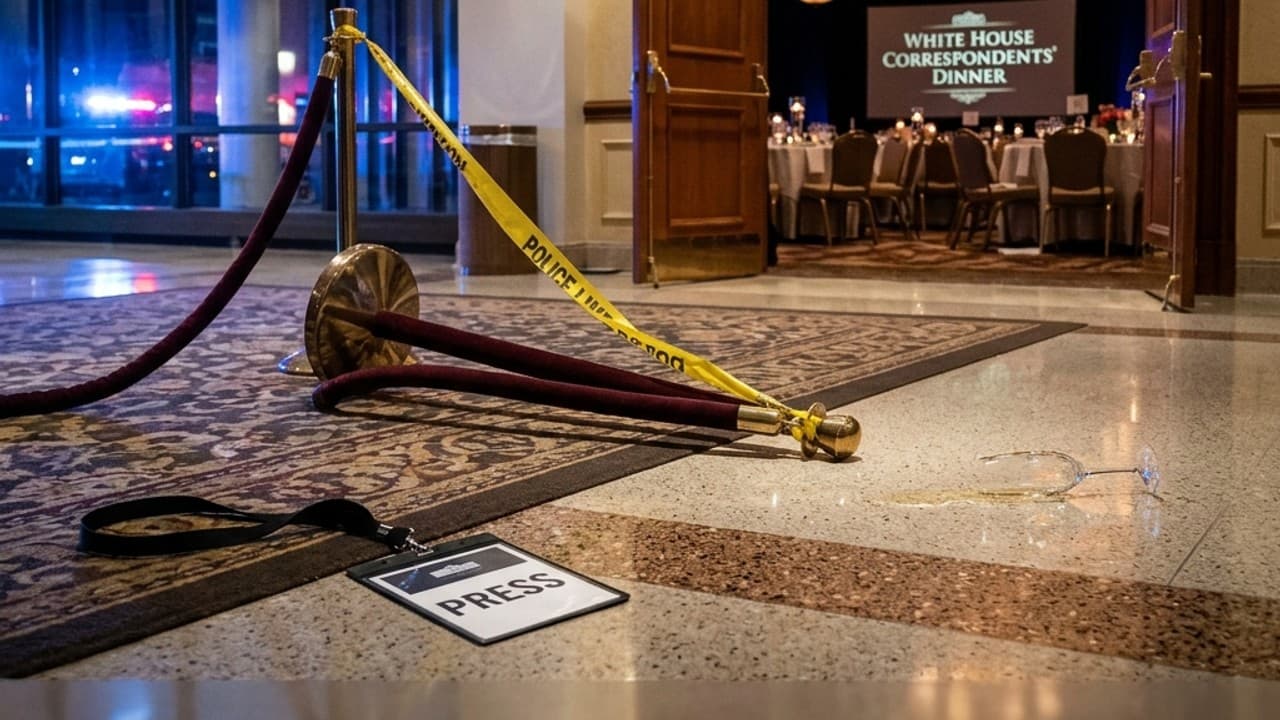
Gunman Targets Trump Officials at White House Correspondents' Dinner
A gunman believed to be targeting senior officials of the Trump administration opened fire at or near the White House Correspondents' Dinner on Sunday, according to a senior US official and the US Attorney General. The attack represents one of the most serious security incidents involving top American leadership in recent memory, with investigators confirming the apparent intent to target the President and his cabinet-level officials.