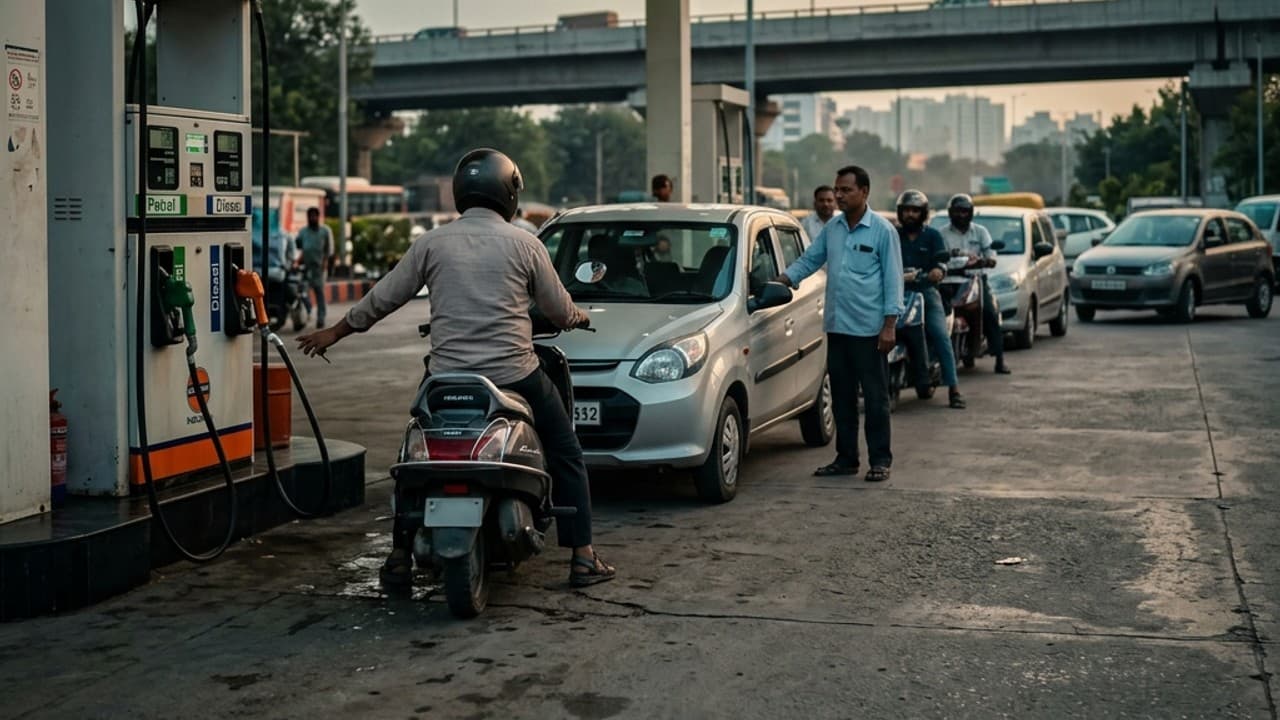
Modi Urges Indians to Cut Fuel Use as Middle East War Bites
Indian Prime Minister Narendra Modi on Sunday urged citizens to voluntarily reduce petrol and diesel consumption as Middle East war disruptions continue to squeeze global energy supply lines. The appeal, framed in terms of national resilience and energy security, reflects growing anxiety in New Delhi over sustained pressure on India's fuel import bill.
India is among the world's largest importers of crude oil and relies heavily on Middle East suppliers for the bulk of its petroleum needs. Prolonged conflict in the region has complicated shipping routes, pushed insurance premiums higher, and introduced volatility into procurement cycles, all of which translate directly into domestic price pressures.
Modi's call is unusual in its directness, representing a rare instance of a sitting government publicly appealing for civilian conservation behaviour in response to an external geopolitical shock. It signals that New Delhi considers the energy supply threat serious enough to require a public communication strategy alongside policy-level responses.
The development has wider regional resonance, as Pakistan and other South Asian nations face the same import-dependency vulnerabilities. Any sustained curtailment of Middle East energy flows would compound fiscal pressures on economies already managing tight foreign exchange positions.
Similar Stories
Background and related coverage on this story.
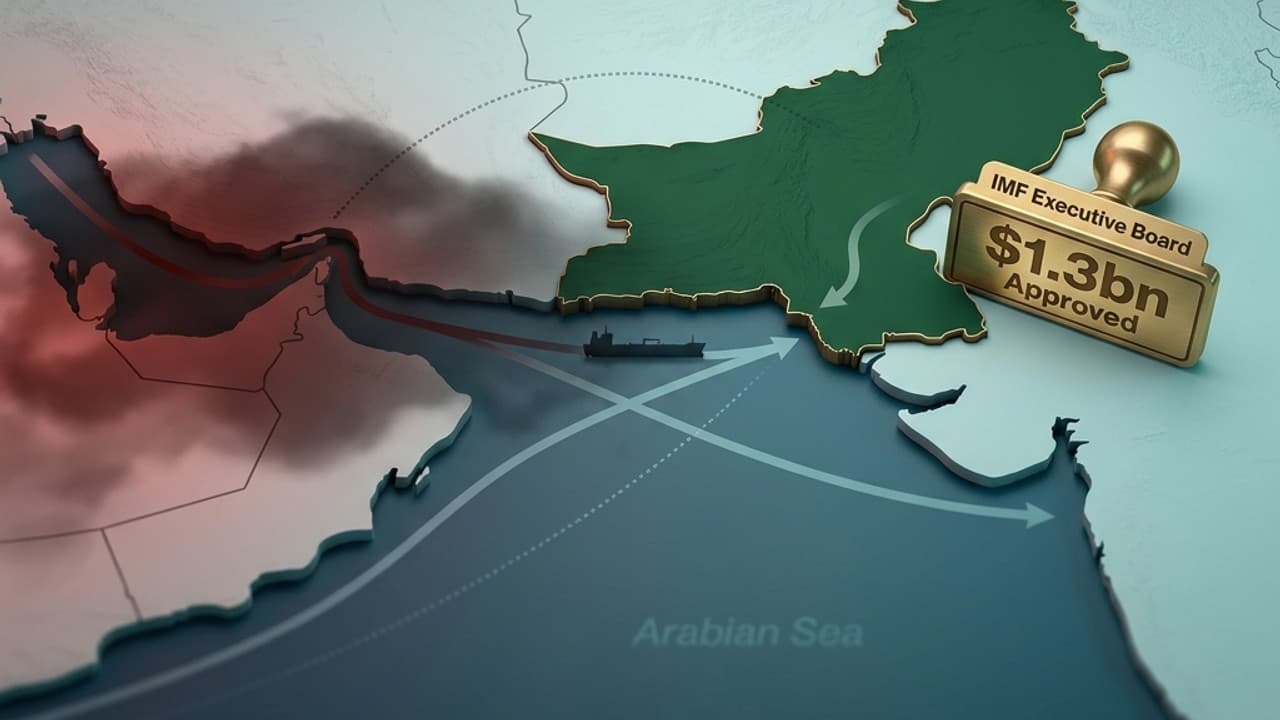
IMF Approves $1.3bn for Pakistan, Warns of Middle East War Risks
The International Monetary Fund's Executive Board has approved $1.3 billion in financing for Pakistan under its ongoing reform programme, providing a critical lifeline to an economy navigating persistent fiscal pressures and an uncertain external environment. The disbursement marks a significant milestone in Pakistan's engagement with the Fund, reflecting continued compliance with agreed benchmarks on fiscal consolidation, monetary tightening, and structural reforms.
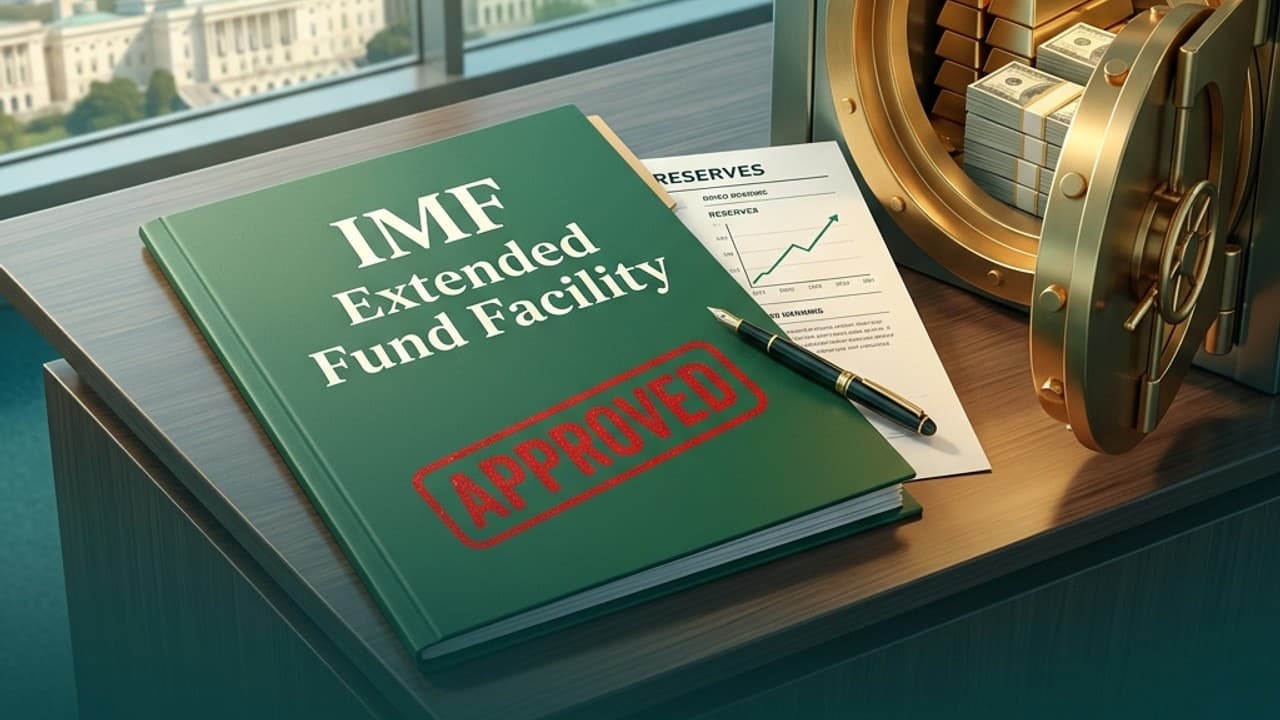
IMF Board Approves $1.32 Billion Tranche for Pakistan
The International Monetary Fund's executive board has approved a disbursement of $1.32 billion for Pakistan, providing a critical injection of external financing as the country continues to stabilise its balance of payments position. The tranche approval follows a successful programme review and signals the Fund's continued confidence in Pakistan's economic adjustment trajectory.
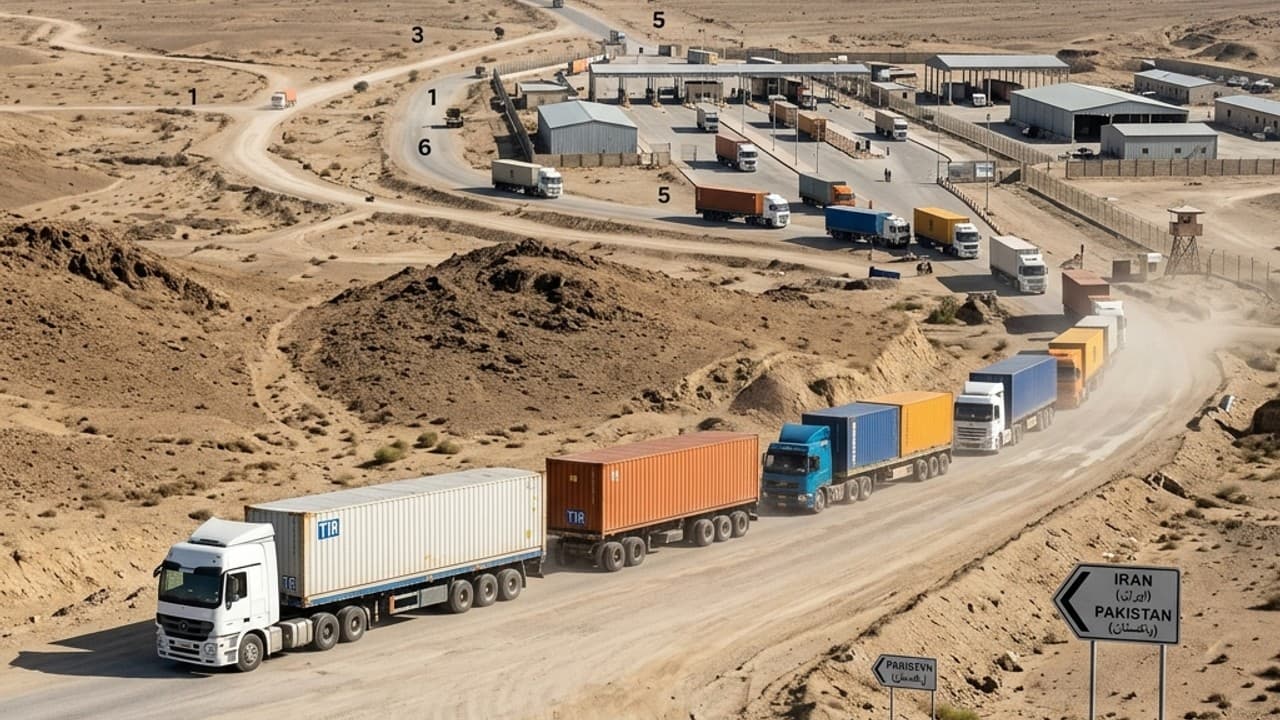
Pakistan Opens Six Land Routes for Trade with Iran Amid Hormuz Blockade
Pakistan has formally notified six overland routes for the transportation of goods to Iran as the blockade of the Strait of Hormuz and the disruption of Iranian ports continues to sever Tehran's access to maritime trade. The notification represents a substantive policy decision by Islamabad to activate alternative land corridors in response to one of the region's most serious logistical crises in years.

UN Warns Iran-Israel War Could Push 30 Million Back Into Poverty
The United Nations has issued a stark warning that the ongoing military conflict between Israel, the United States, and Iran risks pushing more than 30 million people back into poverty, with the greatest impacts expected in import-dependent developing nations and conflict-proximate economies across the Middle East and South Asia. The UN's assessment highlights the cascading economic consequences of the war, including the disruption of global oil supplies, soaring energy prices, supply chain fragmentation, and the collapse of trade routes through the Strait of Hormuz.
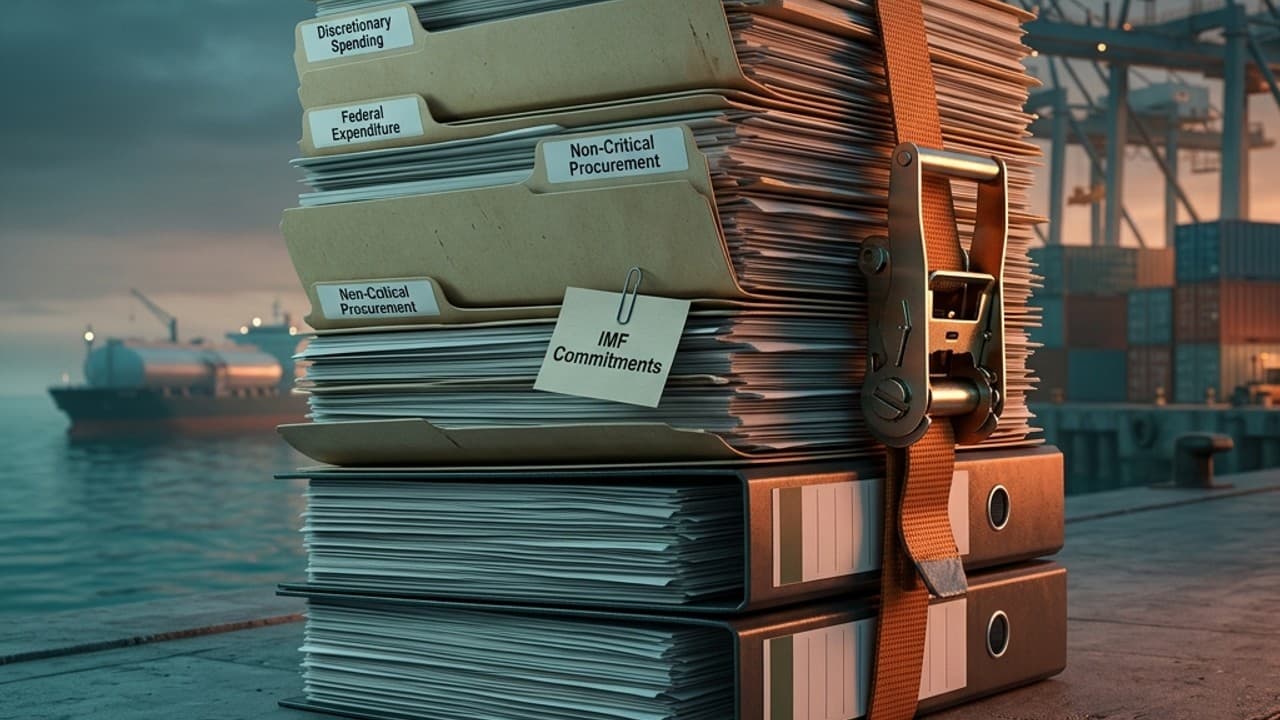
PM Extends Austerity Drive to June 13 Amid Middle East War Impact
Prime Minister Shehbaz Sharif has extended the government's austerity drive through June 13, citing the economic spillover effects of the ongoing Middle East conflict. The decision reflects Islamabad's growing concern over external account pressure as the regional war disrupts trade routes, energy supply chains, and investor confidence across vulnerable economies.
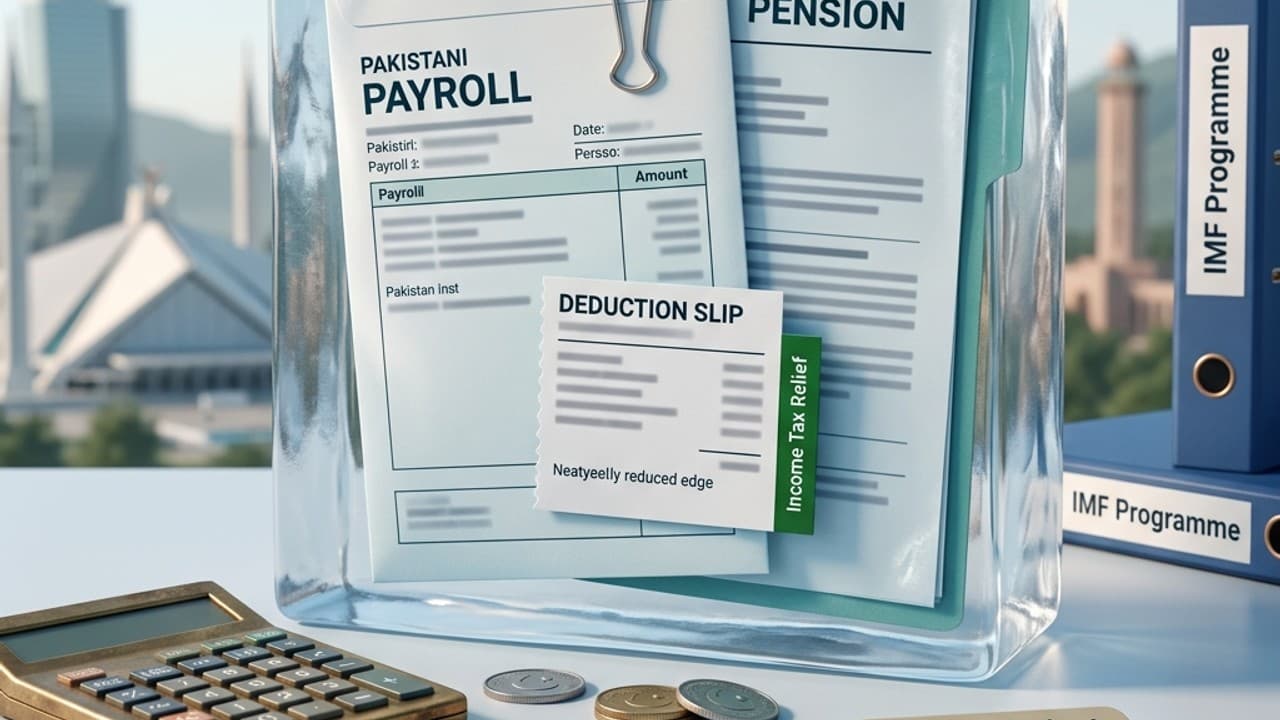
Budget may offer income tax relief as salaries, pensions face freeze
Pakistan's upcoming federal budget is expected to contain limited income tax relief for salaried individuals even as the government simultaneously moves to freeze salaries and pensions for the public sector, according to reports emerging ahead of the budget announcement. The combination signals a tight fiscal stance driven by IMF programme commitments and a structural effort to contain the wage bill without meaningfully expanding disposable incomes.