
National Assembly Passes Legislation to Strengthen Growth and Fiscal Framework
The National Assembly on Thursday passed a set of legislative measures aimed at reinforcing Pakistan's economic growth trajectory and strengthening the country's fiscal framework, as the government moves to institutionalise reforms central to its macroeconomic stabilisation agenda.
The bills, passed during a session of the lower house, are designed to provide a legal foundation for growth-oriented fiscal policies and to introduce structural discipline into public finance management. Specific provisions are expected to include measures governing expenditure controls, revenue administration, and investment facilitation — areas that the government has identified as critical to sustaining the ongoing IMF-supported programme.
The passage of the legislation signals the ruling coalition's intent to anchor reforms in law rather than rely solely on executive directives, a posture that international financial institutions have long encouraged as a marker of programme credibility. The bills now advance toward formal enactment pending procedural steps.
Economists and markets will assess the substantive content of the passed legislation carefully, particularly its alignment with IMF conditionalities and its practical enforceability. The government's fiscal consolidation record — marked by improved primary balances over recent quarters — will be tested against the legislative architecture these bills are intended to create.
Similar Stories
Background and related coverage on this story.
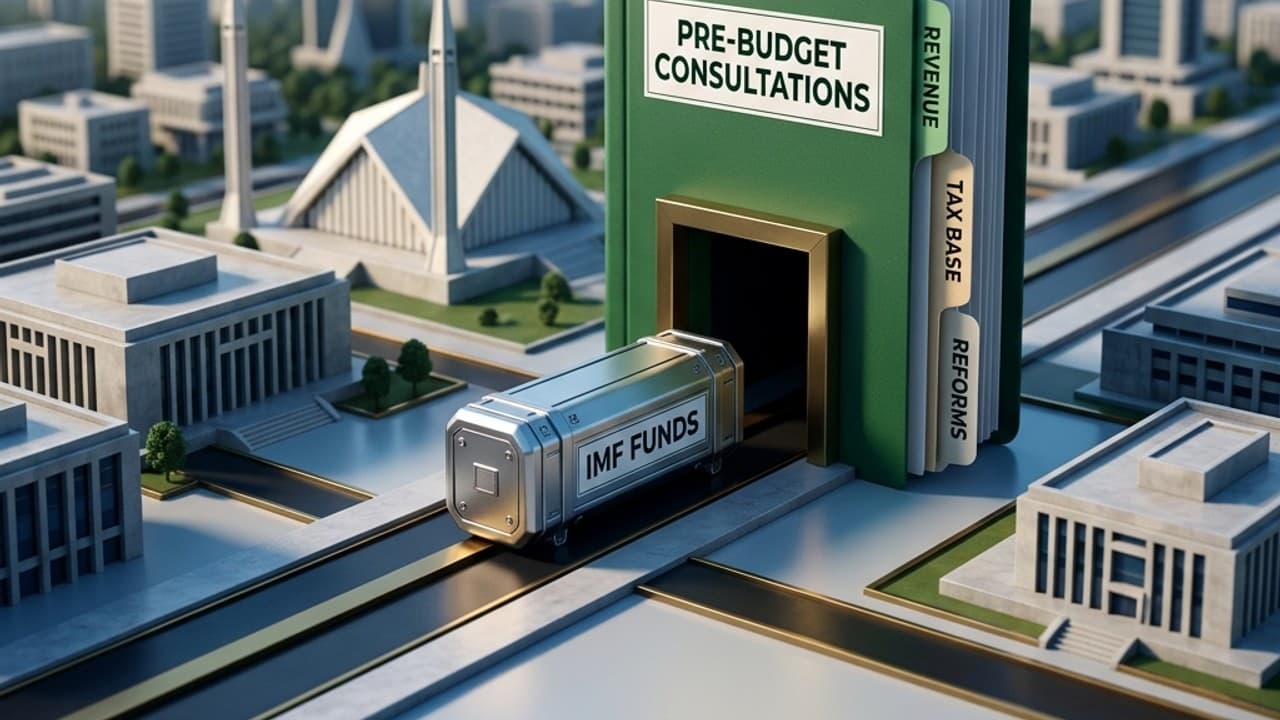
IMF Funds Reach Pakistan as Pre-Budget Consultations Begin
International Monetary Fund funds have arrived in Pakistan as the government simultaneously opened pre-budget consultations, signalling a critical juncture in the country's fiscal management and its ongoing engagement with the multilateral lender. The disbursement represents a formal tranche under Pakistan's current IMF programme, providing the government with vital external liquidity support.
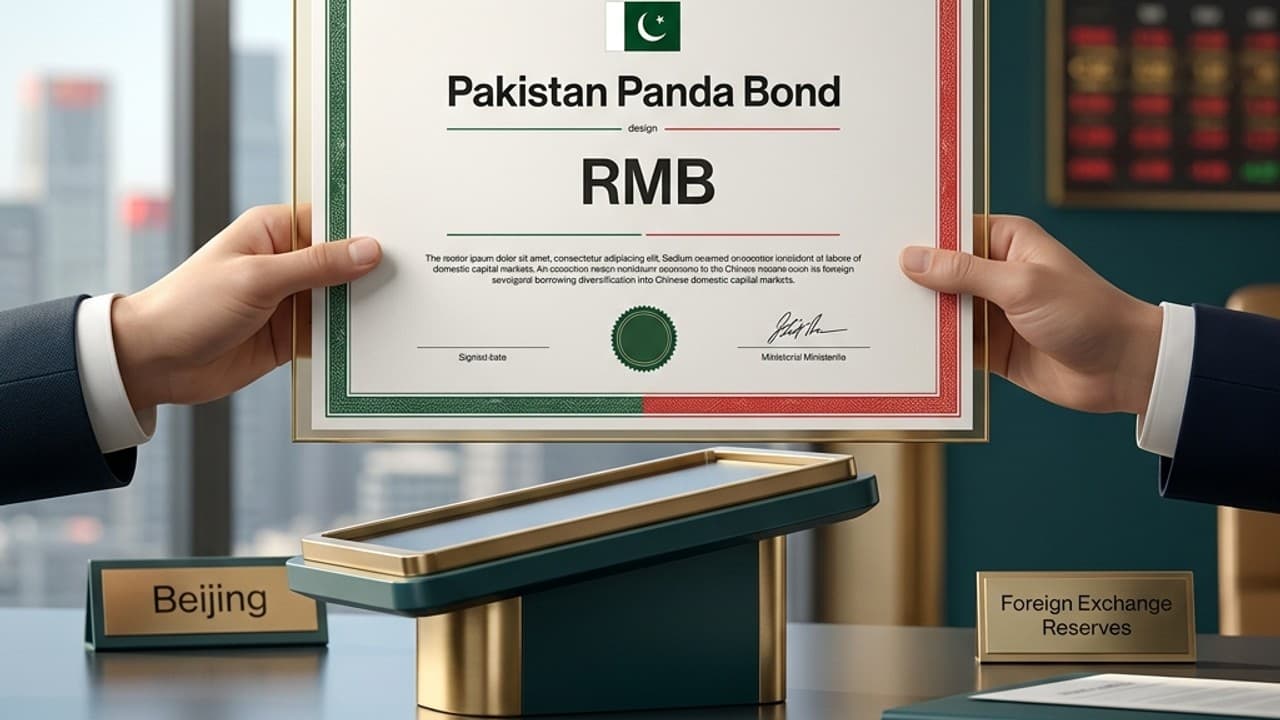
Pakistan Finance Minister Travels to China for Inaugural Panda Bond Launch
Finance Minister Muhammad Aurangzeb has departed for China to attend the launch of Pakistan's first-ever Panda Bond, a landmark development in the country's sovereign debt strategy that marks Islamabad's formal entry into Chinese capital markets. A Panda Bond is a renminbi-denominated debt instrument issued by a foreign entity in the Chinese domestic bond market.

Kevin Warsh Confirmed as Federal Reserve Chair Amid Rising Inflation
The United States Senate has confirmed Kevin Warsh as the next Chair of the Federal Reserve, handing him the reins of the world's most influential central bank at a critical juncture as inflationary pressures continue to mount across the American economy. Warsh, a former Fed governor and Wall Street veteran, secured Senate approval following a confirmation process closely watched by global financial markets.

US Senate Confirms Kevin Warsh as Federal Reserve Chairman
The United States Senate has confirmed Kevin Warsh as the new Chairman of the Federal Reserve, completing a major personnel shift in US monetary policy leadership that aligns with President Donald Trump's economic priorities. Warsh, a former Fed governor and Wall Street veteran, is widely seen as more amenable to the Trump administration's preference for lower interest rates and a more politically responsive central bank.
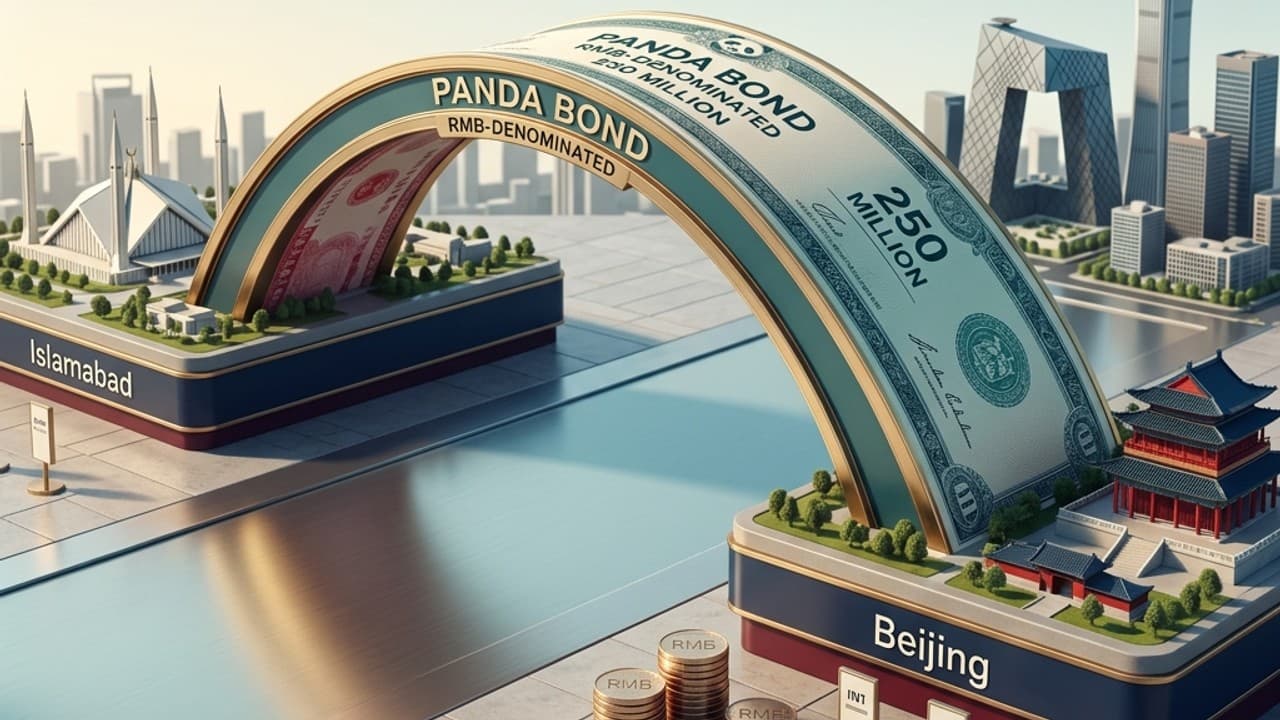
Pakistan to Launch $250 Million Panda Bond in Chinese Debt Market
Pakistan is set to launch its inaugural Panda Bond with an issue size of $250 million, marking the country's first entry into China's onshore debt capital market. The announcement was made by Khurram Schehzad, a senior financial official, and represents a significant milestone in Pakistan's strategy to diversify its external financing sources.
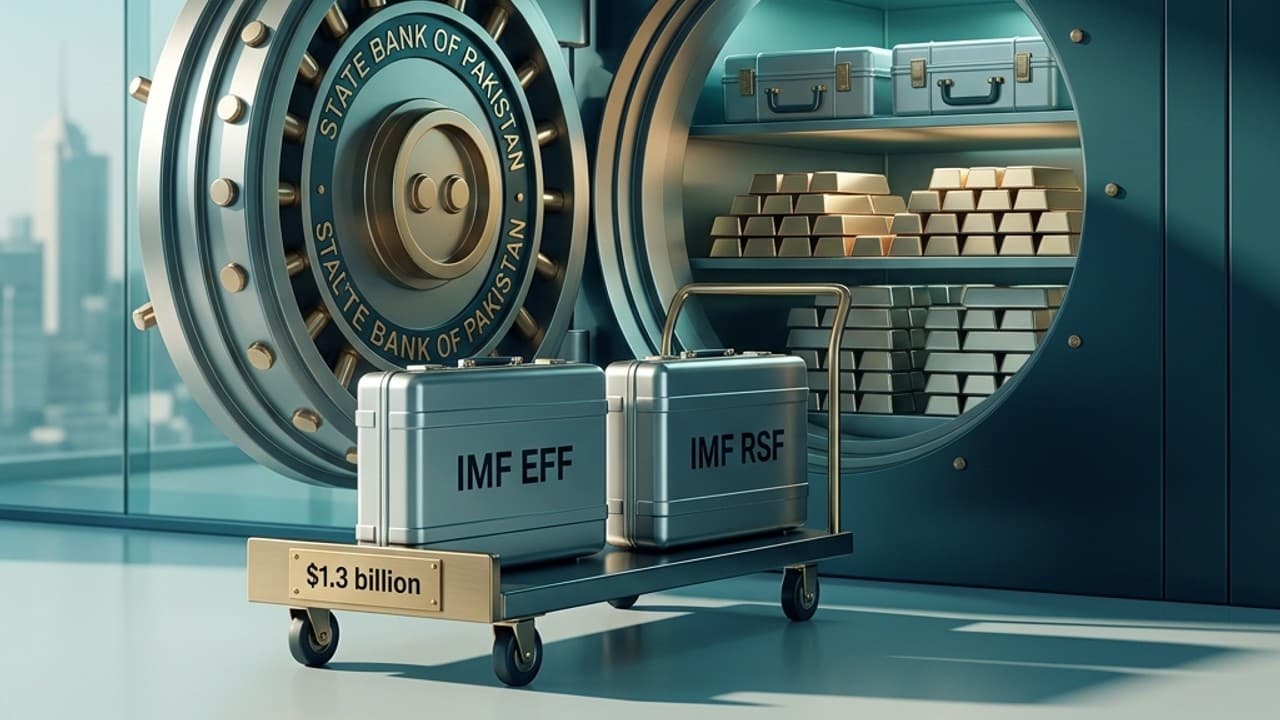
SBP receives $1.3 billion under IMF's EFF and RSF programmes
The State Bank of Pakistan has received $1.3 billion from the International Monetary Fund under the Extended Fund Facility and Resilience and Sustainability Facility programmes, providing a critical injection into the country's foreign exchange reserves at a time of continued external account pressure. The disbursement marks a milestone in Pakistan's ongoing engagement with the IMF and signals the Fund's satisfaction with Islamabad's adherence to agreed reform benchmarks.