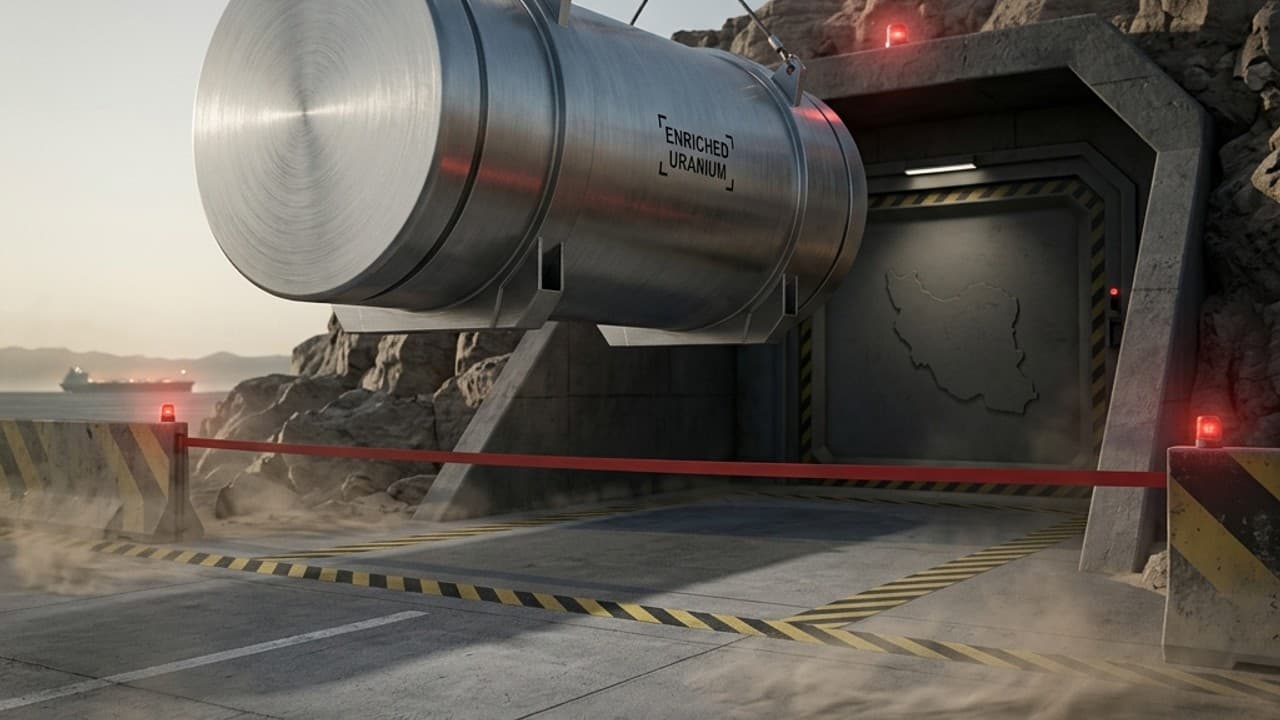
Netanyahu Warns Iran War Not Over, Demands Uranium Removal
Israeli Prime Minister Benjamin Netanyahu declared Sunday that the war with Iran is far from over, insisting that Iran's enriched uranium must be removed as a non-negotiable condition for any resolution to the ongoing conflict. The statement marks a significant hardening of Israel's public position and signals that diplomatic off-ramps remain narrow despite international pressure for de-escalation.
Netanyahu's remarks come amid continued Middle East instability that has disrupted global energy supply chains, with ripple effects reaching as far as South Asia. His insistence on uranium removal directly targets the core of Iran's contested nuclear programme, a demand Tehran has consistently rejected under any framework short of full sanctions relief.
The Israeli premier's stance complicates ongoing international efforts, including those by European powers and Gulf states, to broker a ceasefire or interim agreement. With no credible diplomatic channel publicly active between Jerusalem and Tehran, analysts warn that the conflict corridor remains dangerously open.
The broader regional fallout continues to weigh on oil markets, shipping lanes, and energy-dependent economies worldwide. Pakistan, which imports a significant share of its energy needs, remains exposed to further supply disruption if hostilities escalate beyond current levels.
Similar Stories
Background and related coverage on this story.
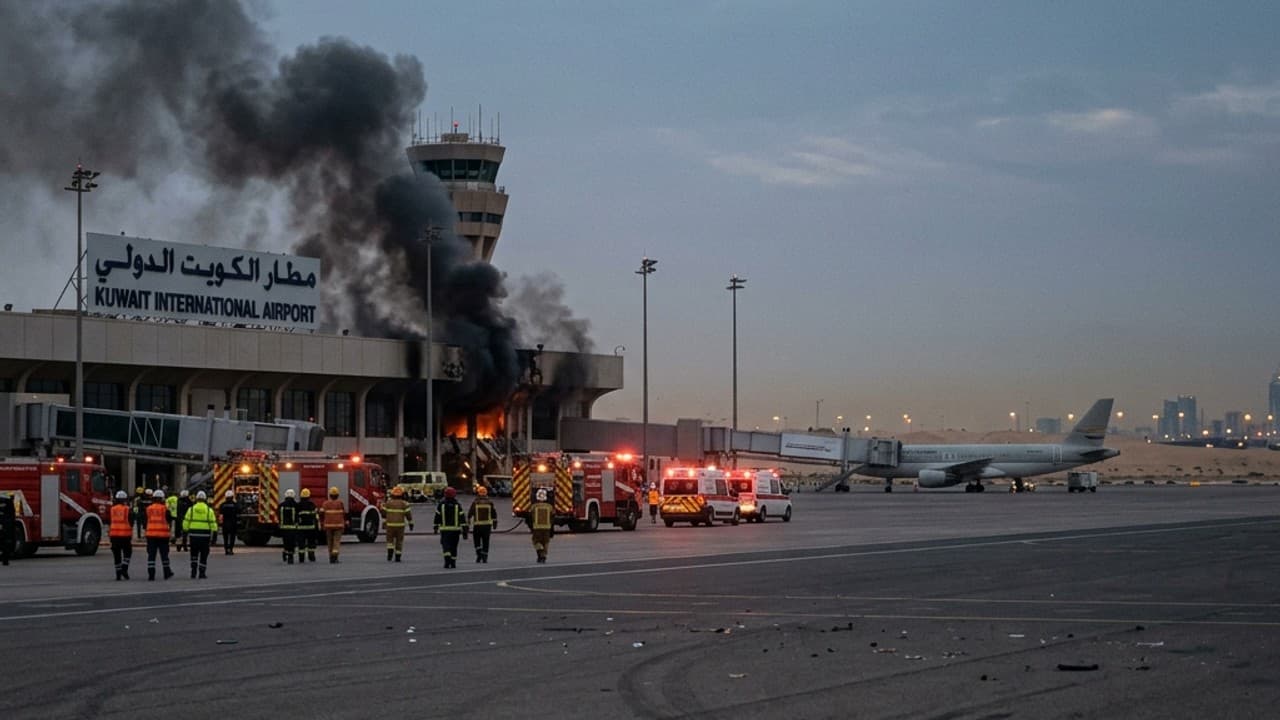
Iran Strikes Kuwait Airport With Drones and Missiles
Iran launched a drone and missile attack targeting Kuwait's main international airport, the Kuwaiti state news agency reported on Wednesday, marking a dramatic and dangerous escalation of hostilities in the Gulf region. The strike represents a direct attack on the sovereign territory and civilian infrastructure of a Gulf Cooperation Council member state.
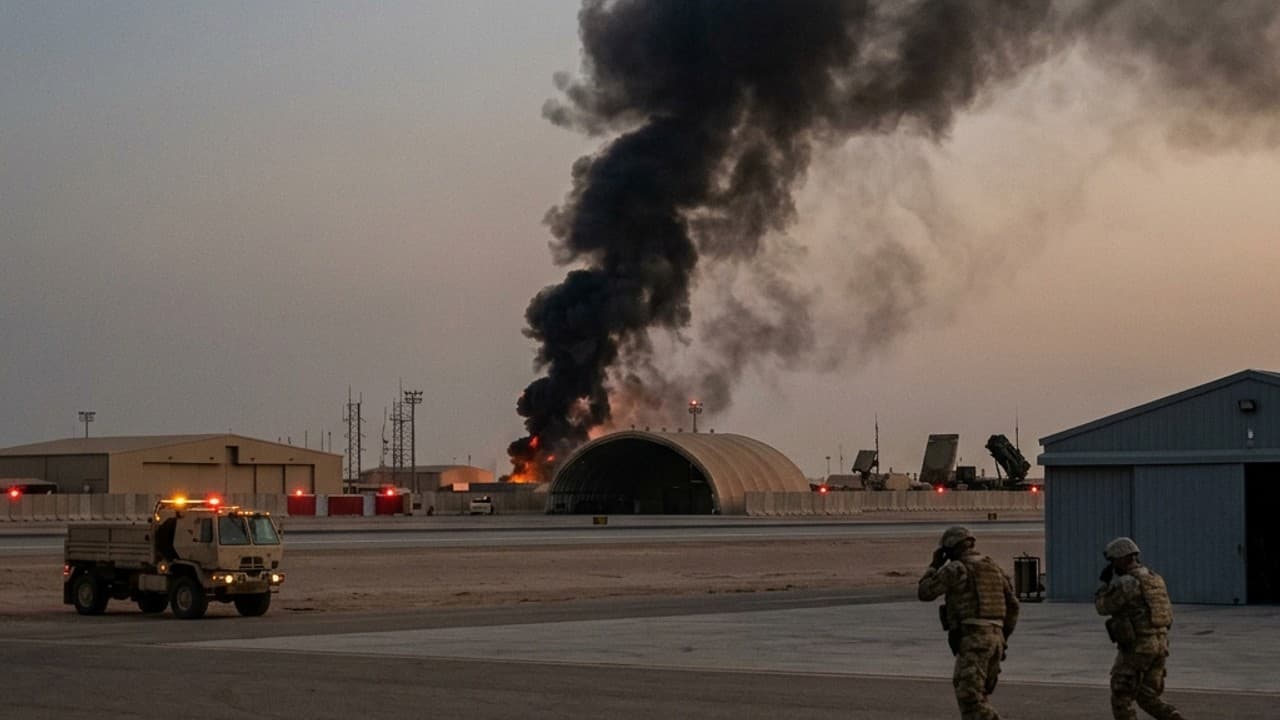
Tehran strikes US air base after American attacks on Iranian military sites
Iran launched a retaliatory strike against a United States air base on Monday after American forces attacked several Iranian military installations, marking a dramatic and dangerous escalation in tensions between the two nations. The exchange of strikes represents the most direct military confrontation between Washington and Tehran in years, raising fears of a broader regional conflict across the already volatile Middle East.
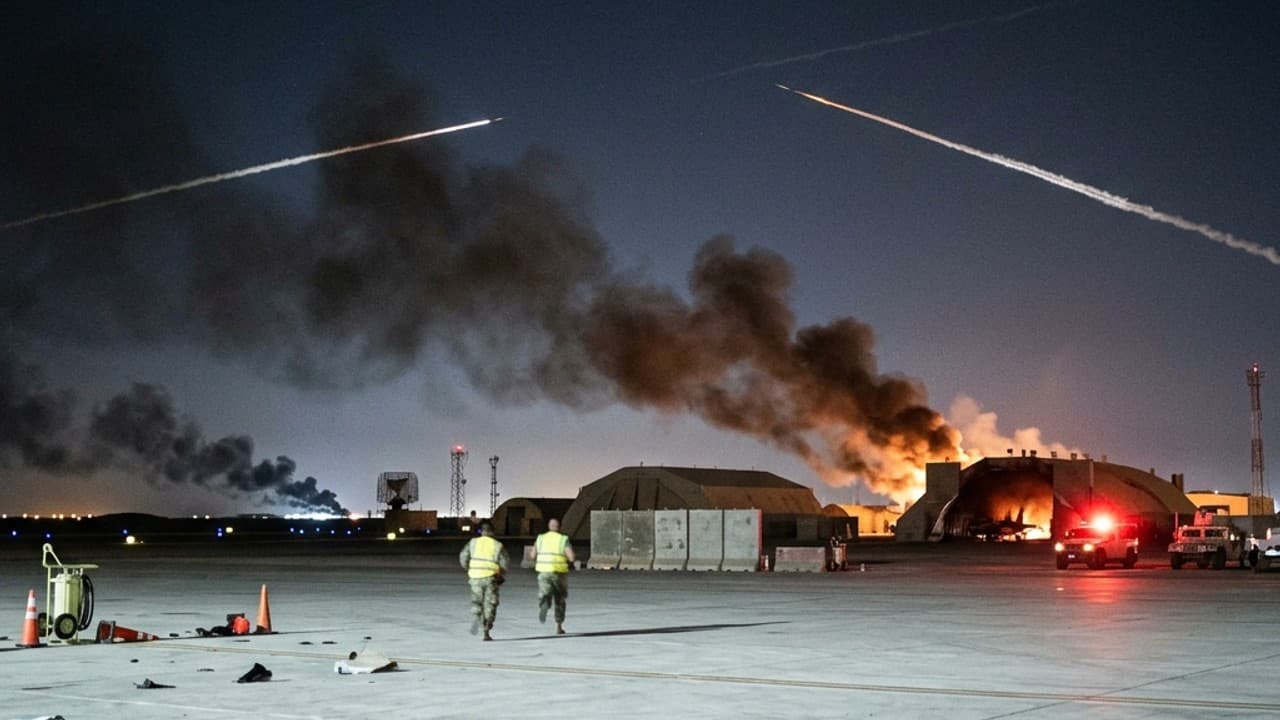
US Strikes Iranian Military Sites, Tehran Retaliates With Air Base Attack
The United States has confirmed it conducted strikes against Iranian military installations, in what marks one of the most significant direct military confrontations between the two countries in recent decades. Washington said the strikes targeted Iranian military sites, though full details of the scale, location, and objectives of the operation remained under official review at the time of reporting.
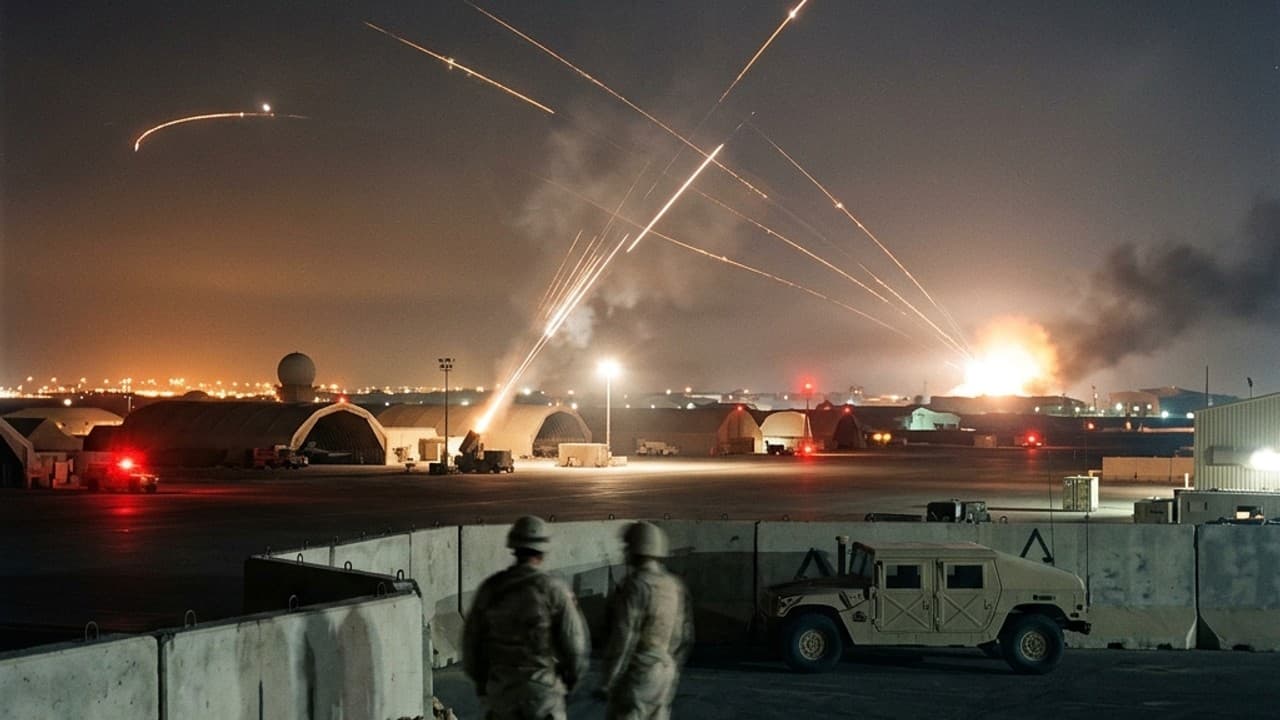
US Strikes Iran; Tehran Retaliates Against American Airbase
The United States has carried out fresh military strikes against Iran, triggering an immediate retaliatory attack by the Iranian Revolutionary Guards on an American military base in the Gulf region. The escalation comes after President Donald Trump publicly dismissed reports of a potential deal that would have kept the Strait of Hormuz open, removing a diplomatic off-ramp that analysts had considered a last-ditch mechanism to contain hostilities.
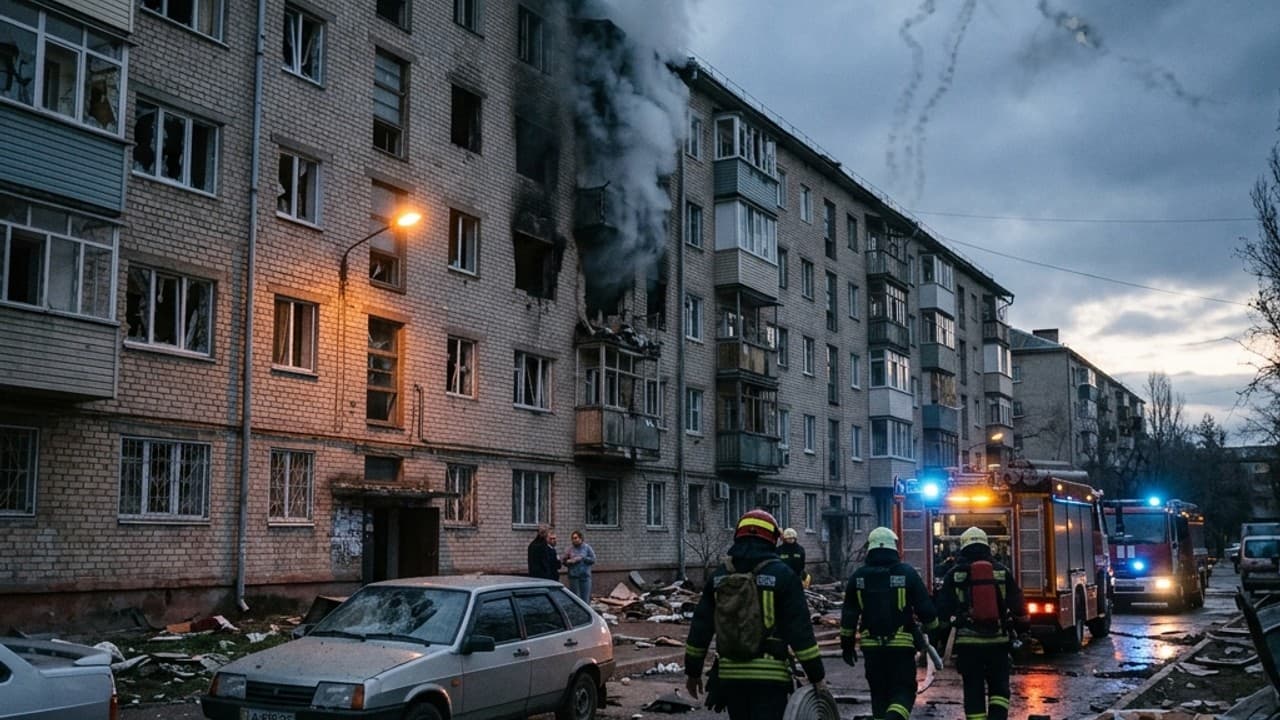
Russian Drone and Missile Assault on Ukraine Kills Ten
Russia launched a major combined drone and missile attack on Ukraine, killing at least ten people and wounding dozens more in one of the heaviest bombardments in recent weeks. Ukrainian emergency services reported strikes across multiple regions, with residential areas and infrastructure among the targets hit.
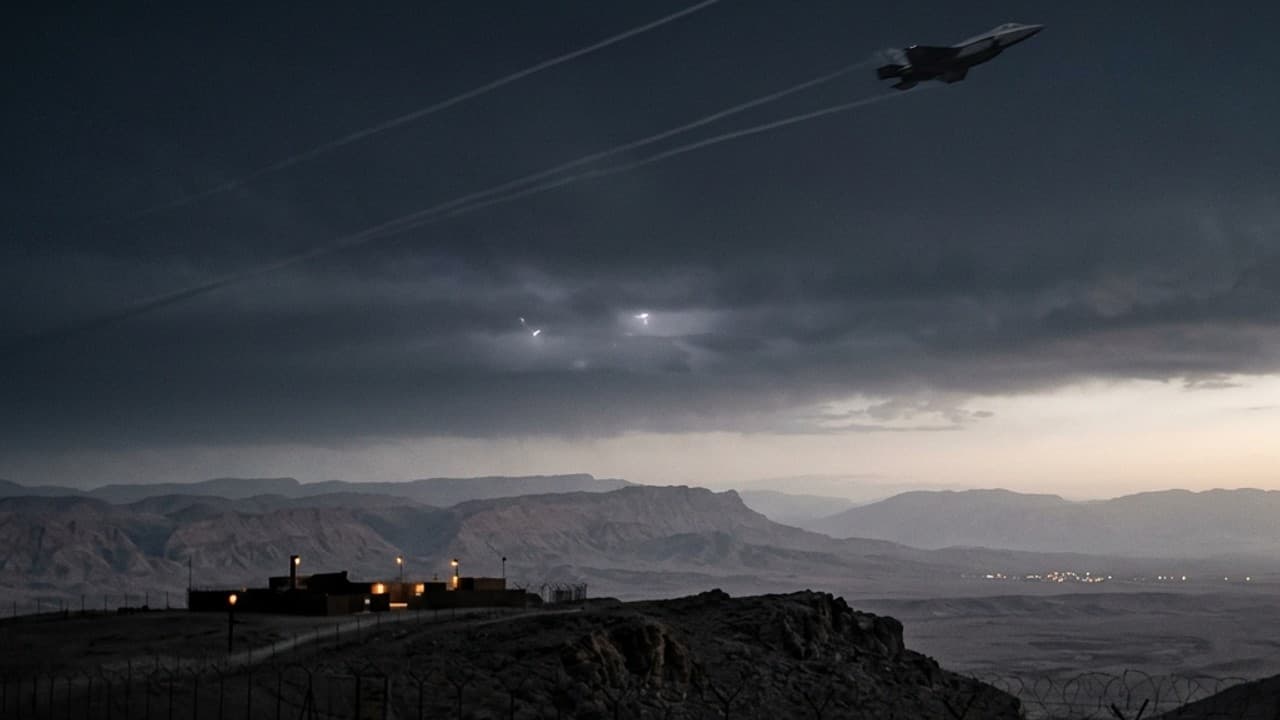
US Military Strikes Iran in Self-Defence Operations Over Weekend
The United States military carried out strikes against Iran over the weekend, characterising the operations as self-defence actions in response to what Washington described as provocations by Iranian forces or proxies. The strikes represent a significant escalation in the already volatile US-Iran confrontation and risk triggering a broader regional conflagration across the Middle East.