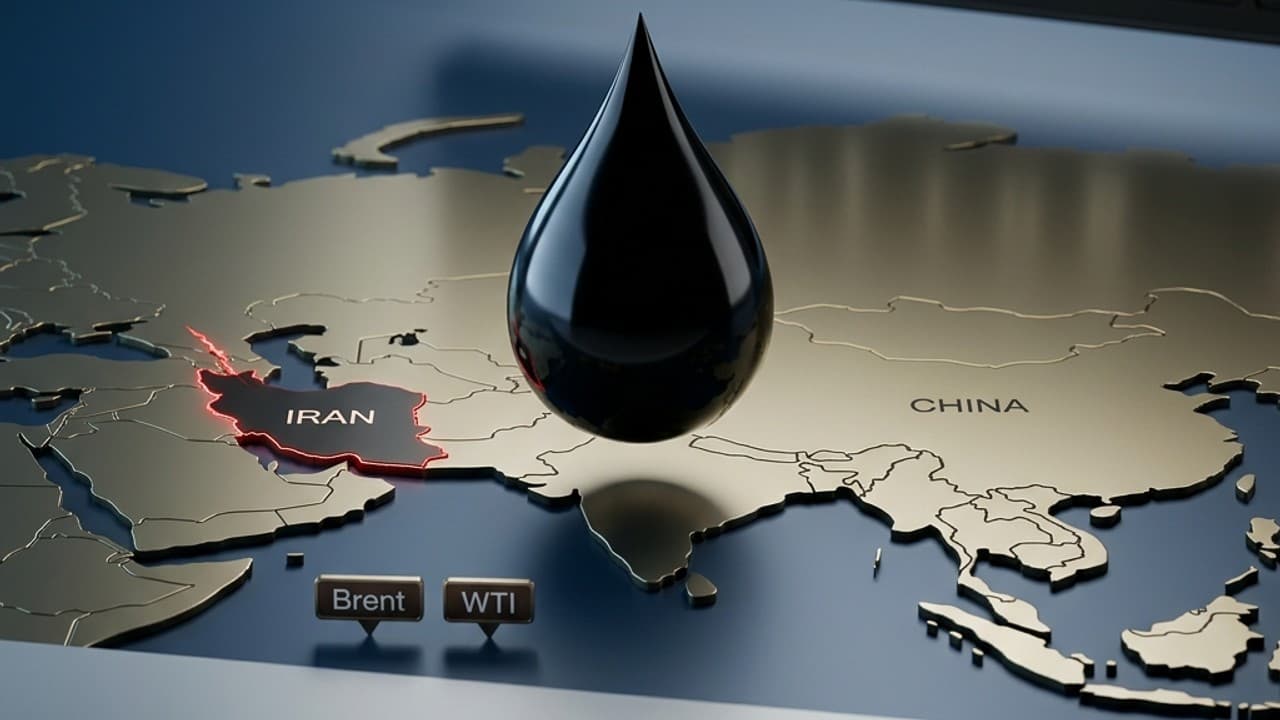
Oil prices slip as Iran ceasefire falters and Trump heads to Beijing
Crude oil prices dipped on Wednesday as an Iran ceasefire appeared increasingly fragile, raising concerns about renewed Middle East tensions, while investor attention shifted to Donald Trump's diplomatic trip to Beijing, which carries potential implications for global energy demand dynamics.
Brent crude and West Texas Intermediate futures both retreated as market participants weighed conflicting signals: the threat of renewed conflict in the Middle East would typically support oil prices through a risk premium, but a possible resumption of Iranian supply in any eventual deal scenario has kept upward pressure contained.
Trump's visit to China, the world's largest crude oil importer, adds another dimension to the price outlook. Any progress on US-China trade tensions could stimulate Chinese economic activity and boost oil demand, while a breakdown in talks would have the opposite effect.
For Pakistan, which spends billions of dollars annually on crude and refined petroleum imports, oil price movements have a direct impact on the import bill, the current account deficit, and domestic fuel prices. A sustained decline in oil prices would offer meaningful fiscal relief.
Similar Stories
Background and related coverage on this story.

Dollar near one-week high as US inflation data fuels Fed rate hike expectations
The US dollar climbed to near a one-week high on Wednesday after hotter-than-expected American inflation data reinforced bets that the Federal Reserve may resume interest rate hikes, rattling global currency and bond markets. The development adds significant pressure to emerging market currencies, including the Pakistani rupee.
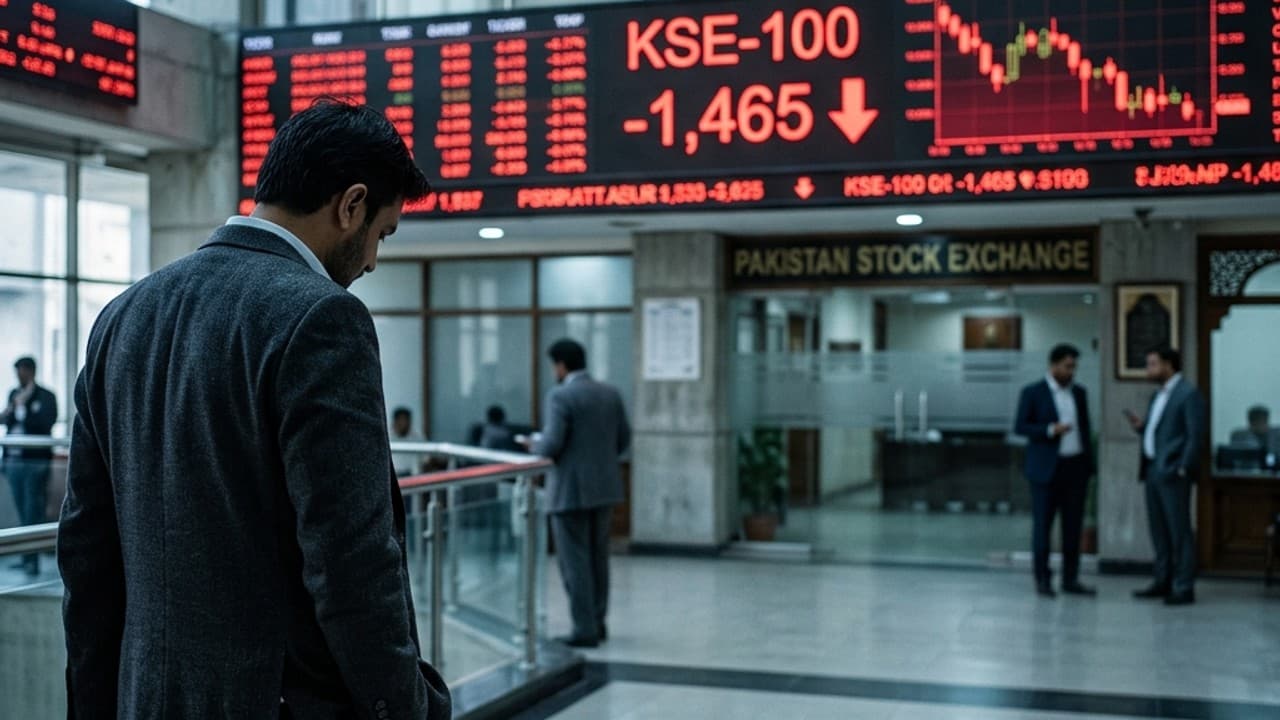
PSX Extends Bearish Trend, Sheds Over 1,465 Points
Following earlier reports of market weakness, the Pakistan Stock Exchange has extended its bearish trend, shedding over 1,465 points in Wednesday's trading session. The continued decline reflects sustained selling pressure across multiple sectors as investor sentiment remains cautious amid both domestic economic uncertainties and global market volatility.
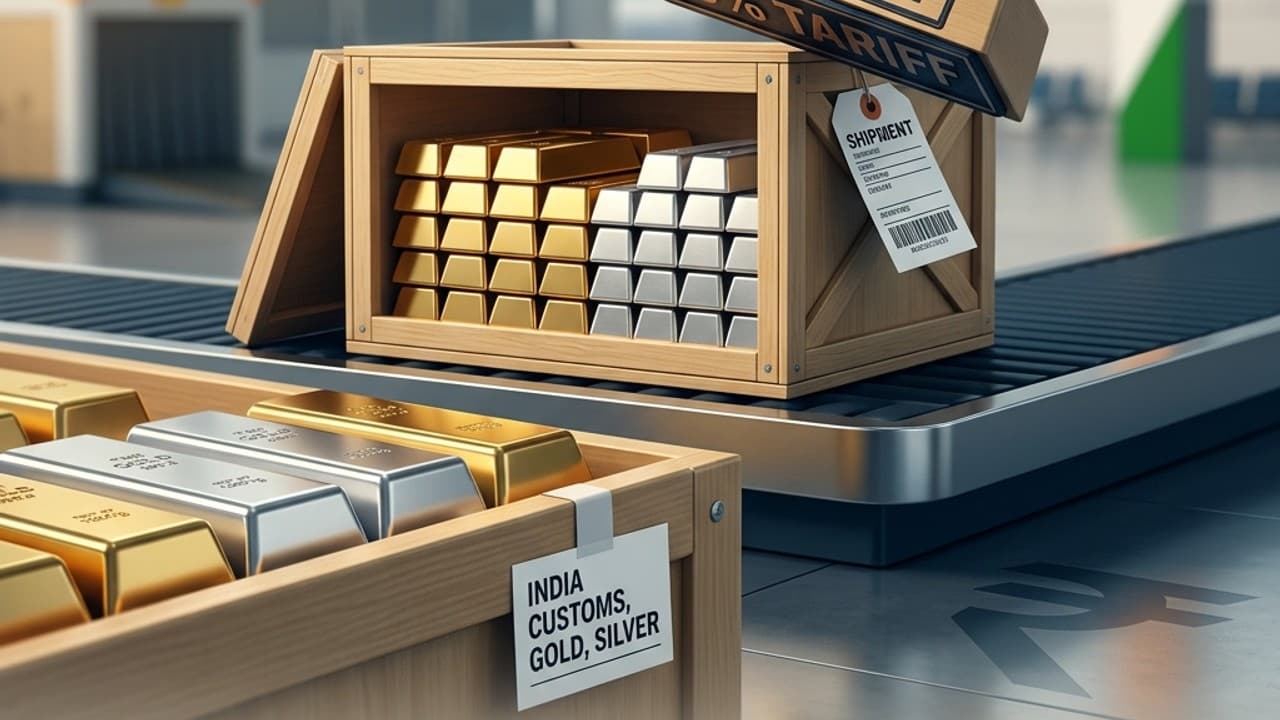
India Raises Gold and Silver Import Tariffs to 15 Percent
India has raised import tariffs on gold and silver to 15 percent in a policy move aimed at curbing surging bullion imports and stabilising the Indian rupee. The tariff revision reflects New Delhi's concern about the pressure that elevated precious metals imports have been placing on the country's current account and foreign exchange position.

Gulf markets rise as Iran ceasefire focus precedes Trump's China visit
Most Gulf stock markets recorded gains on Wednesday as investor sentiment was lifted by expectations of a ceasefire in the Iran conflict and anticipation surrounding US President Donald Trump's impending visit to Beijing for high-stakes trade negotiations with China. Market participants across the Gulf Cooperation Council region responded positively to signals that the Iran situation may be moving toward a diplomatic resolution, reducing the geopolitical risk premium that had weighed on regional equities and energy markets in recent weeks.
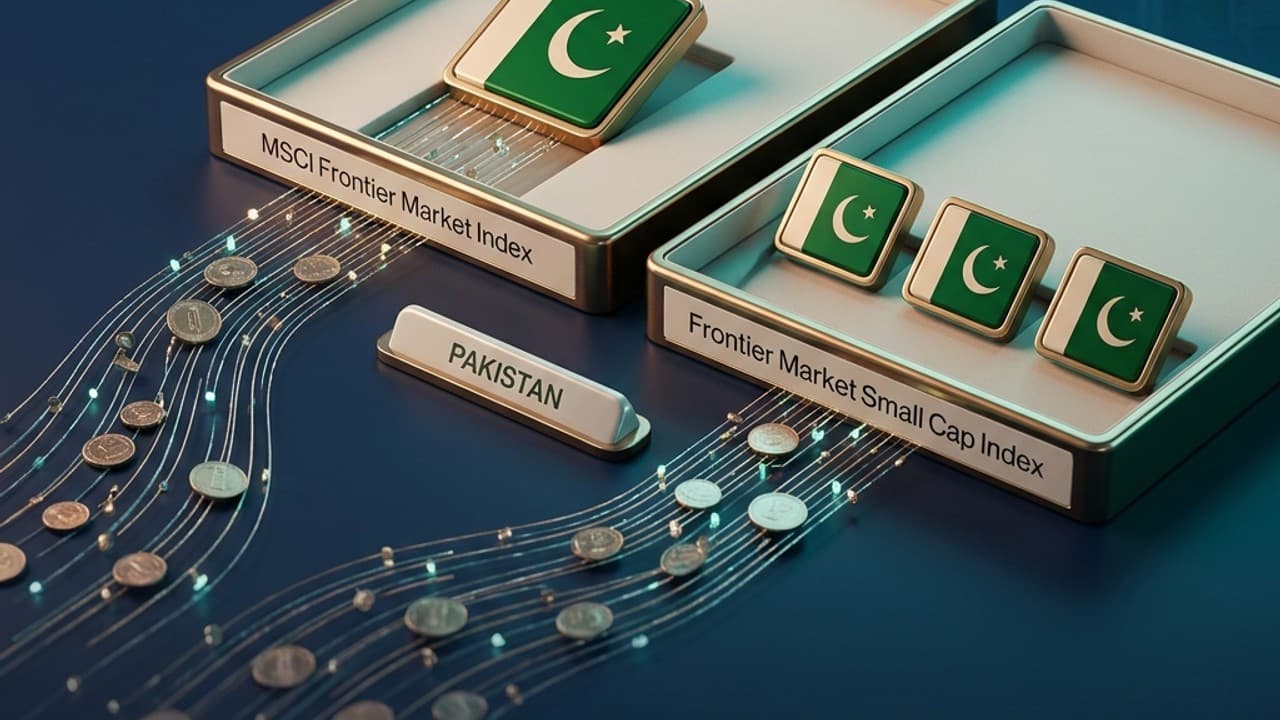
MSCI Adds Four Pakistani Firms to Frontier Market Indices
Global index provider MSCI has added one Pakistani company to its Frontier Market Index and three additional firms to the Frontier Market Small Cap Index, a development that signals growing international investor recognition of Pakistan's equity market. The inclusions are expected to trigger passive fund inflows as index-tracking funds adjust their portfolios to reflect the new composition.

European Shares Gain as Oil Slips on Fragile US-Iran Ceasefire
European equity markets rose on Wednesday as investors parsed the implications of a fragile ceasefire between the United States and Iran, with oil prices sliding on reduced geopolitical risk premium even as broader uncertainty persisted. The movement reflected cautious market optimism that a temporary de-escalation could ease energy supply concerns that have weighed on global markets.