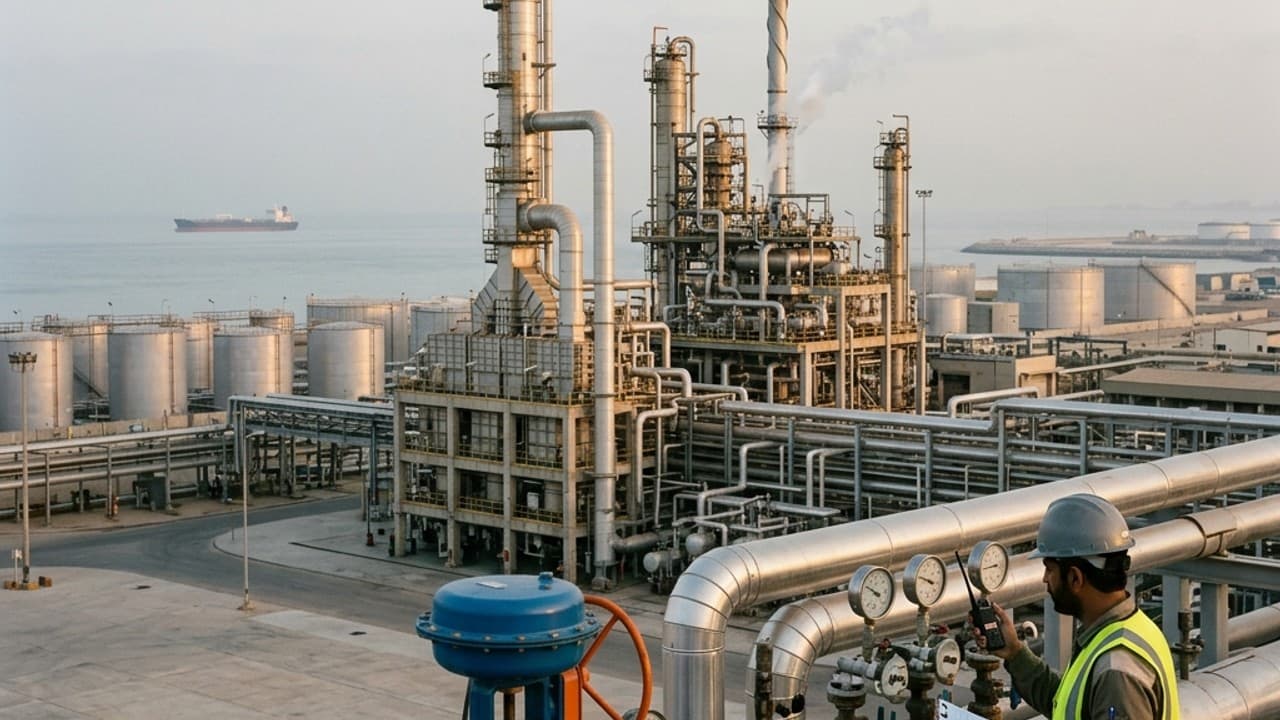
Pakistan Revives Oil Refining Policy Amid Strait of Hormuz Disruptions
The Pakistani government has revived a long-shelved oil refining policy as disruptions to shipping through the Strait of Hormuz intensify pressure on the country's energy supply chain. The move signals a strategic pivot toward domestic refining capacity at a time when regional maritime instability is threatening the reliability and cost of imported petroleum products.
Pakistan depends heavily on fuel imports transiting through the Hormuz corridor, making any prolonged disruption a direct threat to energy security and downstream economic activity. Officials have indicated the policy, which had been stalled for years amid regulatory and financial obstacles, is now being fast-tracked in response to the evolving geopolitical environment.
The revived framework is expected to incentivise investment in brownfield upgrades at existing refineries as well as greenfield capacity, with the aim of increasing domestic processing of crude oil and reducing import dependence over the medium term. Industry stakeholders have previously flagged the need for fiscal incentives, pricing guarantees, and environmental compliance pathways as conditions for meaningful private sector engagement.
The timing carries significant urgency. With regional tensions affecting maritime trade routes and global oil markets pricing in supply risk, Pakistan's vulnerability as a net importer without sufficient domestic refining depth is an acute structural liability. The government's decision to accelerate policy action reflects both strategic necessity and an acknowledgment that earlier delays have left the country exposed.
Similar Stories
Background and related coverage on this story.
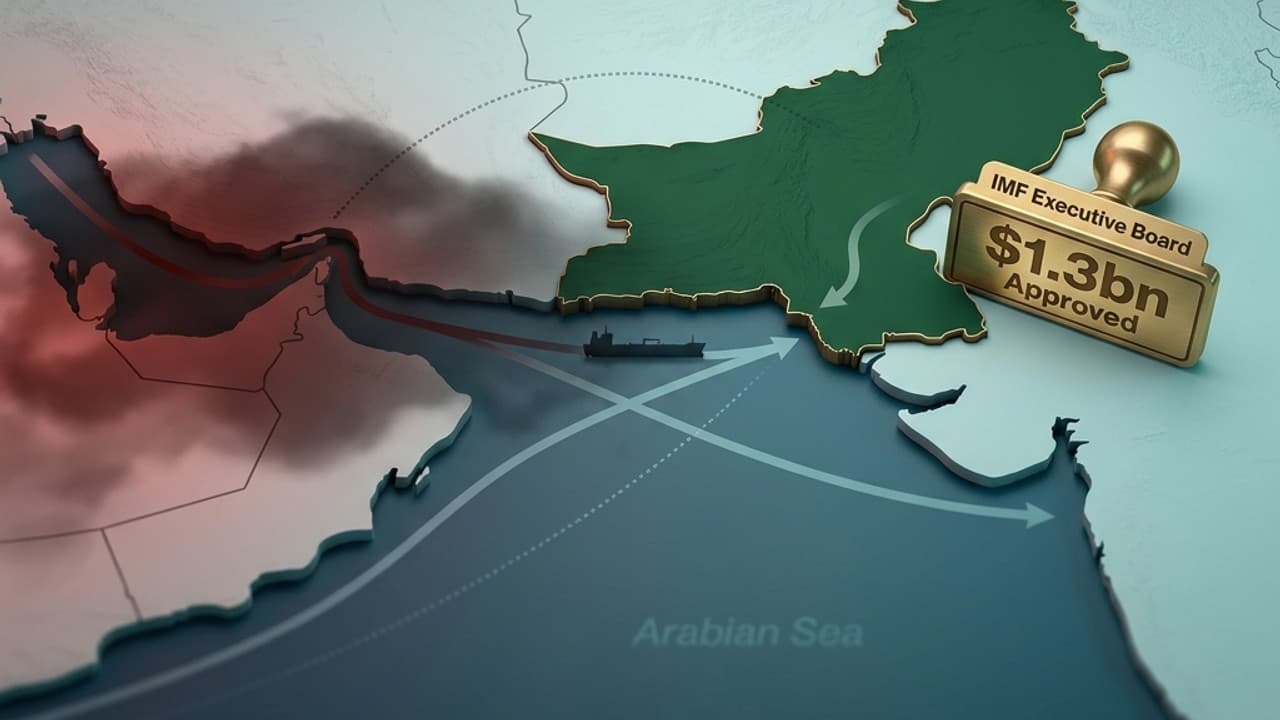
IMF Approves $1.3bn for Pakistan, Warns of Middle East War Risks
The International Monetary Fund's Executive Board has approved $1.3 billion in financing for Pakistan under its ongoing reform programme, providing a critical lifeline to an economy navigating persistent fiscal pressures and an uncertain external environment. The disbursement marks a significant milestone in Pakistan's engagement with the Fund, reflecting continued compliance with agreed benchmarks on fiscal consolidation, monetary tightening, and structural reforms.
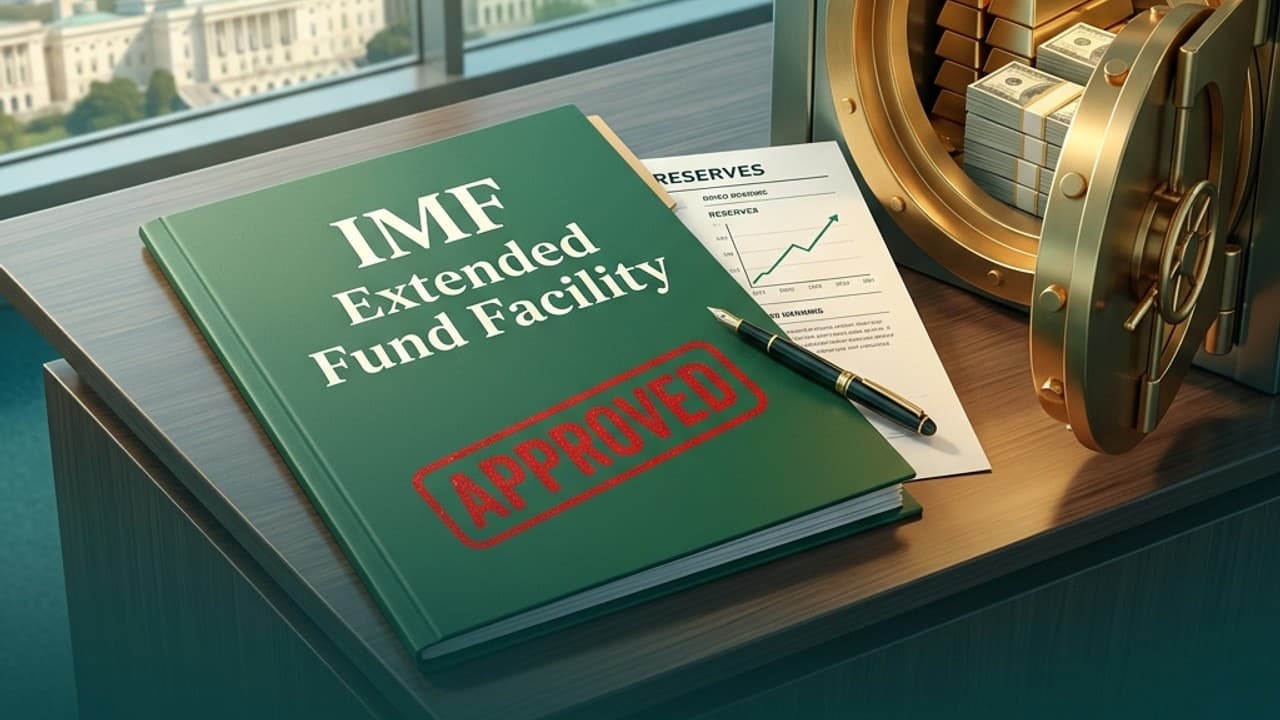
IMF Board Approves $1.32 Billion Tranche for Pakistan
The International Monetary Fund's executive board has approved a disbursement of $1.32 billion for Pakistan, providing a critical injection of external financing as the country continues to stabilise its balance of payments position. The tranche approval follows a successful programme review and signals the Fund's continued confidence in Pakistan's economic adjustment trajectory.
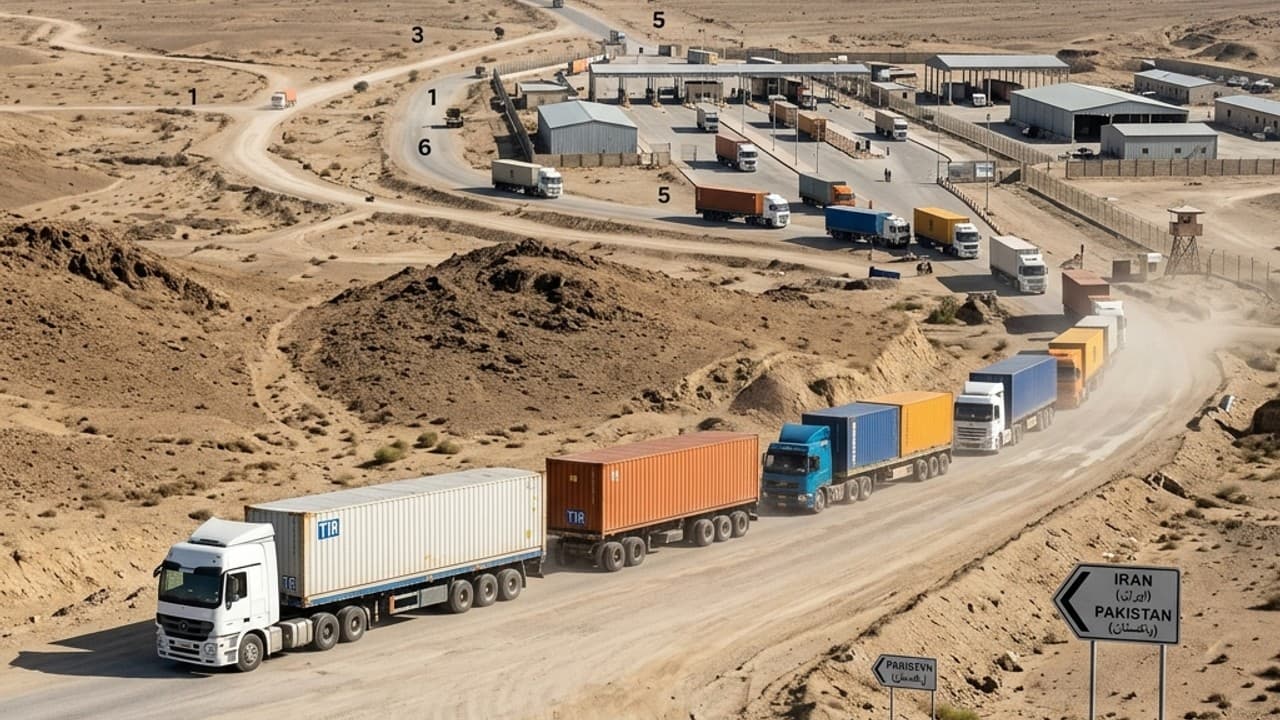
Pakistan Opens Six Land Routes for Trade with Iran Amid Hormuz Blockade
Pakistan has formally notified six overland routes for the transportation of goods to Iran as the blockade of the Strait of Hormuz and the disruption of Iranian ports continues to sever Tehran's access to maritime trade. The notification represents a substantive policy decision by Islamabad to activate alternative land corridors in response to one of the region's most serious logistical crises in years.

UN Warns Iran-Israel War Could Push 30 Million Back Into Poverty
The United Nations has issued a stark warning that the ongoing military conflict between Israel, the United States, and Iran risks pushing more than 30 million people back into poverty, with the greatest impacts expected in import-dependent developing nations and conflict-proximate economies across the Middle East and South Asia. The UN's assessment highlights the cascading economic consequences of the war, including the disruption of global oil supplies, soaring energy prices, supply chain fragmentation, and the collapse of trade routes through the Strait of Hormuz.
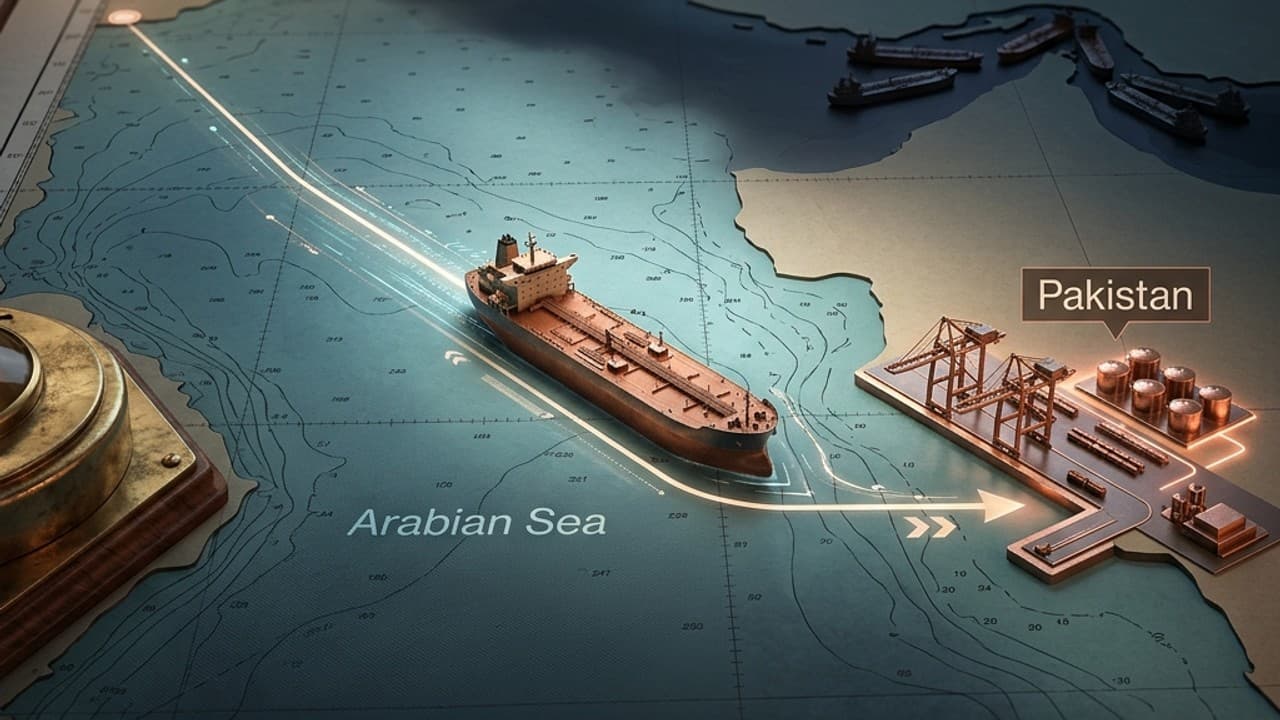
Pakistan Plans to Raise Russian Oil Imports Amid Hormuz Crisis
Pakistan is in discussions to significantly increase crude oil imports from Russia as the ongoing crisis at the Strait of Hormuz continues to disrupt traditional supply chains and elevate energy market uncertainty, according to reports citing sources within the energy sector. The move represents a strategic pivot in Pakistan's import diversification efforts under conditions of acute regional energy pressure.
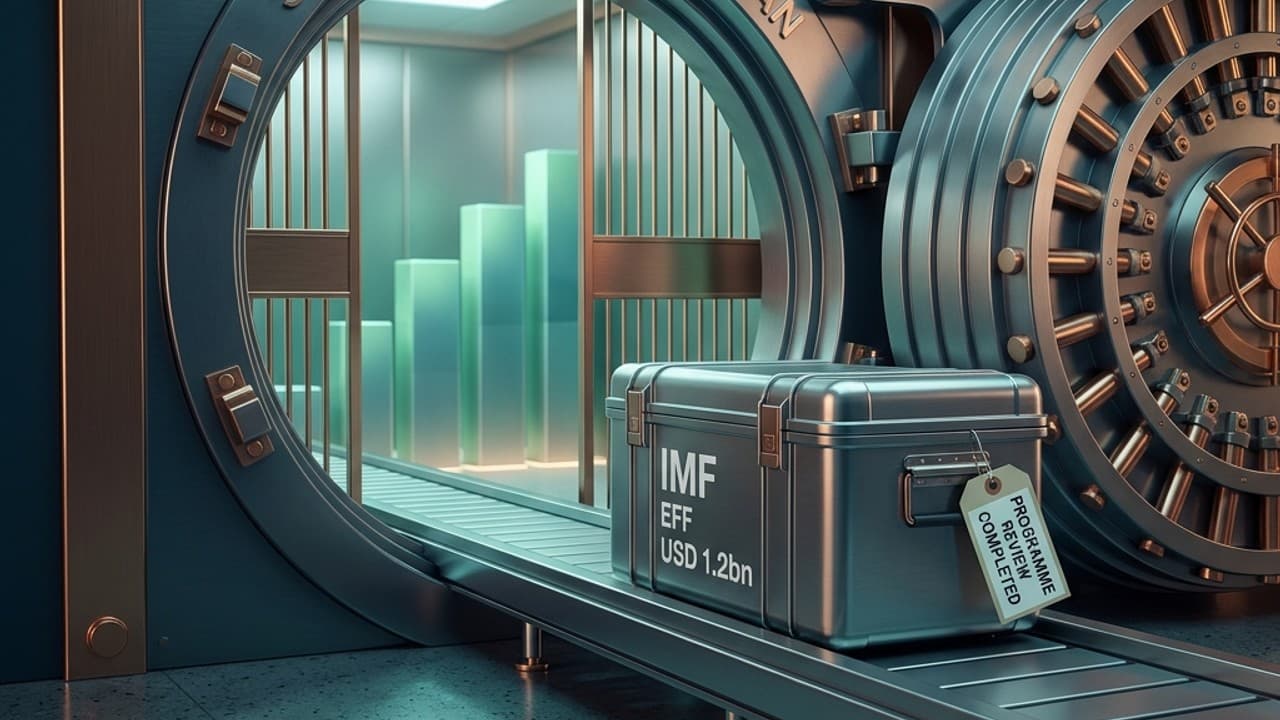
IMF Releases USD1.2bn Tranche to Pakistan Under EFF Programme
The International Monetary Fund has disbursed a USD1.2 billion tranche to Pakistan under the country's ongoing Extended Fund Facility programme, providing a significant injection to the country's foreign exchange reserves at a time of elevated external account pressure. The release of the tranche follows a successful completion of an IMF programme review, during which Pakistan was assessed to have met key performance benchmarks including fiscal deficit targets, revenue collection milestones, and structural reform commitments.