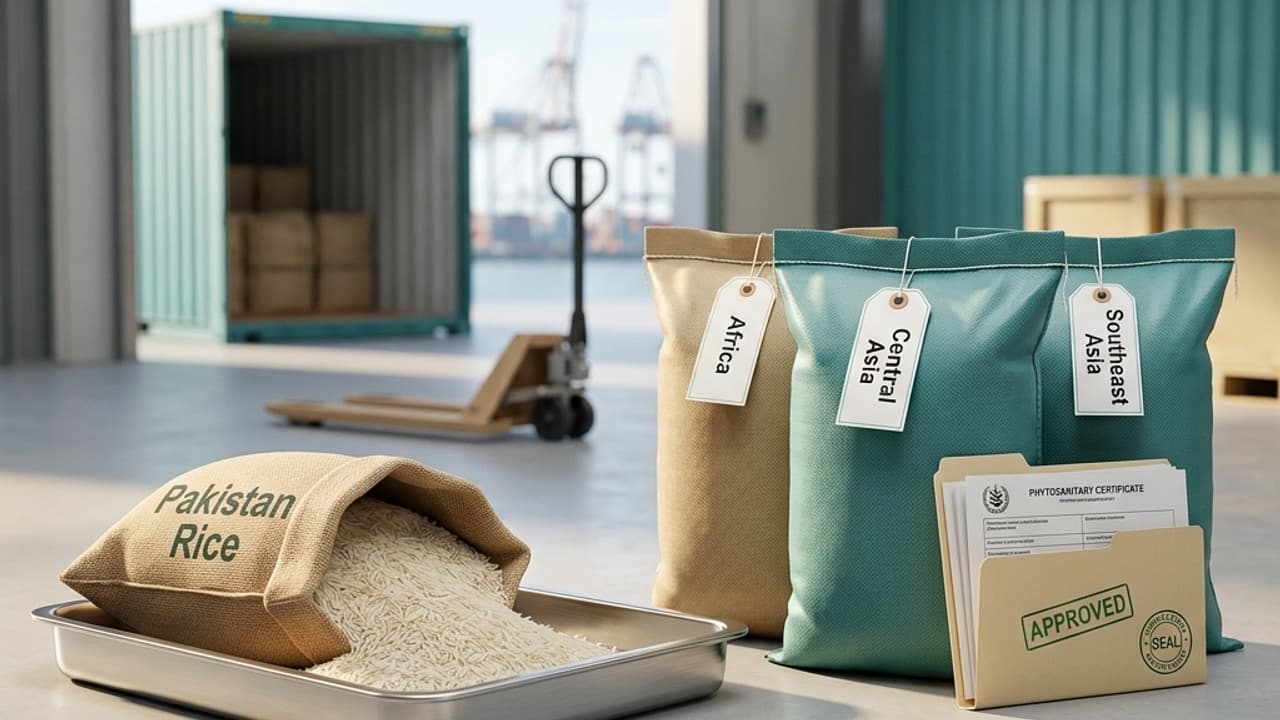
Pakistan Takes Steps to Diversify Rice Export Markets Globally
Pakistan has initiated a series of measures aimed at diversifying the international markets for its rice exports, seeking to reduce over-dependence on traditional buyers and expand market access across new geographies in Africa, Central Asia, and Southeast Asia.
Rice is among Pakistan's most important agricultural export commodities, with basmati and non-basmati varieties contributing significantly to the country's export revenue. Diversifying buyer markets reduces vulnerability to demand fluctuations in any single country and can improve price realisation by exposing Pakistani rice to more competitive global markets.
The initiative appears to involve trade promotion activities, phytosanitary certification facilitation, and engagement with importers in target markets. Pakistan has historically supplied large volumes to markets in the Middle East, China, and parts of Africa, but further penetration into Central Asian states and Southeast Asian buyers remains an identified growth opportunity.
For Pakistan's current account position and agricultural sector income, expanded rice export markets can provide a meaningful revenue and foreign exchange contribution at a time when the country is focused on increasing exports as part of its IMF-supported economic stabilisation programme.
Agricultural trade officials will be aware that market diversification in rice requires sustained market development investment, compliance with destination country food safety standards, and competitive freight logistics — all areas where Pakistan has faced challenges that the current initiative presumably aims to address.
Similar Stories
Background and related coverage on this story.
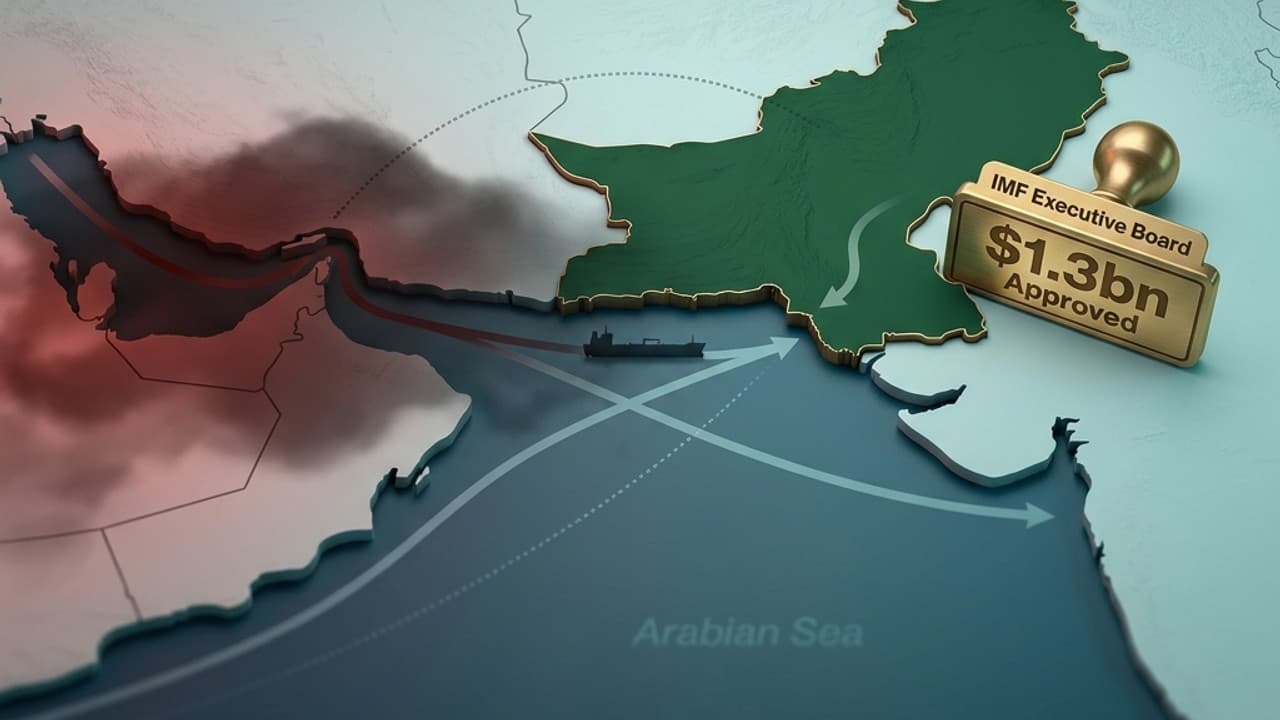
IMF Approves $1.3bn for Pakistan, Warns of Middle East War Risks
The International Monetary Fund's Executive Board has approved $1.3 billion in financing for Pakistan under its ongoing reform programme, providing a critical lifeline to an economy navigating persistent fiscal pressures and an uncertain external environment. The disbursement marks a significant milestone in Pakistan's engagement with the Fund, reflecting continued compliance with agreed benchmarks on fiscal consolidation, monetary tightening, and structural reforms.
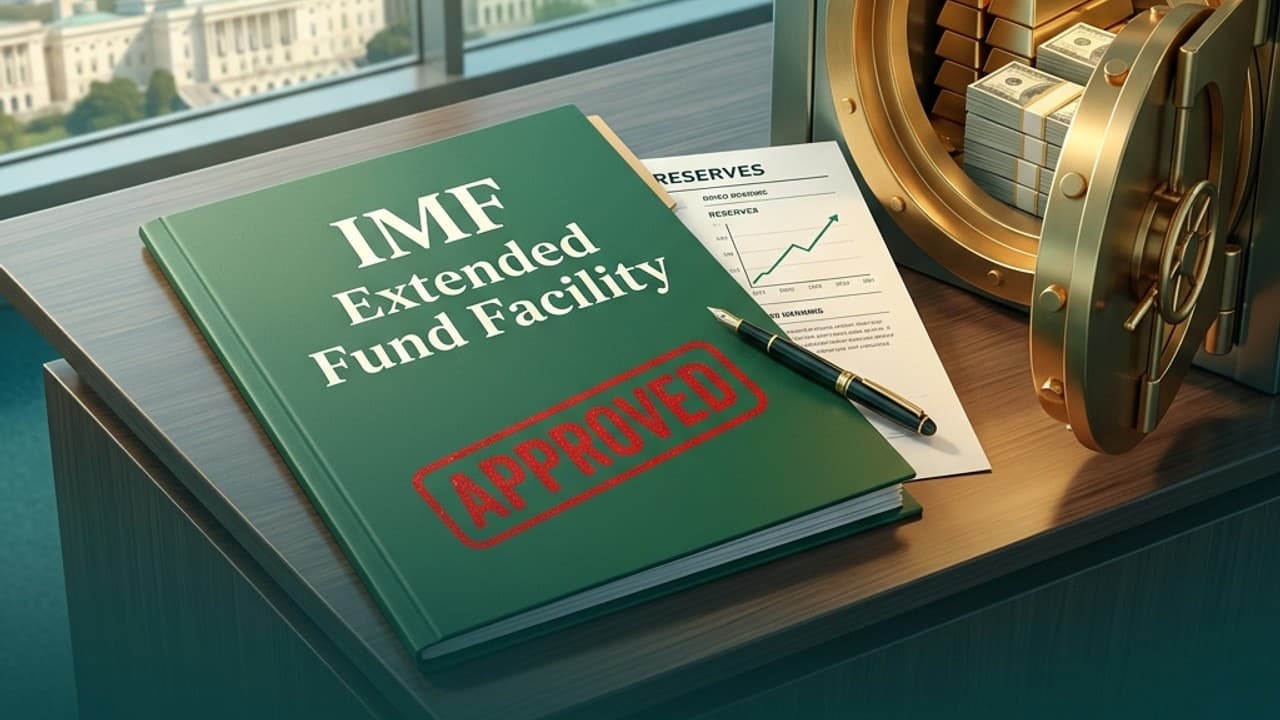
IMF Board Approves $1.32 Billion Tranche for Pakistan
The International Monetary Fund's executive board has approved a disbursement of $1.32 billion for Pakistan, providing a critical injection of external financing as the country continues to stabilise its balance of payments position. The tranche approval follows a successful programme review and signals the Fund's continued confidence in Pakistan's economic adjustment trajectory.
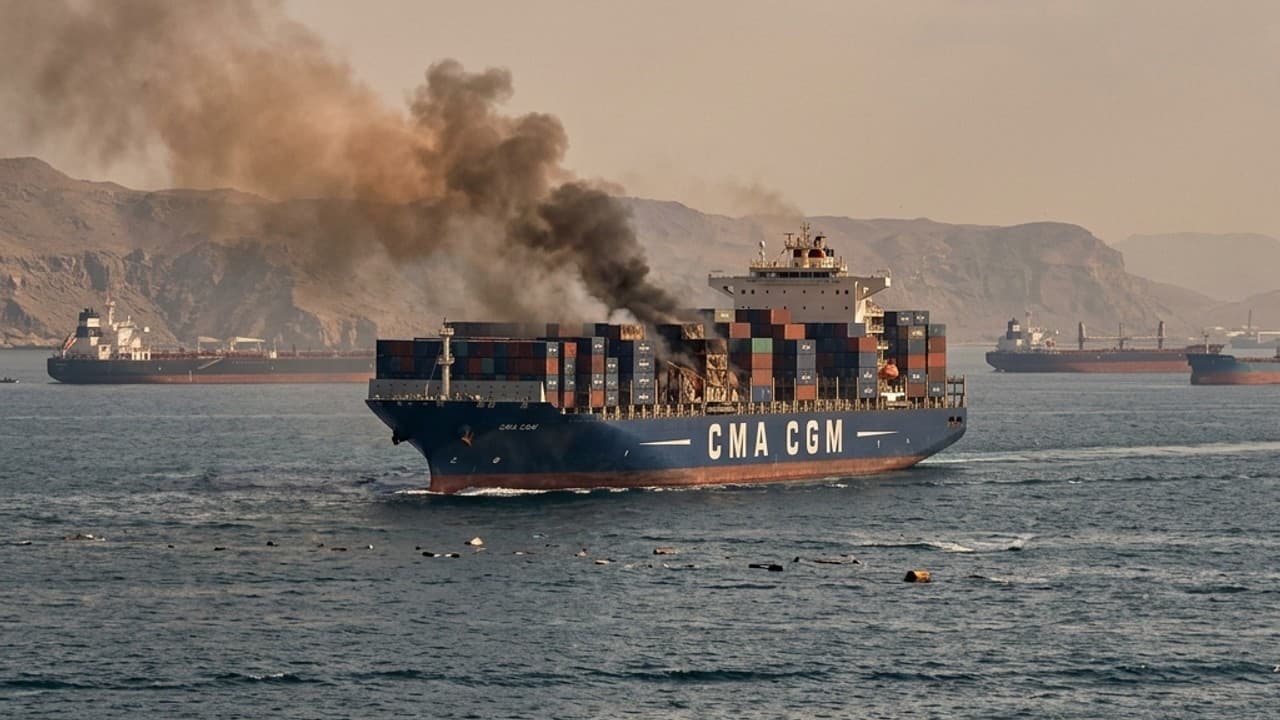
CMA CGM vessel attacked in Hormuz as US-Iran war halts shipping
A vessel operated by French shipping giant CMA CGM has been attacked in the Strait of Hormuz as the United States-Iran war triggers a near-total halt in commercial shipping through one of the world's most critical maritime chokepoints. The attack marks a significant escalation in the commercial cost of the conflict, with implications for global supply chains, energy markets, and insurance regimes.

UAE Withdraws from OPEC as Oil Cartel Tensions Reach Breaking Point
The United Arab Emirates has quit the Organisation of the Petroleum Exporting Countries, in a seismic development for global oil markets that ends the UAE's decades-long membership in the cartel and signals deepening fractures within OPEC's production coordination framework. The withdrawal is expected to trigger significant volatility in global crude prices.
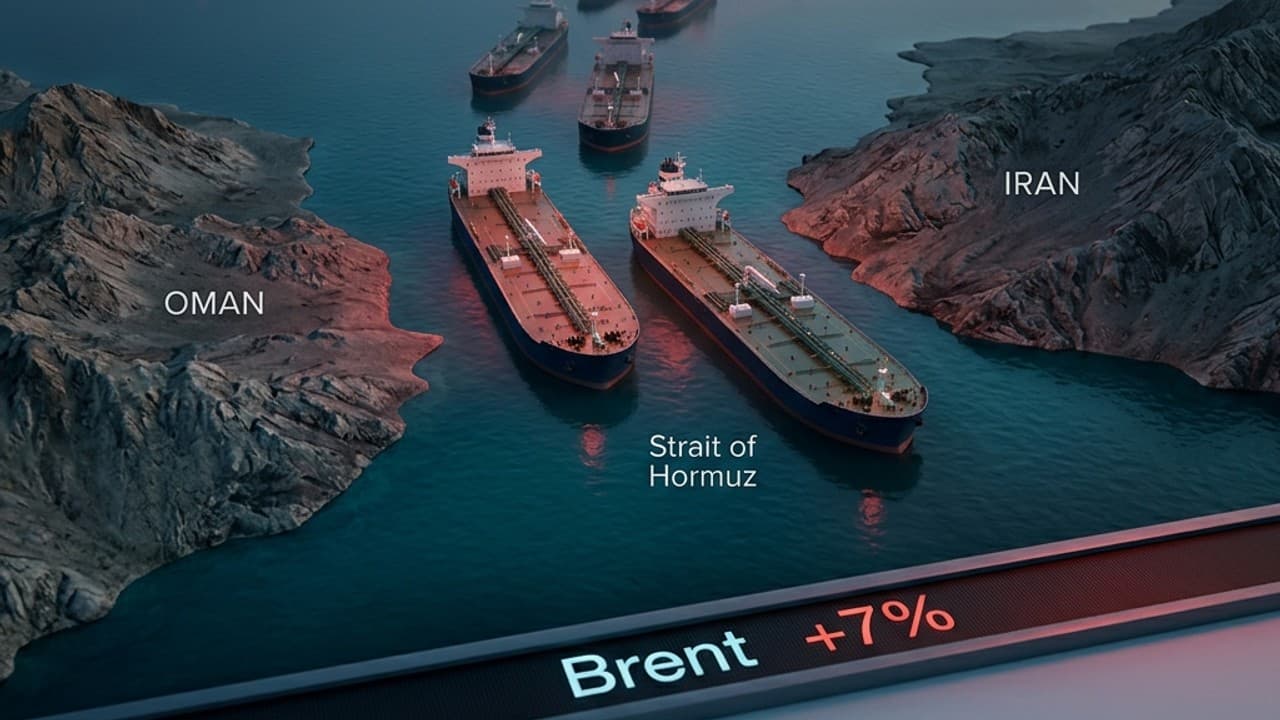
Brent Oil Surges 7% on Reports of US Military Options Against Iran
Brent crude oil prices surged approximately seven percent on Thursday after reports emerged that the United States is actively considering military options to break a deadlock with Iran, sending shockwaves through global energy markets already on edge from prolonged Middle East conflict. The sharp price movement represents one of the most significant single-session spikes in crude oil in recent memory, reflecting the extreme sensitivity of energy markets to any escalation involving Iran, which sits astride the Strait of Hormuz — the world's most critical oil transit chokepoint.
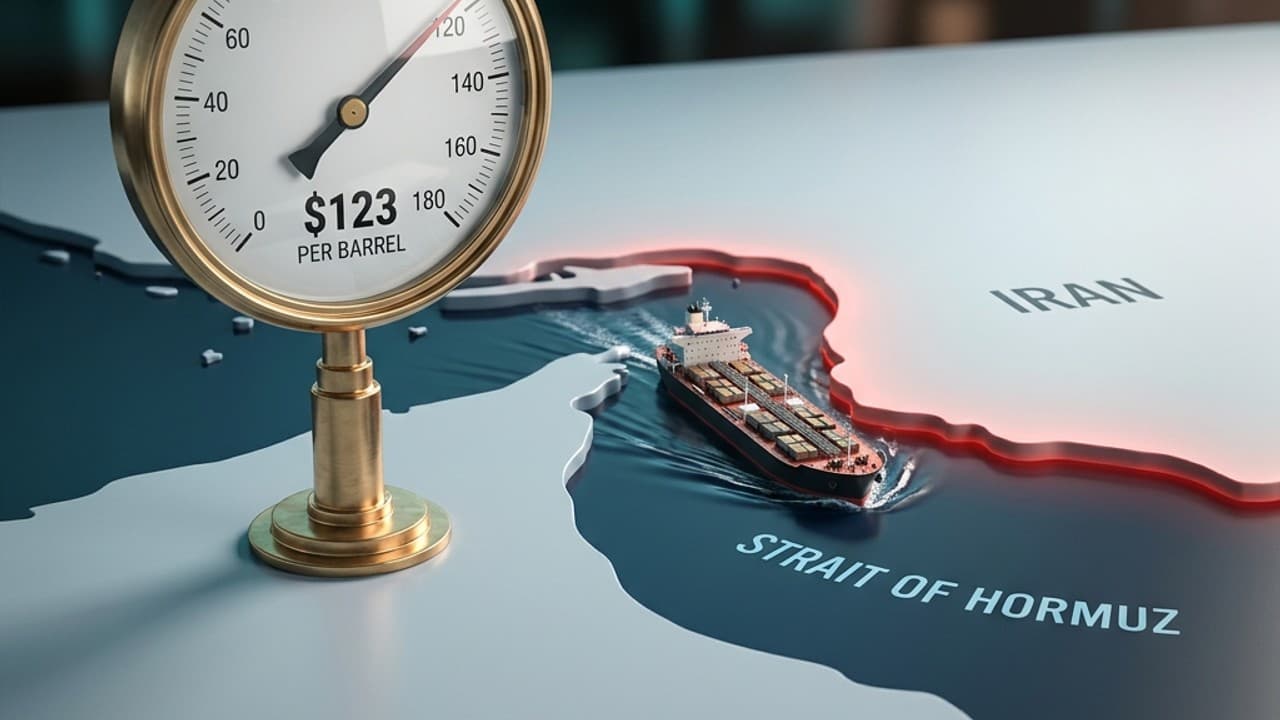
Oil Surges Past $123 on US Military Action Reports Against Iran
Global oil prices surged past $123 per barrel on Thursday following reports that the United States is actively considering military options to break a prolonged diplomatic deadlock with Iran, injecting acute geopolitical risk premium into energy markets and sending shockwaves across commodity, equity, and currency markets worldwide. The reports, which emerged from US media citing officials familiar with internal deliberations, indicated that the Biden-era diplomatic framework has effectively stalled and that the Trump administration is now evaluating a range of kinetic options.