
Pakistan Wins Information War Despite Official Internet Restrictions
Analysis published by Dawn indicates that India has lost the information war to Pakistan, a country that was officially operating under internet restrictions during the period of heightened bilateral tension. The finding underscores a significant and unexpected reversal in the digital narrative space, where Pakistan's messaging appears to have resonated more effectively with international audiences despite formal constraints on domestic connectivity.
The report highlights how Pakistani citizens, journalists, and institutions leveraged restricted but accessible digital channels to counter Indian narratives, often outpacing official Indian information operations in reach and credibility. This outcome is seen as a reflection of both grassroots digital resilience and the comparative weakness of India's communications strategy during the crisis period.
The information dimension of the India-Pakistan standoff is increasingly recognised as a distinct front in modern conflict, where perception management can shape diplomatic outcomes and international solidarity. Pakistan's relative success in this domain carries implications for how future crises are likely to be managed at the narrative level.
The episode raises broader questions about the efficacy of internet shutdowns as a state tool, and whether restricting domestic access ultimately disadvantages a country's own population more than its adversaries in an era of globally distributed information networks.
Similar Stories
Background and related coverage on this story.
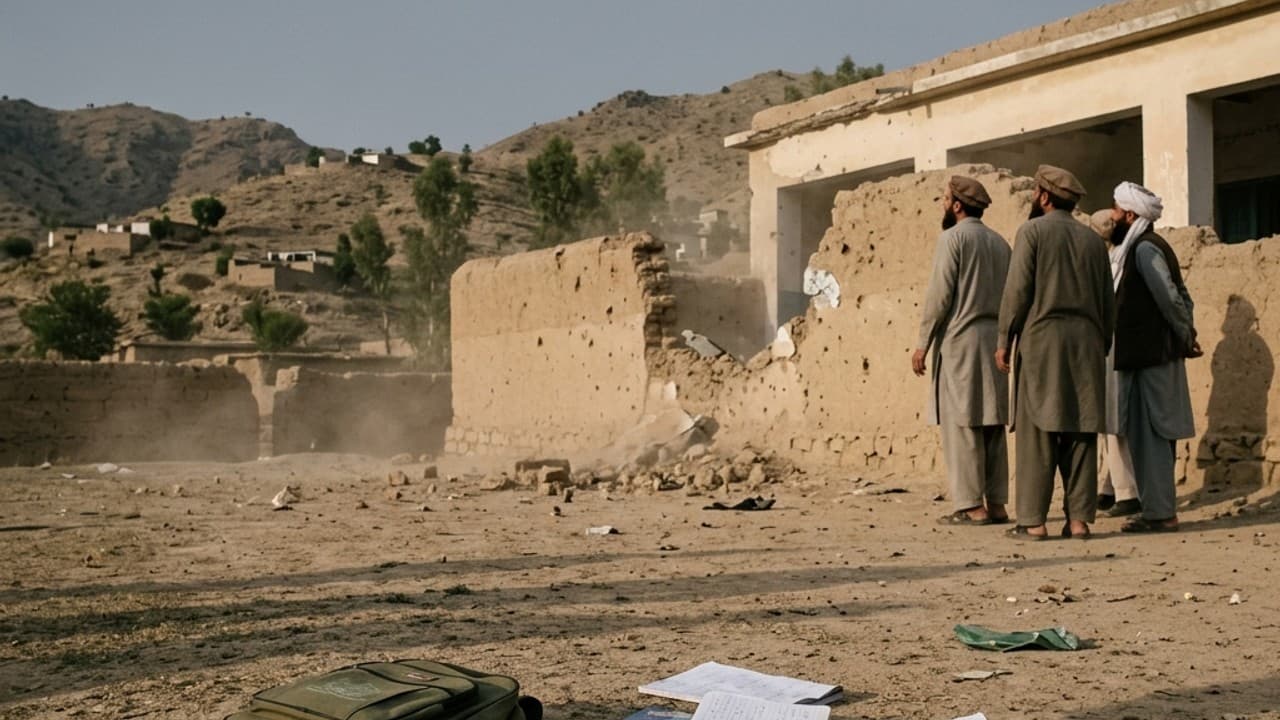
Quadcopter Attack Kills Two Schoolchildren in KP's Bajaur
A quadcopter drone attack in the Bajaur district of Khyber Pakhtunkhwa killed two schoolchildren on Thursday, in a strike that has drawn immediate condemnation and raised urgent questions about the expanding use of aerial drones by militant actors in Pakistan's tribal belt. The attack, which targeted civilians rather than any security installation, marks a disturbing escalation in the deployment of commercially available quadcopter technology for lethal purposes in the region.

Russia Strikes Ukraine Danube Port as Ukraine Launches Drone Attack on Moscow
Russian forces conducted a strike on a Ukrainian port facility along the Danube River on Tuesday, targeting critical grain export infrastructure in one of Ukraine's key alternative shipping corridors, as Ukrainian forces simultaneously launched a drone offensive directed toward Moscow. The dual escalation marks a significant intensification of the conflict on both conventional and asymmetric fronts.
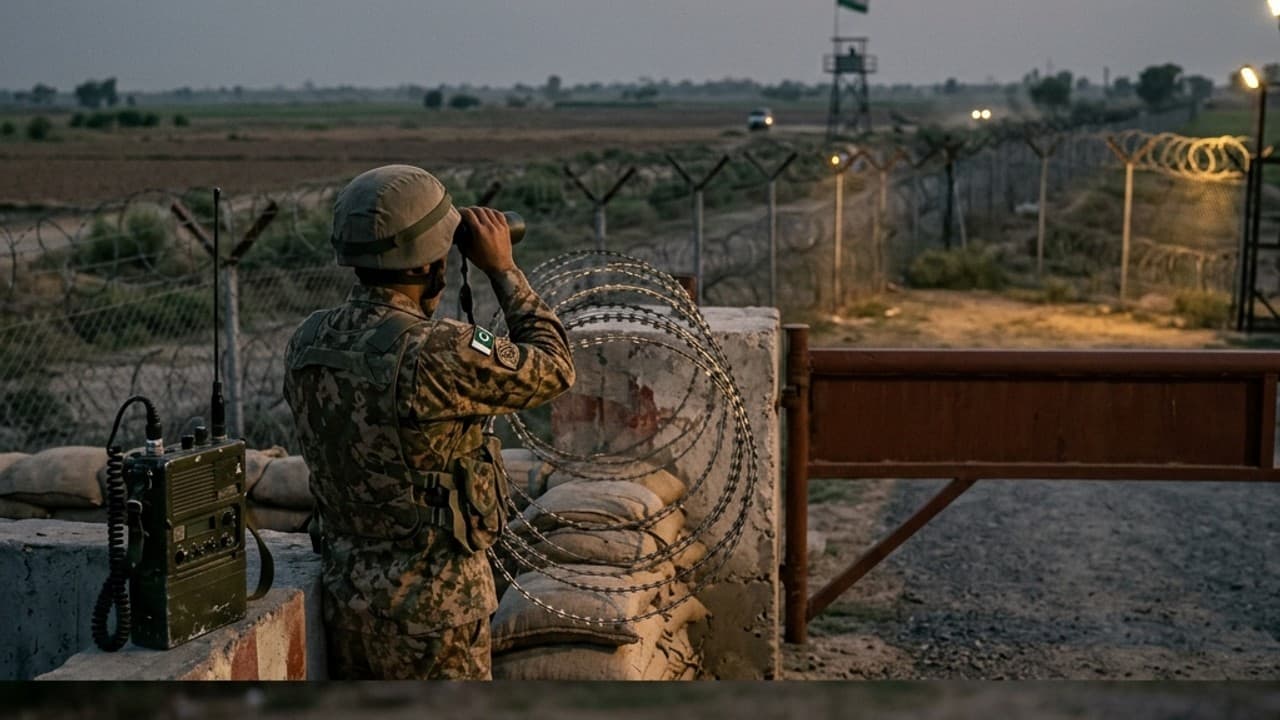
Pakistan Warns India of Historical Consequences Over Any Military Misadventure
Pakistan has issued a stark warning to India, stating that any military misadventure against the country would relegate India to the pages of history. The statement signals an escalation in rhetorical posturing amid already heightened bilateral tensions between the two nuclear-armed neighbours.

Israeli Forces Intercept Gaza-Bound Flotilla Near Cyprus
Israeli naval forces have intercepted a Gaza-bound humanitarian flotilla in international waters near Cyprus, according to organisers aboard the fleet, marking a sharp escalation in tensions over maritime access to the besieged enclave. The interception represents a direct confrontation between Israeli defence assets and civilian aid vessels operating under international humanitarian mandates.
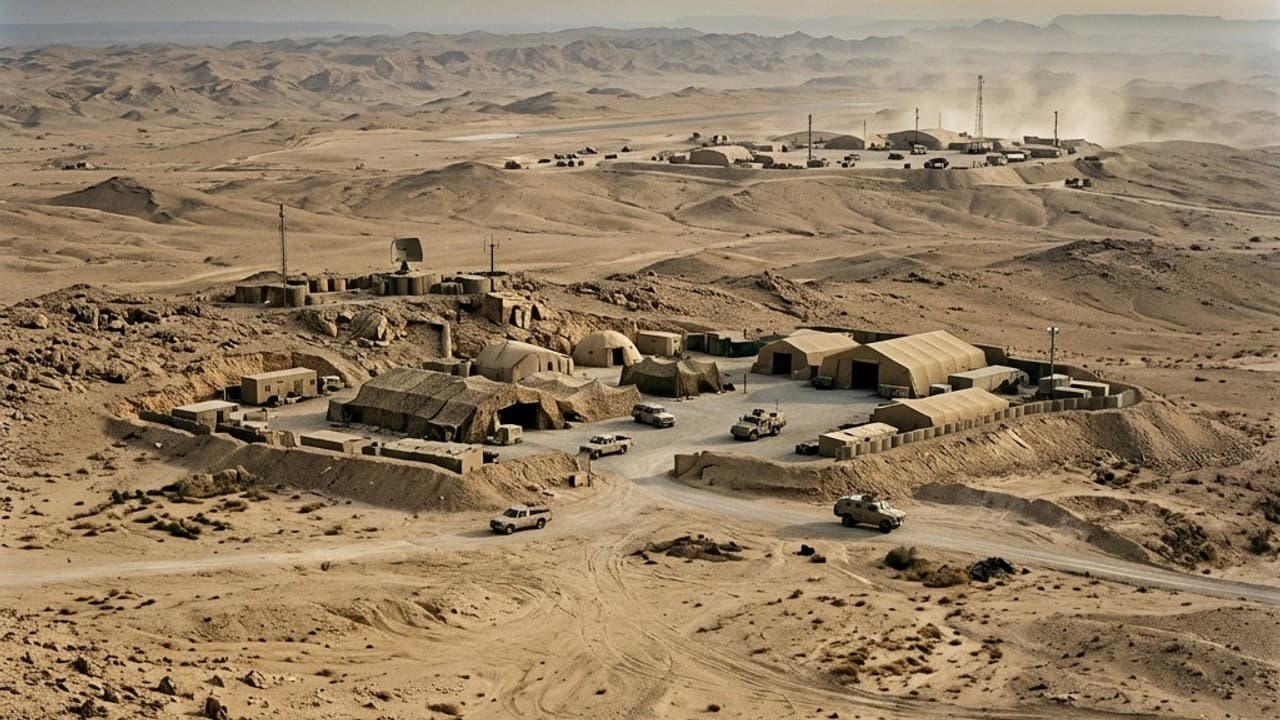
Israel Ran Two Covert Bases in Iraqi Desert, NYT Reports
Israel secretly operated two covert military bases in the Iraqi desert, according to an investigative report published by The New York Times. The revelation represents a significant disclosure about Israeli operational reach into Arab territory and is likely to reverberate across regional diplomatic and security calculations.

Drone Strike on UAE Nuclear Plant Pushes Oil to Two-Week High
A drone attack on a nuclear power plant in the United Arab Emirates has sent oil prices to their highest level in two weeks, as energy markets responded to what analysts described as a significant escalation in the geographic scope of Middle East hostilities. The strike introduced a new front in the regional conflict, directly targeting Gulf energy and nuclear infrastructure.