
Pakistan's Nuclear Deterrence Doctrine Faces Evolving Strategic Pressures
A new analytical examination of Pakistan's nuclear deterrence posture argues that the foundational grammar governing strategic stability in South Asia is undergoing significant revision, driven by shifting regional power balances, technological advancements in delivery systems, and evolving doctrinal signals from adversary states.
The analysis contends that classical deterrence frameworks premised on mutual assured destruction are being complicated by the introduction of precision conventional strike capabilities, hypersonic weapons, and ballistic missile defence systems that threaten to erode first-strike ambiguity. For Pakistan, whose nuclear doctrine has historically centred on full-spectrum deterrence against India's conventional superiority, these developments demand doctrinal recalibration.
The piece further highlights how non-state actor threats, grey-zone operations, and hybrid warfare scenarios now sit uncomfortably alongside nuclear thresholds, raising the risk of miscalculation in a crisis. The absence of a formalised risk-reduction communication architecture between Islamabad and New Delhi is identified as a structural vulnerability.
Strategic analysts quoted in the report emphasise that Pakistan's deterrence credibility ultimately hinges on command-and-control resilience and the ability to communicate red lines with clarity, both to adversaries and to international stakeholders monitoring South Asian strategic stability.
Similar Stories
Background and related coverage on this story.
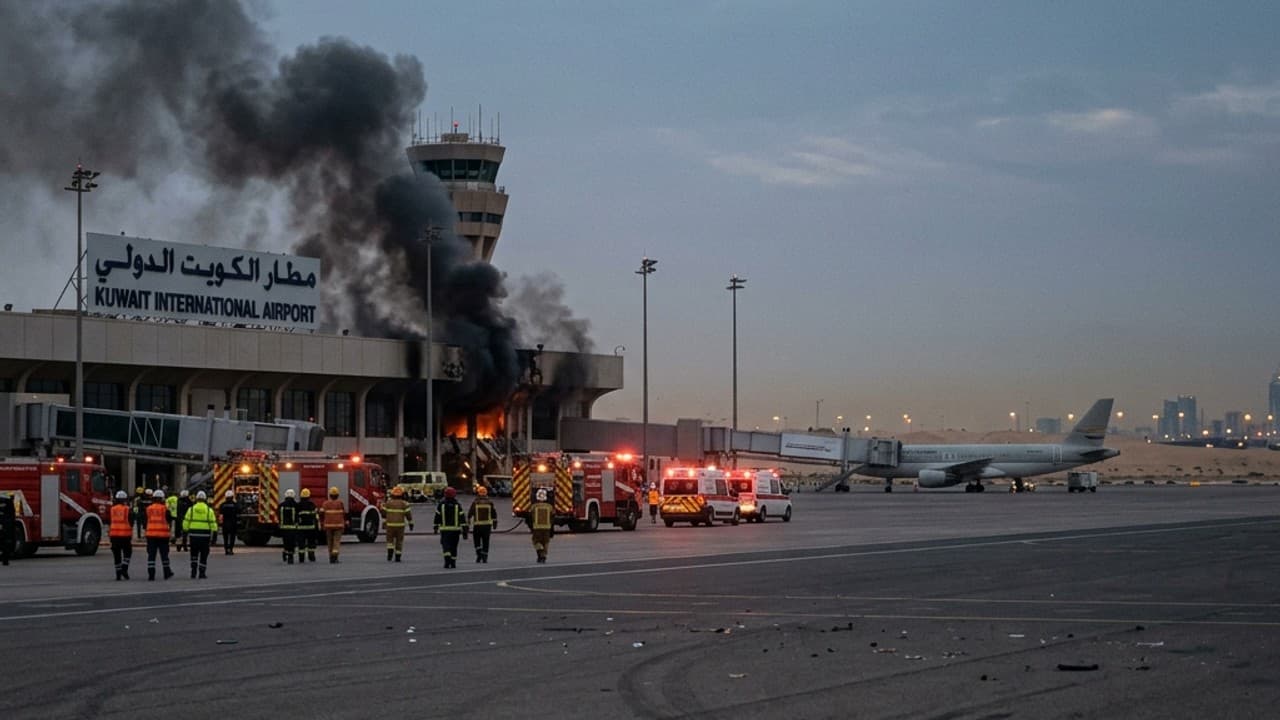
Iran Strikes Kuwait Airport With Drones and Missiles
Iran launched a drone and missile attack targeting Kuwait's main international airport, the Kuwaiti state news agency reported on Wednesday, marking a dramatic and dangerous escalation of hostilities in the Gulf region. The strike represents a direct attack on the sovereign territory and civilian infrastructure of a Gulf Cooperation Council member state.
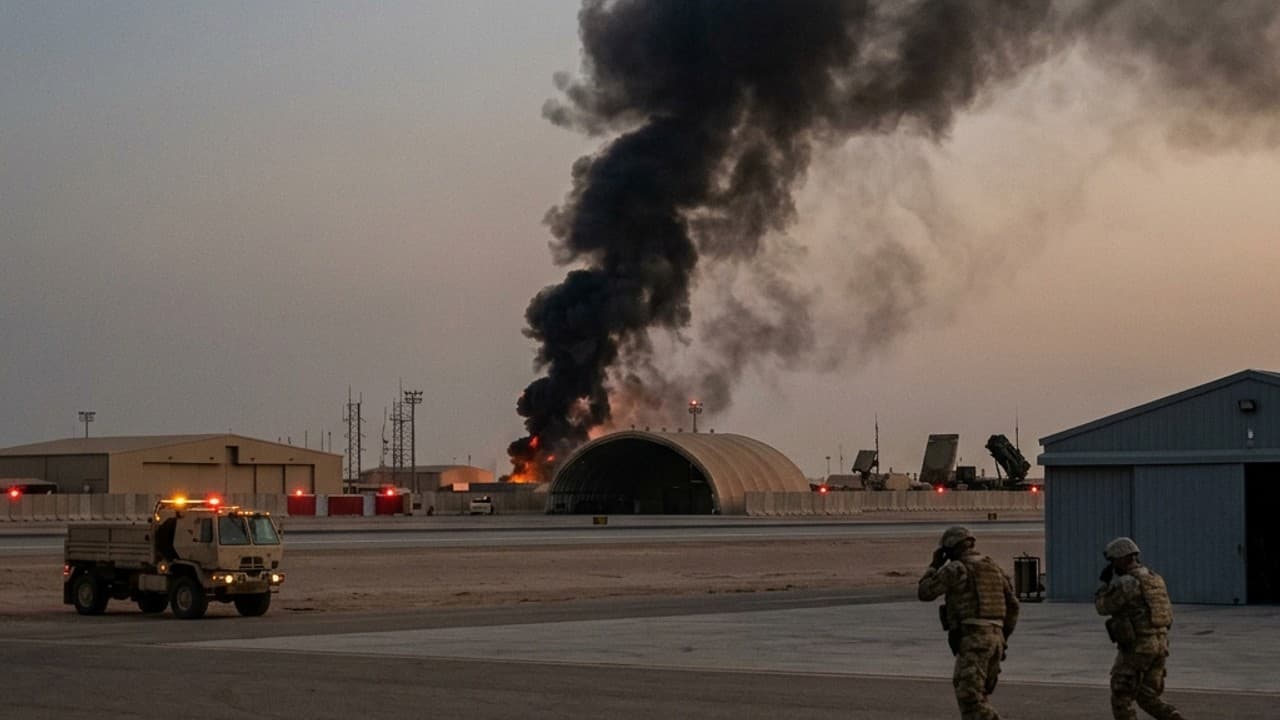
Tehran strikes US air base after American attacks on Iranian military sites
Iran launched a retaliatory strike against a United States air base on Monday after American forces attacked several Iranian military installations, marking a dramatic and dangerous escalation in tensions between the two nations. The exchange of strikes represents the most direct military confrontation between Washington and Tehran in years, raising fears of a broader regional conflict across the already volatile Middle East.
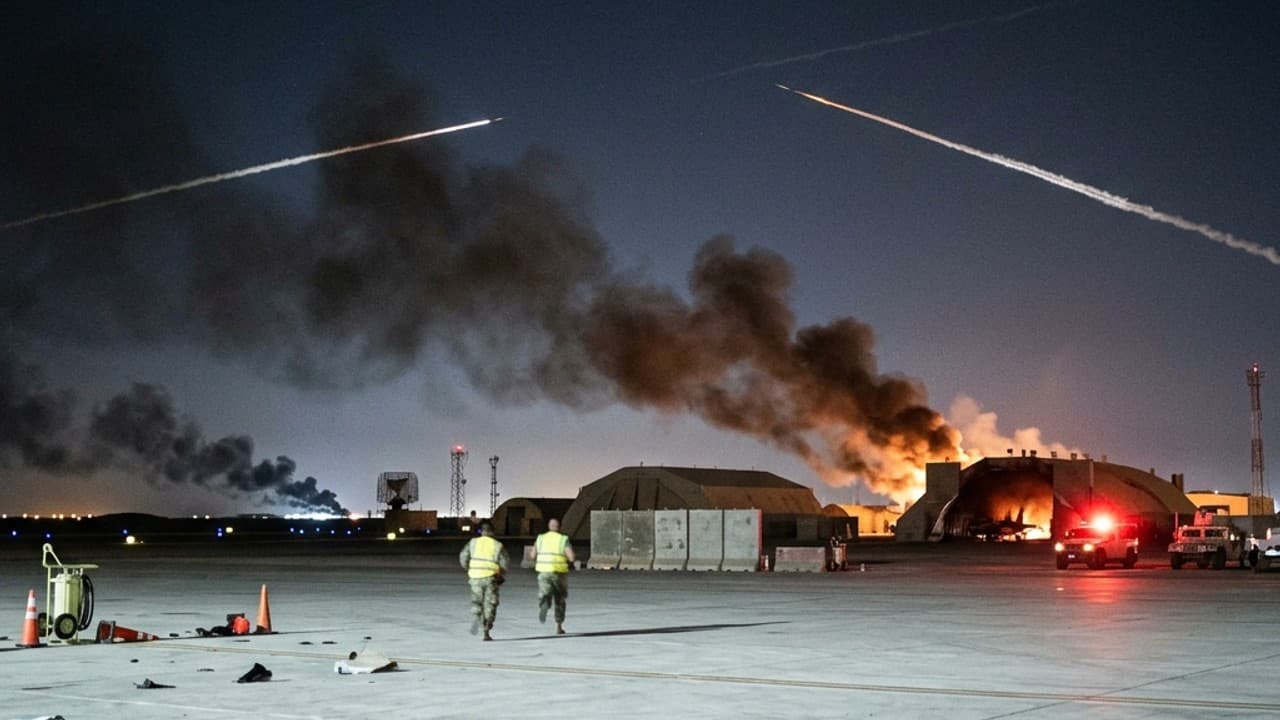
US Strikes Iranian Military Sites, Tehran Retaliates With Air Base Attack
The United States has confirmed it conducted strikes against Iranian military installations, in what marks one of the most significant direct military confrontations between the two countries in recent decades. Washington said the strikes targeted Iranian military sites, though full details of the scale, location, and objectives of the operation remained under official review at the time of reporting.
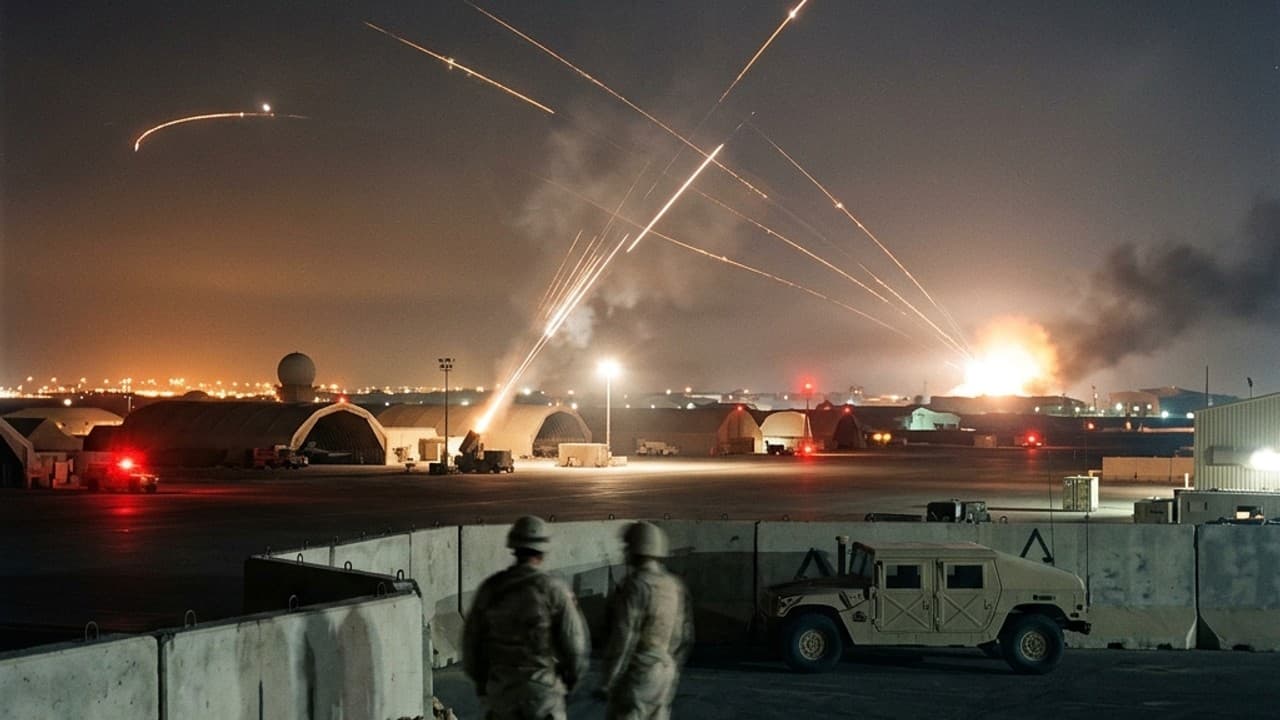
US Strikes Iran; Tehran Retaliates Against American Airbase
The United States has carried out fresh military strikes against Iran, triggering an immediate retaliatory attack by the Iranian Revolutionary Guards on an American military base in the Gulf region. The escalation comes after President Donald Trump publicly dismissed reports of a potential deal that would have kept the Strait of Hormuz open, removing a diplomatic off-ramp that analysts had considered a last-ditch mechanism to contain hostilities.
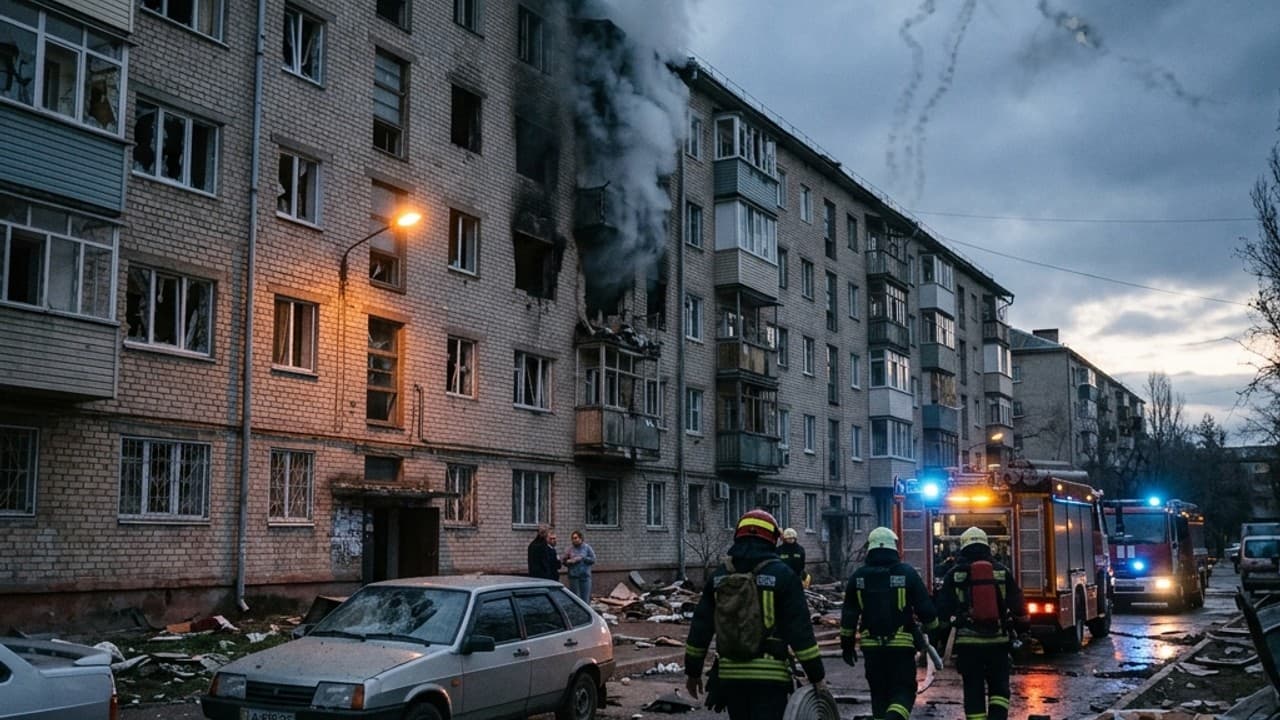
Russian Drone and Missile Assault on Ukraine Kills Ten
Russia launched a major combined drone and missile attack on Ukraine, killing at least ten people and wounding dozens more in one of the heaviest bombardments in recent weeks. Ukrainian emergency services reported strikes across multiple regions, with residential areas and infrastructure among the targets hit.
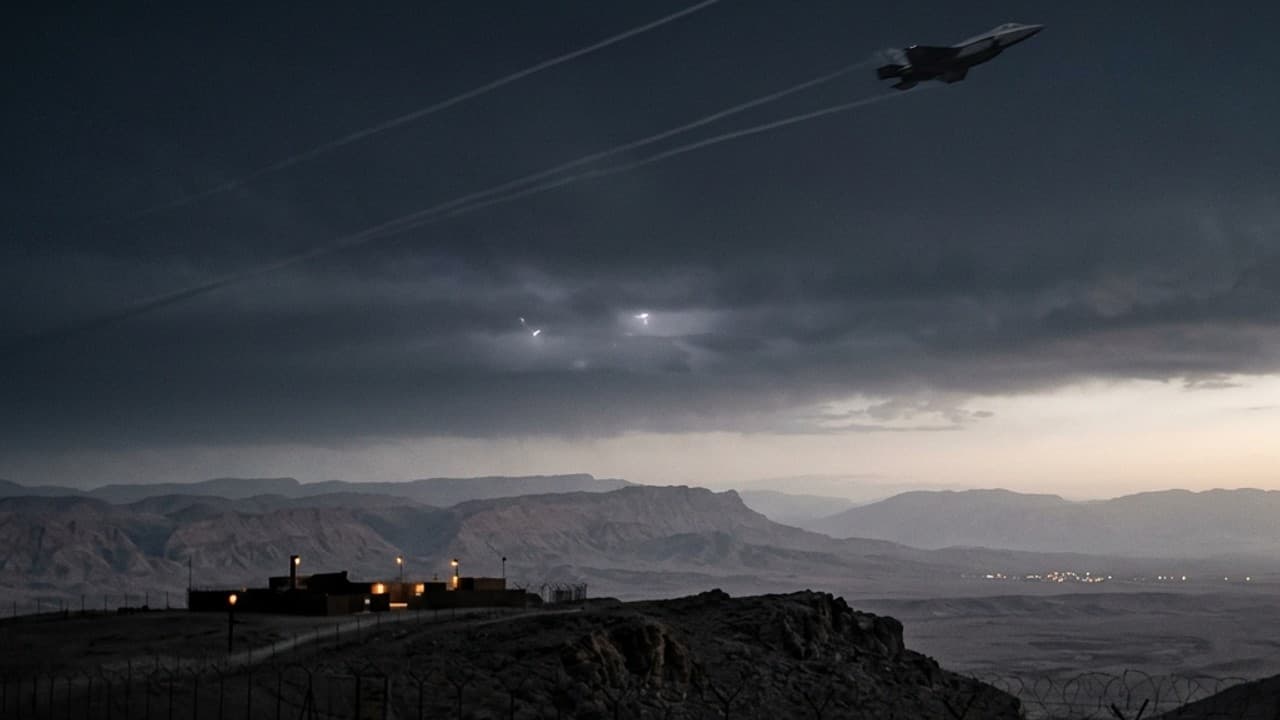
US Military Strikes Iran in Self-Defence Operations Over Weekend
The United States military carried out strikes against Iran over the weekend, characterising the operations as self-defence actions in response to what Washington described as provocations by Iranian forces or proxies. The strikes represent a significant escalation in the already volatile US-Iran confrontation and risk triggering a broader regional conflagration across the Middle East.