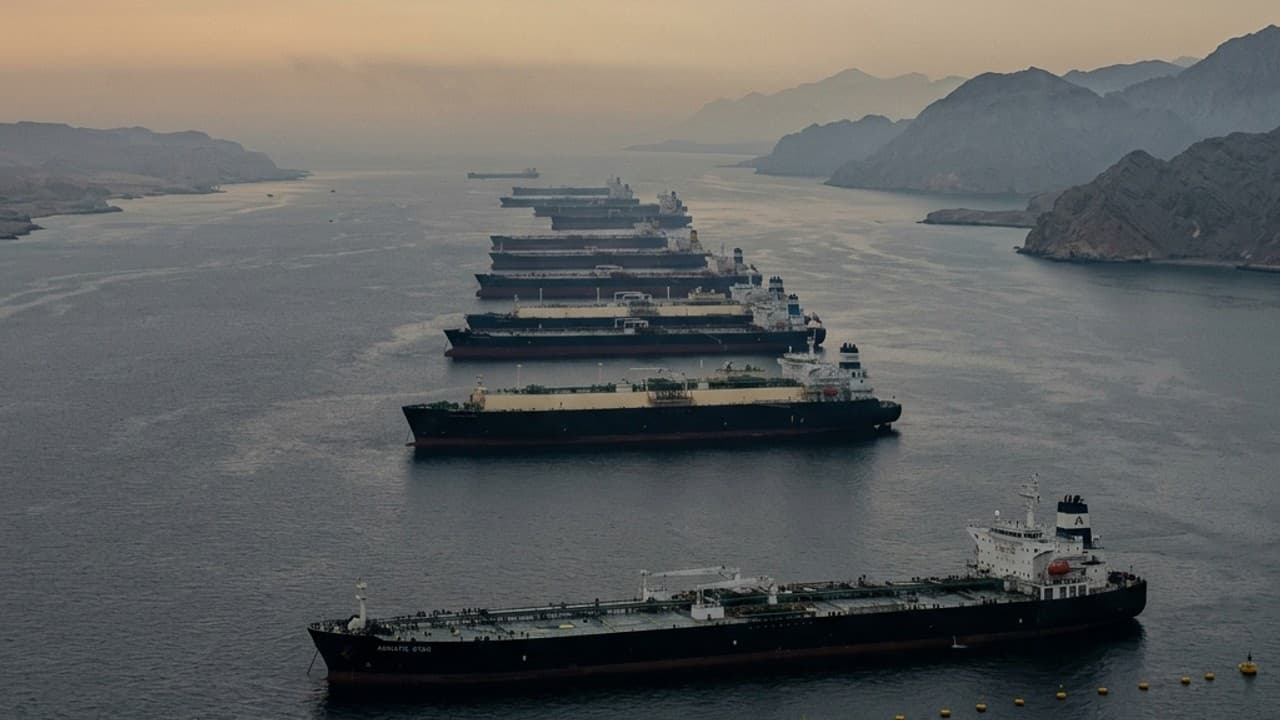
Pentagon confirms full Hormuz blockade as global fuel crisis deepens
The Pentagon has confirmed that the Strait of Hormuz is now under a complete blockade, cutting off one of the world's most critical oil and gas transit corridors and triggering an acute fuel supply crisis across global markets. The announcement marks a sharp escalation in regional tensions and has sent shockwaves through energy commodity markets, with crude oil prices spiking sharply on the news.
Roughly 20 percent of the world's traded oil and a substantial share of liquefied natural gas passes through the Strait of Hormuz daily, making any disruption to the waterway a systemic threat to global energy supply chains. The full blockade, if sustained, is expected to affect fuel availability and pricing across Asia, Europe, and beyond, with import-dependent economies particularly exposed.
Pakistan, which relies heavily on imported petroleum products and LNG to meet its energy needs, faces immediate and compounding pressure. The country has already announced an unscheduled fuel price hike on the same day, and analysts warn that a prolonged Hormuz closure could force further revisions and trigger broader inflationary cascades throughout the domestic economy.
Global powers including the United States, European nations, and Gulf states are assessed to be engaged in urgent diplomatic and military consultations to manage the crisis. No timeline for the blockade's resolution has been indicated by any party, and markets are pricing in an extended period of disruption.
Similar Stories
Background and related coverage on this story.
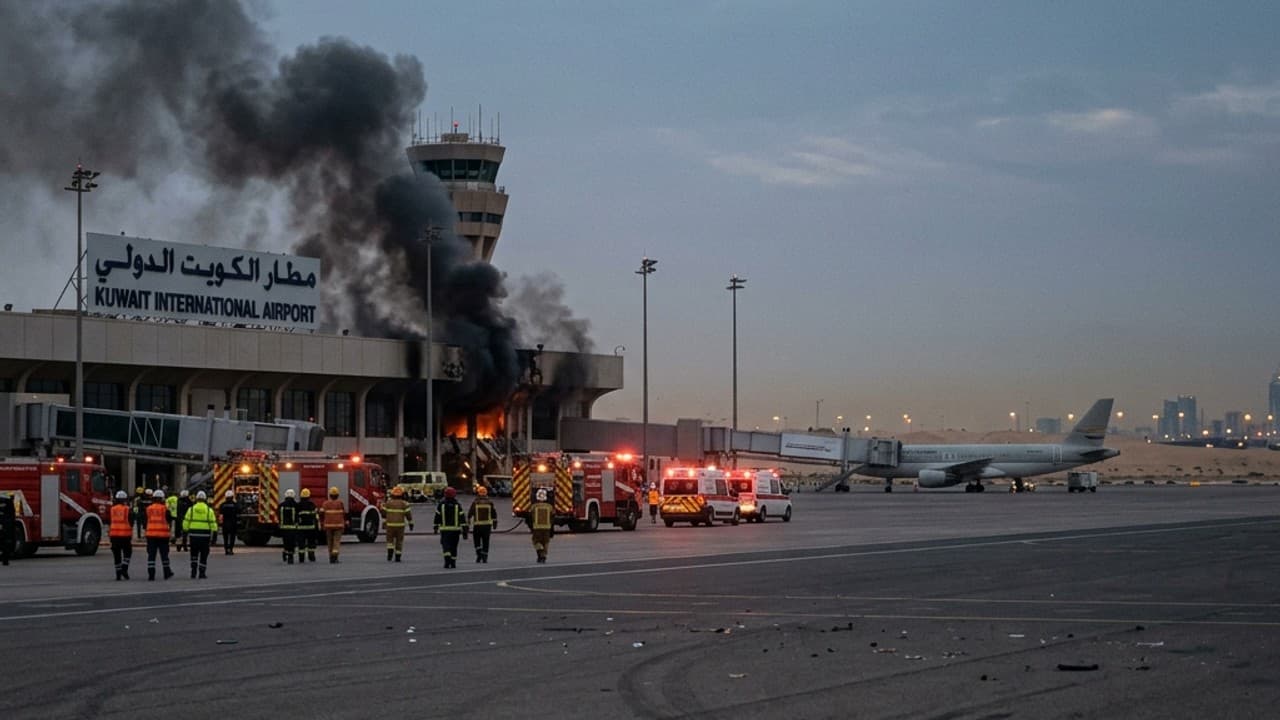
Iran Strikes Kuwait Airport With Drones and Missiles
Iran launched a drone and missile attack targeting Kuwait's main international airport, the Kuwaiti state news agency reported on Wednesday, marking a dramatic and dangerous escalation of hostilities in the Gulf region. The strike represents a direct attack on the sovereign territory and civilian infrastructure of a Gulf Cooperation Council member state.
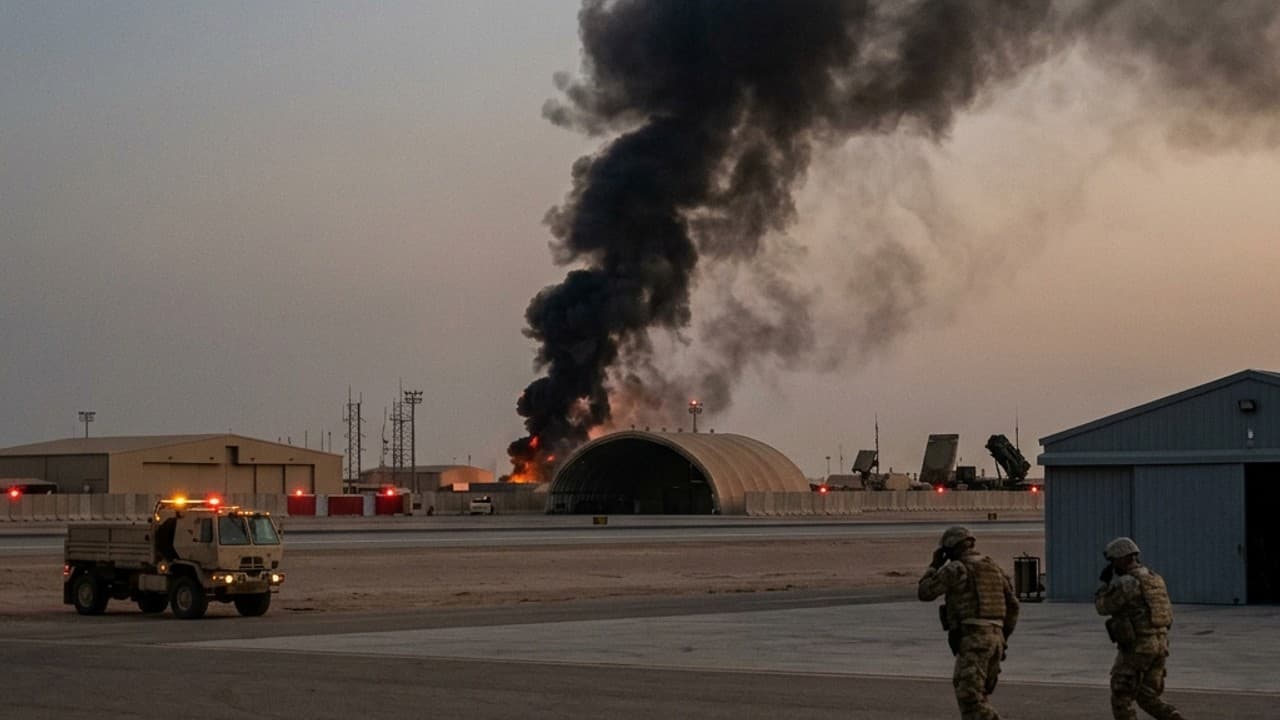
Tehran strikes US air base after American attacks on Iranian military sites
Iran launched a retaliatory strike against a United States air base on Monday after American forces attacked several Iranian military installations, marking a dramatic and dangerous escalation in tensions between the two nations. The exchange of strikes represents the most direct military confrontation between Washington and Tehran in years, raising fears of a broader regional conflict across the already volatile Middle East.
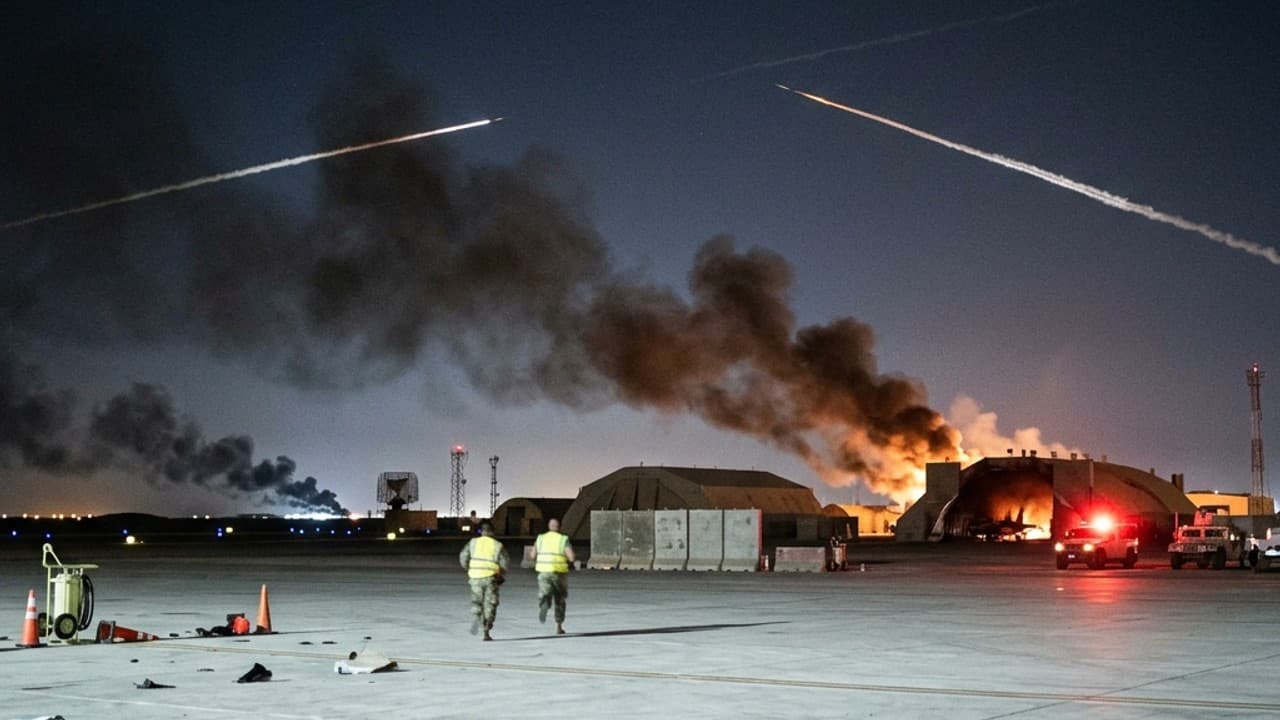
US Strikes Iranian Military Sites, Tehran Retaliates With Air Base Attack
The United States has confirmed it conducted strikes against Iranian military installations, in what marks one of the most significant direct military confrontations between the two countries in recent decades. Washington said the strikes targeted Iranian military sites, though full details of the scale, location, and objectives of the operation remained under official review at the time of reporting.
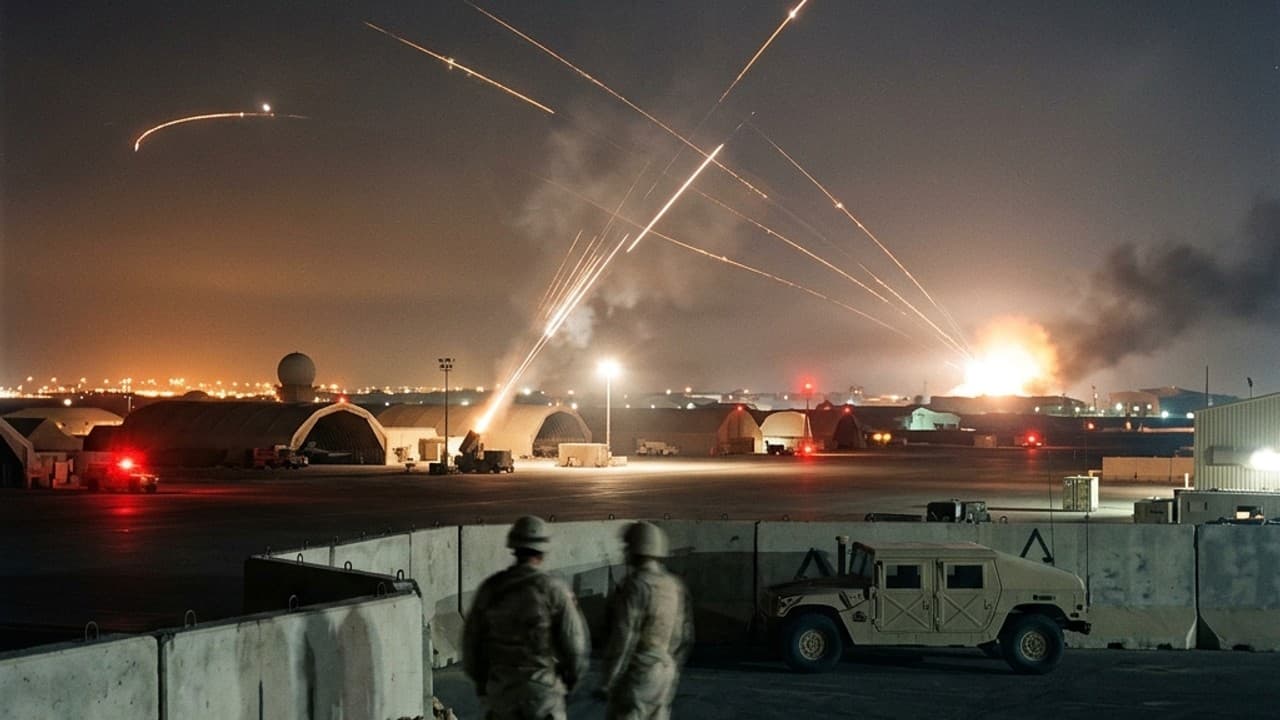
US Strikes Iran; Tehran Retaliates Against American Airbase
The United States has carried out fresh military strikes against Iran, triggering an immediate retaliatory attack by the Iranian Revolutionary Guards on an American military base in the Gulf region. The escalation comes after President Donald Trump publicly dismissed reports of a potential deal that would have kept the Strait of Hormuz open, removing a diplomatic off-ramp that analysts had considered a last-ditch mechanism to contain hostilities.
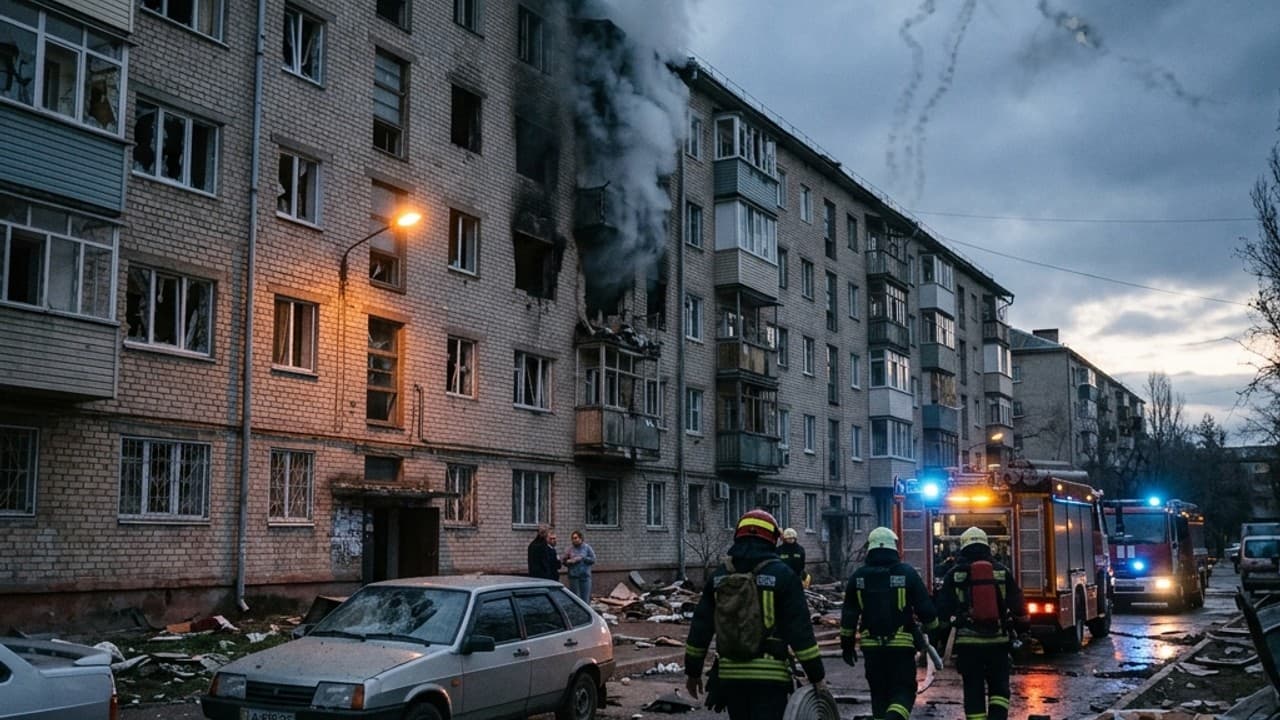
Russian Drone and Missile Assault on Ukraine Kills Ten
Russia launched a major combined drone and missile attack on Ukraine, killing at least ten people and wounding dozens more in one of the heaviest bombardments in recent weeks. Ukrainian emergency services reported strikes across multiple regions, with residential areas and infrastructure among the targets hit.
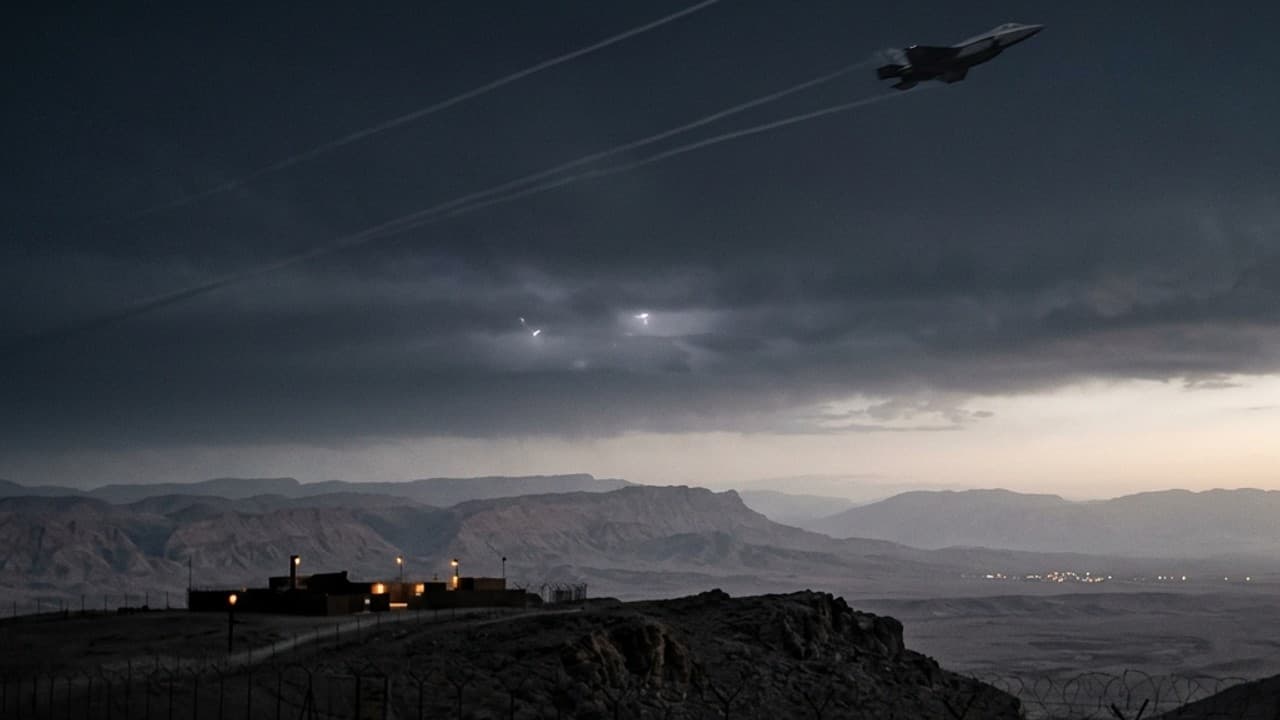
US Military Strikes Iran in Self-Defence Operations Over Weekend
The United States military carried out strikes against Iran over the weekend, characterising the operations as self-defence actions in response to what Washington described as provocations by Iranian forces or proxies. The strikes represent a significant escalation in the already volatile US-Iran confrontation and risk triggering a broader regional conflagration across the Middle East.