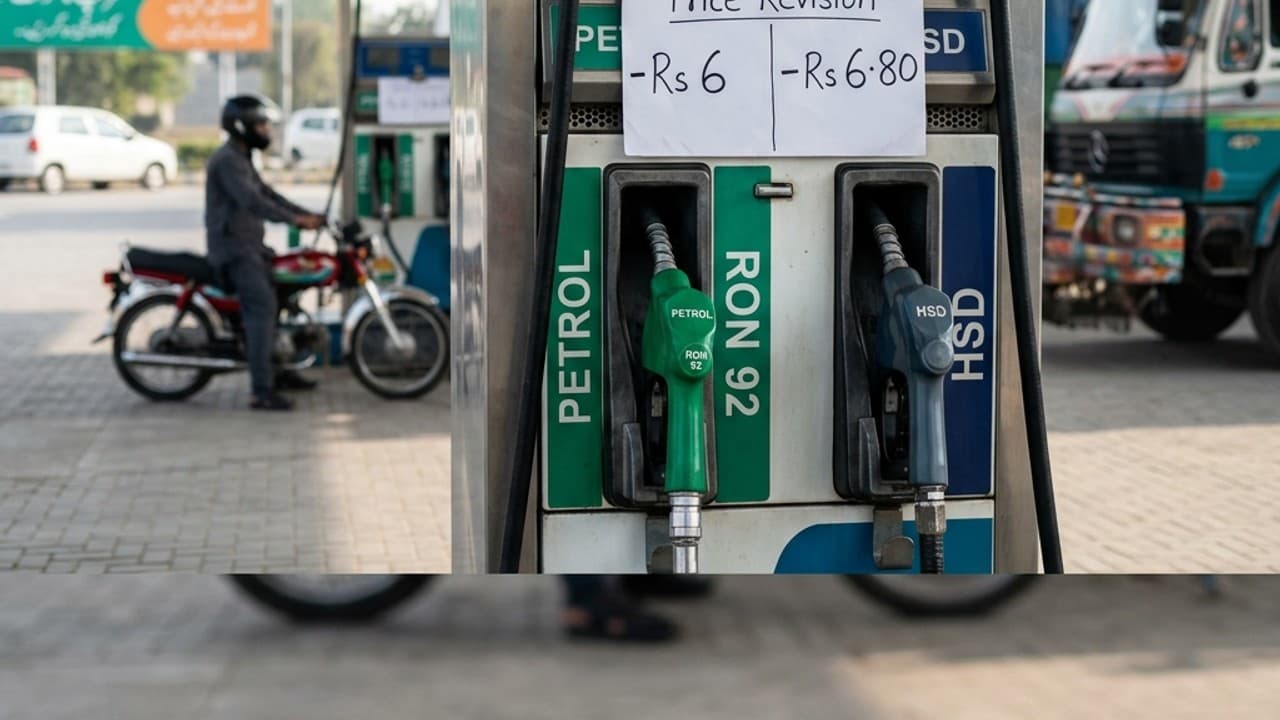
Petrol Price Cut Rs6, Diesel Rs6.80 in Fortnightly Revision
The federal government has slashed petrol prices by Rs6 per litre and high-speed diesel by Rs6.80 per litre, effective from the current fortnightly revision cycle. The reductions reflect falling global crude benchmarks and provide immediate relief to consumers already under sustained inflationary pressure.
The cuts mark one of the sharper fortnightly reductions in recent months and are expected to ease transportation and logistics costs across the country. Diesel, being the primary fuel for freight, agriculture, and industrial generators, carries a broader economic multiplier than petrol.
The decision comes against the backdrop of softer international oil prices and is consistent with the government's stated commitment to pass global price movements on to domestic consumers. Critics have previously argued that downward revisions have been delayed or compressed relative to the speed at which upward adjustments are applied.
The adjustment will be welcomed by the transport sector, which has faced prolonged margin pressure. Market analysts noted that the reduction also marginally supports the government's inflation management narrative ahead of the upcoming federal budget.
Similar Stories
Background and related coverage on this story.

FAO Warns Strait of Hormuz Blockade Threatens Global Food Crisis
The United Nations Food and Agriculture Organisation has issued a stark warning that a blockade of the Strait of Hormuz would trigger a severe global food crisis, disrupting agricultural commodity trade, spiking food prices, and threatening supply chains that billions of people depend upon. The FAO's assessment highlights how the Strait of Hormuz, while principally associated with oil and gas transit, is also a critical corridor for fertiliser shipments, grain exports, and food commodities flowing to markets in Asia, Africa, and Europe.
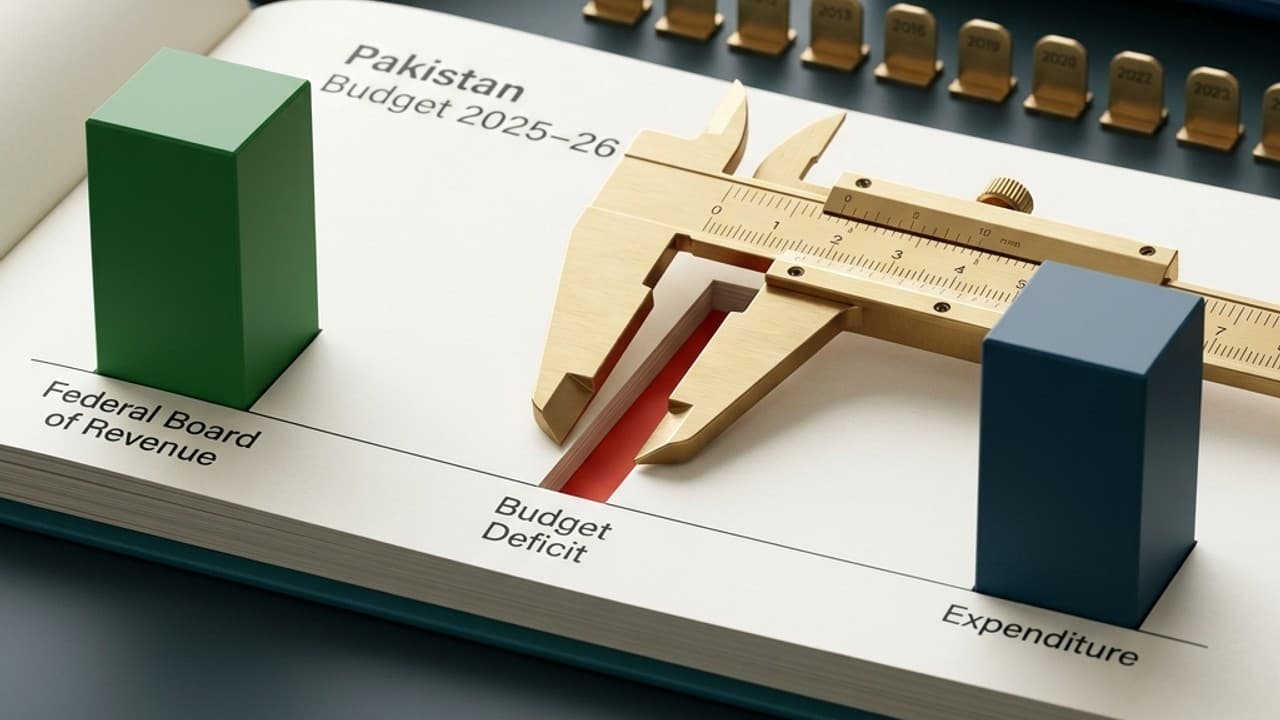
Pakistan Eyes 21-Year Low Budget Deficit in Outgoing Fiscal Year
Pakistan is on course to record its lowest budget deficit in twenty-one years in the outgoing fiscal year 2025-26, according to projections cited by financial analysts and government sources. The development signals a meaningful fiscal consolidation that the incumbent government will seek to leverage both domestically and in its ongoing engagement with the International Monetary Fund.
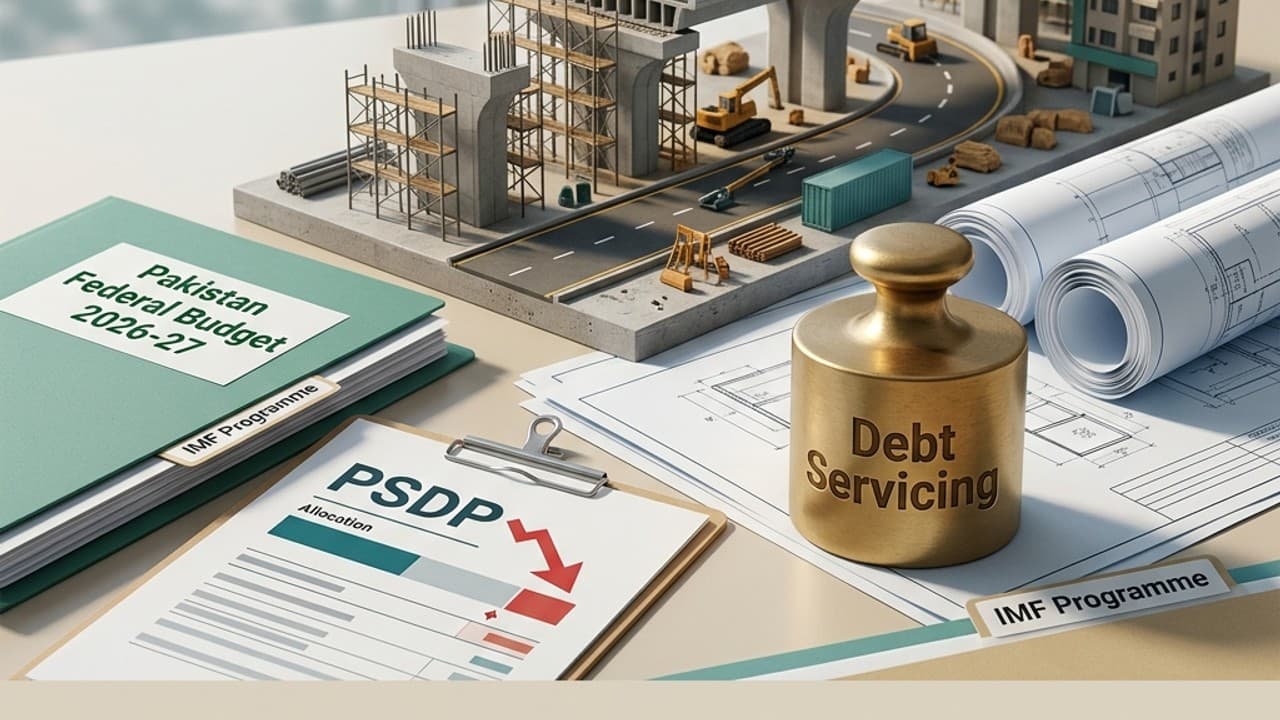
IMF Curbs Force Cuts to Pakistan's 2026-27 Development Budget
Pakistan's federal budget for 2026-27 is set to impose significant cuts on development expenditure as the government faces binding conditions imposed by the International Monetary Fund as part of its ongoing bailout programme. Fiscal space for public investment has narrowed sharply, with the IMF's fiscal consolidation targets leaving little room for capital spending on infrastructure, social services, and long-term economic projects.
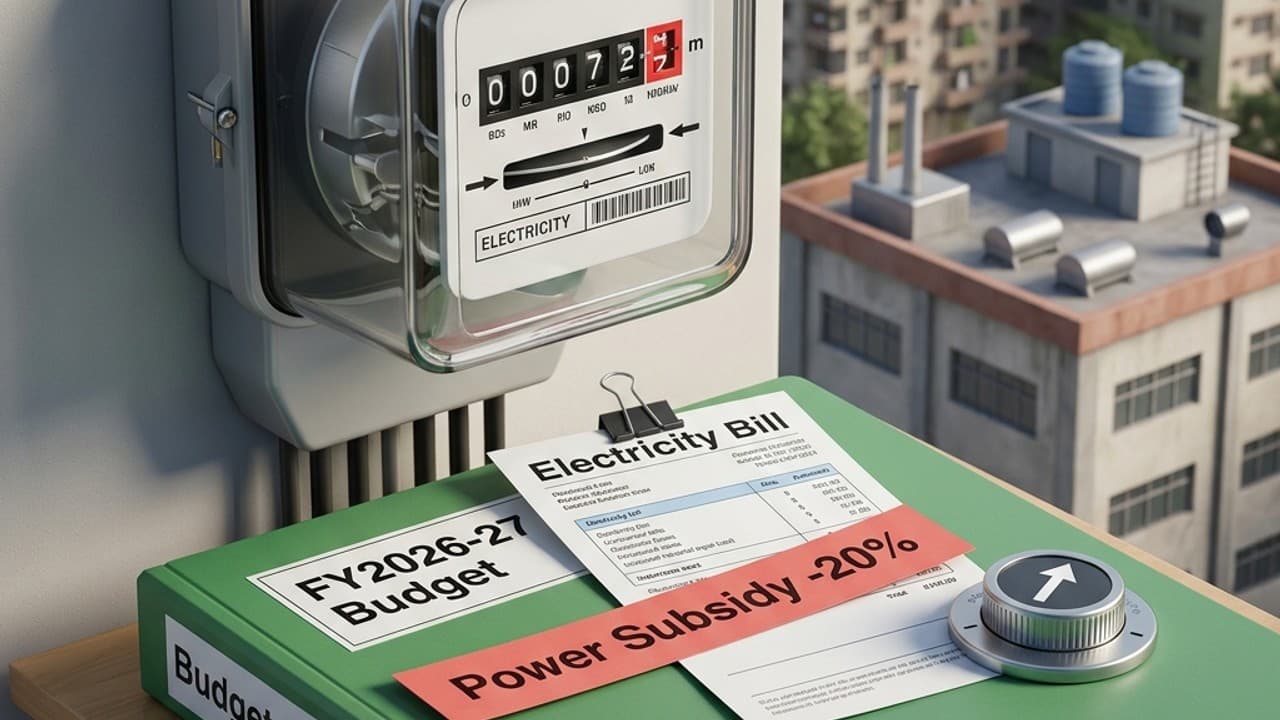
Government to Cut Power Sector Subsidies by 20 Percent in FY2027 Budget
The federal government is preparing to slash power sector subsidies by approximately 20 percent in the upcoming budget for fiscal year 2026-27, a move that signals a significant tightening of the state's energy expenditure amid sustained fiscal consolidation pressures. The reduction is expected to be formally announced as part of the broader budget presentation and will affect the quantum of relief extended to consumers across multiple tariff categories.
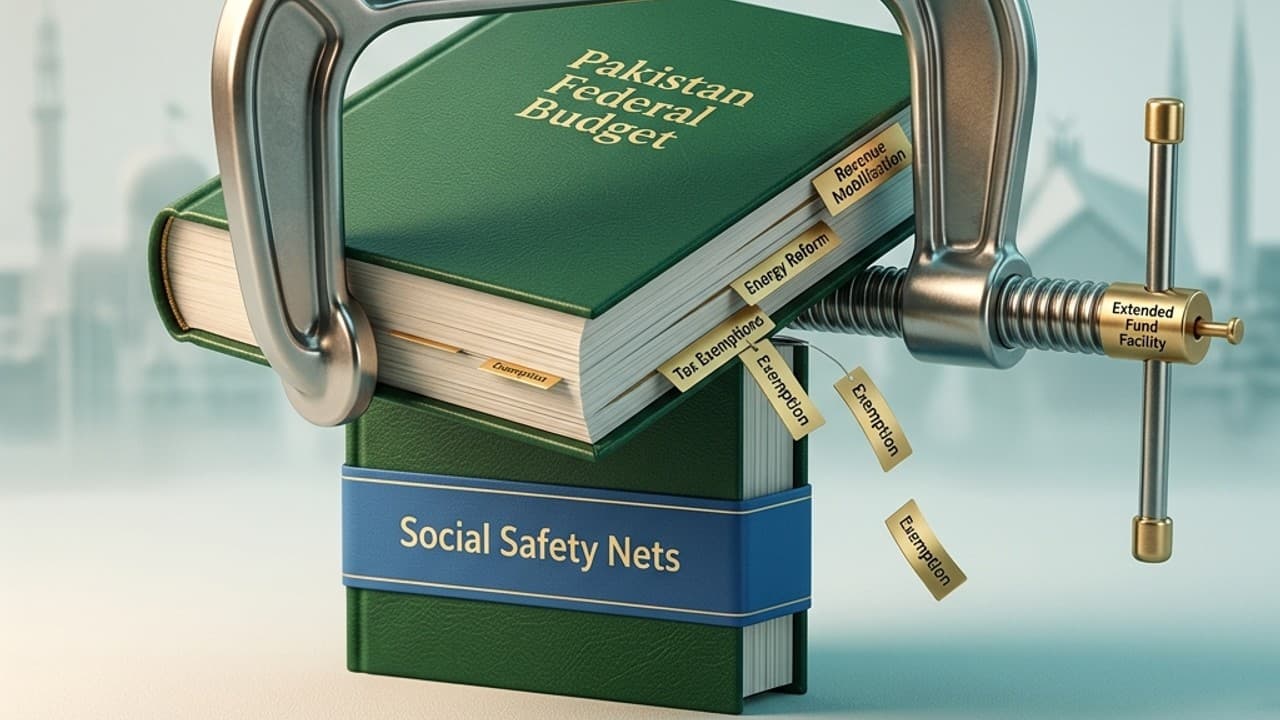
IMF Demands Structural Reforms and Revenue Measures in Pakistan Budget
The International Monetary Fund has outlined its key demands from Pakistan's upcoming federal budget, focusing on revenue mobilisation, energy sector restructuring, and the elimination of distortionary tax exemptions. The Fund's requirements reflect the conditionalities embedded in Pakistan's ongoing Extended Fund Facility programme, which remains the central anchor of the country's economic stabilisation strategy.
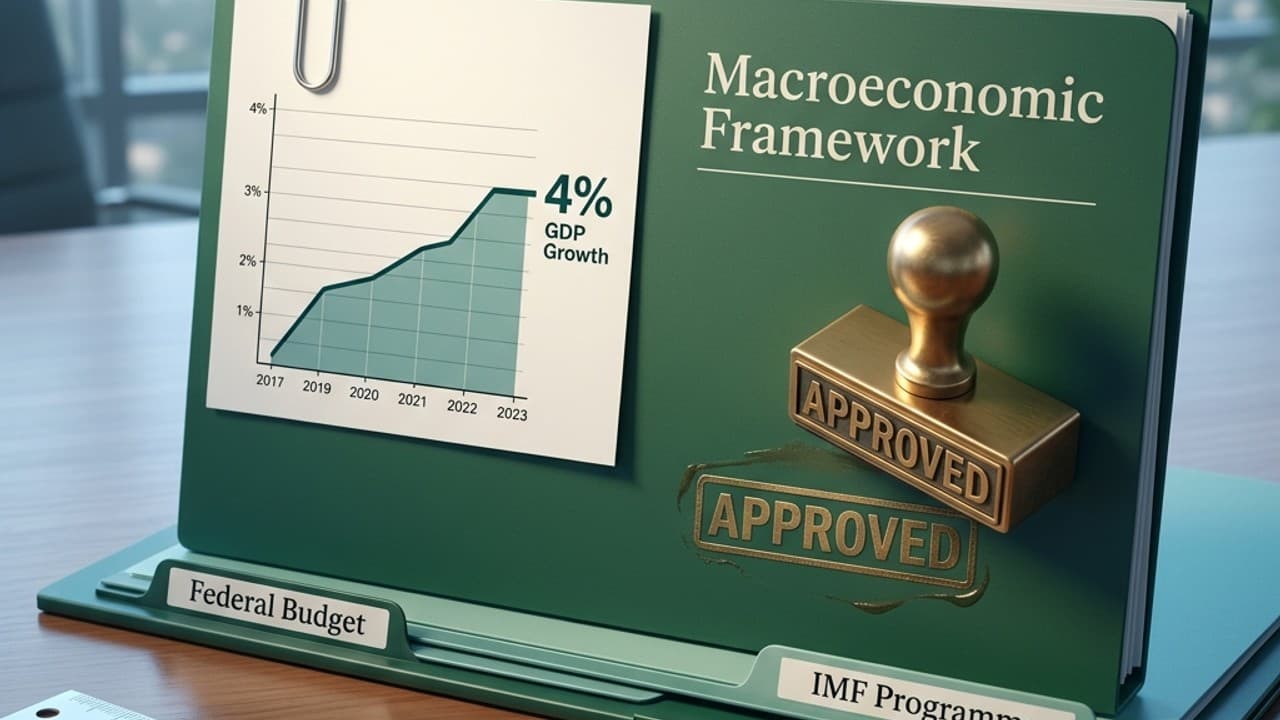
APCC Approves Macroeconomic Framework, Targets Four Percent GDP Growth
The Annual Plan Coordination Committee has cleared Pakistan's macroeconomic framework for the upcoming fiscal year, setting a GDP growth target of four percent. The approval marks a key milestone in the government's pre-budget planning cycle, establishing the foundational economic parameters that will anchor next year's federal budget.