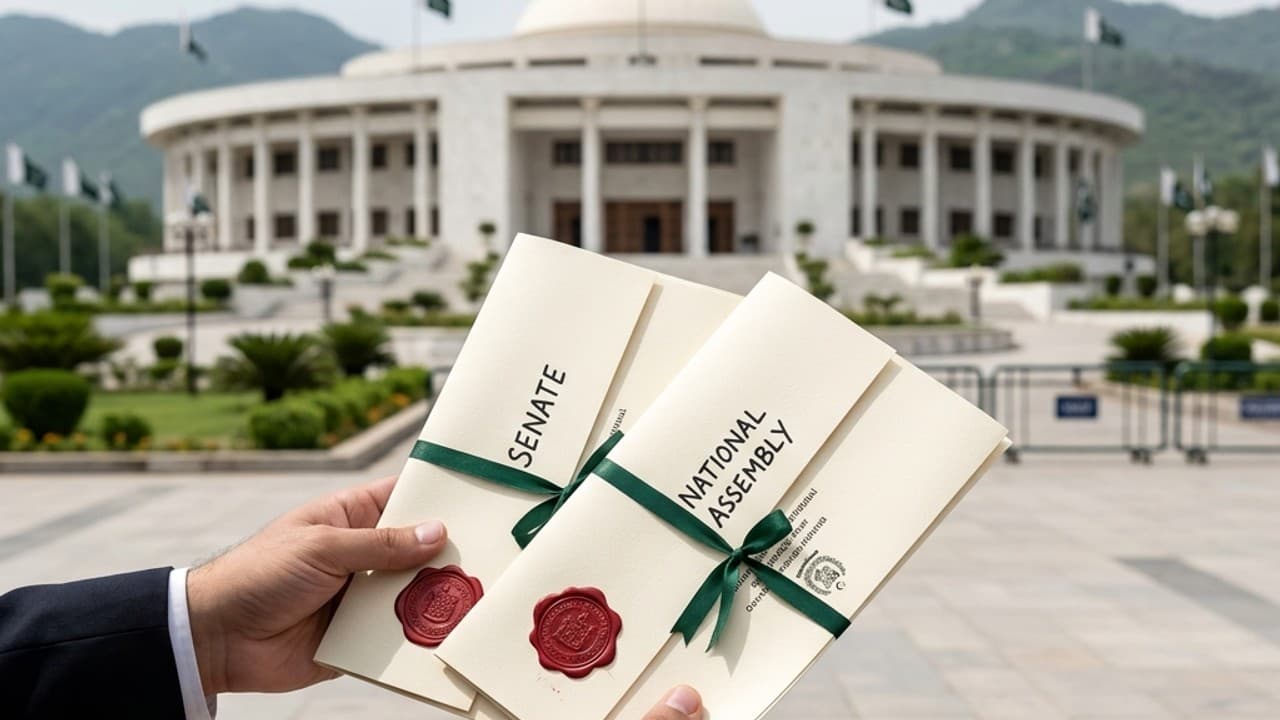
President Summons Joint Parliament Sessions of Senate and National Assembly
President Asif Ali Zardari has formally summoned sessions of both the Senate and the National Assembly, a constitutional action that signals imminent legislative activity of national significance. The summonses were issued through official presidential instruments as required under Pakistan's constitutional framework.
The convening of both chambers simultaneously or in close succession typically indicates that critical legislative business is pending, which may include emergency legislation, approval of key government measures, or parliamentary debate on matters of urgent national concern. Given the current post-conflict environment and the government's pending legislative agenda, the sessions are expected to draw significant political attention.
The President's authority to summon parliamentary sessions is exercised on the advice of the Prime Minister under Article 54 of the Constitution, making the move a joint executive signal about the legislative priorities of the ruling coalition. Details of the specific agenda items for each chamber had not been officially confirmed at the time of reporting.
Political parties across the parliamentary divide are expected to mobilise their memberships ahead of the sessions. The timing, coming amid heightened national security deliberations and ongoing economic reform commitments to international lenders, adds additional weight to the legislative calendar.
Similar Stories
Background and related coverage on this story.
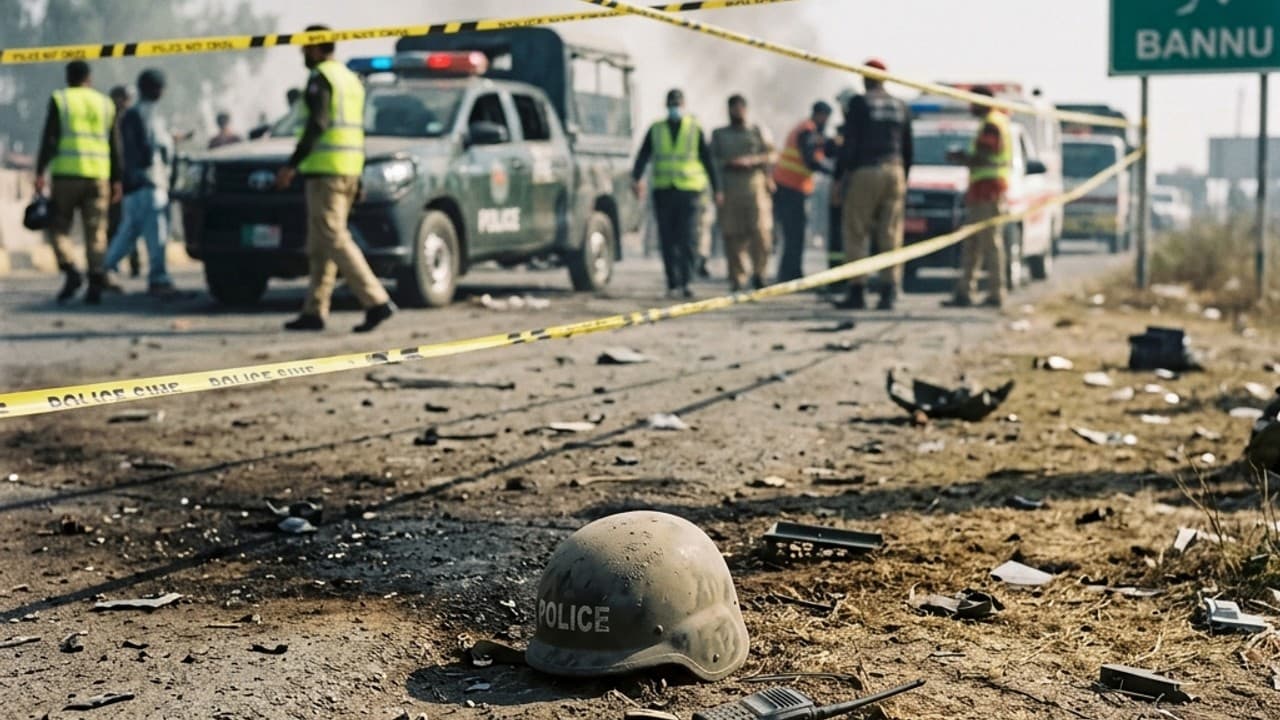
Suicide Bomb Attack Kills 15 Police Officers in Bannu
A suicide bomb attack in Bannu, Khyber Pakhtunkhwa, has claimed the lives of at least 15 police personnel, in one of the deadliest targeted strikes against law enforcement in the region this year. The attack underscores the persistent and grave security threat facing security forces in Pakistan's restive border districts.
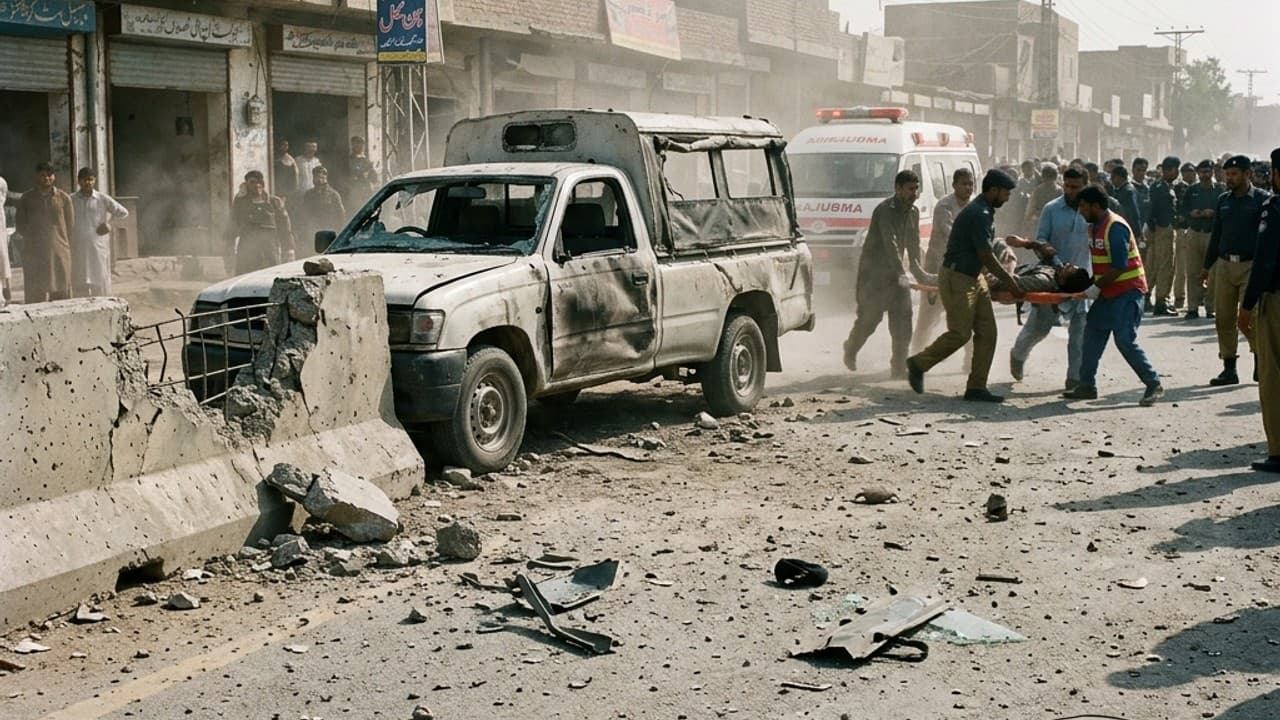
Suicide Bomber Kills At Least 15 Police Officers in Bannu
At least 15 police personnel were martyred on Sunday in a suicide bombing attack in Bannu, Khyber Pakhtunkhwa, in one of the deadliest single strikes against law enforcement in the region in recent months. The attack, which targeted a police contingent, marks a significant escalation in militant violence against security forces in the volatile southern KPK district.
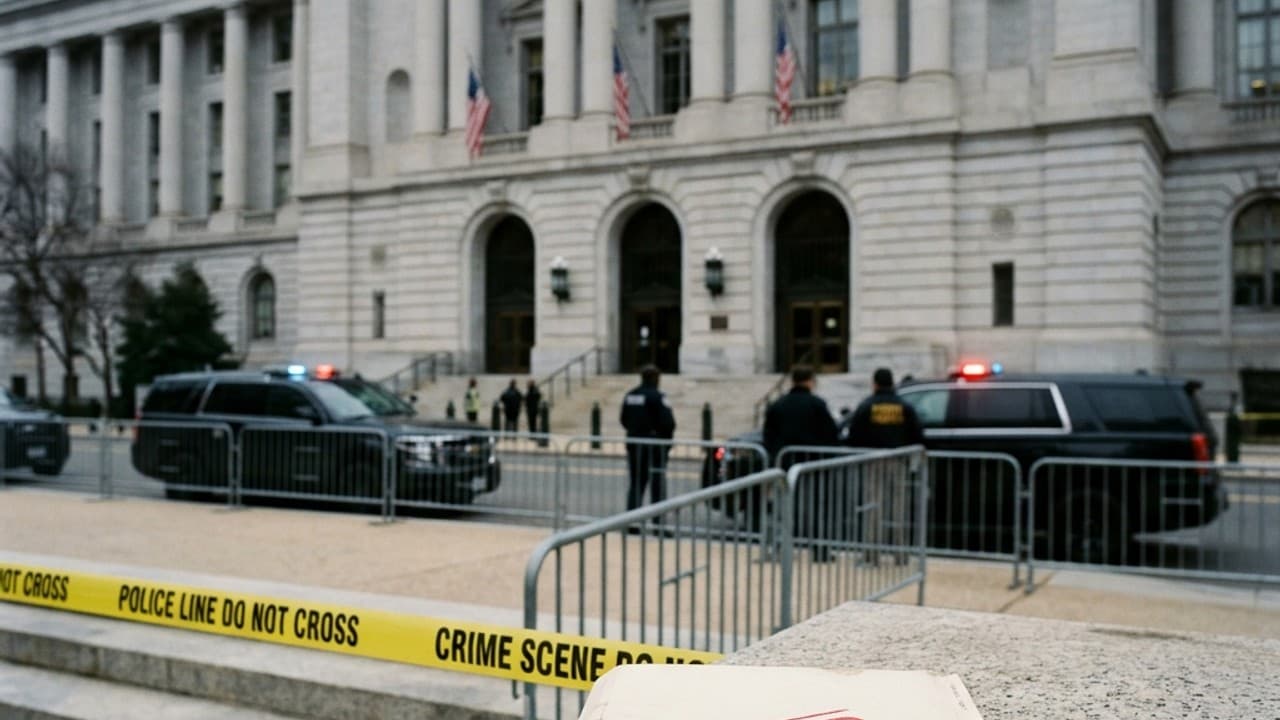
Washington Dinner Shooter Charged with Attempting to Assassinate Trump
A suspect in a shooting that took place at a Washington dinner event has been formally charged with attempting to assassinate United States President Donald Trump, in what authorities are treating as one of the most serious threats to a sitting American president in recent memory. The charges mark a significant escalation in the legal proceedings following the incident.
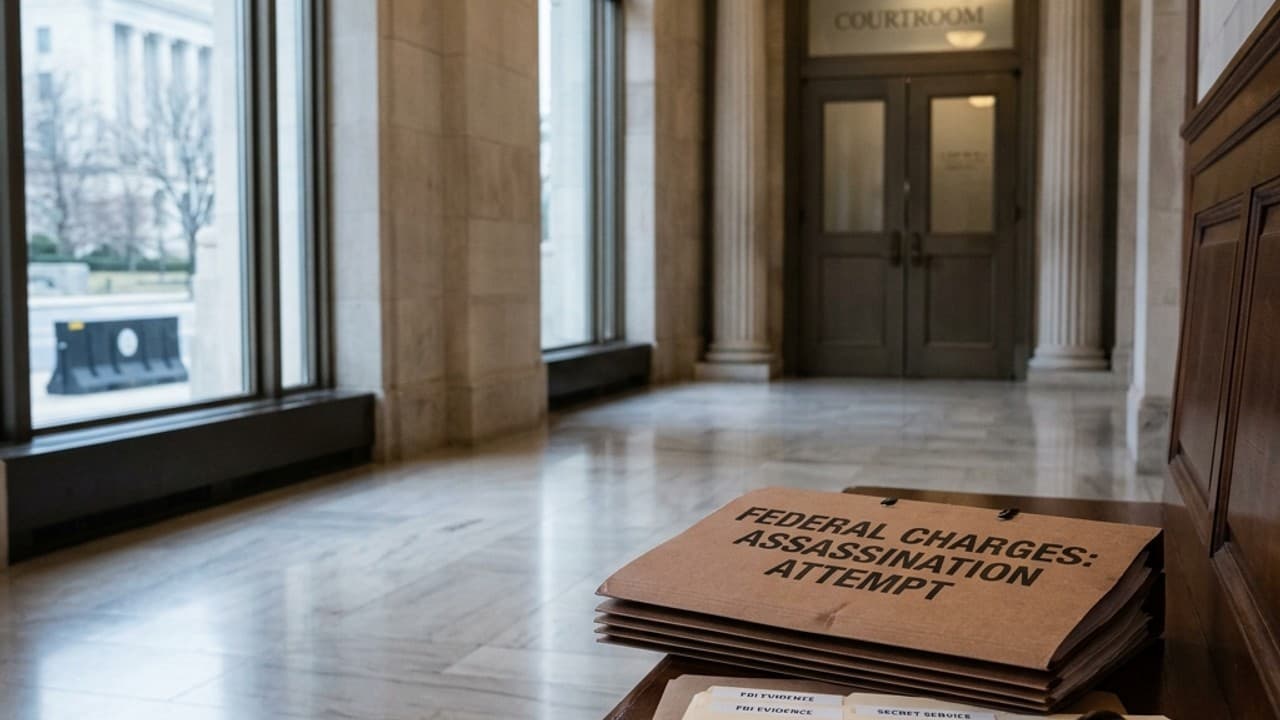
Washington Dinner Shooting Suspect Charged with Trump Assassination Attempt
In a new development, the suspect linked to the shooting at a Washington dinner event has been formally charged with attempting to assassinate US President Donald Trump, elevating the legal status of the case from a firearms incident to a federal assassination attempt charge, one of the most serious offences under American law. The charge marks a significant escalation in the case, which had previously been covered as a shooting incident at a social event in the capital.
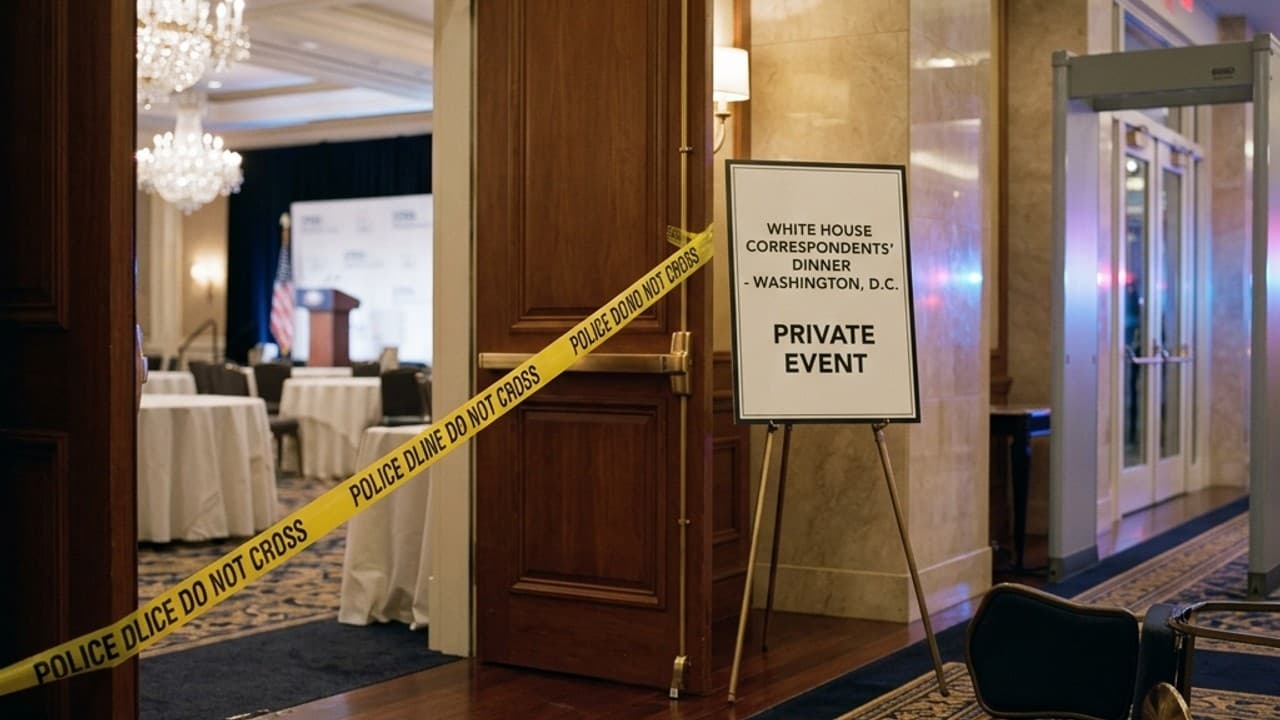
Trump Named Likely Target in White House Correspondents' Dinner Shooting
A United States official has confirmed that President Donald Trump was the likely intended target of a shooting incident that occurred at or near the White House Correspondents' Dinner, a high-profile annual event attended by senior government figures, journalists, and public personalities. The disclosure marks a severe escalation in concerns over the security of the sitting US president.
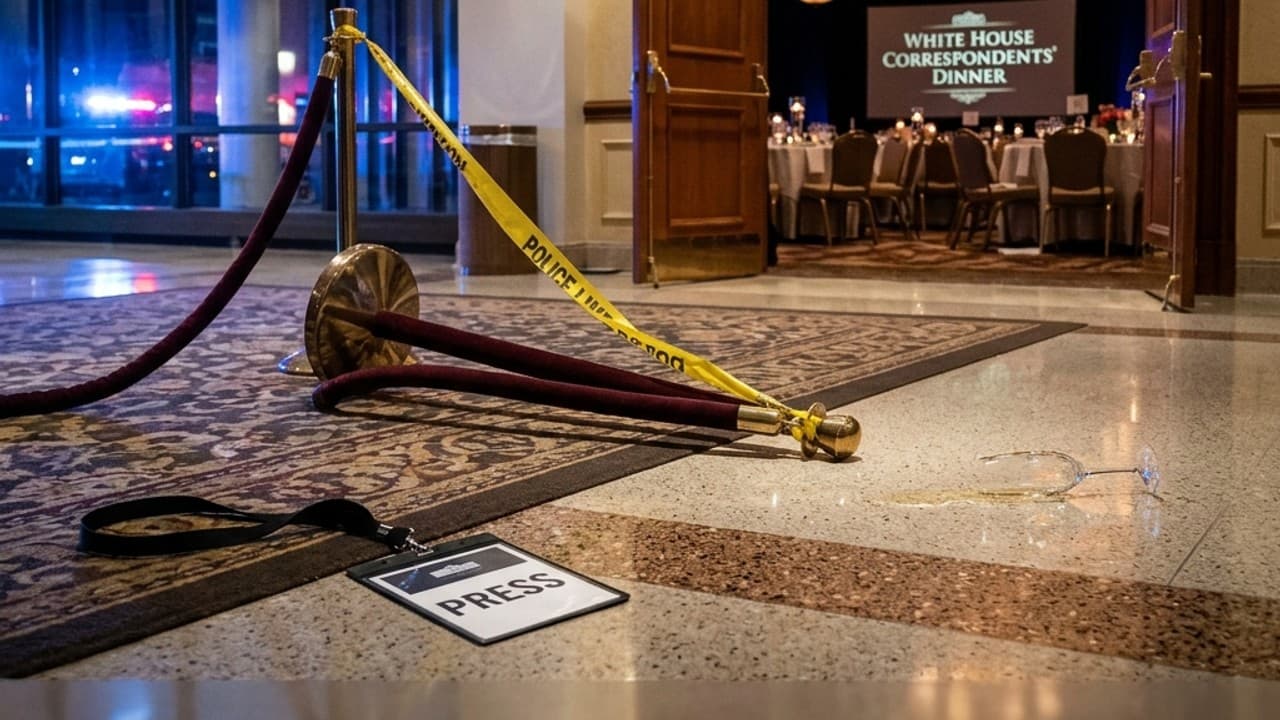
Gunman Targets Trump Officials at White House Correspondents' Dinner
A gunman believed to be targeting senior officials of the Trump administration opened fire at or near the White House Correspondents' Dinner on Sunday, according to a senior US official and the US Attorney General. The attack represents one of the most serious security incidents involving top American leadership in recent memory, with investigators confirming the apparent intent to target the President and his cabinet-level officials.