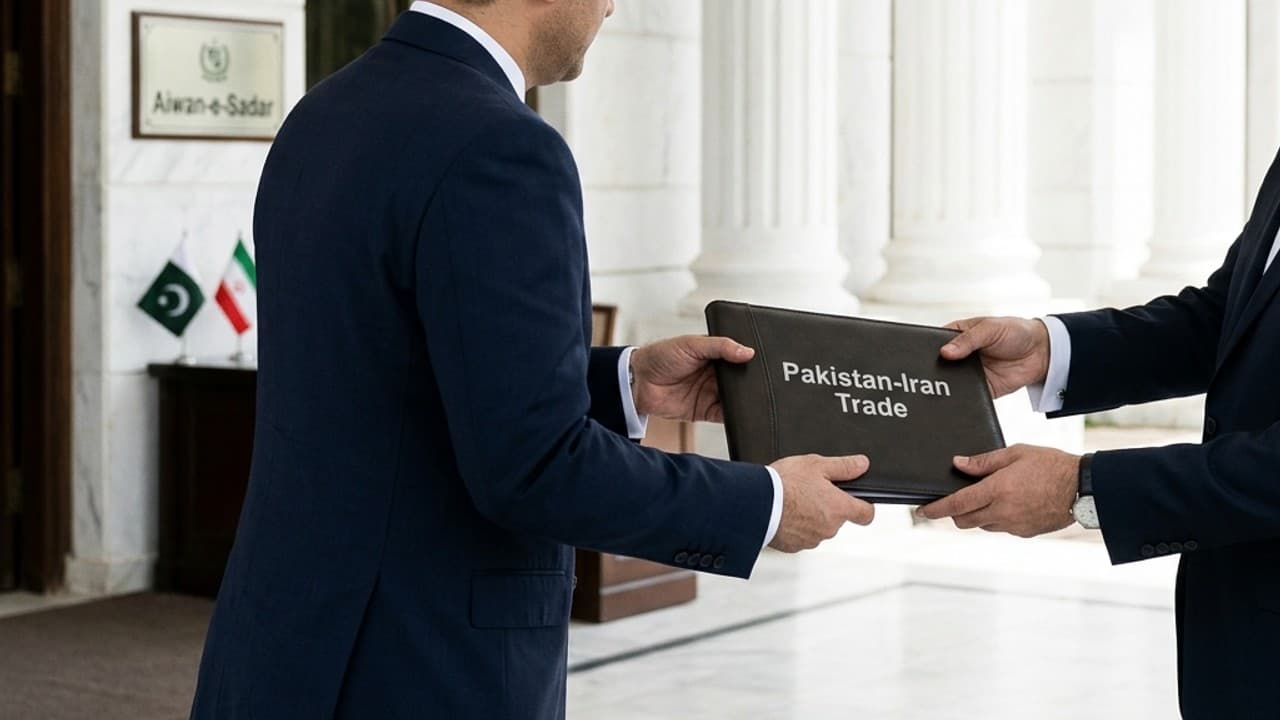
President Zardari Instructs Iran Ambassador-Designate to Prioritise Trade Ties
President Asif Ali Zardari on Friday directed Pakistan's newly designated ambassador to Iran to concentrate on expanding bilateral trade and fostering people-to-people contacts, framing economic engagement as the centrepiece of Islamabad's Tehran policy.
The instruction was delivered during a meeting with the ambassador-designate at Aiwan-e-Sadar, where the president underscored the importance of leveraging geographic proximity and cultural affinity to deepen Pakistan-Iran economic integration. The two countries share a long border and have historically maintained complex but enduring ties.
President Zardari's directive aligns with Pakistan's broader effort to diversify its trade partnerships and reduce dependence on traditional markets. Pakistan and Iran have in recent years discussed cross-border trade routes, barter mechanisms, and border market frameworks, though sanctions-related constraints on Iran continue to limit the full normalisation of commercial ties.
The appointment of the new ambassador comes at a time when Pakistan is recalibrating its regional diplomacy, with senior officials having engaged Tehran on multiple occasions over bilateral connectivity and energy cooperation. The president's emphasis on people-to-people contacts signals intent to expand cultural and educational exchanges alongside commercial linkages.
Similar Stories
Background and related coverage on this story.
Trump Rejects Iran Counteroffer, Demands Complete Victory in War
United States President Donald Trump has rejected a counteroffer from Iran aimed at ending the ongoing war, insisting instead on what he described as a complete victory. The rejection marks a significant escalation in diplomatic posturing between Washington and Tehran, closing off what appeared to be a potential off-ramp from the conflict.
Trump Warns Iran Ceasefire Is on 'Life Support'
United States President Donald Trump declared on Monday that the ceasefire with Iran is on 'life support', signalling a dramatic deterioration in the fragile truce that had been holding between Washington and Tehran. The stark language represents one of the most alarming public assessments by the US president since the ceasefire was established.
Iran war escalates tensions ahead of critical Trump-Xi summit
The ongoing Iran war is significantly raising the strategic stakes for the United States and China as the two powers prepare for high-level talks between President Donald Trump and Chinese President Xi Jinping, analysts and diplomatic observers note. The conflict has injected a new and urgent variable into bilateral discussions that were already expected to cover trade, Taiwan, and global economic stability.
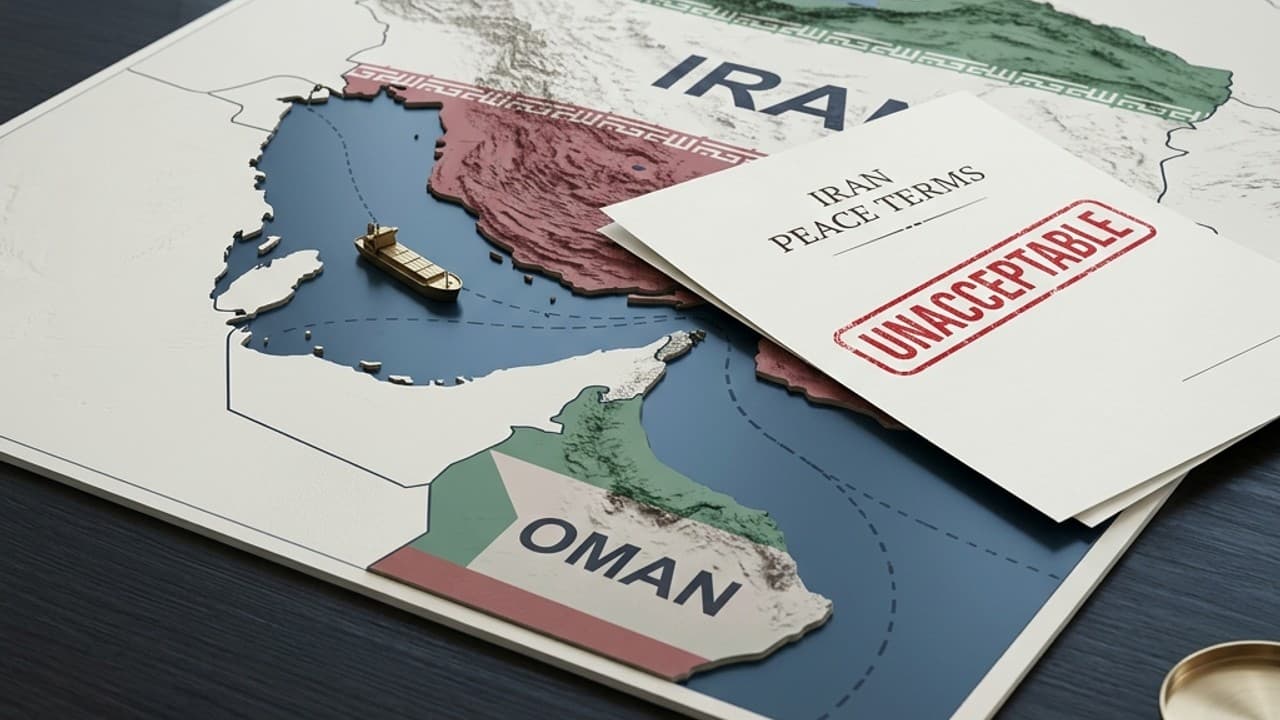
Trump rejects Iranian terms, declaring them unacceptable for peace
United States President Donald Trump has publicly rejected Iran's proposed terms for ending the ongoing war, labelling them as unacceptable and signalling that diplomatic resolution remains distant. The statement marks a significant hardening of the American position and raises fresh concerns about an extended conflict with broad regional and global consequences.
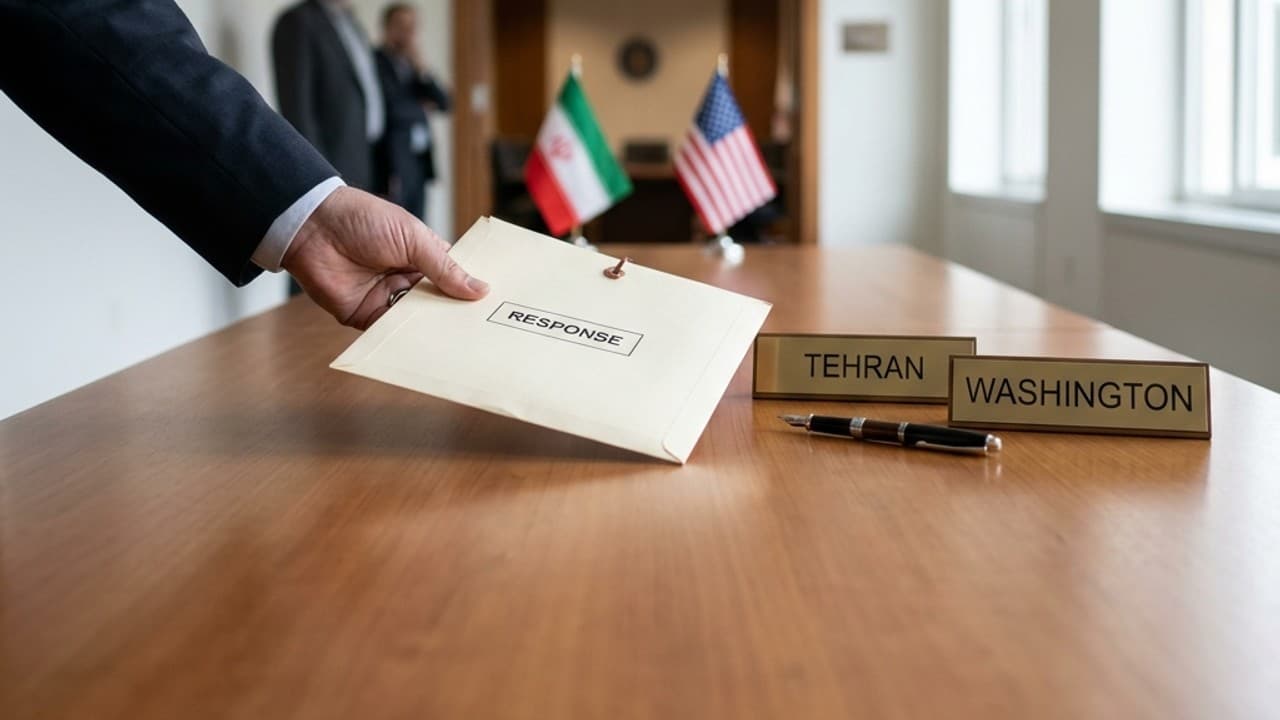
Iran Submits Formal Response To US Proposal On Ending War
Iran has formally transmitted its response to a United States proposal aimed at ending the ongoing war, state news agency IRNA reported on Sunday. The submission marks a critical juncture in diplomatic efforts to de-escalate a conflict that has drawn in multiple regional and international actors and generated widespread humanitarian consequences.
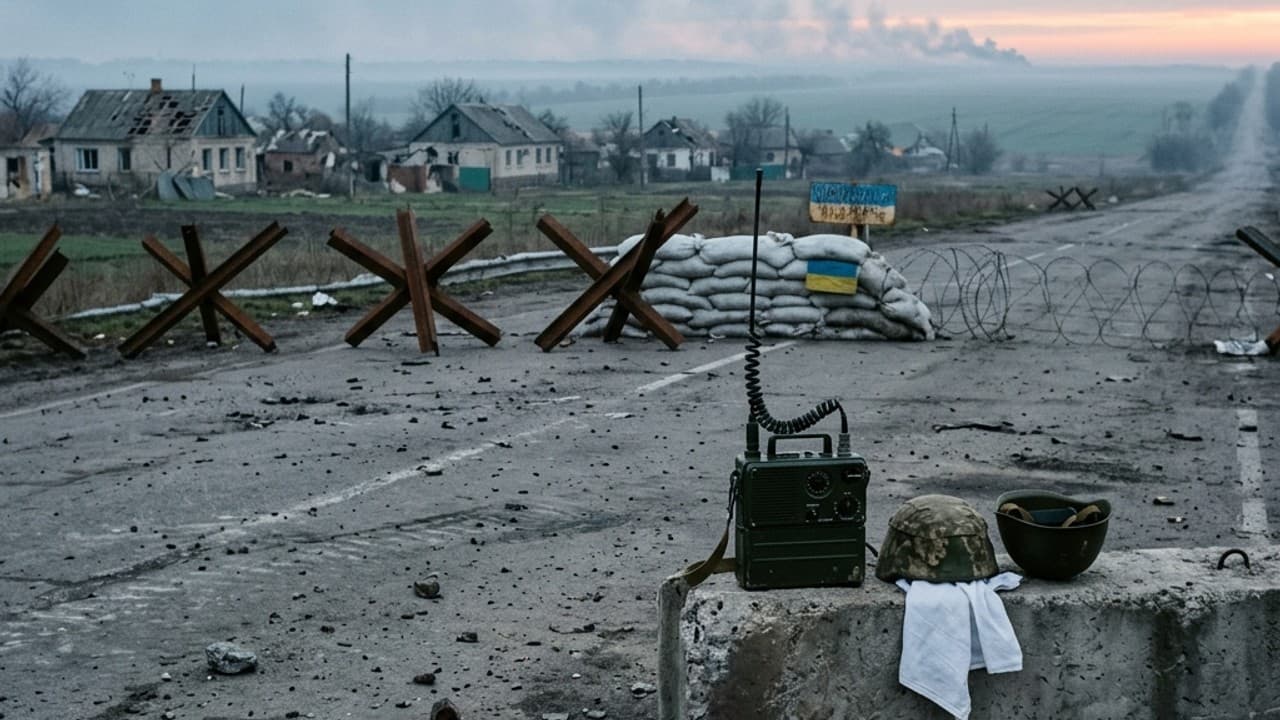
Putin Says Ukraine War Nearing End as Trump-Brokered Ceasefire Begins
Russian President Vladimir Putin has stated publicly that he believes the war with Ukraine is coming to an end, as a Trump-brokered three-day ceasefire formally came into effect. The parallel statements mark a potentially pivotal moment in a conflict that has defined European security and global commodity markets since Russia's full-scale invasion in February 2022.