
PTA Conducts Quality of Service Surveys Across AJK and Gilgit-Baltistan
The Pakistan Telecommunication Authority has conducted joint quality of service surveys across Azad Jammu and Kashmir and Gilgit-Baltistan, as part of its mandate to assess and improve mobile and broadband service delivery in underserved and geographically challenging regions. The surveys are intended to generate empirical data on network performance and identify gaps requiring regulatory intervention.
AJK and GB have historically lagged behind mainland Pakistan in terms of telecom infrastructure density and service quality, largely due to difficult terrain, limited investment, and sparse population distribution. PTA's active presence in these regions signals an intent to close the digital and connectivity gap affecting millions of residents.
The QoS data gathered through such surveys typically informs PTA's licensing and compliance framework, enabling the regulator to direct operators to improve coverage and service standards in specific areas. Operators found to be underperforming against benchmarks may face regulatory notices or remedial conditions.
Improved telecom quality in AJK and GB would have cascading benefits for economic activity, emergency services, digital access, and social connectivity in regions that remain strategically important to Pakistan.
Similar Stories
Background and related coverage on this story.

Suicide Bomb Attack Kills 15 Police Officers in Bannu
A suicide bomb attack in Bannu, Khyber Pakhtunkhwa, has claimed the lives of at least 15 police personnel, in one of the deadliest targeted strikes against law enforcement in the region this year. The attack underscores the persistent and grave security threat facing security forces in Pakistan's restive border districts.

Suicide Bomber Kills At Least 15 Police Officers in Bannu
At least 15 police personnel were martyred on Sunday in a suicide bombing attack in Bannu, Khyber Pakhtunkhwa, in one of the deadliest single strikes against law enforcement in the region in recent months. The attack, which targeted a police contingent, marks a significant escalation in militant violence against security forces in the volatile southern KPK district.
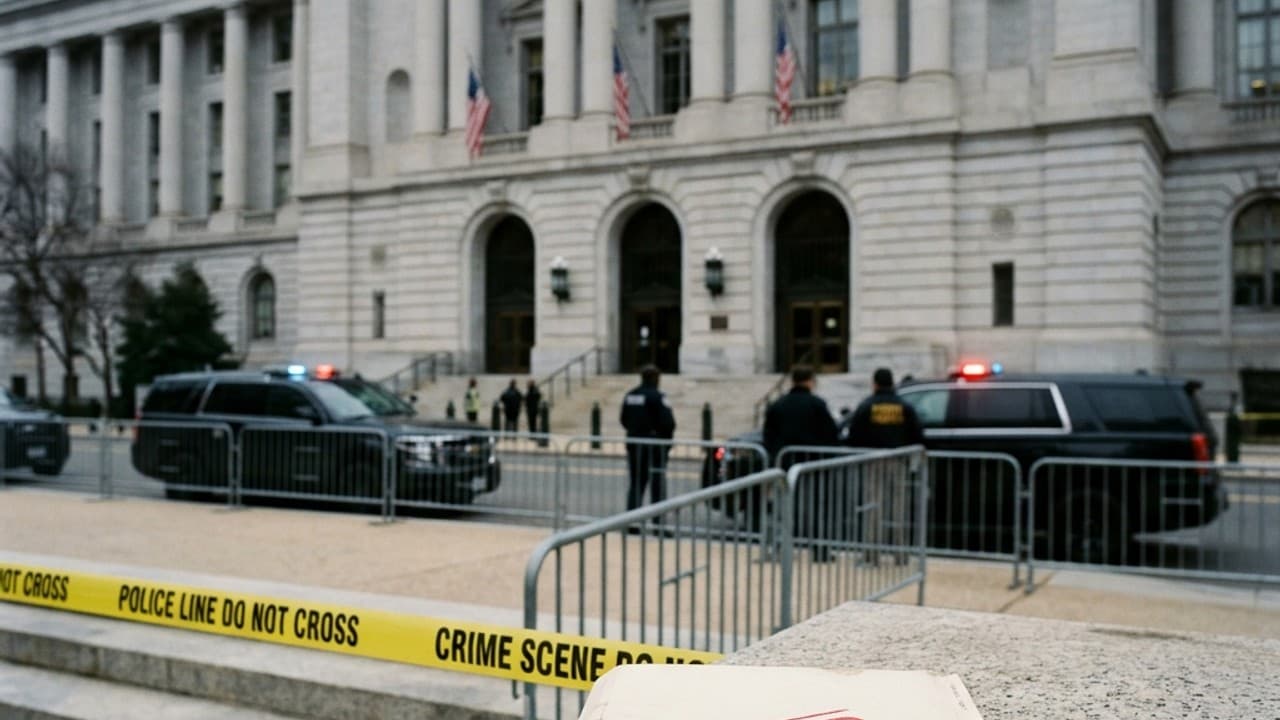
Washington Dinner Shooter Charged with Attempting to Assassinate Trump
A suspect in a shooting that took place at a Washington dinner event has been formally charged with attempting to assassinate United States President Donald Trump, in what authorities are treating as one of the most serious threats to a sitting American president in recent memory. The charges mark a significant escalation in the legal proceedings following the incident.
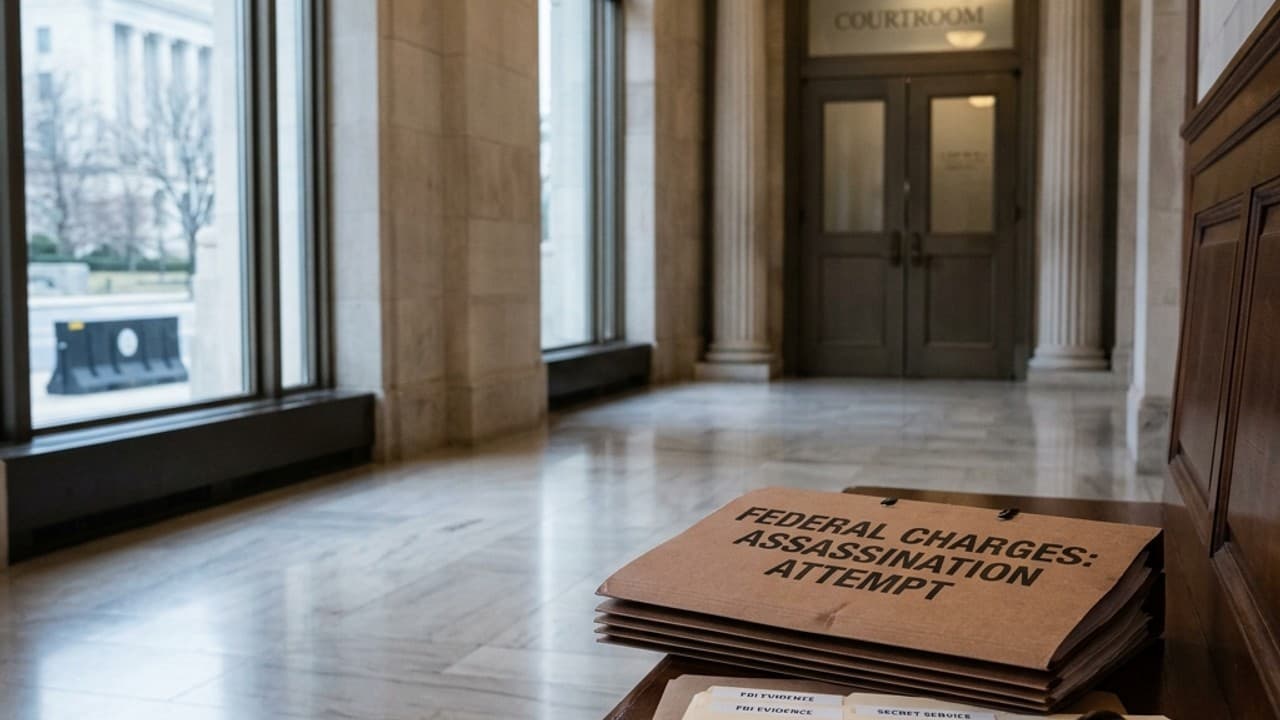
Washington Dinner Shooting Suspect Charged with Trump Assassination Attempt
In a new development, the suspect linked to the shooting at a Washington dinner event has been formally charged with attempting to assassinate US President Donald Trump, elevating the legal status of the case from a firearms incident to a federal assassination attempt charge, one of the most serious offences under American law. The charge marks a significant escalation in the case, which had previously been covered as a shooting incident at a social event in the capital.
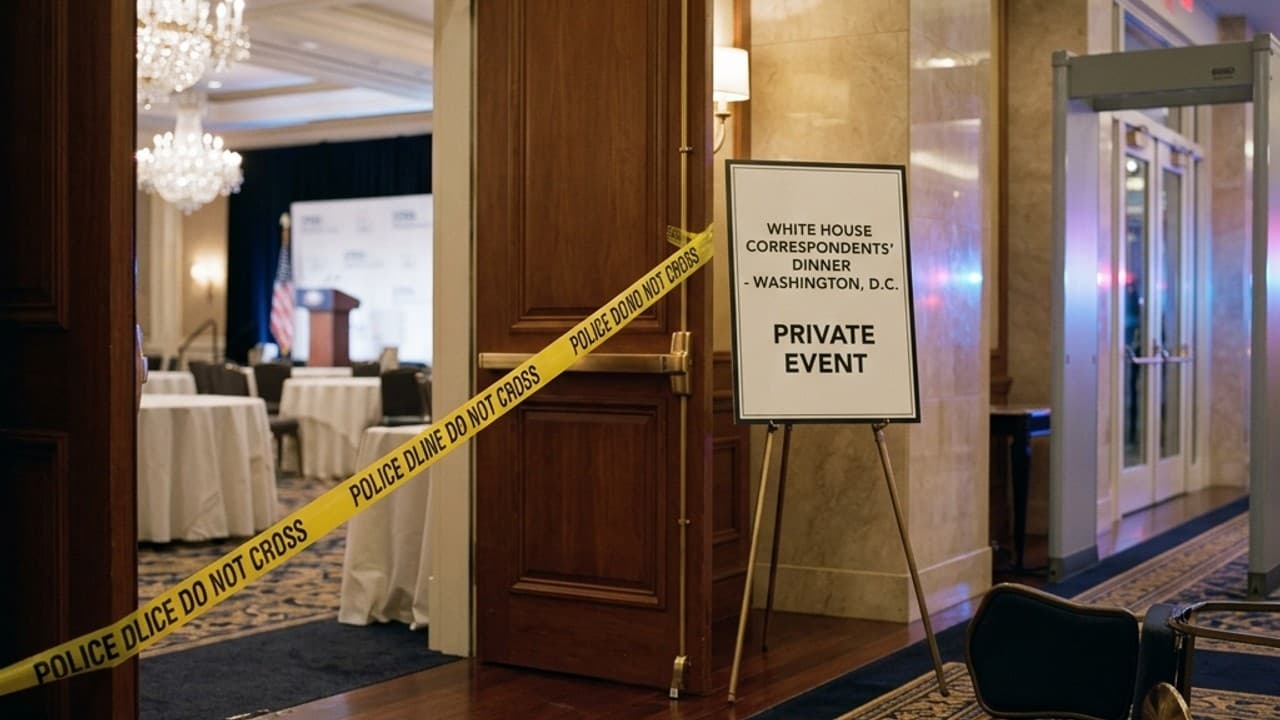
Trump Named Likely Target in White House Correspondents' Dinner Shooting
A United States official has confirmed that President Donald Trump was the likely intended target of a shooting incident that occurred at or near the White House Correspondents' Dinner, a high-profile annual event attended by senior government figures, journalists, and public personalities. The disclosure marks a severe escalation in concerns over the security of the sitting US president.
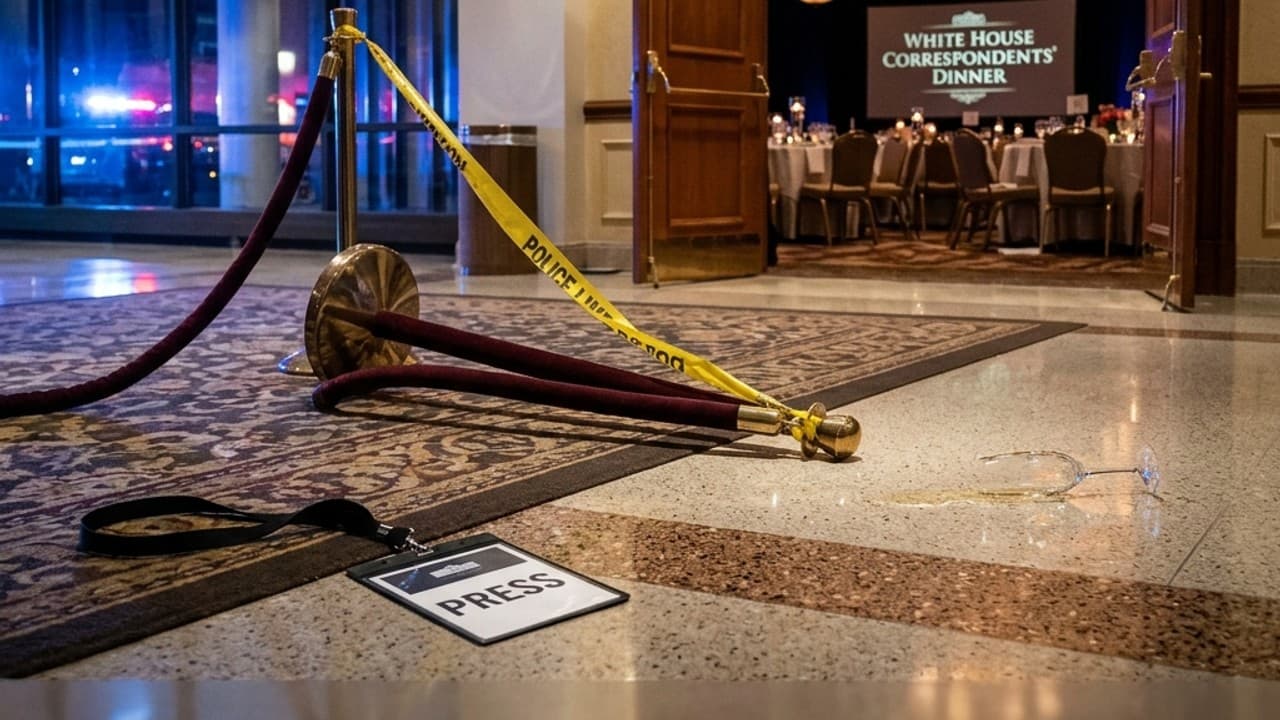
Gunman Targets Trump Officials at White House Correspondents' Dinner
A gunman believed to be targeting senior officials of the Trump administration opened fire at or near the White House Correspondents' Dinner on Sunday, according to a senior US official and the US Attorney General. The attack represents one of the most serious security incidents involving top American leadership in recent memory, with investigators confirming the apparent intent to target the President and his cabinet-level officials.