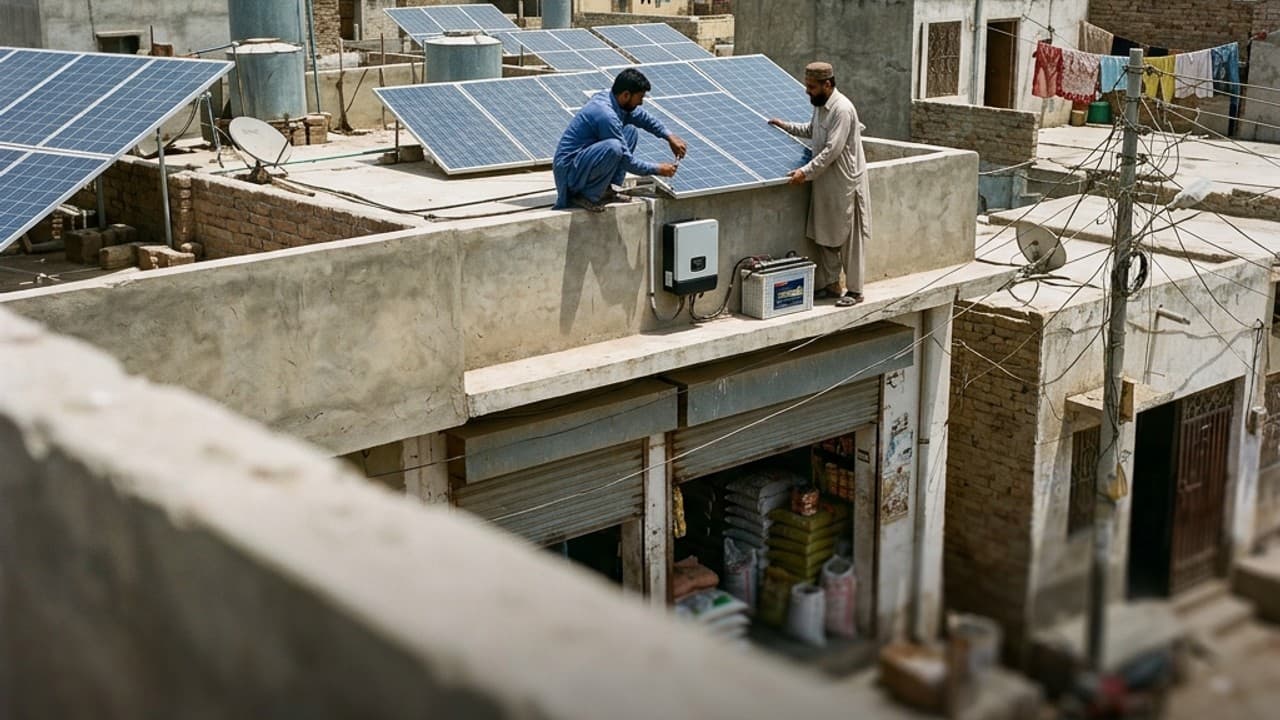
Report Finds Pakistan Undergoing Rapid Bottom-Up Solar Energy Revolution
A new report has found that Pakistan is experiencing a rapid and decentralised solar energy revolution driven not by government mandate but by grassroots consumer and business adoption. The study describes a bottom-up transformation in which households, small enterprises, and commercial installations are independently deploying solar panels at a scale that is fundamentally reshaping the country's energy consumption patterns.
The shift is being driven largely by frustration with persistent electricity outages, high grid tariffs, and unreliable supply from the national grid. As solar technology costs have declined globally, Pakistani consumers have found off-grid and hybrid solar solutions increasingly cost-effective, accelerating the rate of adoption beyond what formal energy planning had projected.
The report highlights both the promise and the systemic risks of this trend. On the positive side, distributed solar reduces dependence on costly imported fuel and eases pressure on an overstretched national grid. However, the mass exit of solvent consumers from the grid is also deepening financial stress for power distribution companies, which face shrinking revenue bases while carrying fixed infrastructure costs.
Policymakers face a complex balancing act: harnessing the solar revolution to advance energy transition goals while reforming the grid financing model to prevent a structural collapse of the distribution sector. The report calls for urgent policy intervention to align regulatory frameworks with the on-the-ground energy reality now taking shape across Pakistan.
Similar Stories
Background and related coverage on this story.
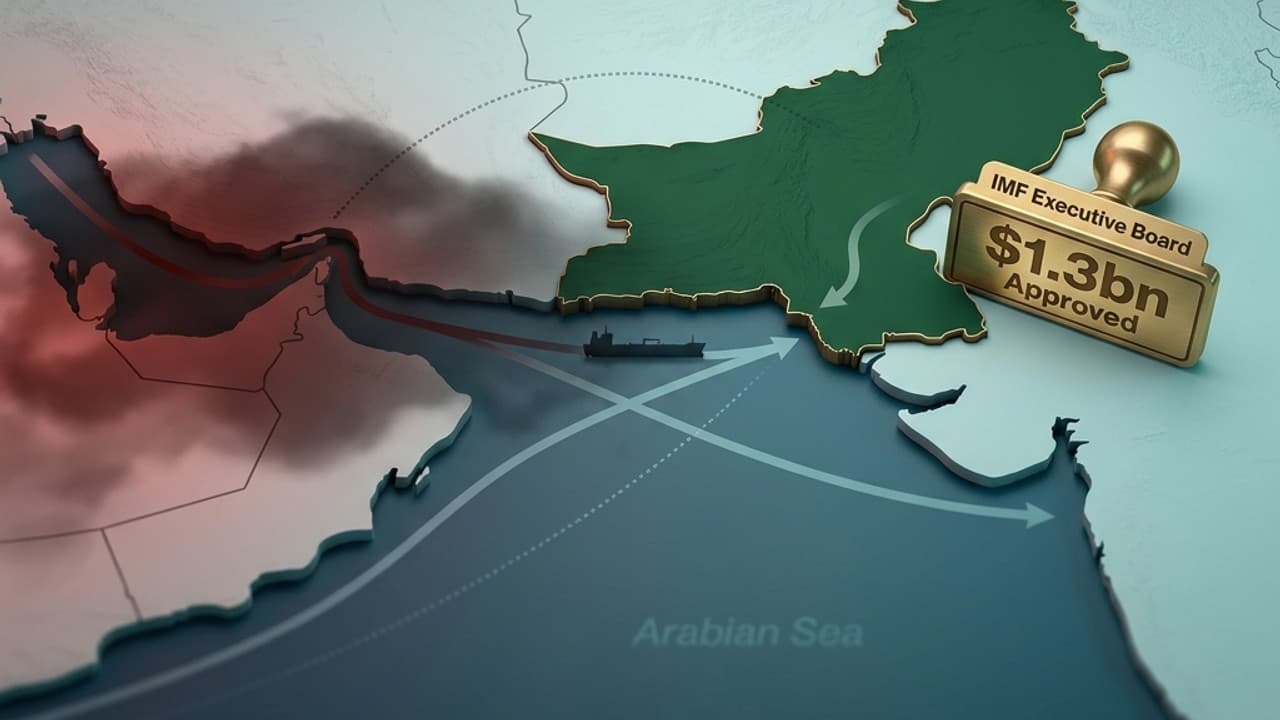
IMF Approves $1.3bn for Pakistan, Warns of Middle East War Risks
The International Monetary Fund's Executive Board has approved $1.3 billion in financing for Pakistan under its ongoing reform programme, providing a critical lifeline to an economy navigating persistent fiscal pressures and an uncertain external environment. The disbursement marks a significant milestone in Pakistan's engagement with the Fund, reflecting continued compliance with agreed benchmarks on fiscal consolidation, monetary tightening, and structural reforms.
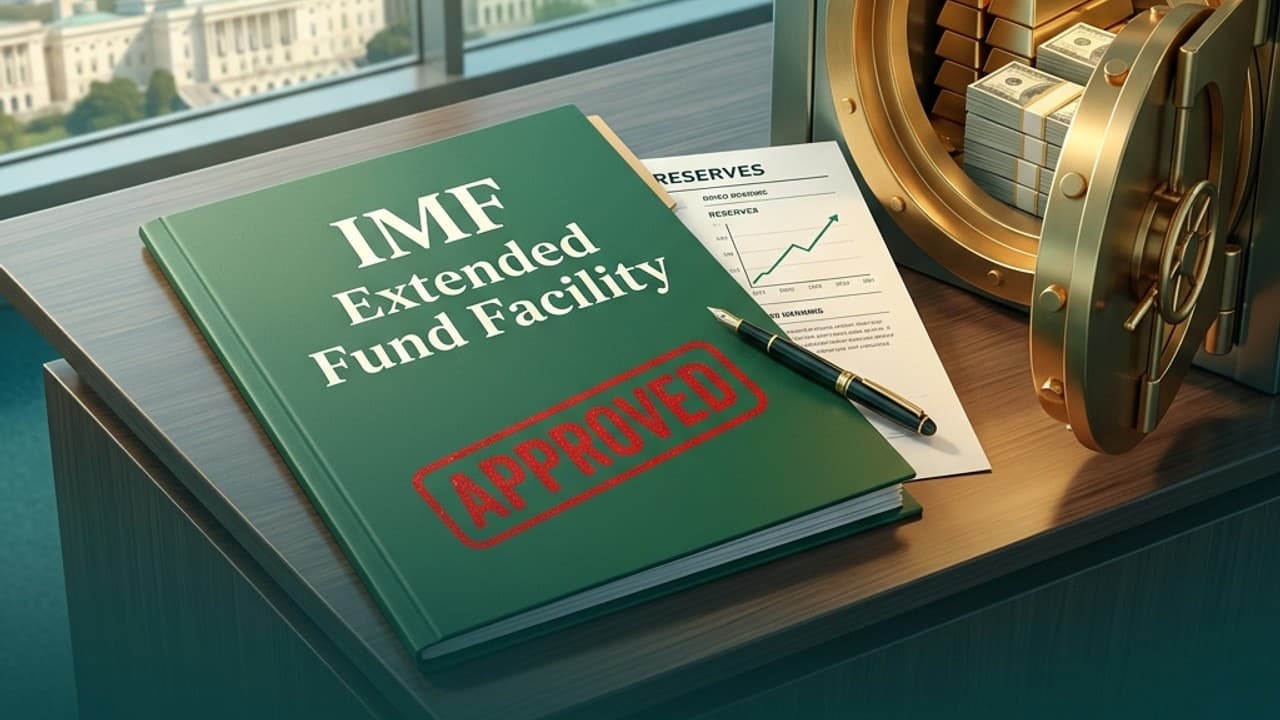
IMF Board Approves $1.32 Billion Tranche for Pakistan
The International Monetary Fund's executive board has approved a disbursement of $1.32 billion for Pakistan, providing a critical injection of external financing as the country continues to stabilise its balance of payments position. The tranche approval follows a successful programme review and signals the Fund's continued confidence in Pakistan's economic adjustment trajectory.
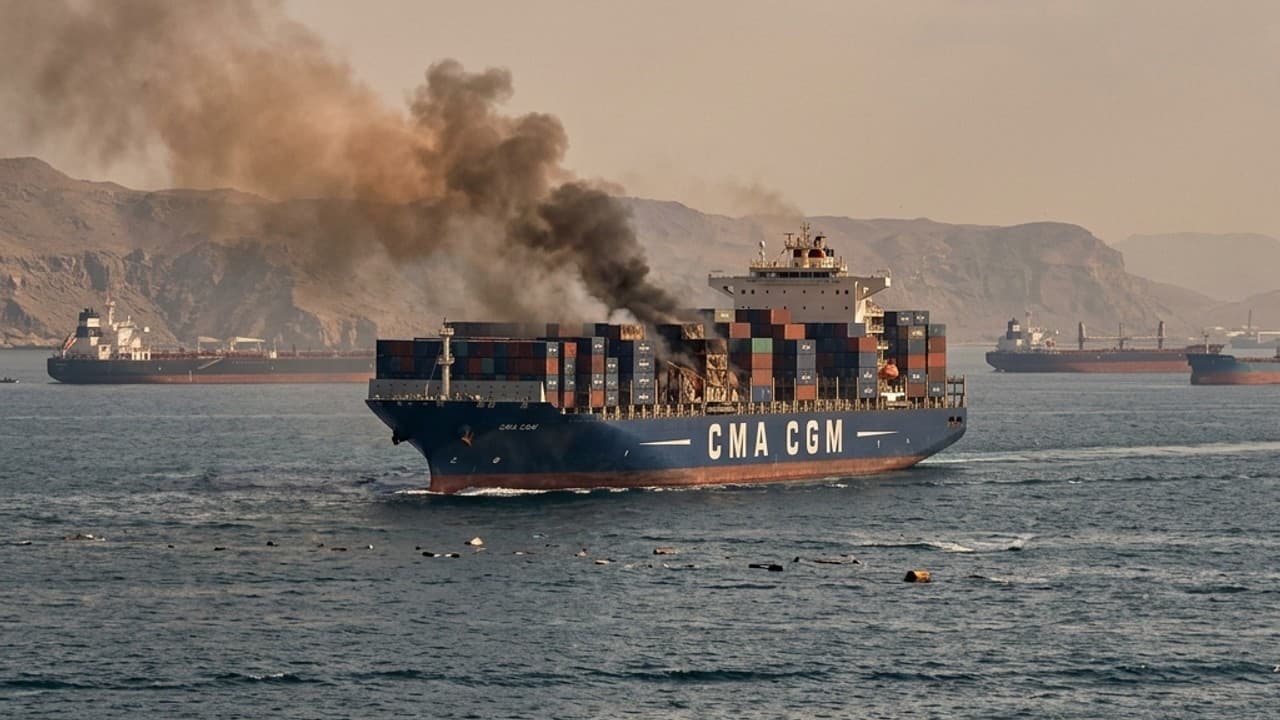
CMA CGM vessel attacked in Hormuz as US-Iran war halts shipping
A vessel operated by French shipping giant CMA CGM has been attacked in the Strait of Hormuz as the United States-Iran war triggers a near-total halt in commercial shipping through one of the world's most critical maritime chokepoints. The attack marks a significant escalation in the commercial cost of the conflict, with implications for global supply chains, energy markets, and insurance regimes.

UAE Withdraws from OPEC as Oil Cartel Tensions Reach Breaking Point
The United Arab Emirates has quit the Organisation of the Petroleum Exporting Countries, in a seismic development for global oil markets that ends the UAE's decades-long membership in the cartel and signals deepening fractures within OPEC's production coordination framework. The withdrawal is expected to trigger significant volatility in global crude prices.
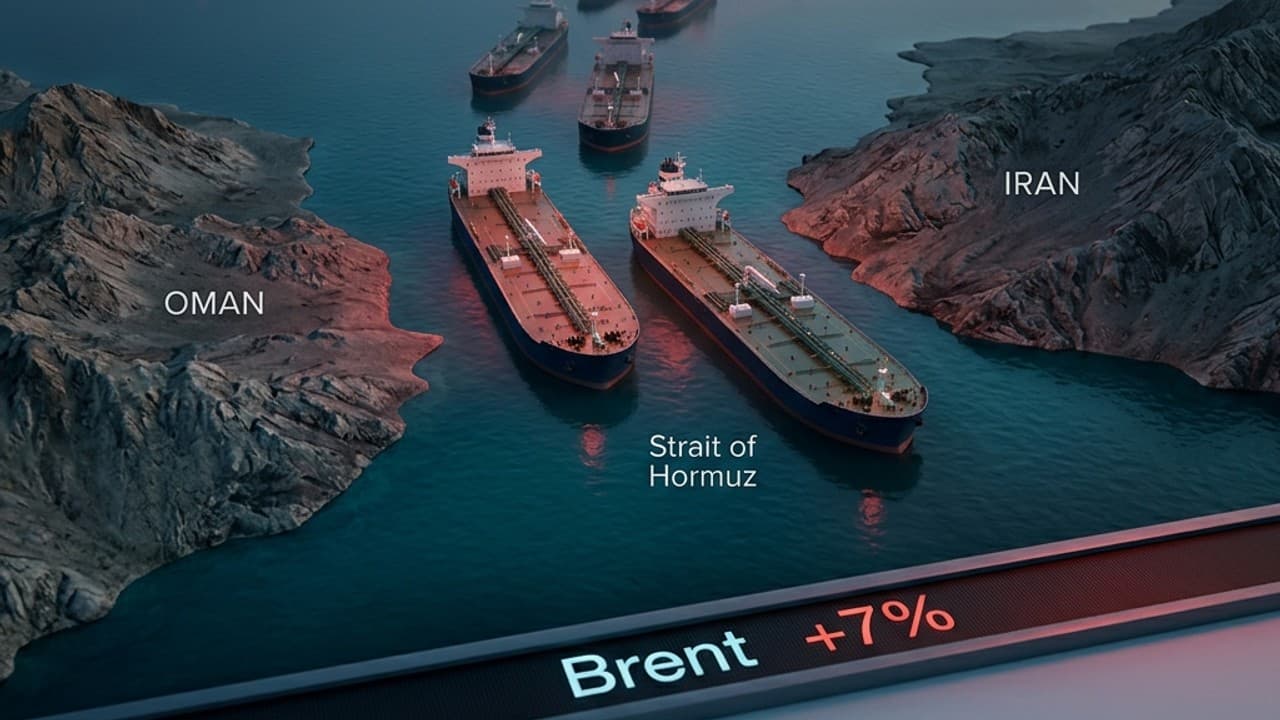
Brent Oil Surges 7% on Reports of US Military Options Against Iran
Brent crude oil prices surged approximately seven percent on Thursday after reports emerged that the United States is actively considering military options to break a deadlock with Iran, sending shockwaves through global energy markets already on edge from prolonged Middle East conflict. The sharp price movement represents one of the most significant single-session spikes in crude oil in recent memory, reflecting the extreme sensitivity of energy markets to any escalation involving Iran, which sits astride the Strait of Hormuz — the world's most critical oil transit chokepoint.
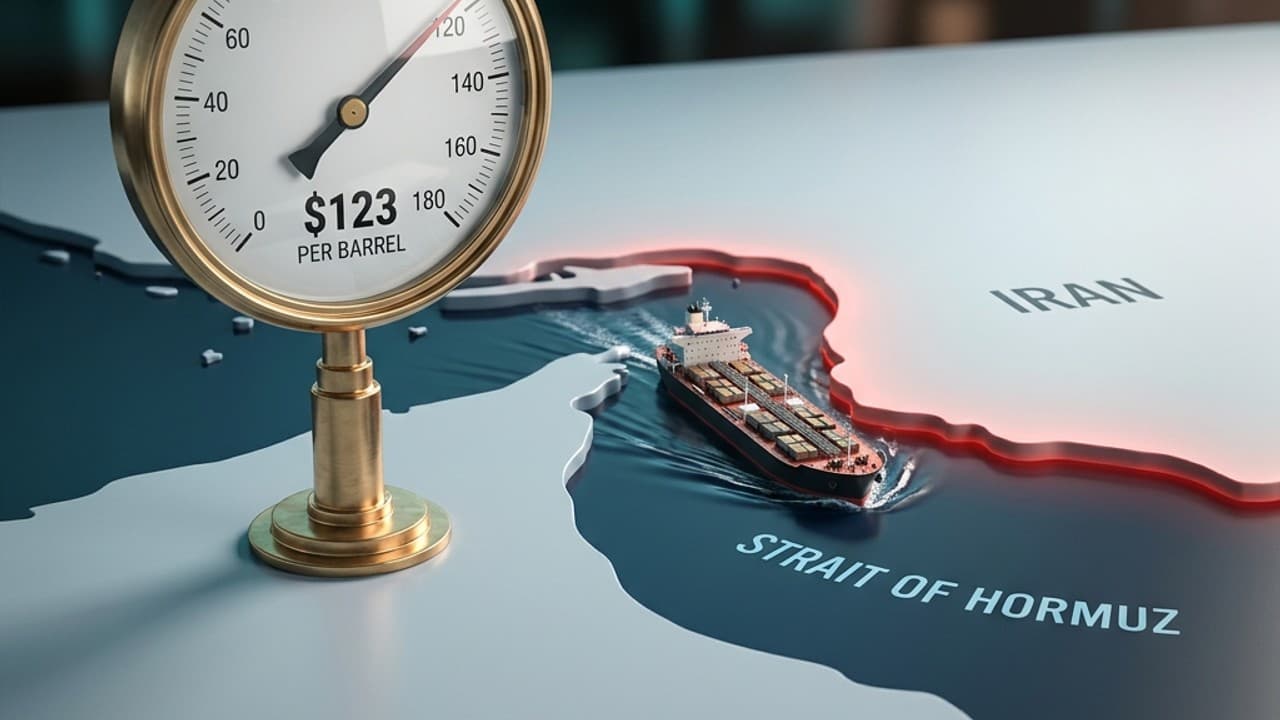
Oil Surges Past $123 on US Military Action Reports Against Iran
Global oil prices surged past $123 per barrel on Thursday following reports that the United States is actively considering military options to break a prolonged diplomatic deadlock with Iran, injecting acute geopolitical risk premium into energy markets and sending shockwaves across commodity, equity, and currency markets worldwide. The reports, which emerged from US media citing officials familiar with internal deliberations, indicated that the Biden-era diplomatic framework has effectively stalled and that the Trump administration is now evaluating a range of kinetic options.