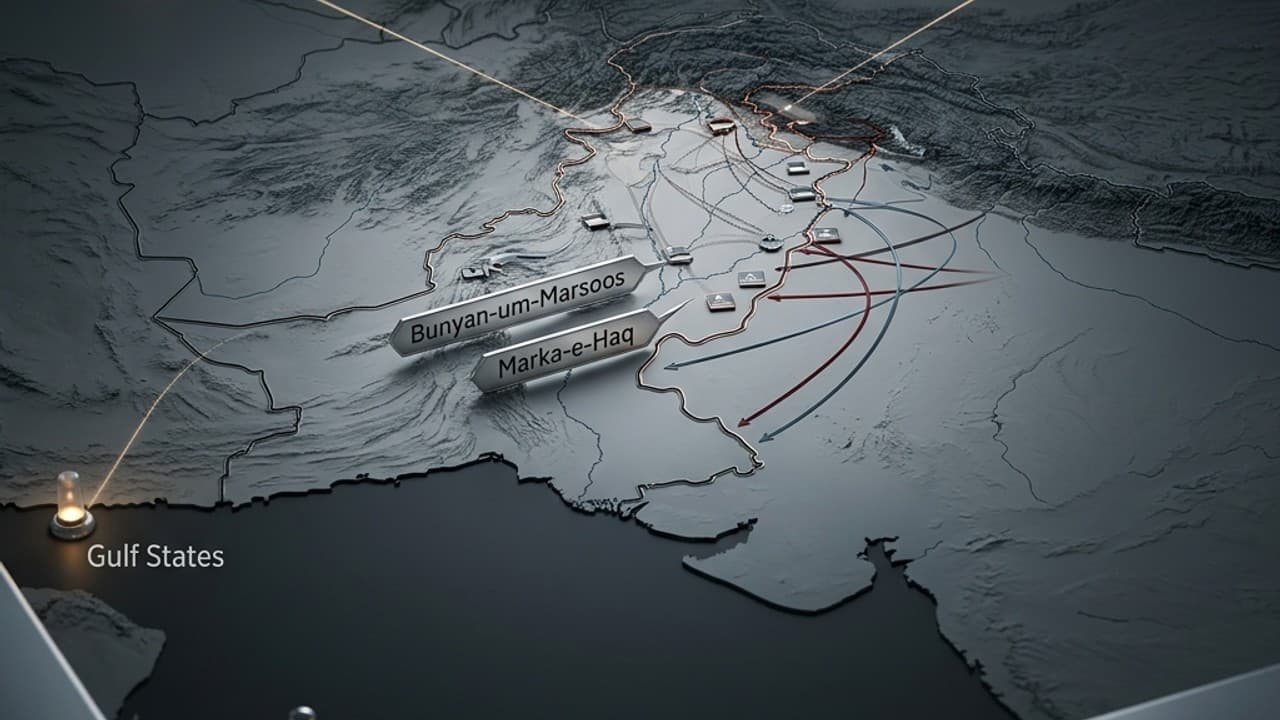
South Asian Military Calculus Fundamentally Altered After May 2025 Conflict
The military confrontation of May 2025 between India and Pakistan has fundamentally reordered strategic assumptions across South Asia, with analysts and policymakers reassessing deterrence frameworks that had governed the subcontinent for decades. The conflict exposed significant gaps in conventional and sub-conventional doctrines on both sides, forcing a recalibration of force posture, escalation thresholds, and crisis management protocols.
Pakistan's armed forces, having conducted Operation Bunyan-um-Marsoos and Marka-e-Haq, demonstrated operational capabilities that altered perceptions of the regional balance. The engagements provided battlefield data that both militaries are now integrating into revised war-fighting doctrines, with particular attention to the role of precision munitions, drone warfare, and information operations.
The conflict also accelerated international engagement in South Asian security architecture. The United States, China, and Gulf states all played varying roles in brokering restraint, and their involvement has introduced new variables into the bilateral security calculus that were previously absent or marginal.
For Pakistan, the post-conflict environment presents both strategic opportunity and institutional pressure. Military planners are under pressure to consolidate operational lessons while diplomatic channels remain active in shaping a longer-term regional security arrangement. The coming months will determine whether May 2025 is remembered as a turning point toward stabilisation or the beginning of a more volatile deterrence environment.
Similar Stories
Background and related coverage on this story.
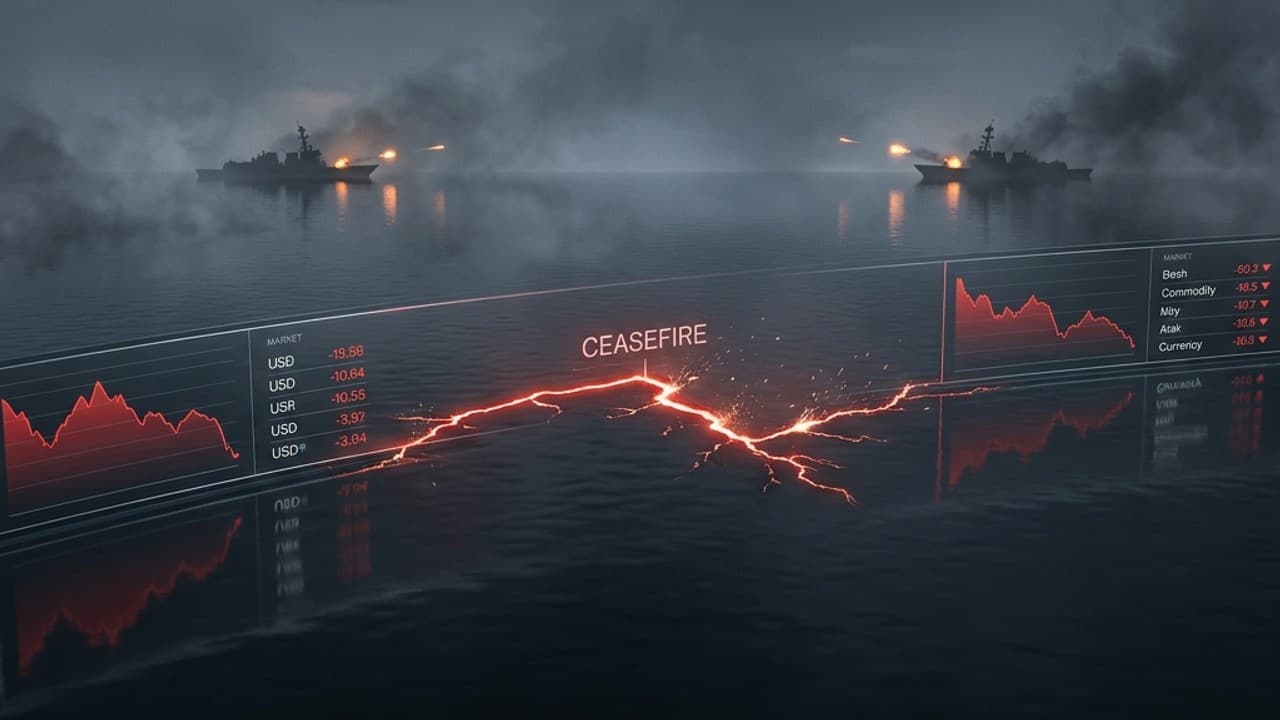
US-Iran Fighting Flares, Trump Insists Ceasefire Still Holds
Fresh fighting between United States and Iranian forces has broken out, casting serious doubt over the fragile ceasefire that had been brokered in the Gulf conflict. Despite the renewed hostilities, US President Donald Trump maintained that the ceasefire agreement remains formally in force, offering few details on the nature or scale of the latest exchange.
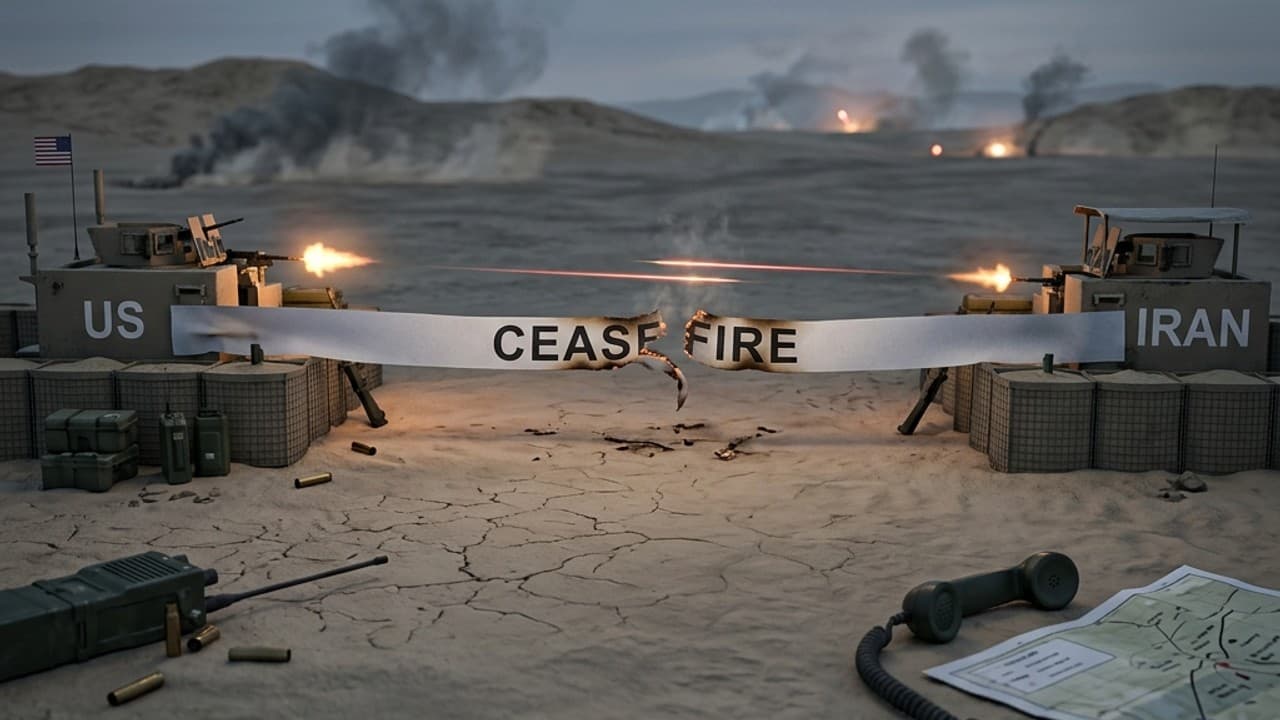
US and Iran Exchange Fire Despite Trump Claiming Ceasefire Holds
The United States and Iran have exchanged direct fire in a dangerous escalation that contradicts claims of a sustained ceasefire, even as President Donald Trump insisted on Friday that the truce remains in effect. The contradictory signals from Washington and the frontlines have deepened uncertainty over the fragile state of hostilities between the two nations.
Iran Accuses US of Violating Ceasefire With Fresh Strikes
Iran has formally accused the United States of violating a ceasefire agreement through renewed military attacks, dramatically escalating the rhetorical and diplomatic confrontation between the two countries. The accusation, if substantiated, would represent a major breakdown in any de-escalation framework that had appeared to be taking shape.
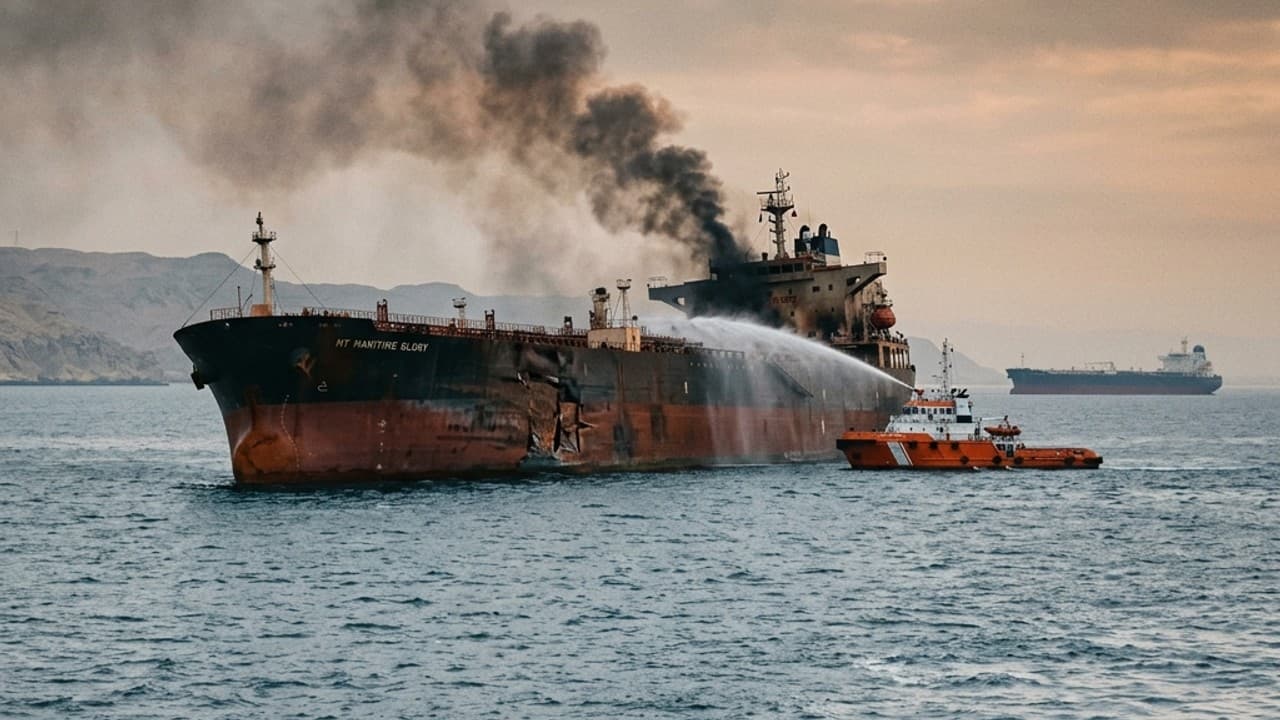
Chinese-Owned Oil Tanker Struck Near Strait of Hormuz
A Chinese-owned oil tanker has been struck near the Strait of Hormuz, in an incident that dramatically escalates concerns over the security of one of the world's most critical maritime energy chokepoints and risks drawing China more directly into the regional conflict. The attack on a vessel with Chinese ownership signals a dangerous broadening of the conflict's reach to include assets linked to a major global power that has thus far sought to maintain a degree of distance from the fighting.
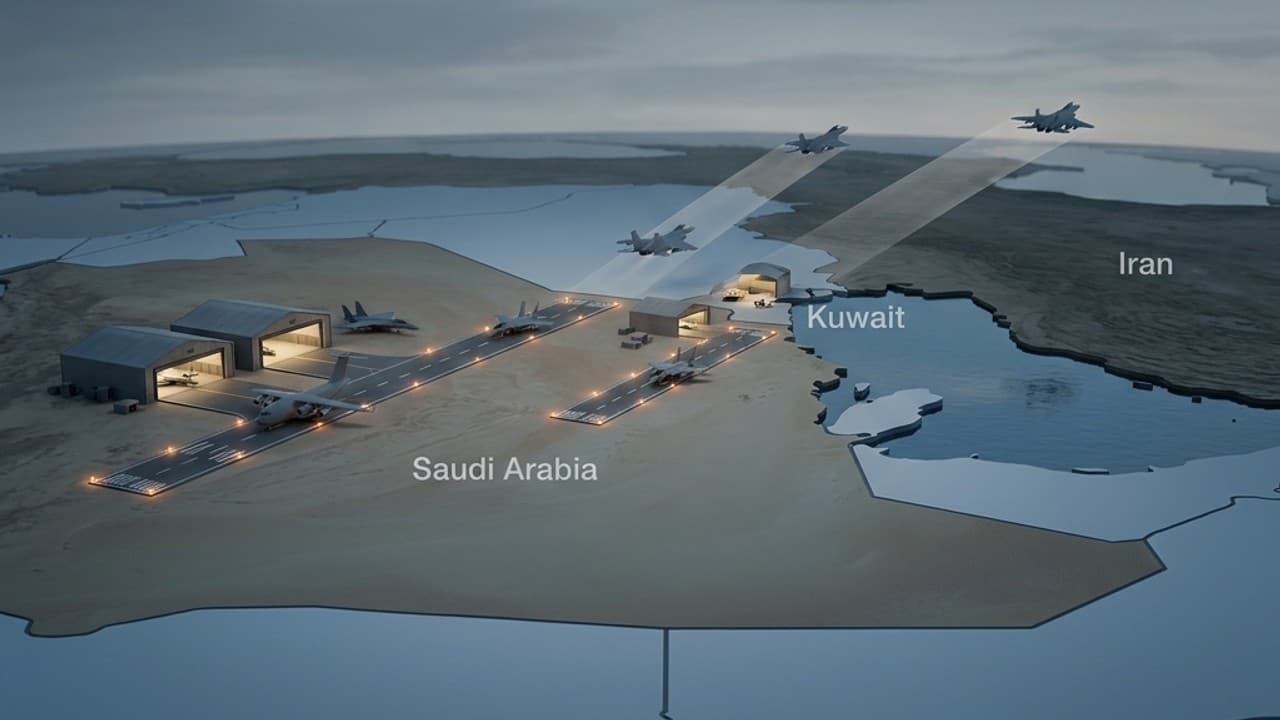
Saudi Arabia and Kuwait Open Bases to US Military: WSJ
Saudi Arabia and Kuwait have lifted restrictions on US military access to their bases and airspace, according to a report by the Wall Street Journal, in a major strategic development that significantly expands Washington's operational reach across the Gulf amid the ongoing conflict with Iran. The decision by both Gulf states to grant unrestricted access represents a substantial shift in their posture, as both countries had previously maintained formal limits on the use of their territory for offensive military operations.
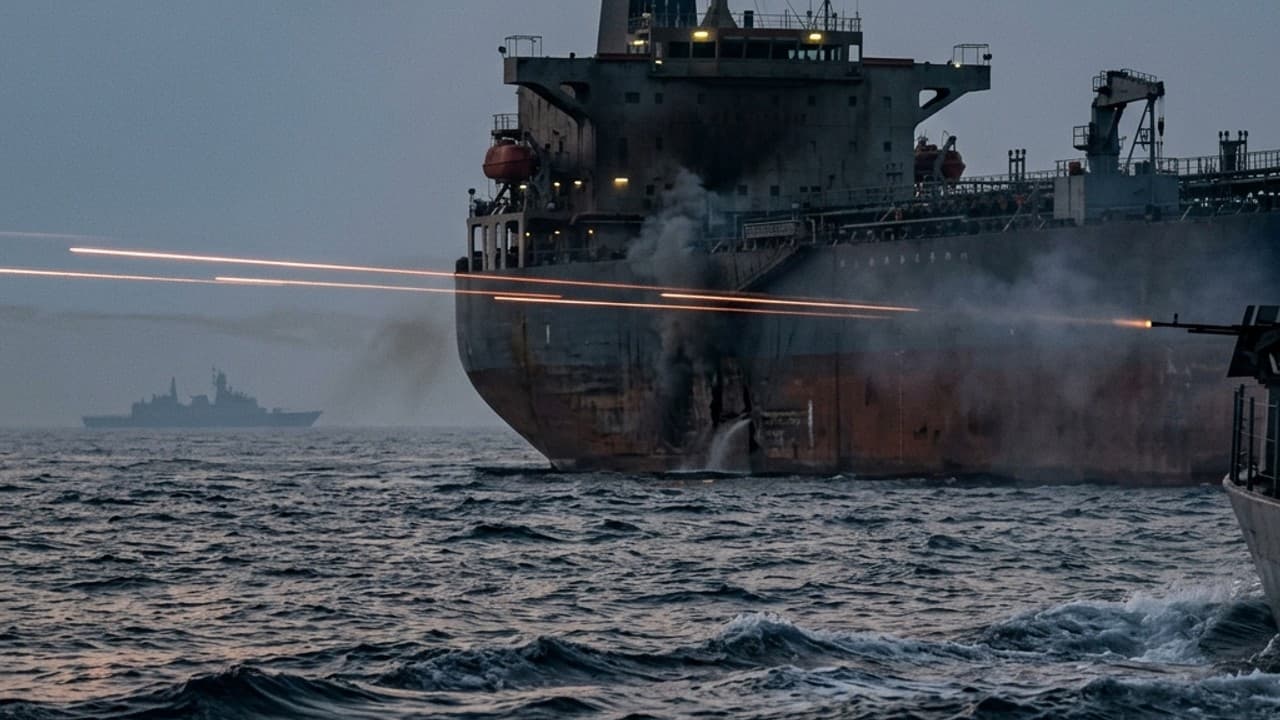
Iran Military Opens Fire After Alleged US Attack on Tanker
Iran's state television reported on Friday that the country's military opened fire following what it described as a United States attack on an Iranian tanker, marking a potentially serious escalation in tensions between Washington and Tehran. The incident, the details of which remain contested, signals a dangerous flashpoint in already strained US-Iran relations at a time when diplomatic channels between the two nations have been severely limited.