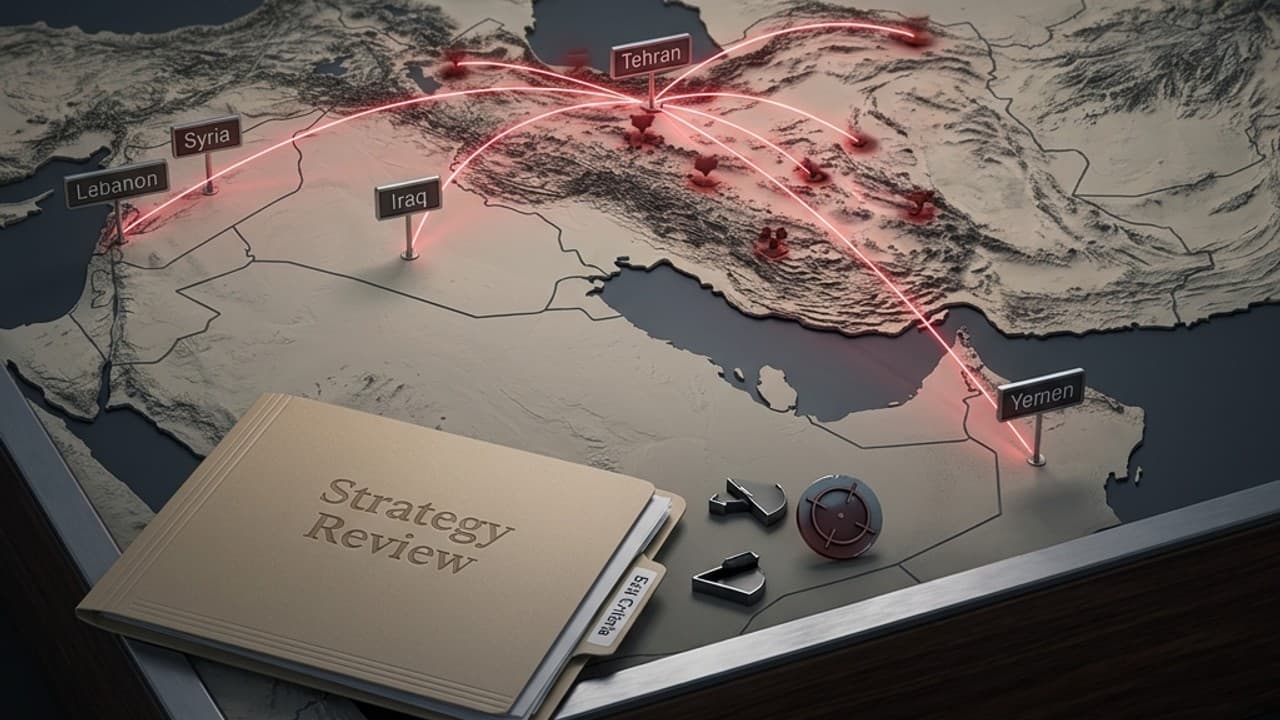
Three Months On, Trump's Iran War Strategy Faces Growing Doubts
Three months into the United States military campaign against Iran, assessments of President Donald Trump's strategic approach are growing sharply critical, with analysts and former officials characterising the engagement as a long-term strategic failure that has produced mounting costs without commensurate geopolitical gains. Despite early military strikes that targeted Iranian nuclear and military infrastructure, Tehran has demonstrated greater resilience than Washington anticipated.
Iran has continued functioning as a regional power broker, maintaining proxy networks across Iraq, Syria, Lebanon, and Yemen even as its conventional military capabilities have been degraded. Critics argue that the absence of a coherent post-strike political strategy has allowed Iran's leadership to consolidate domestic support through nationalist narratives, undermining the campaign's objectives.
The conflict has imposed significant collateral pressure on global energy markets, with crude prices elevated and regional shipping routes through the Strait of Hormuz operating under heightened risk premiums. Countries including India have raised domestic fuel prices multiple times in response, while Pakistan has moved in the opposite direction following brief crude price softening.
Foreign policy analysts warn that without a credible diplomatic off-ramp, the United States risks extended military entanglement with no clear victory condition. Congressional pressure for a strategy review is reportedly growing, with several senior legislators from both parties calling for reassessment of objectives and exit criteria.
Similar Stories
Background and related coverage on this story.
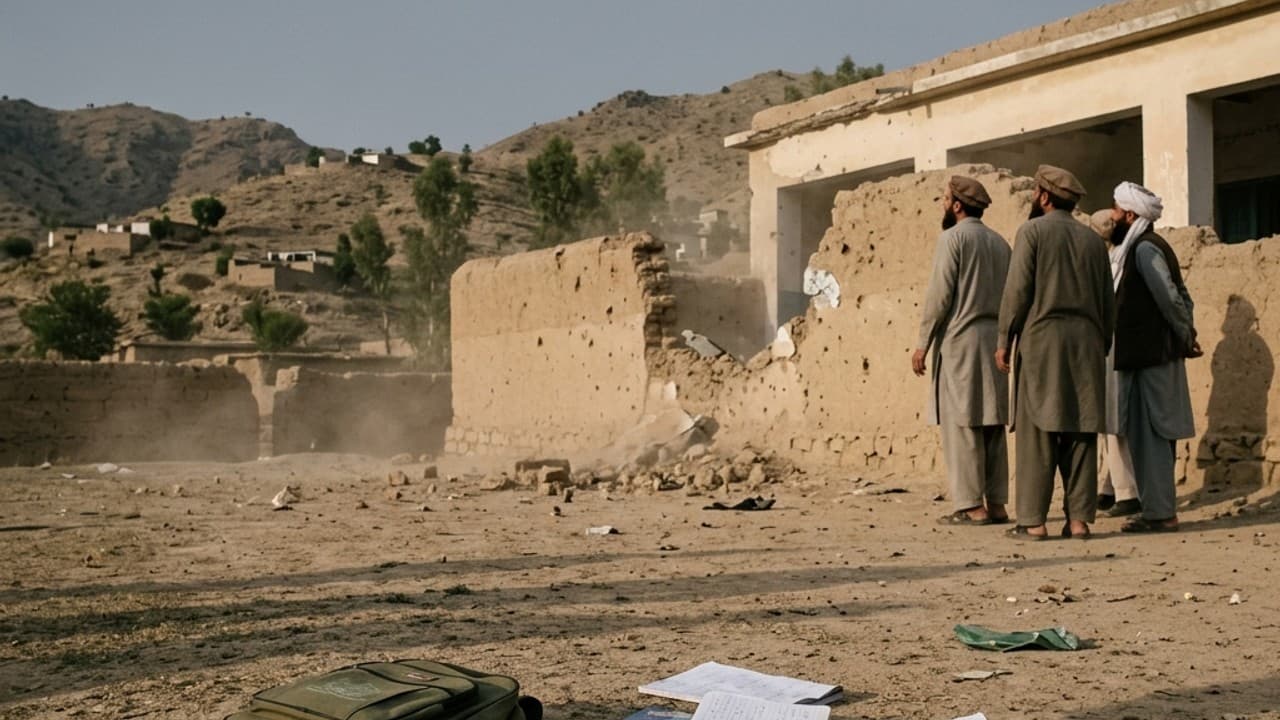
Quadcopter Attack Kills Two Schoolchildren in KP's Bajaur
A quadcopter drone attack in the Bajaur district of Khyber Pakhtunkhwa killed two schoolchildren on Thursday, in a strike that has drawn immediate condemnation and raised urgent questions about the expanding use of aerial drones by militant actors in Pakistan's tribal belt. The attack, which targeted civilians rather than any security installation, marks a disturbing escalation in the deployment of commercially available quadcopter technology for lethal purposes in the region.

Russia Strikes Ukraine Danube Port as Ukraine Launches Drone Attack on Moscow
Russian forces conducted a strike on a Ukrainian port facility along the Danube River on Tuesday, targeting critical grain export infrastructure in one of Ukraine's key alternative shipping corridors, as Ukrainian forces simultaneously launched a drone offensive directed toward Moscow. The dual escalation marks a significant intensification of the conflict on both conventional and asymmetric fronts.
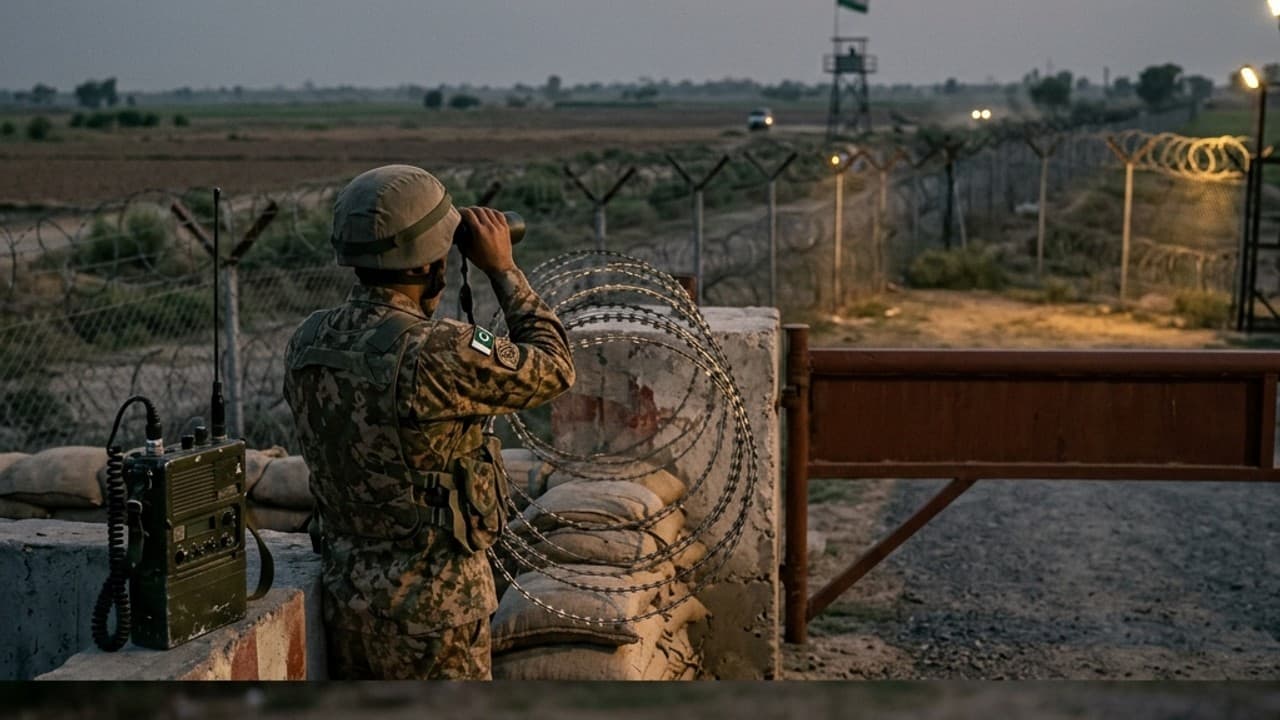
Pakistan Warns India of Historical Consequences Over Any Military Misadventure
Pakistan has issued a stark warning to India, stating that any military misadventure against the country would relegate India to the pages of history. The statement signals an escalation in rhetorical posturing amid already heightened bilateral tensions between the two nuclear-armed neighbours.
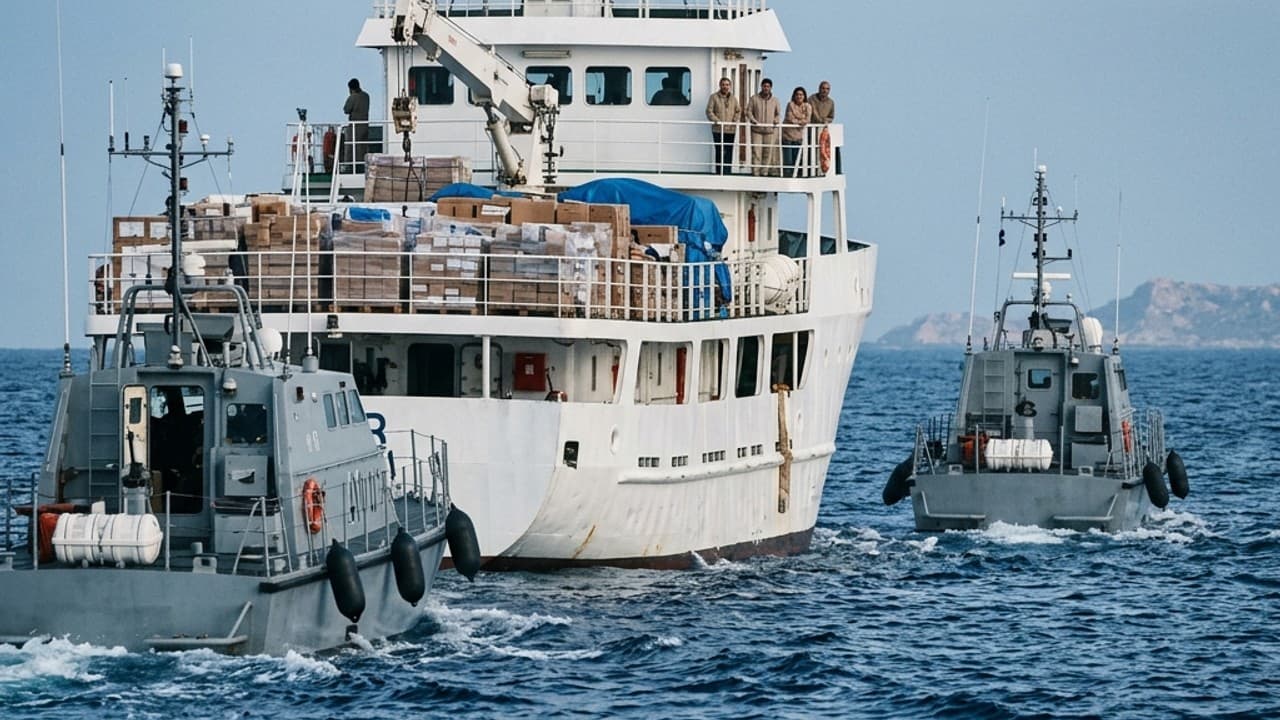
Israeli Forces Intercept Gaza-Bound Flotilla Near Cyprus
Israeli naval forces have intercepted a Gaza-bound humanitarian flotilla in international waters near Cyprus, according to organisers aboard the fleet, marking a sharp escalation in tensions over maritime access to the besieged enclave. The interception represents a direct confrontation between Israeli defence assets and civilian aid vessels operating under international humanitarian mandates.
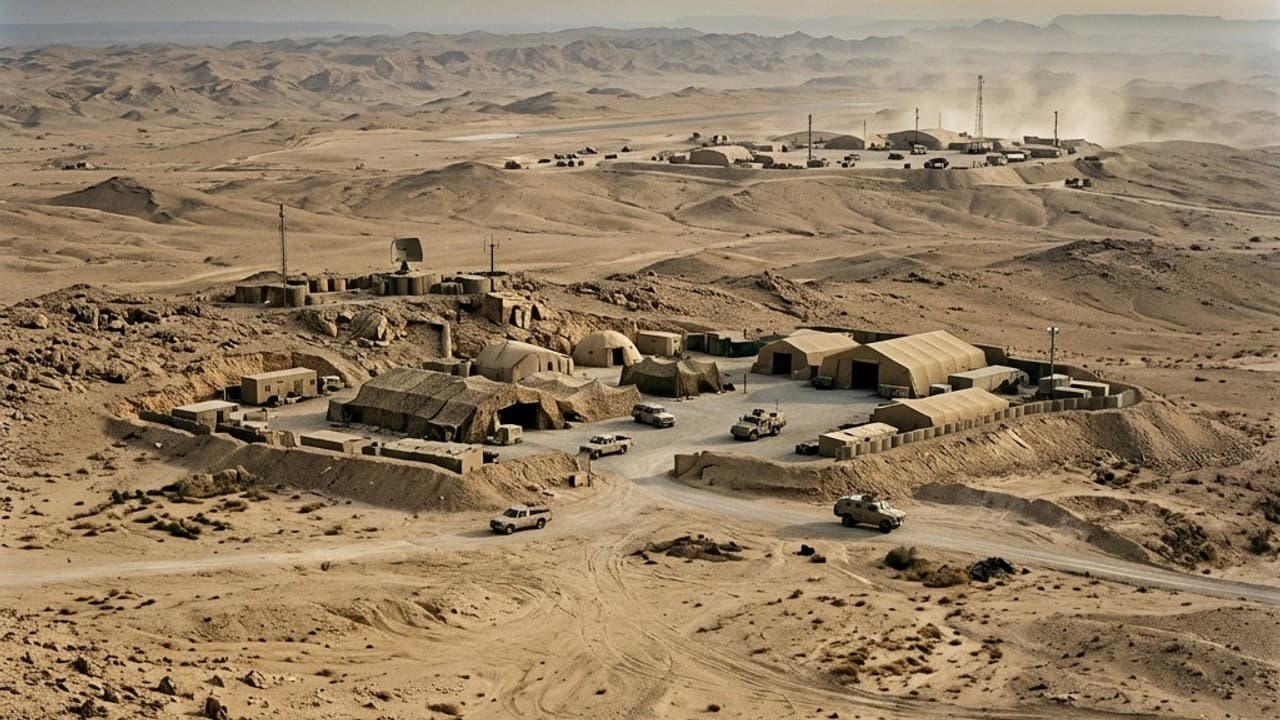
Israel Ran Two Covert Bases in Iraqi Desert, NYT Reports
Israel secretly operated two covert military bases in the Iraqi desert, according to an investigative report published by The New York Times. The revelation represents a significant disclosure about Israeli operational reach into Arab territory and is likely to reverberate across regional diplomatic and security calculations.
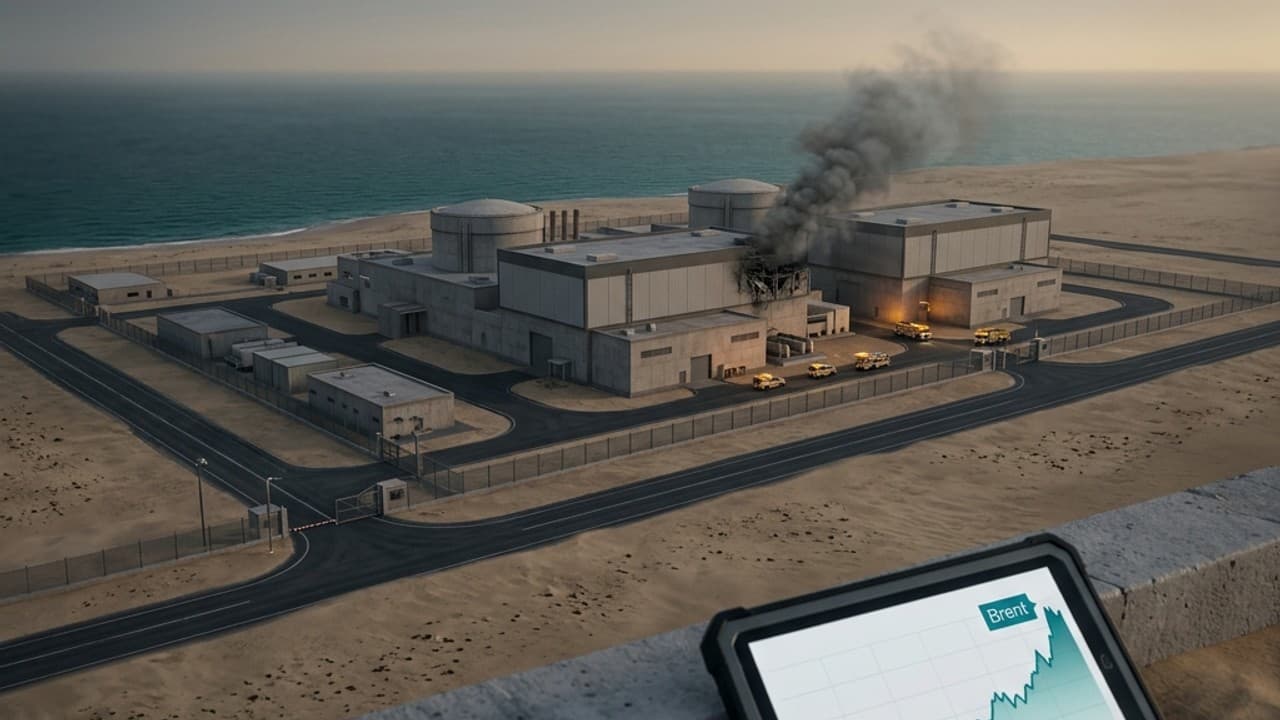
Drone Strike on UAE Nuclear Plant Pushes Oil to Two-Week High
A drone attack on a nuclear power plant in the United Arab Emirates has sent oil prices to their highest level in two weeks, as energy markets responded to what analysts described as a significant escalation in the geographic scope of Middle East hostilities. The strike introduced a new front in the regional conflict, directly targeting Gulf energy and nuclear infrastructure.