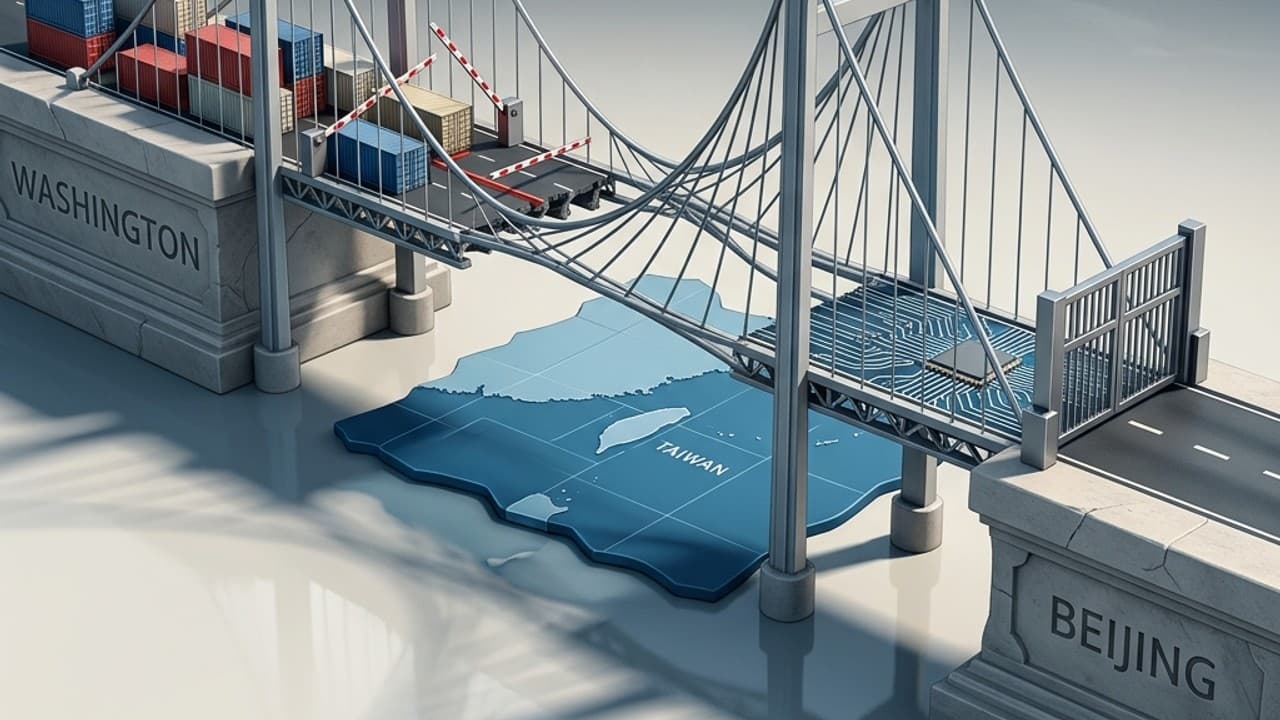
Trade, Taiwan, and Tech: Key Flash Points in Trump-Xi Summit
As next week's high-stakes summit between US President Donald Trump and Chinese President Xi Jinping approaches, analysts and foreign policy observers are mapping the critical pressure points that could define or derail the talks. The meeting is expected to be the most consequential bilateral engagement between Washington and Beijing in years.
Trade remains the most immediate flashpoint, with both sides carrying unresolved grievances over tariffs, market access, and supply chain decoupling that have accumulated over successive administrations. American negotiators are expected to press for concrete commitments on reducing the bilateral trade deficit, while Beijing will resist structural changes it views as economically sovereign.
The Taiwan question looms as the most volatile underlying tension. Washington's ongoing arms sales to Taipei and US congressional posturing have repeatedly drawn sharp responses from Beijing, which regards any foreign military engagement with Taiwan as a red line. Whether the two leaders address Taiwan directly or leave it as a managed ambiguity will signal the true temperature of the relationship.
Technology and semiconductors represent a third major fault line. US export controls on advanced chips and China's accelerating drive toward technological self-sufficiency have reshaped global supply chains and stoked deep strategic mistrust. Both sides are expected to arrive at the table with firm positions, making a breakthrough on this front unlikely but not impossible if broader incentives are in play.
Beyond the three core issues, the ongoing Iran conflict, North Korea's nuclear posture, and the war in Ukraine all present areas where American and Chinese interests diverge sharply. The summit's success will largely be measured by whether the two leaders can establish a durable framework for managing competition without tipping into direct confrontation.
Similar Stories
Background and related coverage on this story.
Trump Rejects Iran Counteroffer, Demands Complete Victory in War
United States President Donald Trump has rejected a counteroffer from Iran aimed at ending the ongoing war, insisting instead on what he described as a complete victory. The rejection marks a significant escalation in diplomatic posturing between Washington and Tehran, closing off what appeared to be a potential off-ramp from the conflict.
Trump Warns Iran Ceasefire Is on 'Life Support'
United States President Donald Trump declared on Monday that the ceasefire with Iran is on 'life support', signalling a dramatic deterioration in the fragile truce that had been holding between Washington and Tehran. The stark language represents one of the most alarming public assessments by the US president since the ceasefire was established.
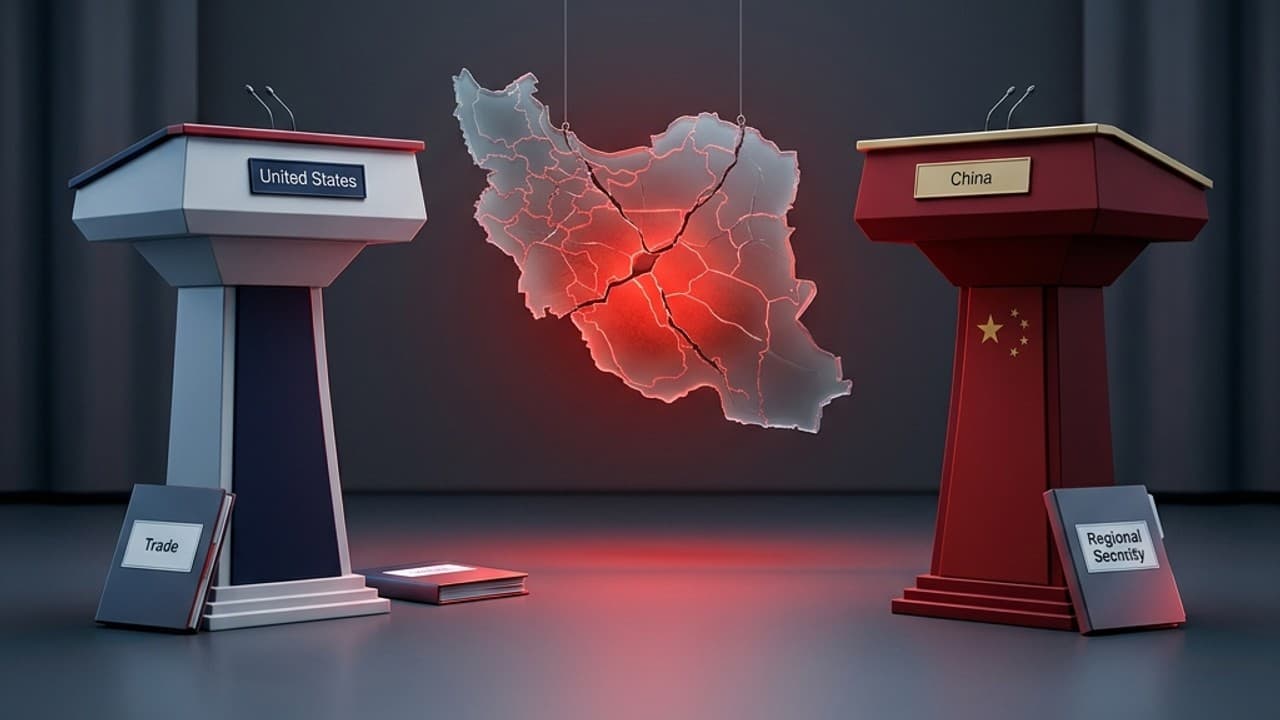
Iran war escalates tensions ahead of critical Trump-Xi summit
The ongoing Iran war is significantly raising the strategic stakes for the United States and China as the two powers prepare for high-level talks between President Donald Trump and Chinese President Xi Jinping, analysts and diplomatic observers note. The conflict has injected a new and urgent variable into bilateral discussions that were already expected to cover trade, Taiwan, and global economic stability.
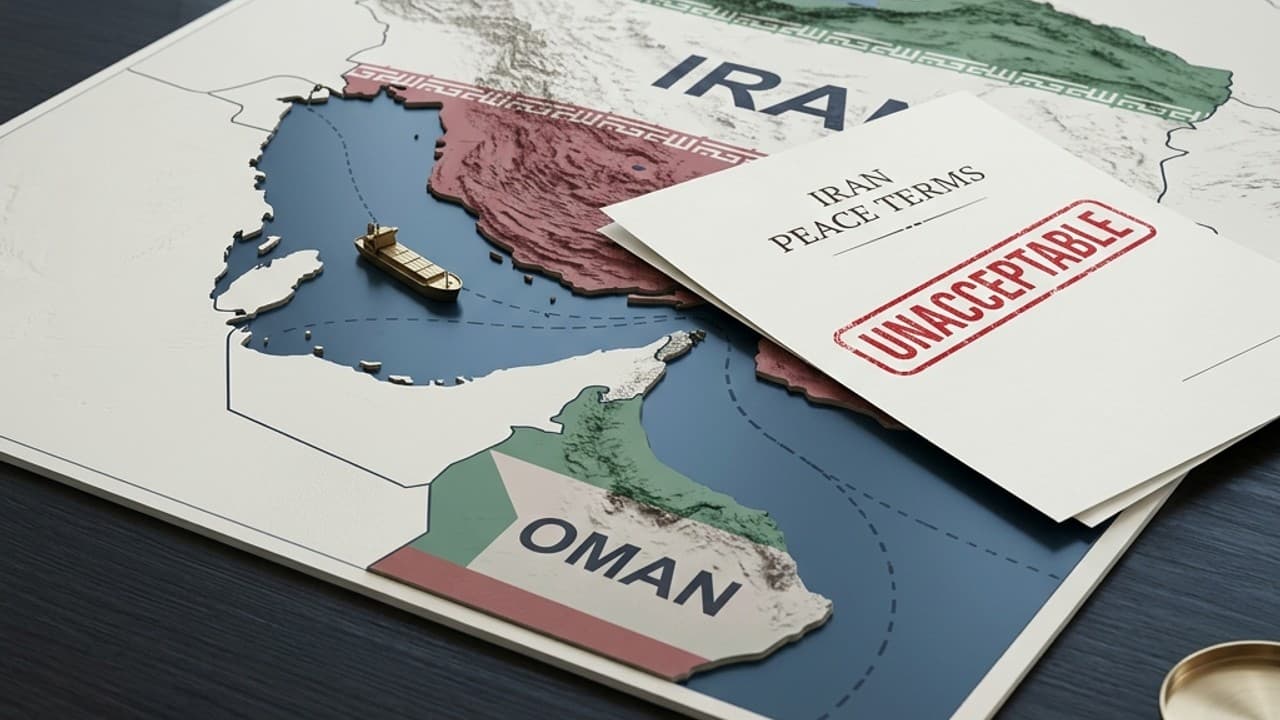
Trump rejects Iranian terms, declaring them unacceptable for peace
United States President Donald Trump has publicly rejected Iran's proposed terms for ending the ongoing war, labelling them as unacceptable and signalling that diplomatic resolution remains distant. The statement marks a significant hardening of the American position and raises fresh concerns about an extended conflict with broad regional and global consequences.
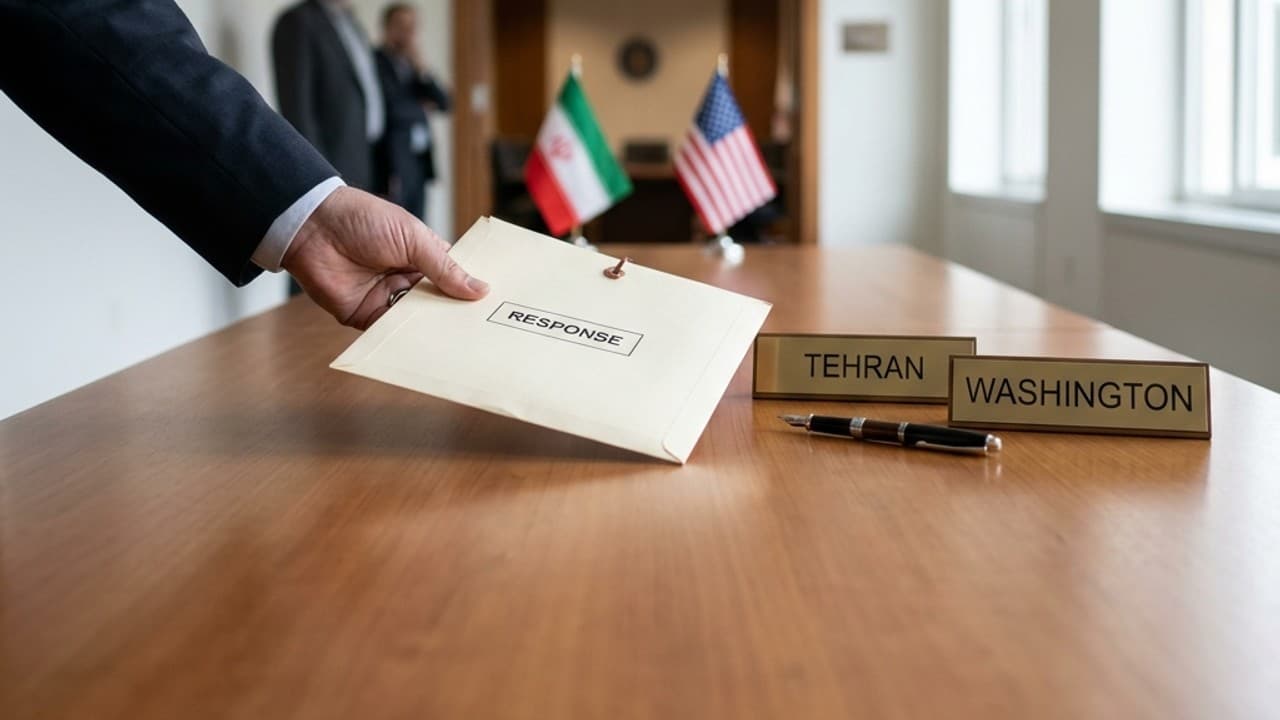
Iran Submits Formal Response To US Proposal On Ending War
Iran has formally transmitted its response to a United States proposal aimed at ending the ongoing war, state news agency IRNA reported on Sunday. The submission marks a critical juncture in diplomatic efforts to de-escalate a conflict that has drawn in multiple regional and international actors and generated widespread humanitarian consequences.
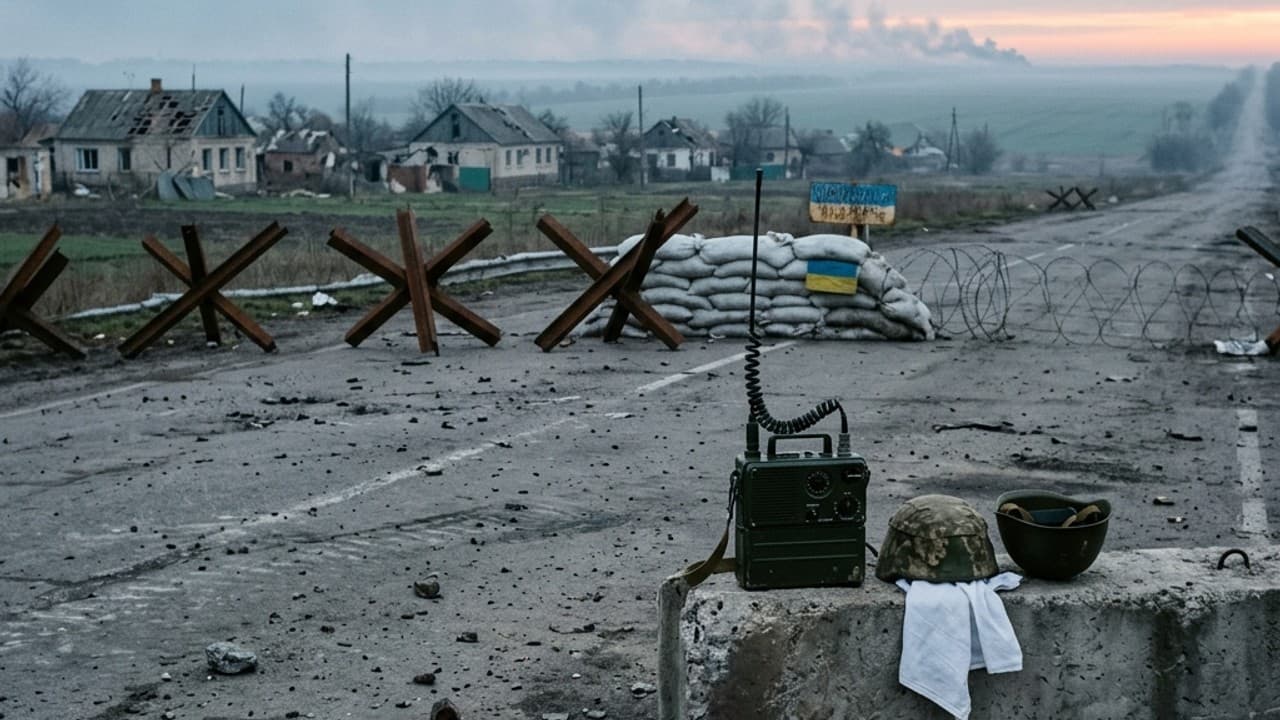
Putin Says Ukraine War Nearing End as Trump-Brokered Ceasefire Begins
Russian President Vladimir Putin has stated publicly that he believes the war with Ukraine is coming to an end, as a Trump-brokered three-day ceasefire formally came into effect. The parallel statements mark a potentially pivotal moment in a conflict that has defined European security and global commodity markets since Russia's full-scale invasion in February 2022.