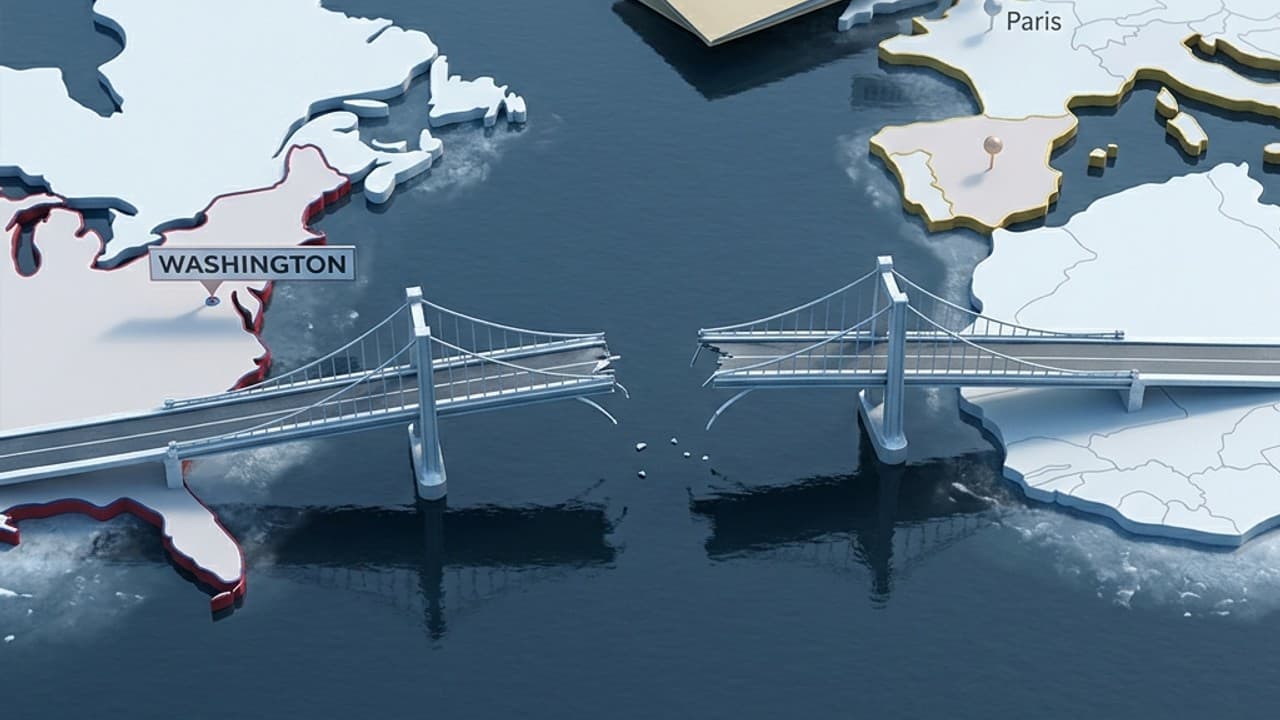
Trump's Europe Attacks Deepen Transatlantic Diplomatic Divide
President Donald Trump's continued verbal attacks on European leaders have further widened the diplomatic gulf between Washington and its traditional Western allies, deepening what analysts describe as a structural transatlantic frost that has been building since his return to the White House. The escalating rhetoric signals that fundamental differences over trade, defence burden-sharing, and geopolitical priorities remain unresolved.
European capitals, already navigating the pressures of Trump's tariff policies and his administration's ambiguous posture on NATO commitments, have responded with a mixture of public restraint and behind-the-scenes alarm. Senior EU officials have increasingly moved to develop strategic autonomy frameworks that reduce dependence on American security and economic guarantees.
Trump's criticisms have reportedly targeted specific European leaders over defence spending levels and what he characterises as unfair trade practices. The personalised nature of the attacks has complicated diplomatic back-channel efforts to manage the relationship and avoid further public rupture.
The deterioration in US-Europe relations carries broad geopolitical implications, affecting the cohesion of Western positions on Ukraine, Middle East policy, and global trade governance. For Pakistan, which navigates relationships with both the US and the EU as major trade and diplomatic partners, the transatlantic rift presents both risks and potential openings.
Similar Stories
Background and related coverage on this story.
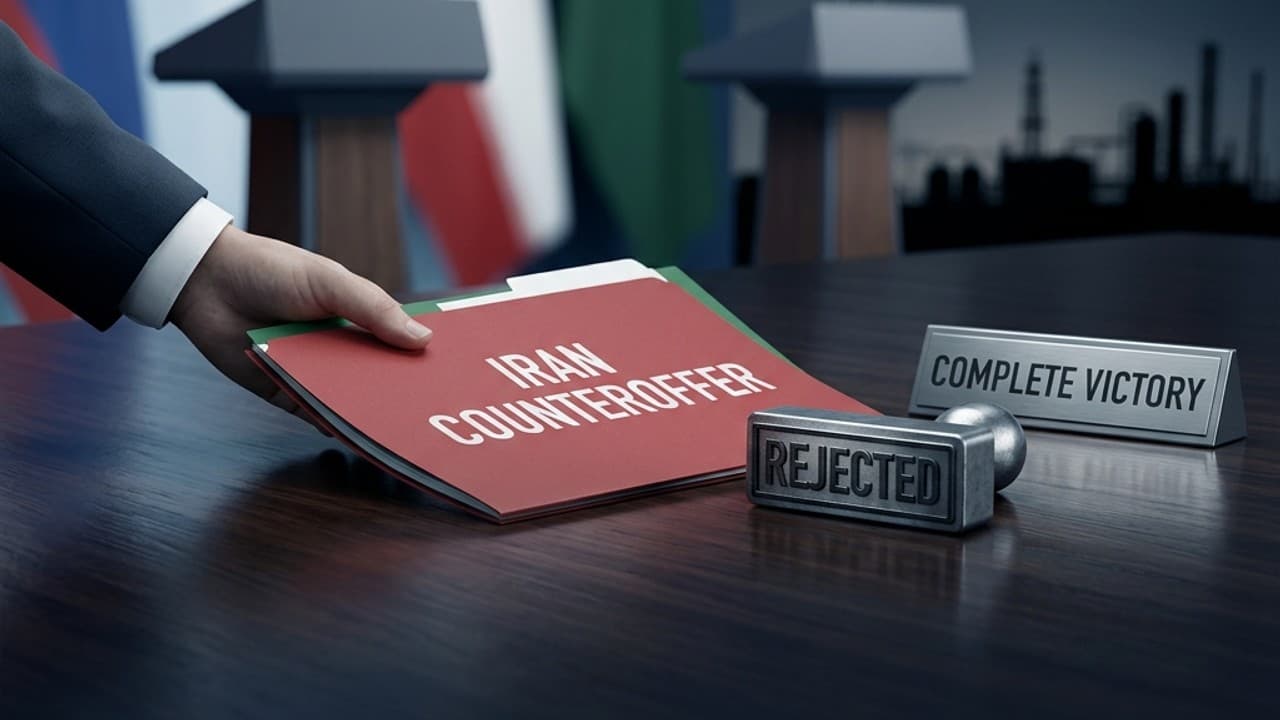
Trump Rejects Iran Counteroffer, Demands Complete Victory in War
United States President Donald Trump has rejected a counteroffer from Iran aimed at ending the ongoing war, insisting instead on what he described as a complete victory. The rejection marks a significant escalation in diplomatic posturing between Washington and Tehran, closing off what appeared to be a potential off-ramp from the conflict.
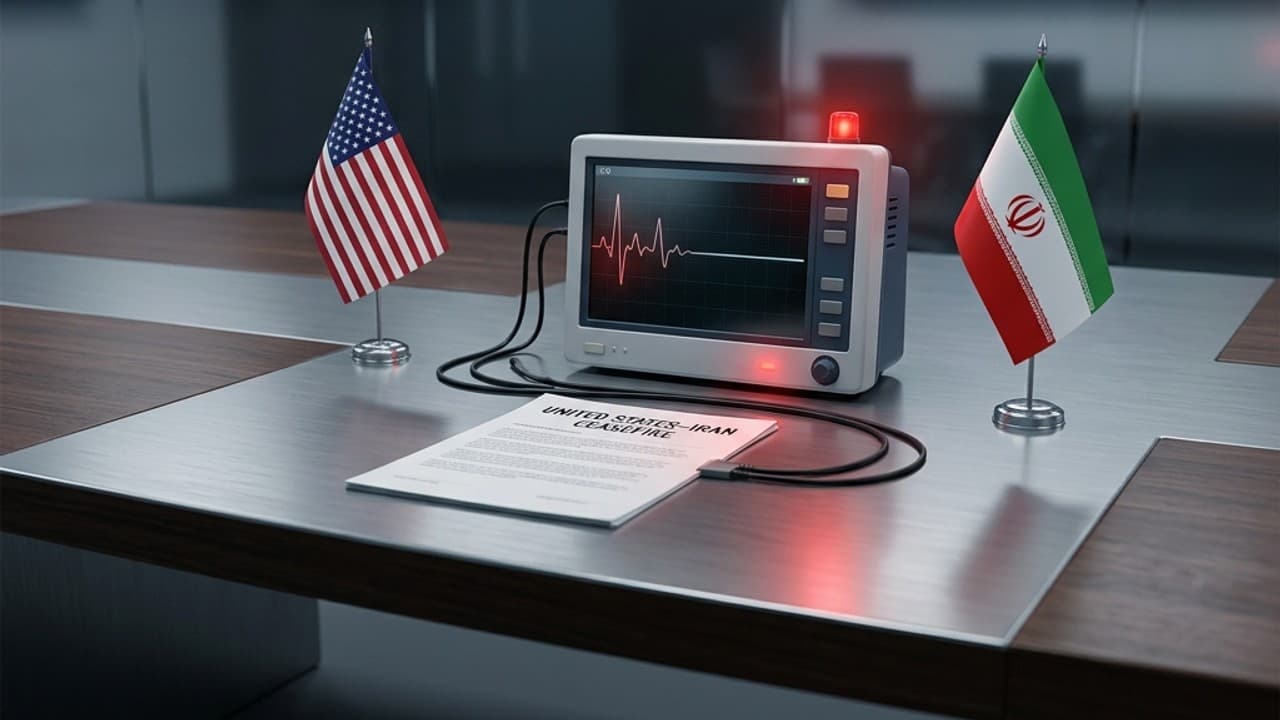
Trump Warns Iran Ceasefire Is on 'Life Support'
United States President Donald Trump declared on Monday that the ceasefire with Iran is on 'life support', signalling a dramatic deterioration in the fragile truce that had been holding between Washington and Tehran. The stark language represents one of the most alarming public assessments by the US president since the ceasefire was established.
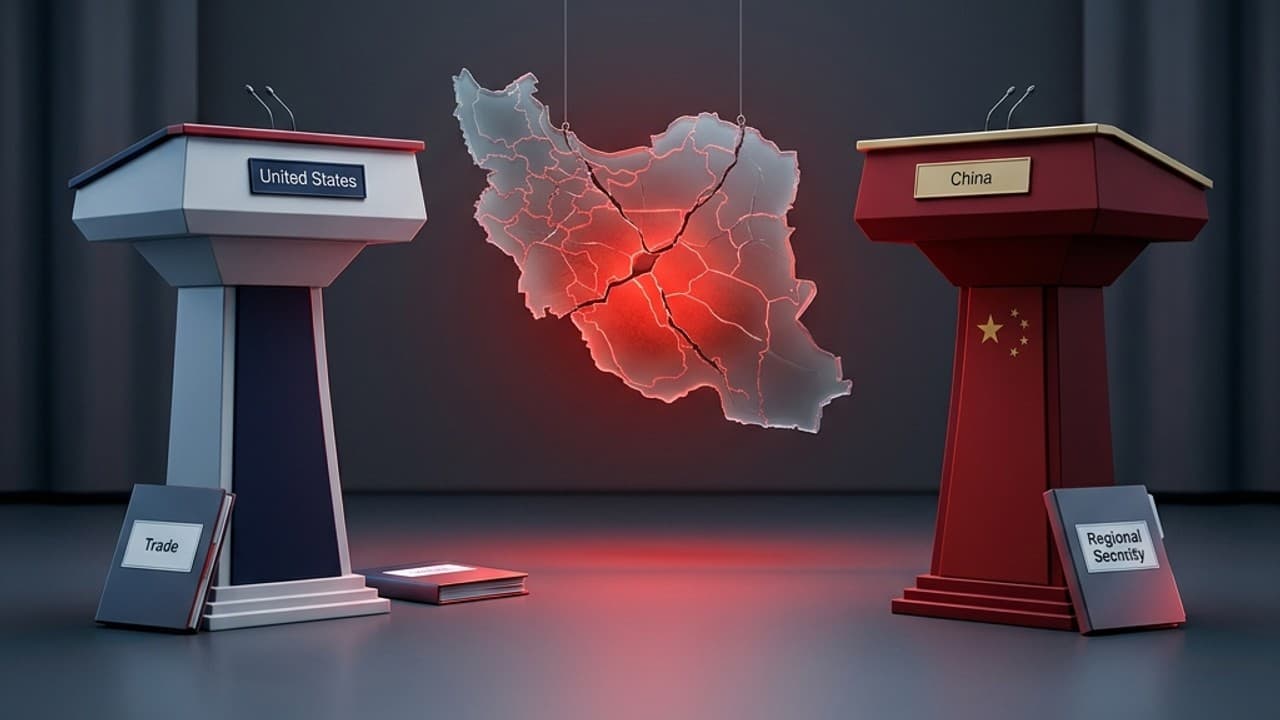
Iran war escalates tensions ahead of critical Trump-Xi summit
The ongoing Iran war is significantly raising the strategic stakes for the United States and China as the two powers prepare for high-level talks between President Donald Trump and Chinese President Xi Jinping, analysts and diplomatic observers note. The conflict has injected a new and urgent variable into bilateral discussions that were already expected to cover trade, Taiwan, and global economic stability.
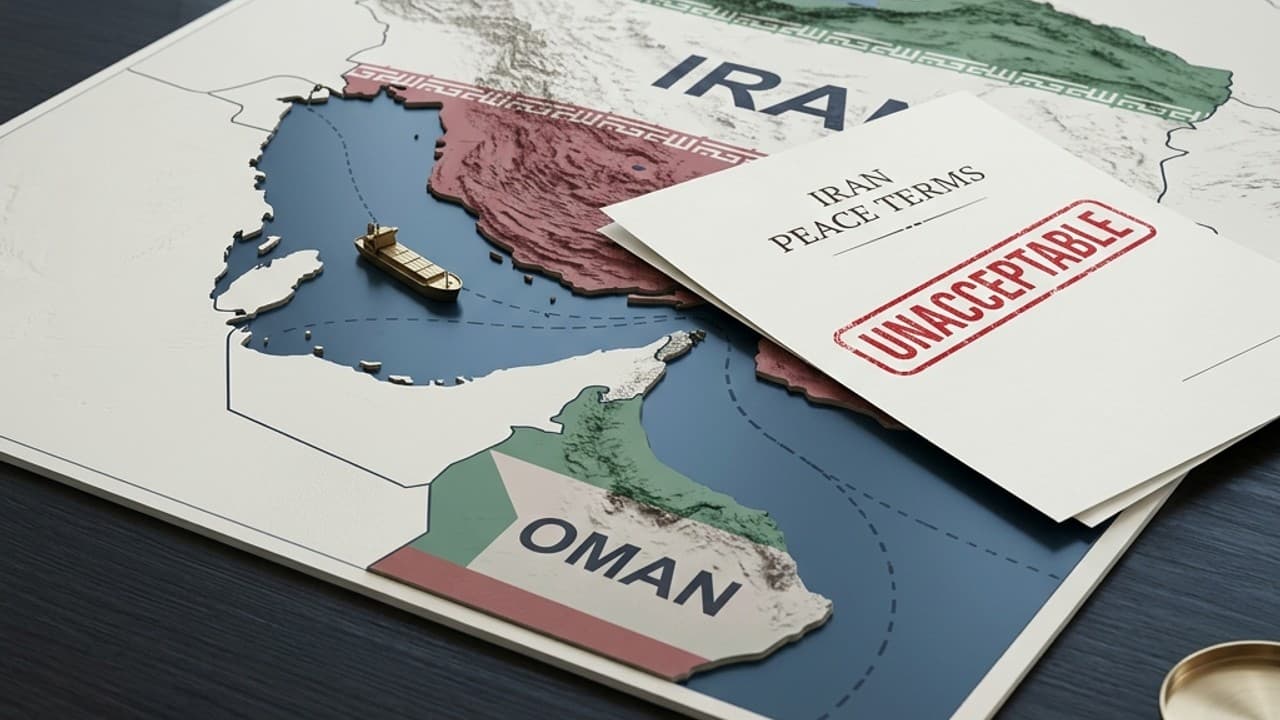
Trump rejects Iranian terms, declaring them unacceptable for peace
United States President Donald Trump has publicly rejected Iran's proposed terms for ending the ongoing war, labelling them as unacceptable and signalling that diplomatic resolution remains distant. The statement marks a significant hardening of the American position and raises fresh concerns about an extended conflict with broad regional and global consequences.
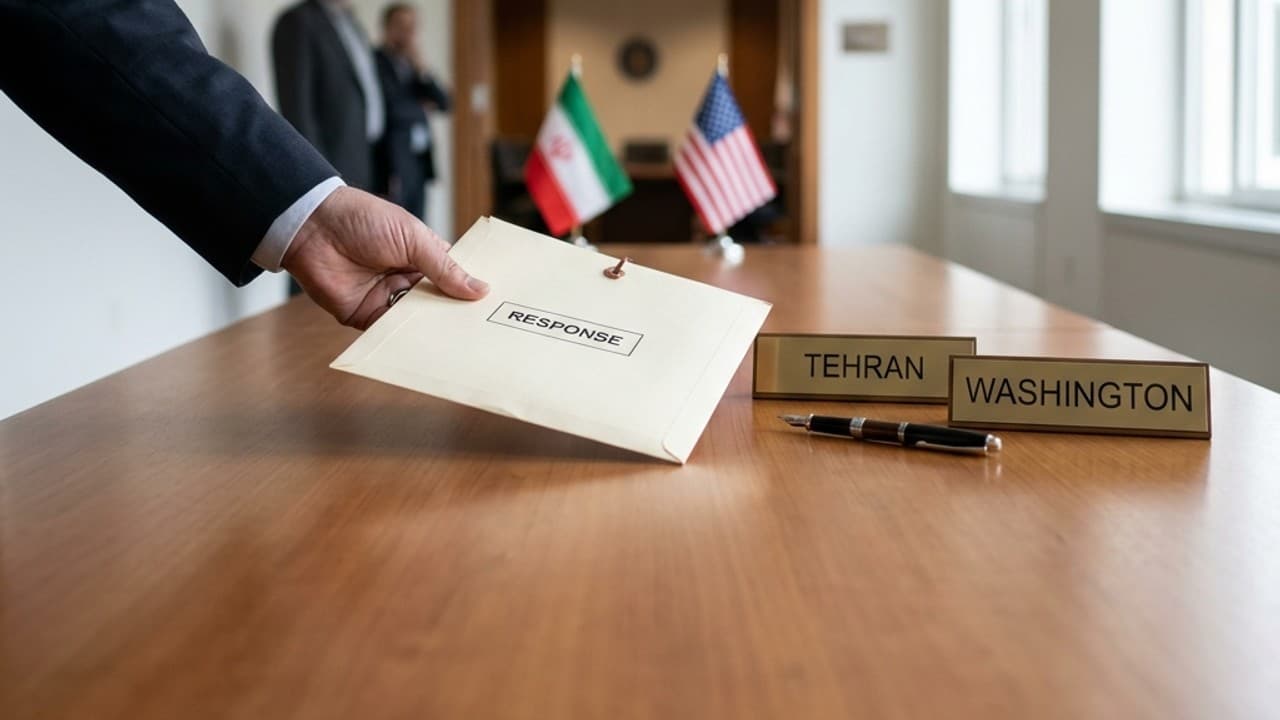
Iran Submits Formal Response To US Proposal On Ending War
Iran has formally transmitted its response to a United States proposal aimed at ending the ongoing war, state news agency IRNA reported on Sunday. The submission marks a critical juncture in diplomatic efforts to de-escalate a conflict that has drawn in multiple regional and international actors and generated widespread humanitarian consequences.
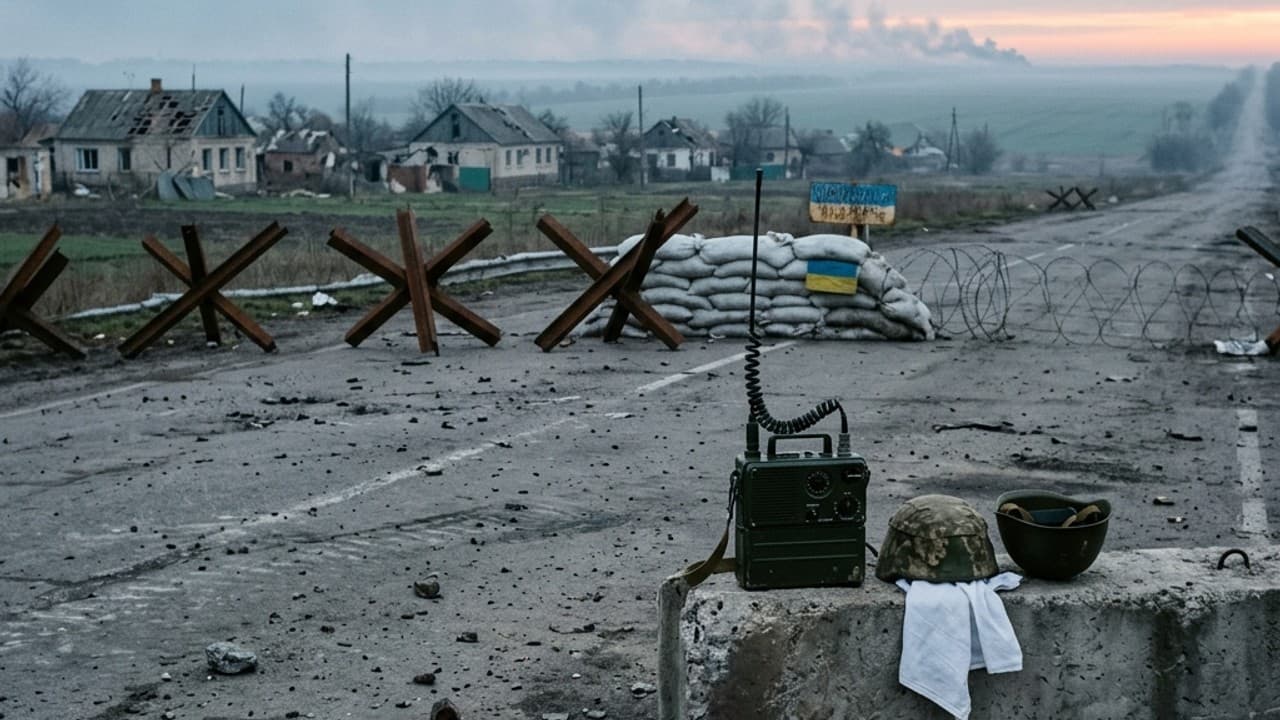
Putin Says Ukraine War Nearing End as Trump-Brokered Ceasefire Begins
Russian President Vladimir Putin has stated publicly that he believes the war with Ukraine is coming to an end, as a Trump-brokered three-day ceasefire formally came into effect. The parallel statements mark a potentially pivotal moment in a conflict that has defined European security and global commodity markets since Russia's full-scale invasion in February 2022.