
UAE Oil Giant Warns Full Hormuz Flows Unlikely Before Mid-2027
The UAE's state oil giant has issued a stark assessment that full restoration of oil flows through the Strait of Hormuz is not expected before the first half of 2027, signalling an extended period of energy supply uncertainty that could have significant consequences for global crude markets and economies dependent on Gulf exports.
The Strait of Hormuz, through which roughly a fifth of the world's oil supply passes, has been subject to disruptions tied to regional tensions. The warning from one of the most authoritative voices in Gulf energy represents a material escalation of forecasted supply risk, moving from short-term disruption assumptions to a medium-term structural constraint.
Global energy analysts are likely to revise supply-demand models in light of the forecast, with implications for oil prices, inflation trajectories, and energy security planning across importing nations. Pakistan, which relies heavily on Gulf oil imports, faces direct exposure to sustained price pressures and supply chain strain.
The statement adds pressure on diplomatic efforts to stabilise the regional situation and may accelerate discussions among major consuming nations around strategic petroleum reserve deployment and alternative supply routing.
Similar Stories
Background and related coverage on this story.

Trump Pauses Iran Attack Plan, Triggering Global Market Reactions
Global financial markets registered sharp movements on Tuesday after United States President Donald Trump announced he had called off a planned military strike against Iran, a decision that sent oil prices down more than two percent, steadied the dollar from recent weakness, and triggered a mixed response across Asian equity and bond markets. Oil prices fell sharply on the announcement, with traders rapidly unwinding risk premiums that had been priced into crude on expectations of a US-Iran military confrontation.

Gulf Markets Plunge After Drone Strike Hits UAE Nuclear Plant
Gulf equity markets tumbled sharply on Monday after a drone strike hit a nuclear energy plant in the United Arab Emirates while Saudi Arabia simultaneously intercepted multiple drones, triggering a severe risk-off reaction across regional bourses and sending investors scrambling for safe haven assets. The scale and nature of the incident — an aerial attack on a civilian nuclear facility — represents one of the most alarming security events in the Gulf in recent years.
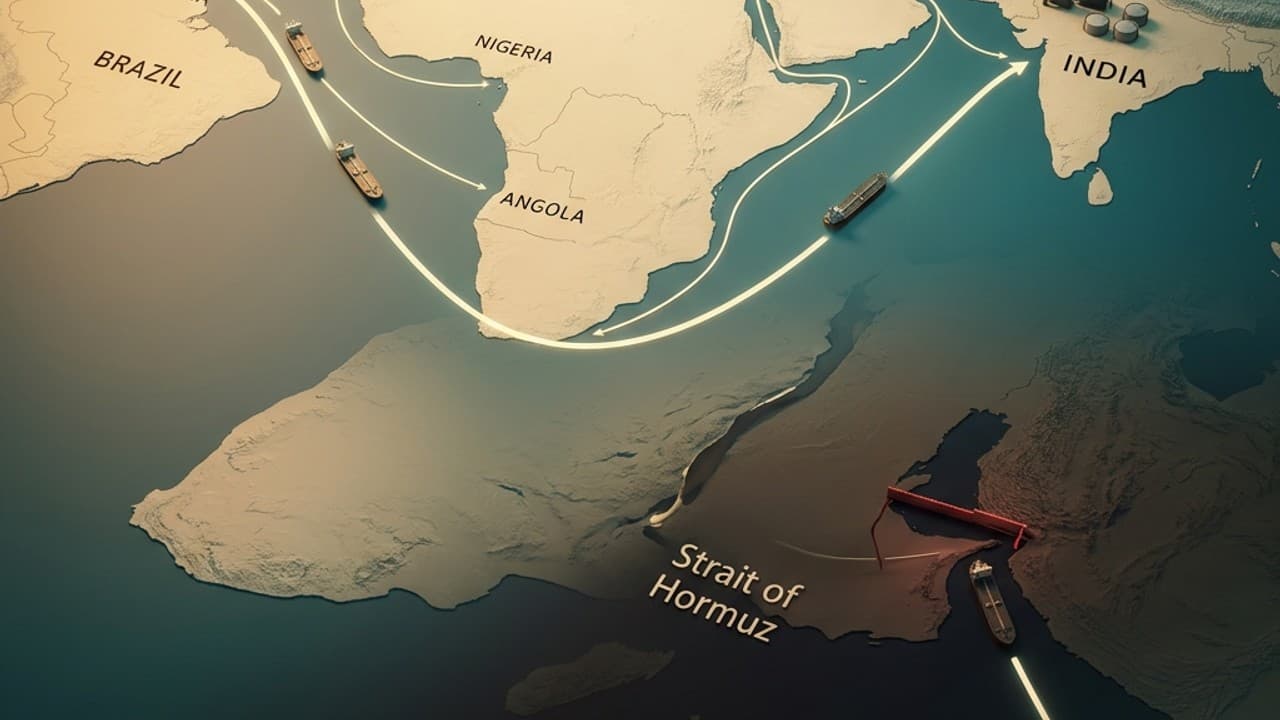
India Pivots to Latin American and African Oil After Hormuz Disruption
India has begun actively redirecting its crude oil procurement toward Latin American and African suppliers following significant disruption to supply flows through the Strait of Hormuz, one of the world's most critical energy chokepoints. The shift marks a structural realignment in India's energy import strategy driven by geopolitical necessity.
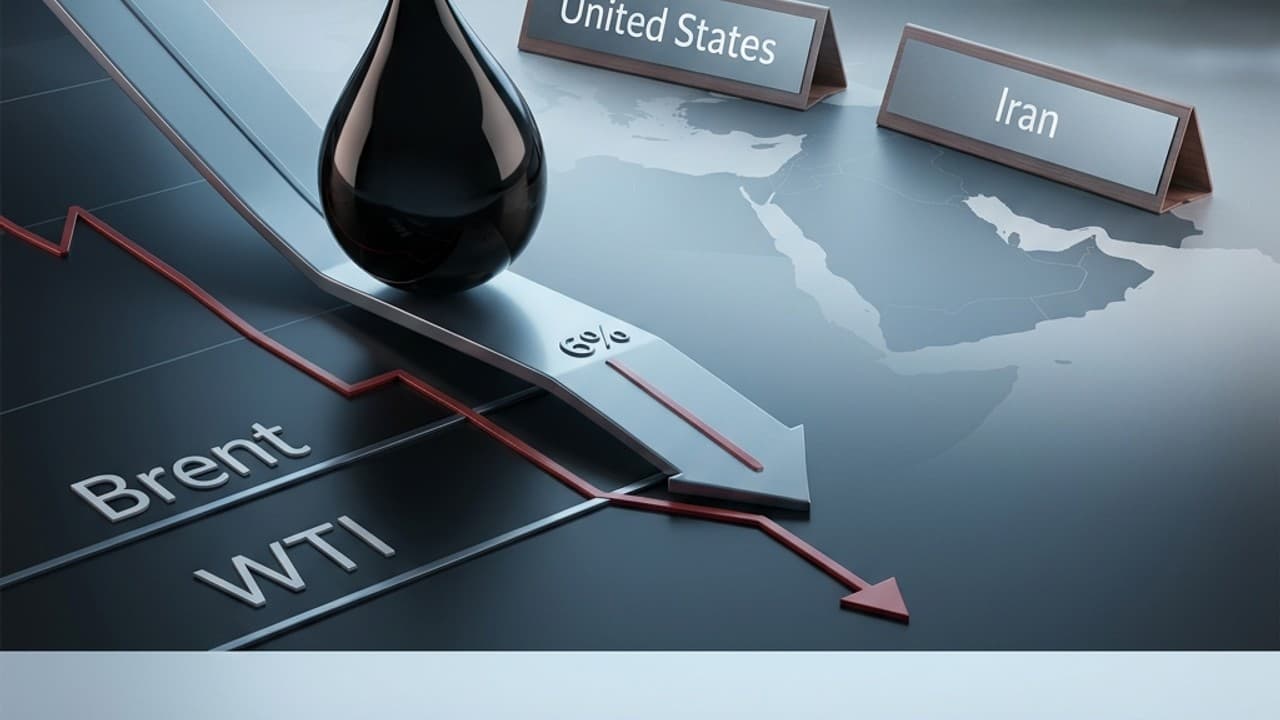
Oil Drops 6% as US and Iran Move Toward Peace Agreement
Global crude oil prices fell by approximately six percent on Monday as diplomatic signals indicated the United States and Iran were drawing closer to a peace agreement, a development that investors interpreted as a significant potential easing of supply disruption risk in the Middle East. Brent crude and West Texas Intermediate both saw sharp intraday declines as traders unwound risk premiums that had been embedded in oil prices amid months of elevated tension between Washington and Tehran.

KSE-100 Surges Over 3,600 Points as Iran-US Peace Talks Advance
The Pakistan Stock Exchange opened the trading week on a sharply bullish note Monday, with the benchmark KSE-100 index surging over 3,600 points during intraday trade as investors responded positively to reports that Iran and the United States are moving closer to a peace agreement. Earlier in the session, the index had gained approximately 2,800 points before extending those gains as further details emerged regarding diplomatic progress between Tehran and Washington.
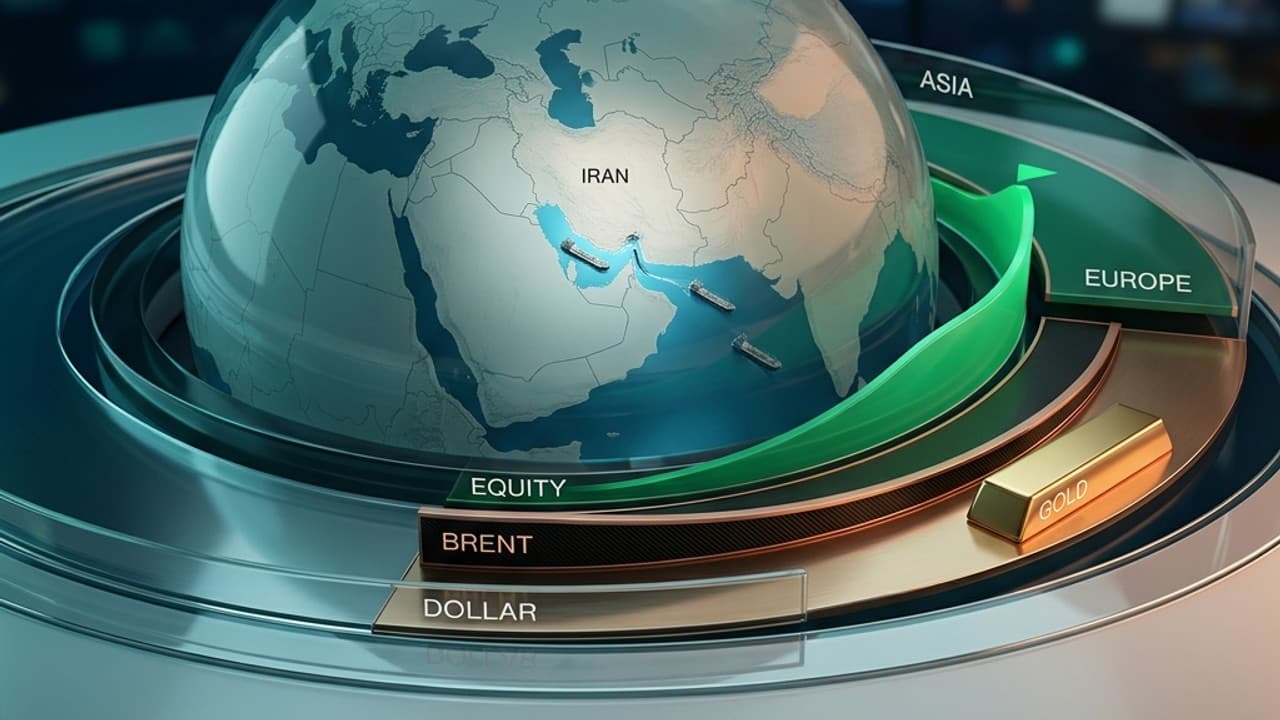
Global Stocks Surge, Oil and Dollar Fall on US-Iran Peace Optimism
Global equity markets surged sharply on Monday as mounting optimism over a potential US-Iran peace deal drove risk appetite across financial markets. Oil prices slipped to a two-week low while the dollar weakened broadly, as investors priced in the prospect of sanctions relief, a reopening of the Strait of Hormuz, and a reduction in regional geopolitical risk premium.