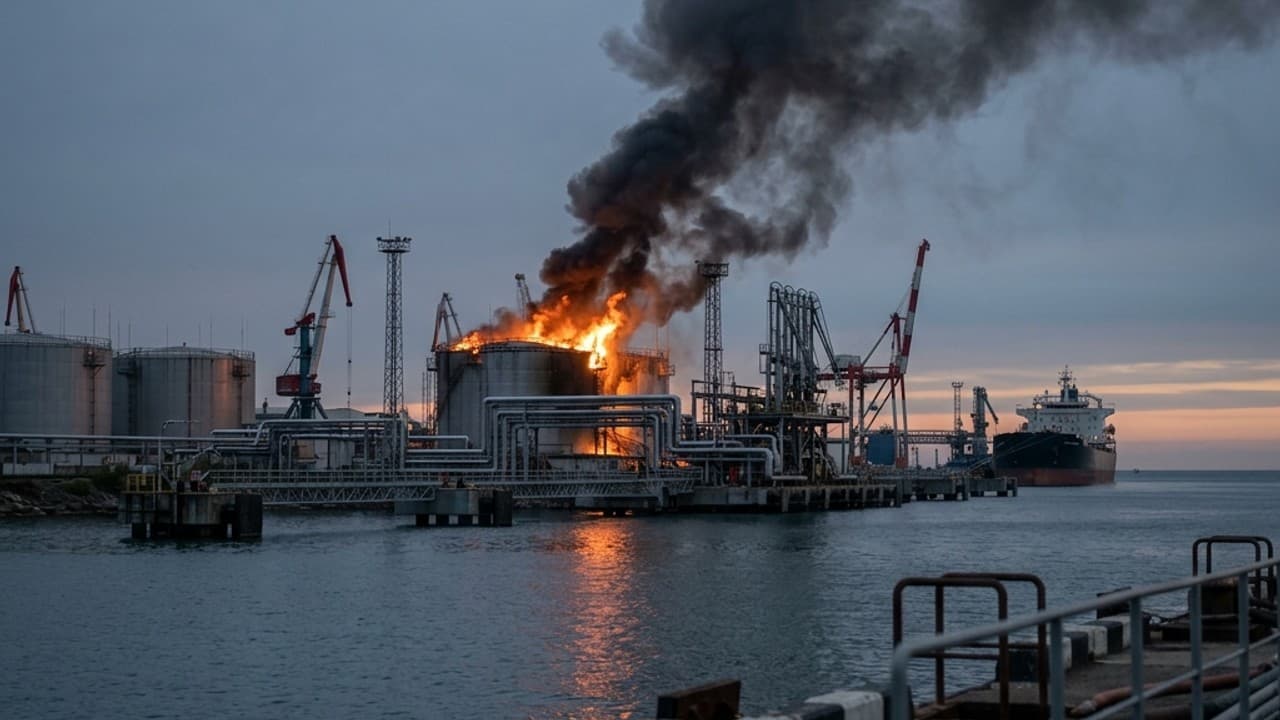
Ukrainian Drones Strike Russian Port of Tuapse, Igniting New Blaze
Ukrainian drones struck the Russian Black Sea port of Tuapse on Friday, igniting a new fire at the facility in what appears to be a continuation of Kyiv's campaign to degrade Russian energy and logistics infrastructure along the southern coast.
Tuapse is a significant oil and fuel transit hub on Russia's Black Sea coastline, and repeated strikes on the facility have raised concerns about disruption to regional fuel exports. Friday's attack follows a pattern of Ukrainian drone operations targeting Russian energy infrastructure as part of a broader asymmetric strategy.
The strike comes amid ongoing conflict along multiple fronts and represents an escalation in the aerial campaign against Russia's rear-area energy and port facilities. Moscow has not immediately confirmed the extent of damage, though local emergency services were reported to be responding to the blaze.
Energy market analysts are monitoring the situation for potential knock-on effects on Black Sea shipping routes and regional fuel supplies, particularly given Tuapse's role as a key export node for Russian petroleum products.
Similar Stories
Background and related coverage on this story.
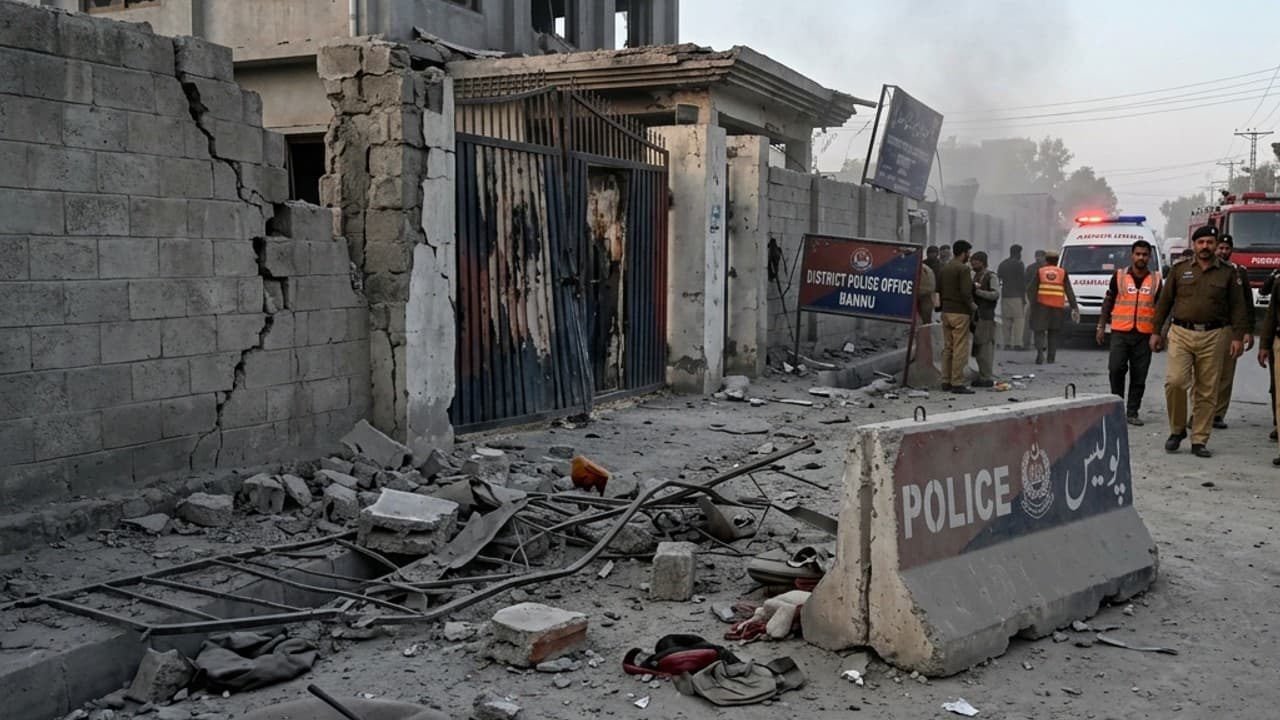
Bannu Terror Attack Kills 15 Police Officers, PM Vows Resolute Response
A deadly terrorist attack in Bannu district of Khyber Pakhtunkhwa claimed the lives of 15 police officers, with three others sustaining injuries, in one of the most lethal single-incident strikes against law enforcement personnel in the province in recent months. The attack underscores the deteriorating security situation in parts of KPK where militant groups have intensified operations against state security forces.
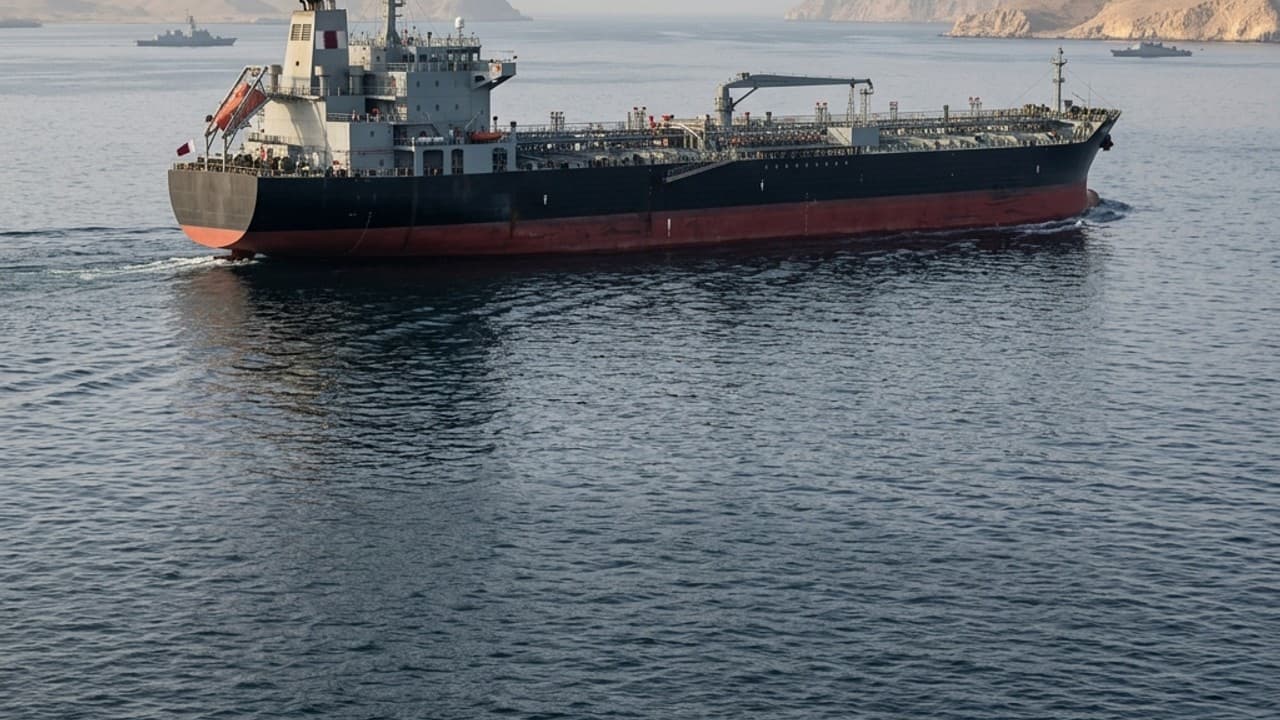
US-Iran War Persists as Qatari Tanker Approaches Strait of Hormuz
Following earlier reports on the US-Iran conflict, a Qatari oil tanker has been tracked sailing toward the Strait of Hormuz as negotiations between Washington and Tehran remain deadlocked, with no indication of an imminent ceasefire or diplomatic resolution. The tanker's movement signals continued commercial shipping activity through the strategically vital waterway despite the ongoing conflict, though the risk environment remains acute.
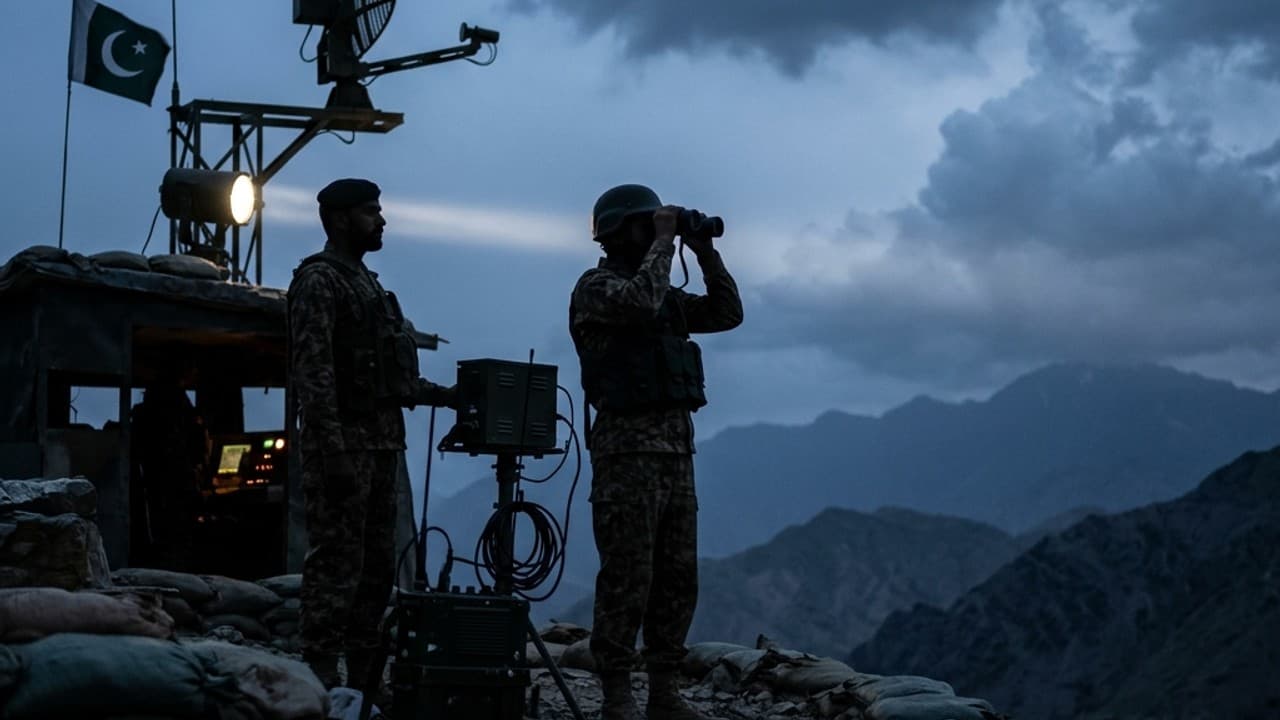
CDF Asim Munir Warns Pakistan Will Respond Overwhelmingly to Future Aggression
Chief of Defence Forces (CDF) General Syed Asim Munir has issued a stark warning to Pakistan's adversaries, stating that any future misadventure against the country will invite a response that is 'extremely widespread and painful.' The statement, delivered amid heightened regional tensions, signals Islamabad's posture of resolute deterrence following recent security developments. The CDF's remarks represent one of the most direct and forceful warnings issued by Pakistan's senior military leadership in recent memory, underscoring the armed forces' readiness to escalate proportionally and beyond in the event of renewed hostilities.
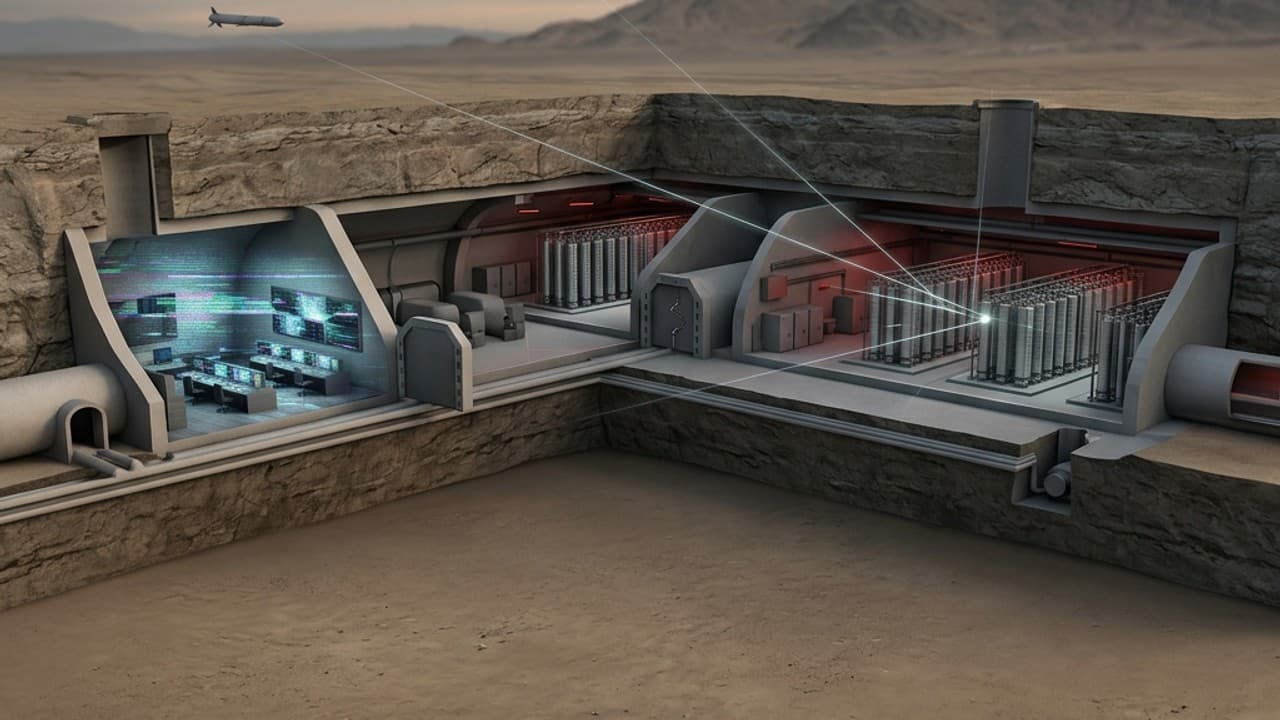
US Military Has Contingency Plans to Strike Iran If Nuclear Talks Fail
Detailed reporting has shed light on US military contingency planning directed at Iran's nuclear infrastructure, outlining strike options that remain active should diplomatic negotiations over Tehran's nuclear programme collapse. The disclosure underscores the degree to which the Biden and now Trump-era administrations have maintained credible military options alongside the diplomatic track.
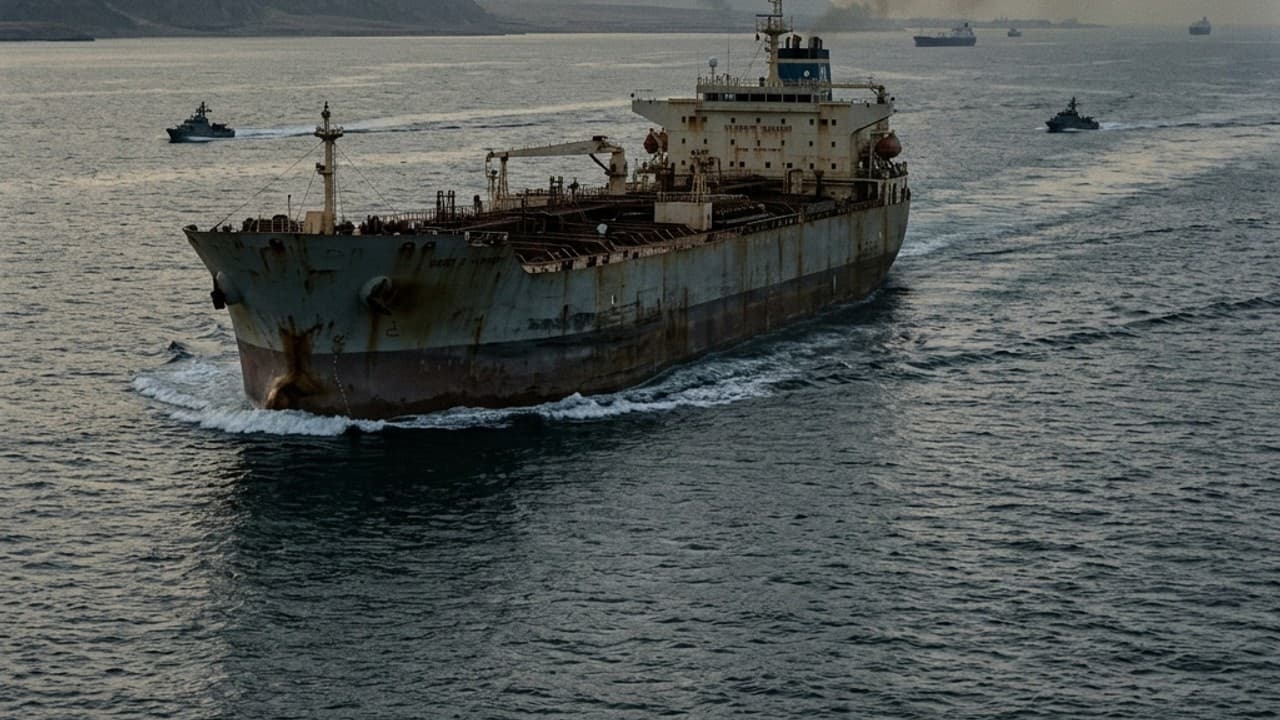
US-Iran Nuclear Talks Stall as Gulf Military Clashes Intensify
The United States and Iran remain far from any diplomatic resolution to their ongoing military conflict as fresh clashes flared across the Gulf on Saturday, deepening concerns over regional stability and the security of critical global energy supply routes. Negotiations between Washington and Tehran have failed to produce a framework for ending hostilities, with both sides maintaining maximalist positions that have so far made a ceasefire agreement structurally elusive.
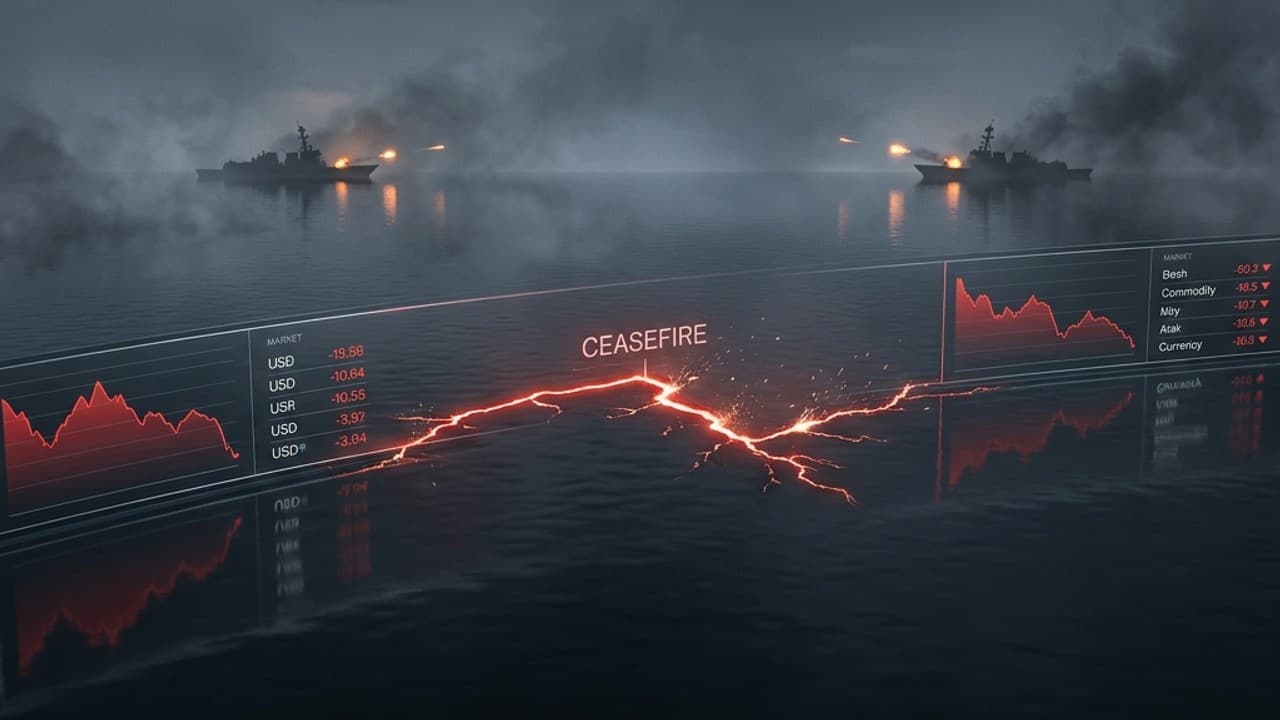
US-Iran Fighting Flares, Trump Insists Ceasefire Still Holds
Fresh fighting between United States and Iranian forces has broken out, casting serious doubt over the fragile ceasefire that had been brokered in the Gulf conflict. Despite the renewed hostilities, US President Donald Trump maintained that the ceasefire agreement remains formally in force, offering few details on the nature or scale of the latest exchange.