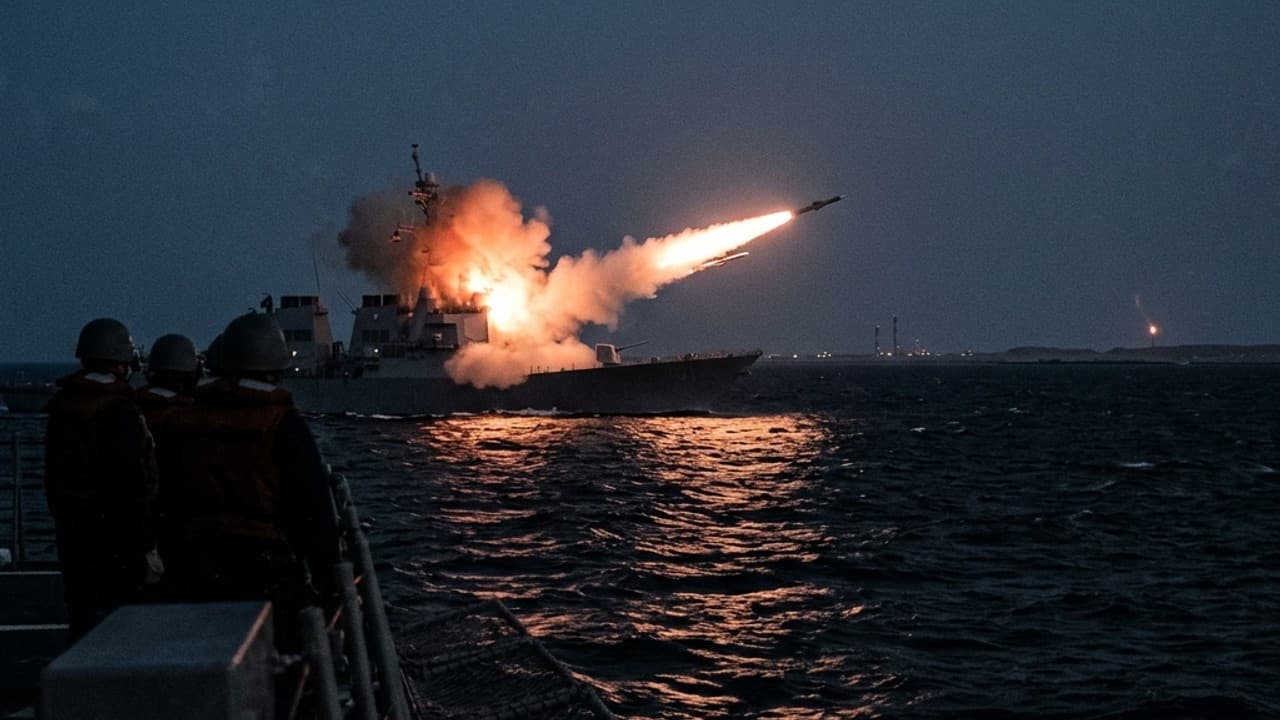
US Military Launches Self-Defence Strikes Against Iran
The United States military has carried out strikes against Iran, describing the action as self-defence operations, in a significant escalation of tensions between Washington and Tehran. The strikes mark one of the most serious direct military confrontations between the two countries in recent years, raising immediate concerns about regional stability across the Middle East.
The Pentagon has not yet issued a full operational briefing, but early reports confirm that US forces executed the strikes citing imminent threat justification under established rules of engagement. The action signals a sharp deterioration in the already strained diplomatic relationship between Washington and Tehran.
The strikes are expected to draw swift international reaction, with Gulf states, European allies, and regional powers closely monitoring developments for signs of Iranian retaliation. Analysts warn that any counter-strike by Iran could trigger a broader military exchange with consequences for global energy supplies and maritime security.
Pakistan, which shares a border with Iran and maintains diplomatic ties with both Washington and Tehran, is likely to face pressure to articulate a clear position. Islamabad has historically pursued a policy of neutrality in US-Iran confrontations, though the scale of this escalation may complicate that posture significantly.
Similar Stories
Background and related coverage on this story.
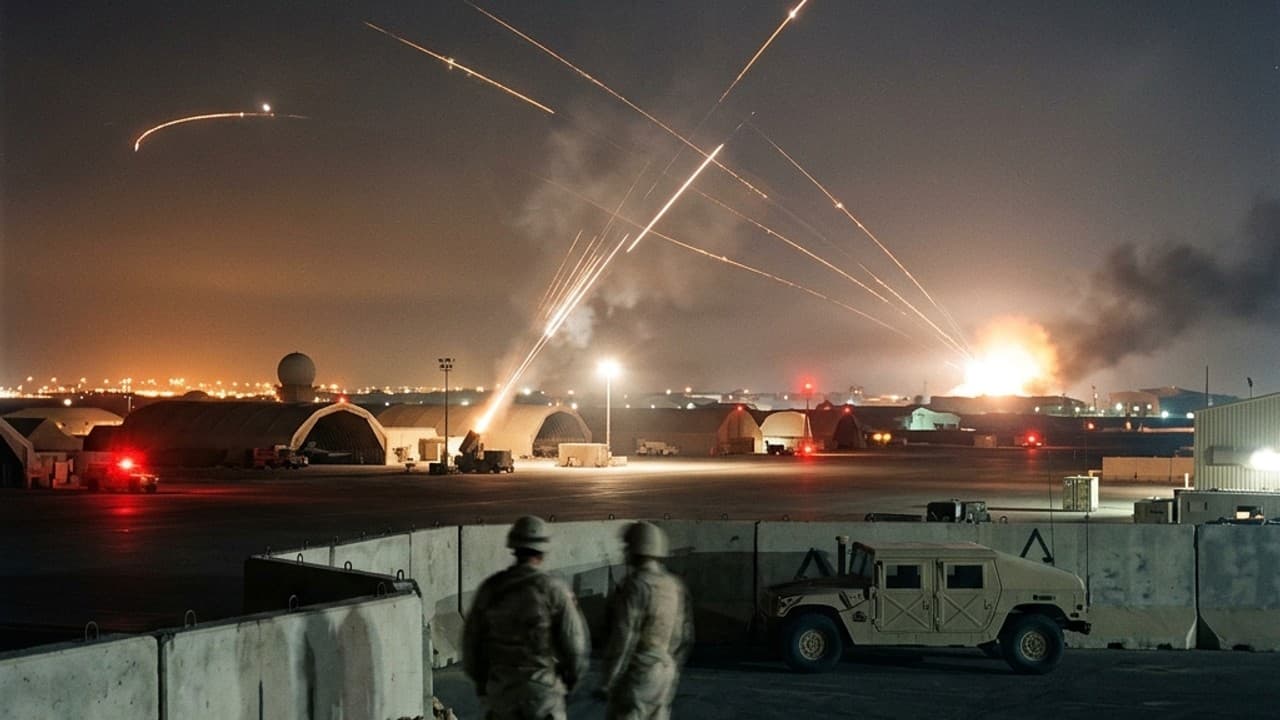
US Strikes Iran; Tehran Retaliates Against American Airbase
The United States has carried out fresh military strikes against Iran, triggering an immediate retaliatory attack by the Iranian Revolutionary Guards on an American military base in the Gulf region. The escalation comes after President Donald Trump publicly dismissed reports of a potential deal that would have kept the Strait of Hormuz open, removing a diplomatic off-ramp that analysts had considered a last-ditch mechanism to contain hostilities.
Pentagon Warns US Will Resume Iran Strikes Without Nuclear Deal
The United States Pentagon has issued a stark warning that Washington is prepared to restart military strikes against Iran should diplomatic negotiations fail to produce a nuclear agreement, significantly escalating pressure on Tehran at a critical juncture in the talks. The Pentagon chief's statement marks one of the most direct public threats of resumed military action since the United States conducted earlier strikes, signalling that the administration views ongoing negotiations as time-limited and contingent on concrete Iranian concessions.
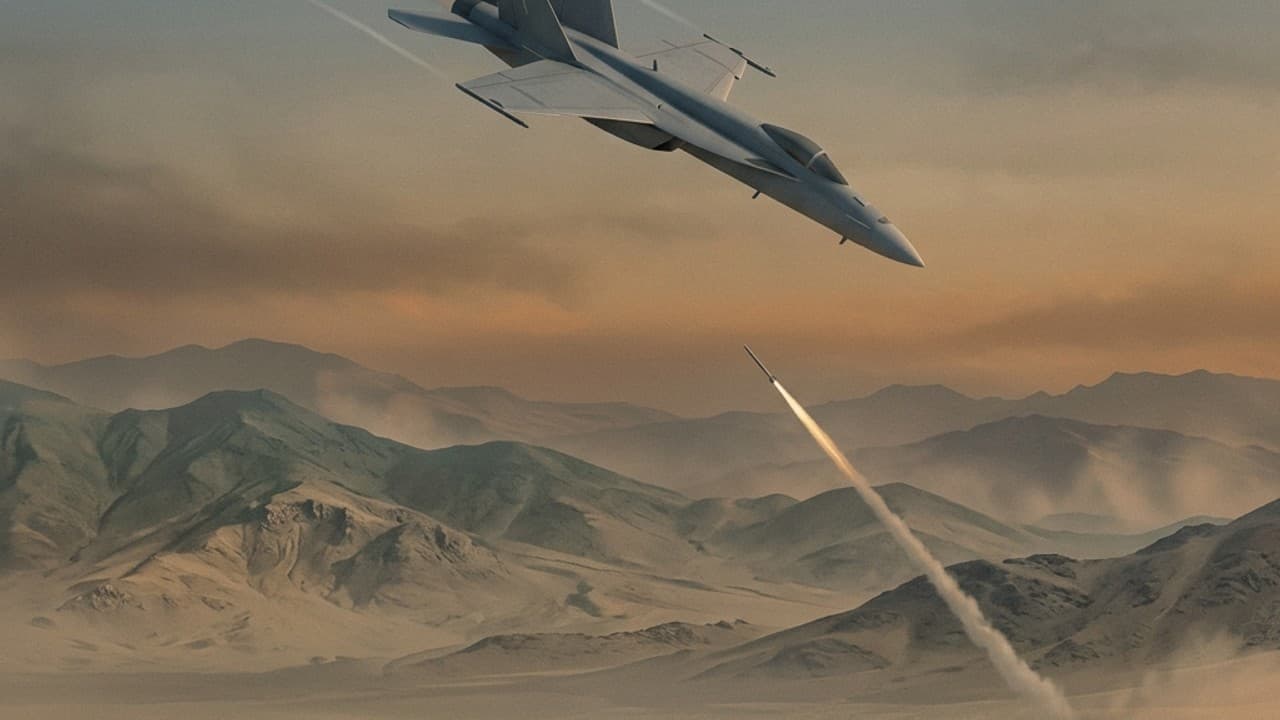
US Responds to Reports of American Aircraft Shot Down Over Iran
The United States government has formally responded to reports that an American aircraft was shot down over Iran, in a development that represents a potential major escalation in the ongoing conflict between the two countries. The incident, if confirmed, would mark a significant and dangerous new phase in US-Iran hostilities.
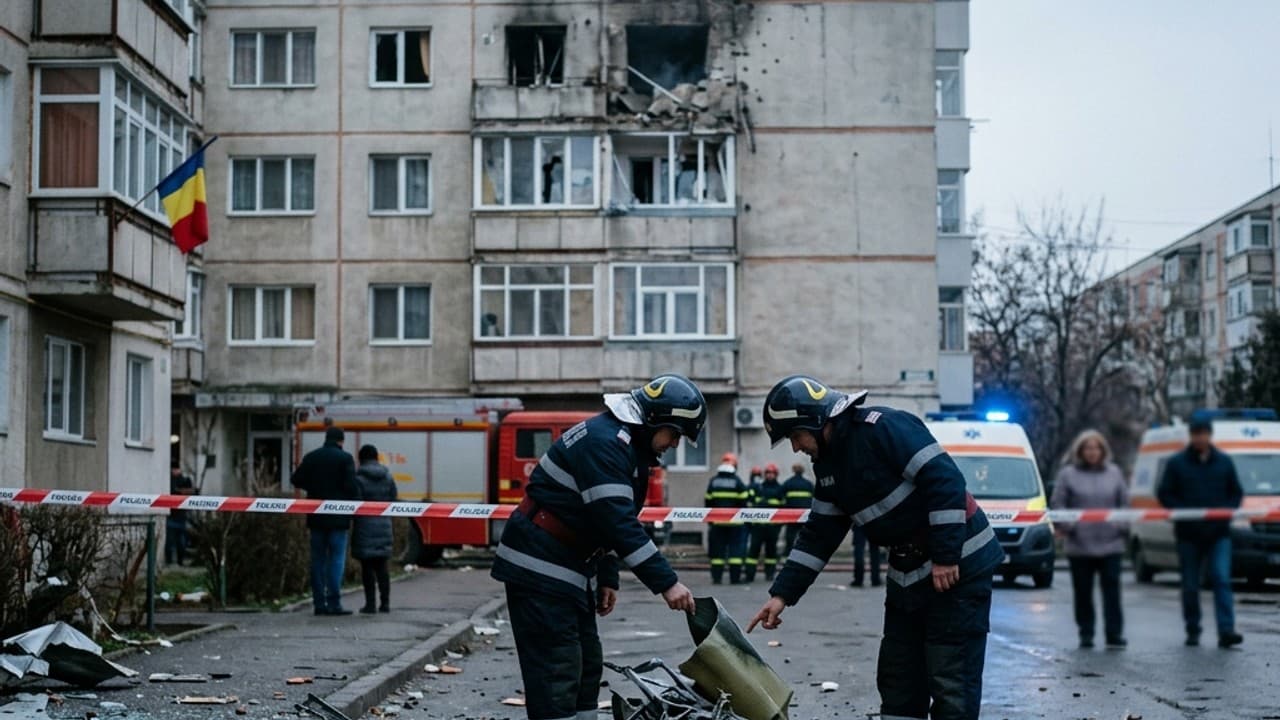
Russian Drone Hits NATO Member Romania in Escalatory Strike
A Russian drone has struck an apartment building in Romania, a NATO member state, as part of continued aerial attacks on neighbouring Ukraine, in what European and alliance officials are describing as a grave and unprecedented escalation. The European Union's chief immediately condemned the incident, stating that Russia had "crossed yet another line" with the strike on Romanian territory.

Netanyahu Orders Israeli Forces to Expand Gaza Control to 70 Percent
Israeli Prime Minister Benjamin Netanyahu has directed Israeli defence forces to extend their territorial control over Gaza to 70 percent of the enclave, in what represents a significant escalation of the ongoing military campaign. The order signals a deliberate expansion of Israeli ground operations beyond current positions and raises urgent questions about humanitarian access, civilian displacement, and the prospects for a ceasefire.
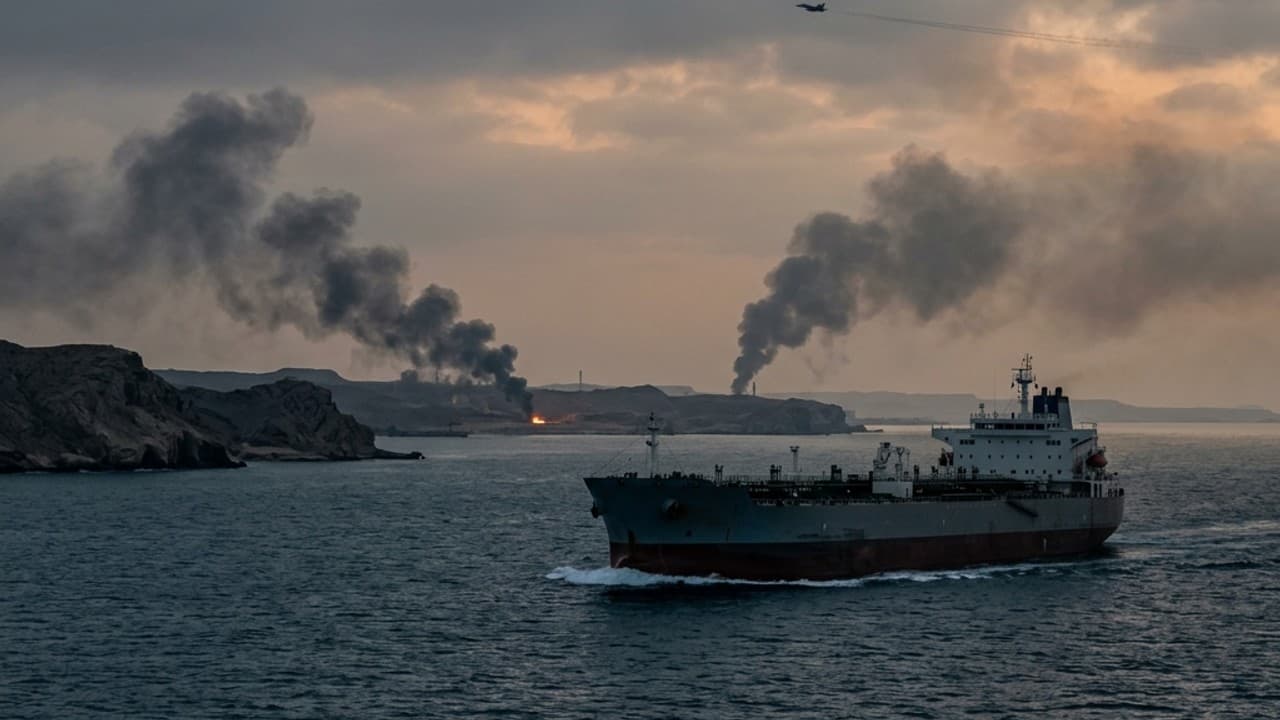
Iran and US Exchange Air Strikes Amid Ceasefire Uncertainty
Iran and the United States exchanged fresh air strikes on Thursday even as diplomatic channels remained active, with reports indicating that both sides had reached a tentative ceasefire extension agreement pending final approval from President Donald Trump. The simultaneous military and diplomatic activity underscored the extreme volatility of the conflict.