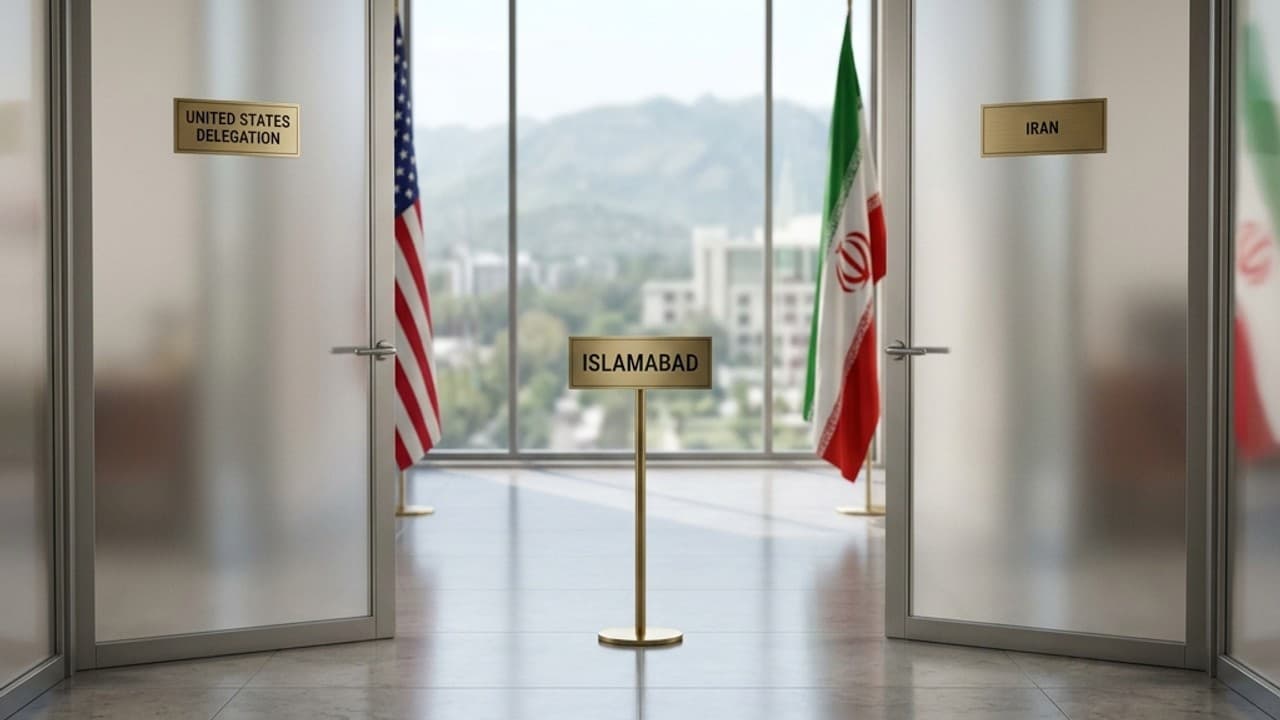
US Negotiators Head to Islamabad as Iran Rejects Direct Nuclear Talks
United States negotiators are set to travel to Islamabad for talks related to the Iran nuclear file, even as Tehran has publicly stated it will not engage in direct negotiations with Washington, in a development that places Pakistan at the centre of a high-stakes diplomatic dynamic.
Iran's rejection of direct talks underlines the persistent mistrust between Washington and Tehran, while the choice of Islamabad as a venue suggests Pakistan may be playing a facilitating or interlocutory role in efforts to de-escalate the situation diplomatically.
Pakistan has in recent months been recognised internationally for its active positioning as a mediator and dialogue-oriented actor amid the broader Middle East crisis. The routing of US negotiators through Islamabad aligns with that trajectory and raises its diplomatic profile significantly.
The decision by Washington to proceed with the Islamabad visit despite Iran's stated refusal of direct engagement suggests the US side may be pursuing indirect channels or parallel diplomacy, with Pakistan potentially serving as a communication bridge.
No official statement has been issued by Pakistan's Foreign Office on the specifics of the US delegation's visit, but the development is being closely watched by regional and global observers given the stakes involved in any Iran-related nuclear diplomacy.
Similar Stories
Background and related coverage on this story.
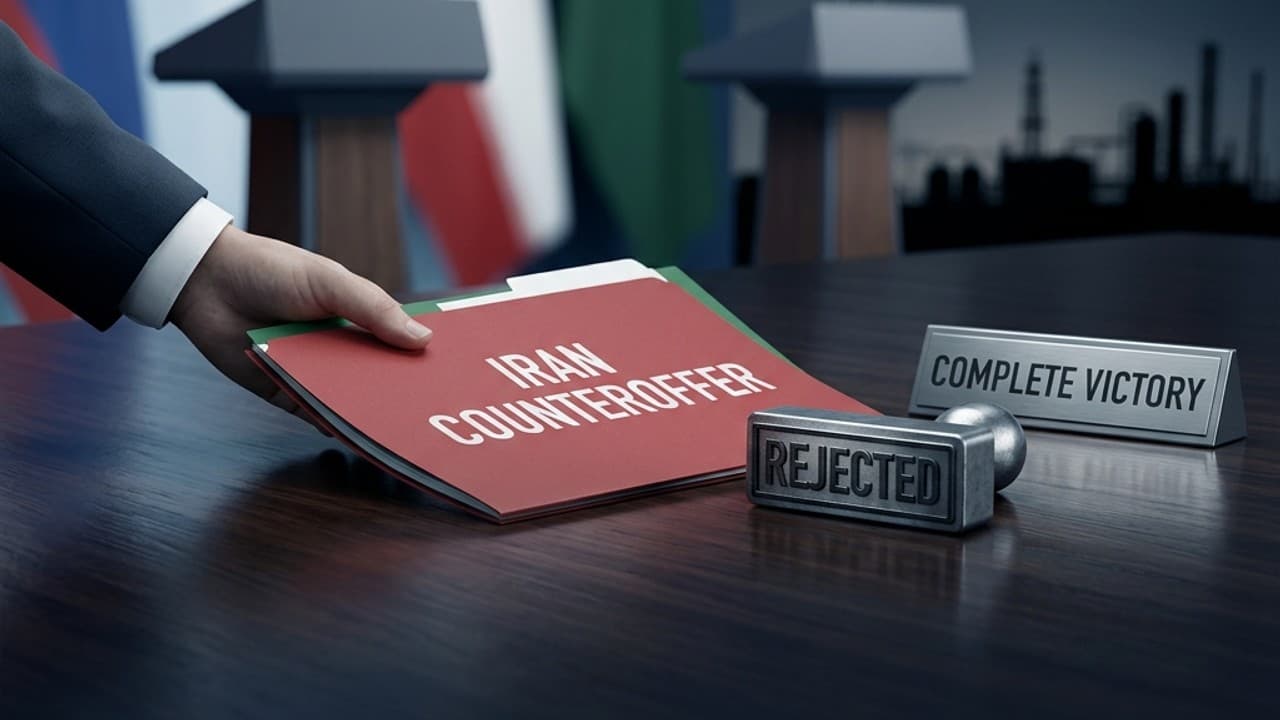
Trump Rejects Iran Counteroffer, Demands Complete Victory in War
United States President Donald Trump has rejected a counteroffer from Iran aimed at ending the ongoing war, insisting instead on what he described as a complete victory. The rejection marks a significant escalation in diplomatic posturing between Washington and Tehran, closing off what appeared to be a potential off-ramp from the conflict.
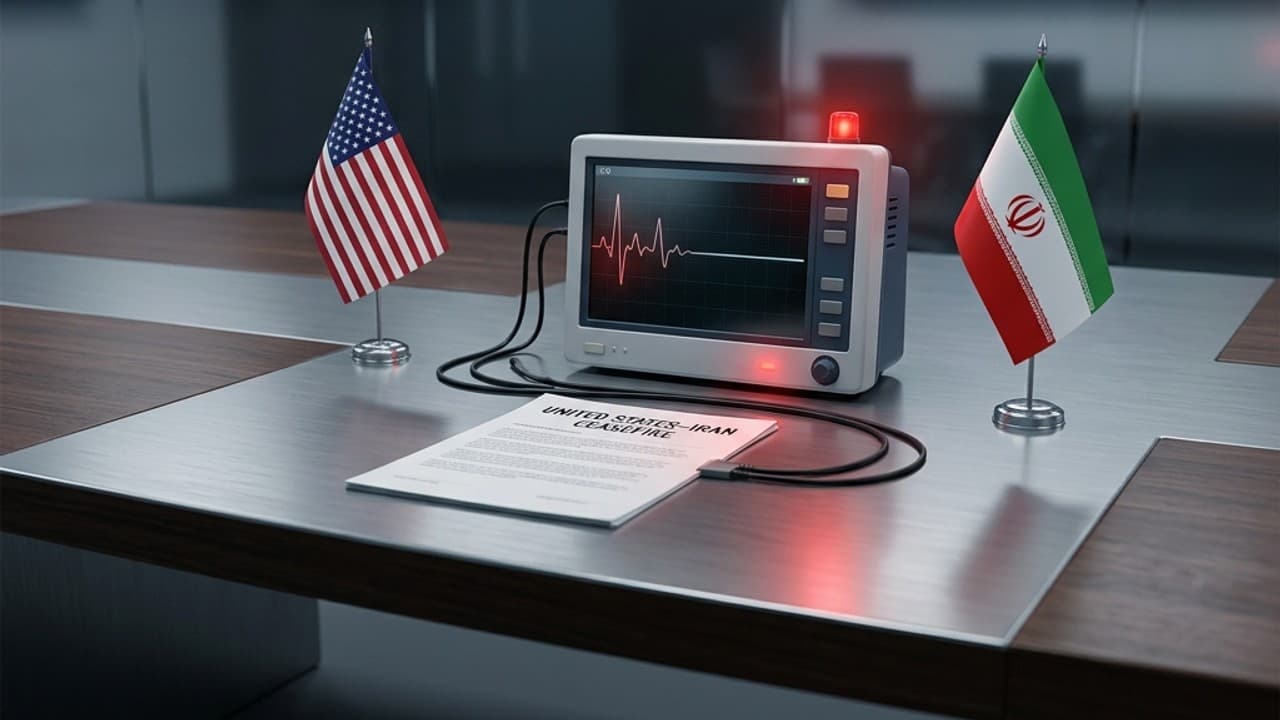
Trump Warns Iran Ceasefire Is on 'Life Support'
United States President Donald Trump declared on Monday that the ceasefire with Iran is on 'life support', signalling a dramatic deterioration in the fragile truce that had been holding between Washington and Tehran. The stark language represents one of the most alarming public assessments by the US president since the ceasefire was established.
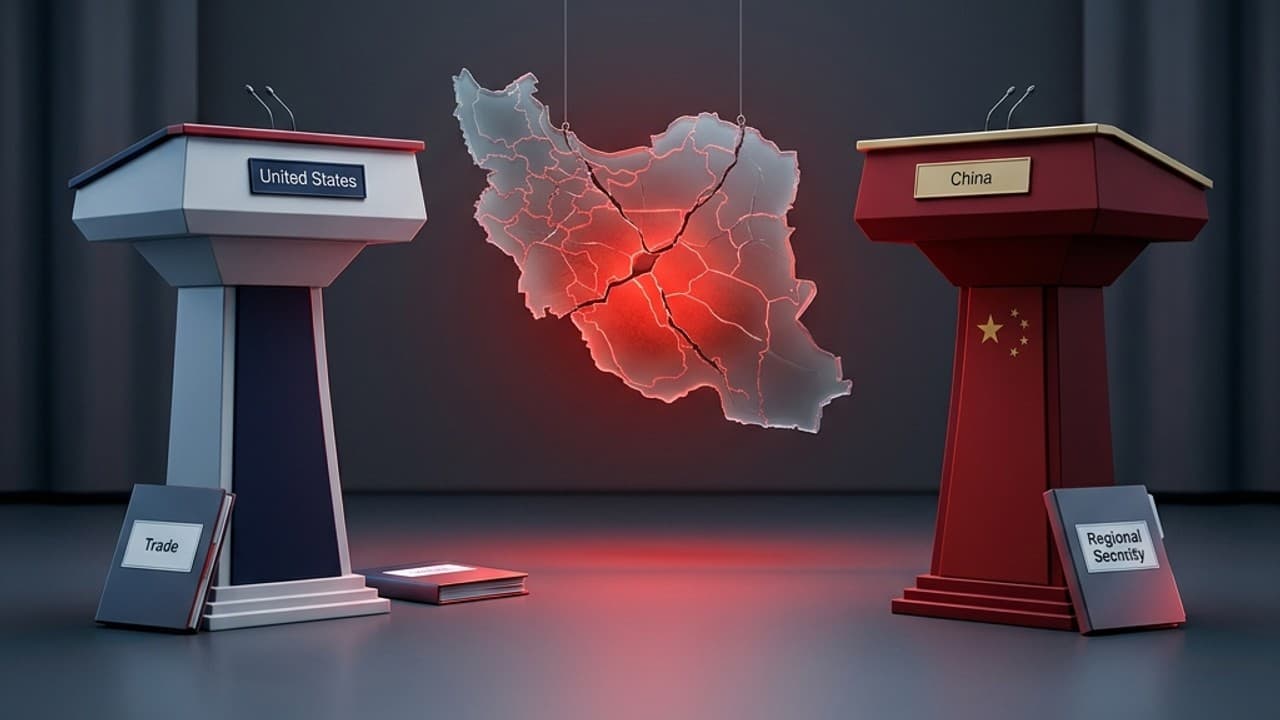
Iran war escalates tensions ahead of critical Trump-Xi summit
The ongoing Iran war is significantly raising the strategic stakes for the United States and China as the two powers prepare for high-level talks between President Donald Trump and Chinese President Xi Jinping, analysts and diplomatic observers note. The conflict has injected a new and urgent variable into bilateral discussions that were already expected to cover trade, Taiwan, and global economic stability.
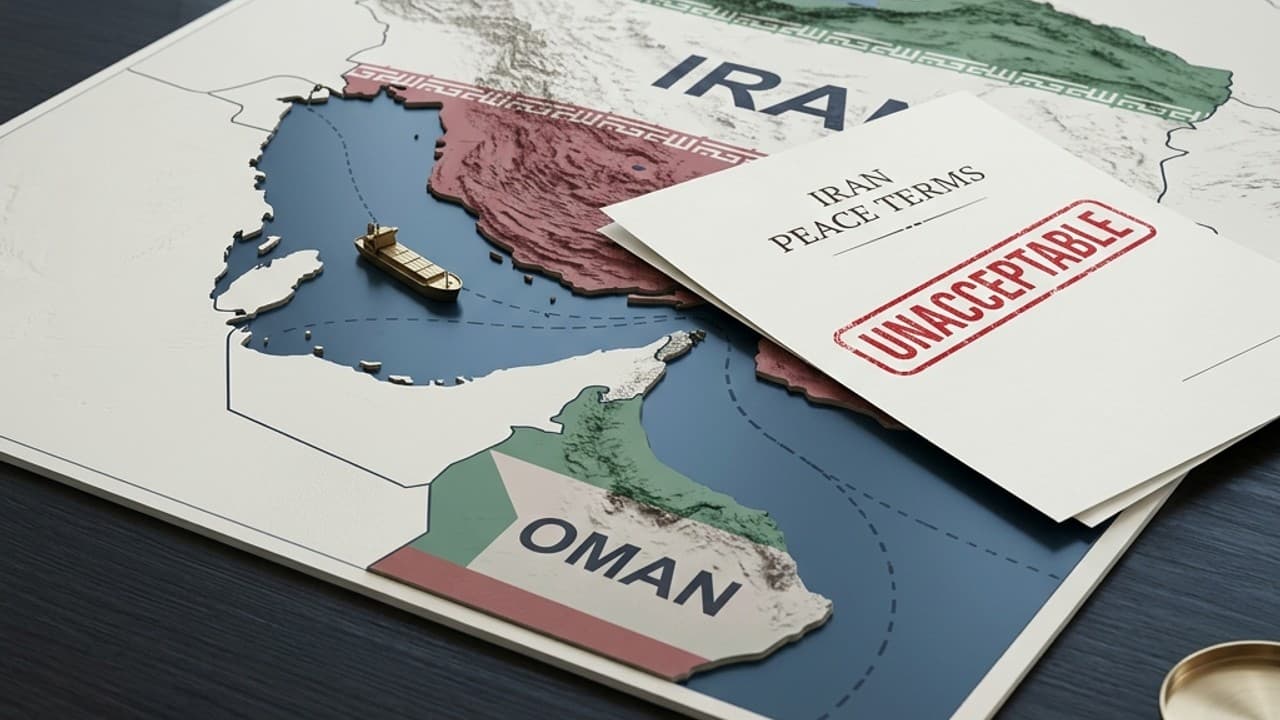
Trump rejects Iranian terms, declaring them unacceptable for peace
United States President Donald Trump has publicly rejected Iran's proposed terms for ending the ongoing war, labelling them as unacceptable and signalling that diplomatic resolution remains distant. The statement marks a significant hardening of the American position and raises fresh concerns about an extended conflict with broad regional and global consequences.
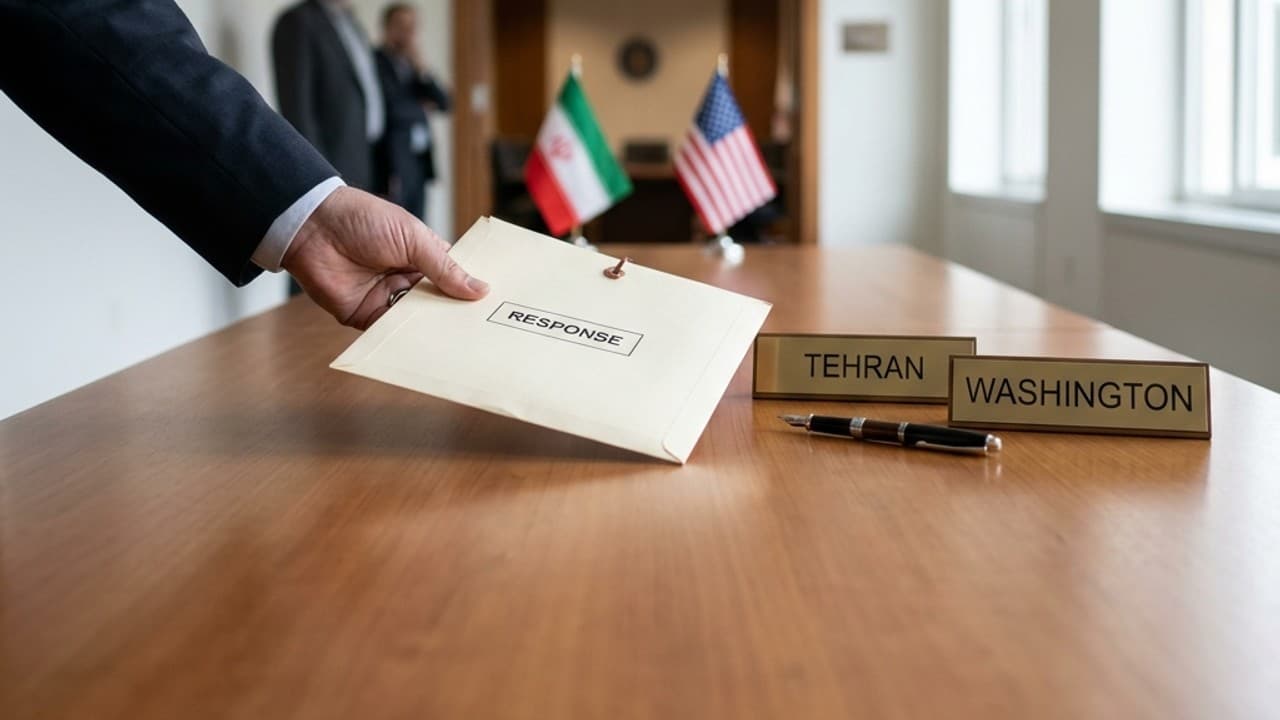
Iran Submits Formal Response To US Proposal On Ending War
Iran has formally transmitted its response to a United States proposal aimed at ending the ongoing war, state news agency IRNA reported on Sunday. The submission marks a critical juncture in diplomatic efforts to de-escalate a conflict that has drawn in multiple regional and international actors and generated widespread humanitarian consequences.
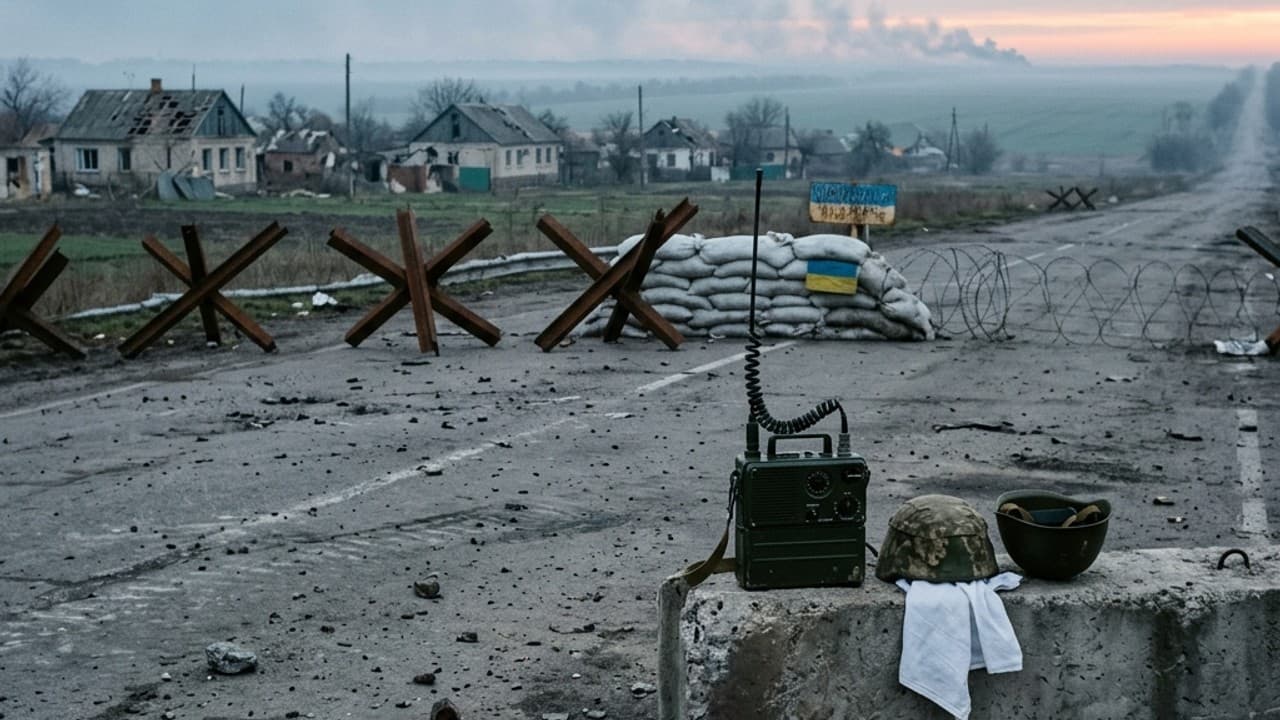
Putin Says Ukraine War Nearing End as Trump-Brokered Ceasefire Begins
Russian President Vladimir Putin has stated publicly that he believes the war with Ukraine is coming to an end, as a Trump-brokered three-day ceasefire formally came into effect. The parallel statements mark a potentially pivotal moment in a conflict that has defined European security and global commodity markets since Russia's full-scale invasion in February 2022.