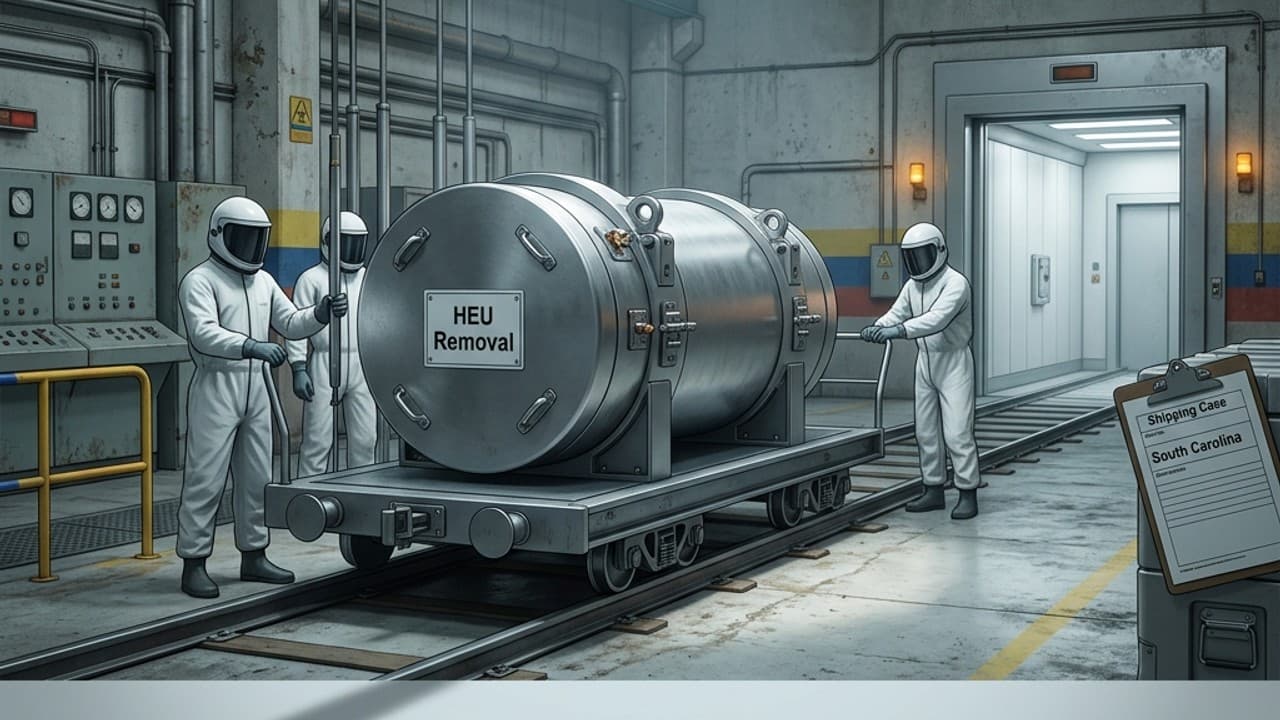
US Removes Enriched Uranium from Venezuela Reactor in Major Nuclear Security Operation
The United States has successfully removed all enriched uranium from a research reactor in Venezuela and transported the nuclear material to South Carolina in what officials are describing as a major nuclear security operation. The move significantly reduces proliferation risk associated with the ageing Venezuelan facility.
The operation, conducted in coordination with international nuclear security partners, involved the careful extraction and transfer of fissile material that had remained at the Venezuelan reactor site under conditions of deteriorating institutional oversight. The transfer to a secure US facility eliminates the risk of diversion or theft of weapons-usable material.
Venezuela's research reactor has been a long-standing concern for non-proliferation experts, particularly given the country's political trajectory and weakened regulatory infrastructure in recent years. The successful extraction represents a significant counterproliferation achievement for the US Department of Energy and associated agencies.
The operation is part of a broader US-led global effort to secure vulnerable nuclear material at research reactors and storage sites in politically unstable or high-risk countries. Similar operations have been conducted across Eastern Europe, Africa, and Southeast Asia over the past two decades.
The enriched uranium will be secured and processed at a licensed facility in South Carolina. Officials have not disclosed the quantity of material removed, but the completion of the operation is expected to be formally acknowledged through official channels in the coming days.
Similar Stories
Background and related coverage on this story.
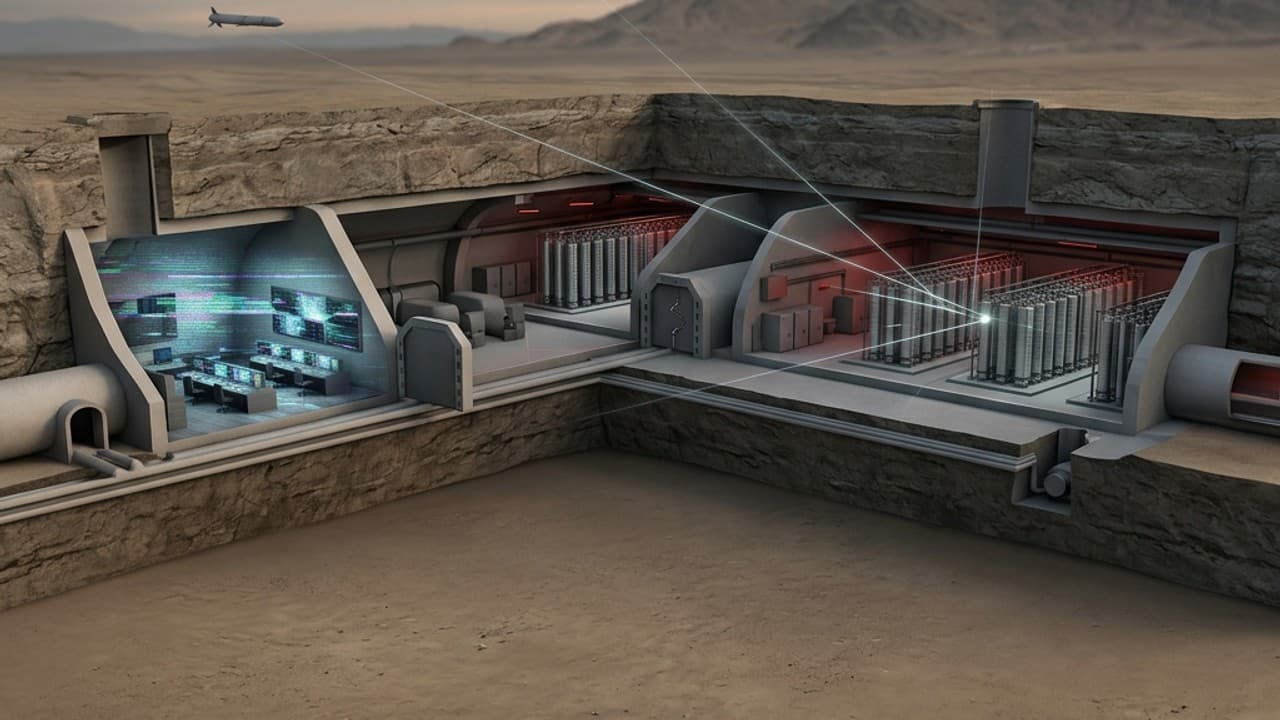
US Military Has Contingency Plans to Strike Iran If Nuclear Talks Fail
Detailed reporting has shed light on US military contingency planning directed at Iran's nuclear infrastructure, outlining strike options that remain active should diplomatic negotiations over Tehran's nuclear programme collapse. The disclosure underscores the degree to which the Biden and now Trump-era administrations have maintained credible military options alongside the diplomatic track.
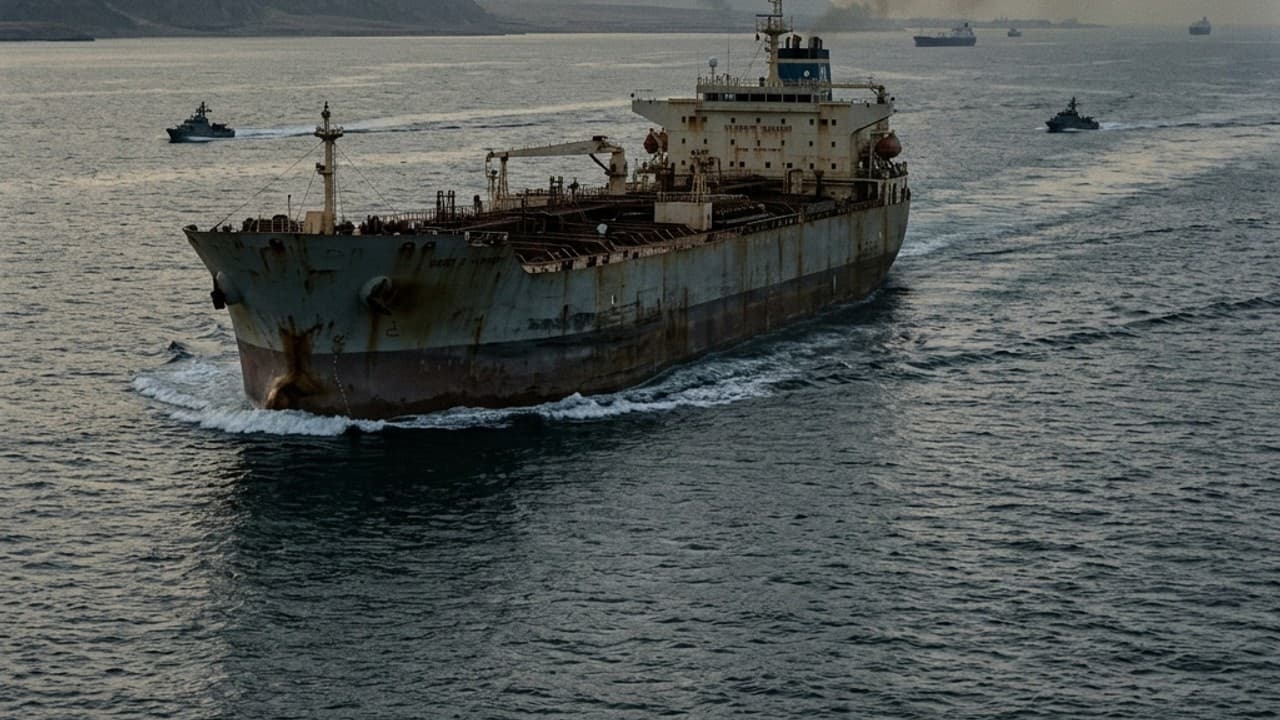
US-Iran Nuclear Talks Stall as Gulf Military Clashes Intensify
The United States and Iran remain far from any diplomatic resolution to their ongoing military conflict as fresh clashes flared across the Gulf on Saturday, deepening concerns over regional stability and the security of critical global energy supply routes. Negotiations between Washington and Tehran have failed to produce a framework for ending hostilities, with both sides maintaining maximalist positions that have so far made a ceasefire agreement structurally elusive.
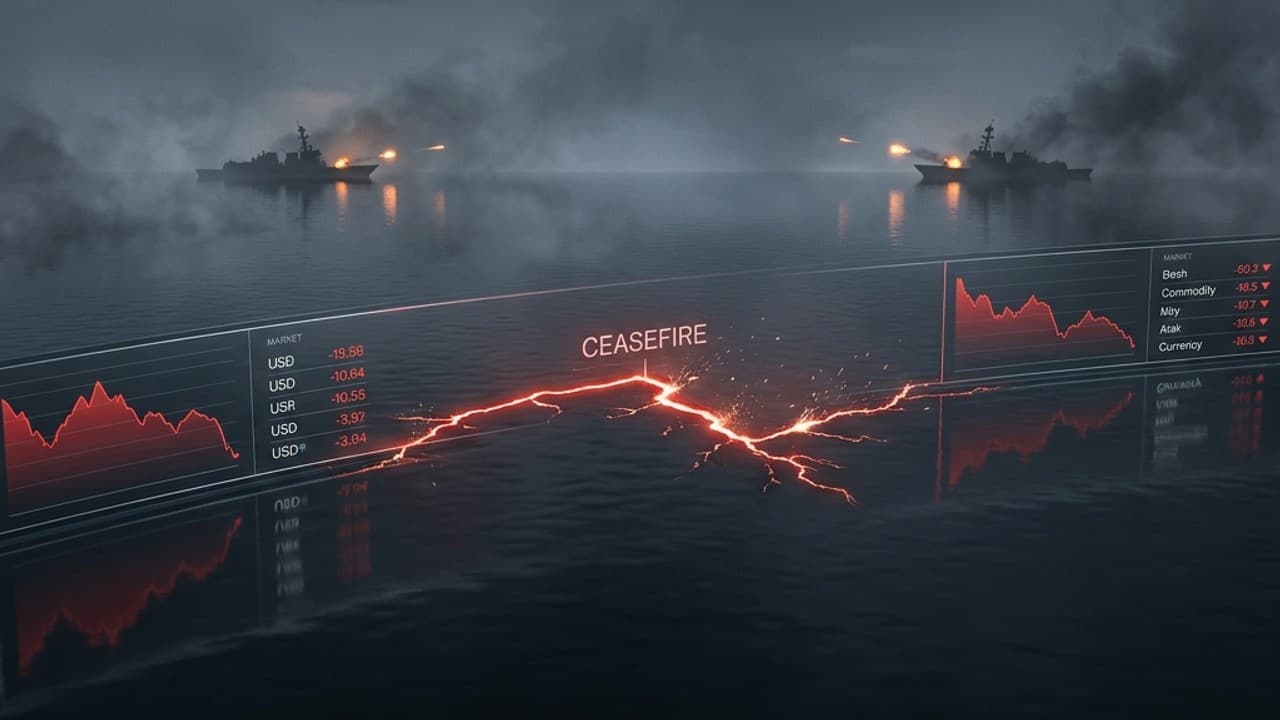
US-Iran Fighting Flares, Trump Insists Ceasefire Still Holds
Fresh fighting between United States and Iranian forces has broken out, casting serious doubt over the fragile ceasefire that had been brokered in the Gulf conflict. Despite the renewed hostilities, US President Donald Trump maintained that the ceasefire agreement remains formally in force, offering few details on the nature or scale of the latest exchange.
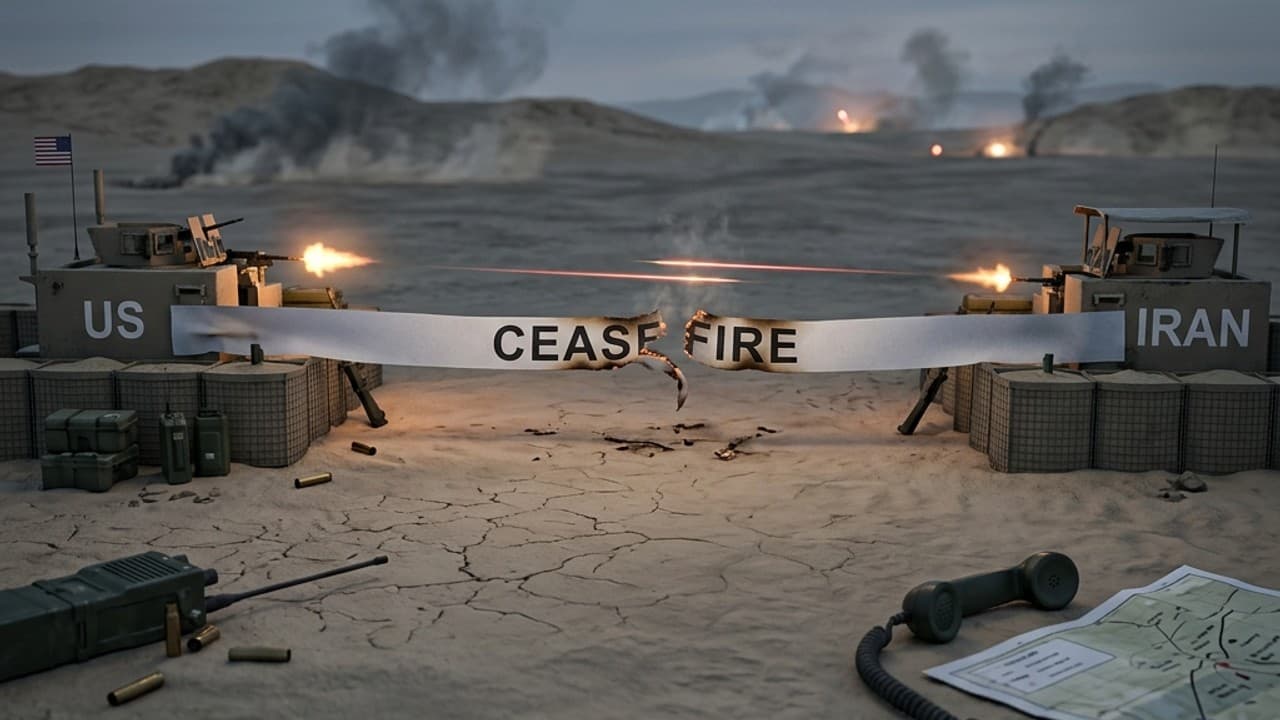
US and Iran Exchange Fire Despite Trump Claiming Ceasefire Holds
The United States and Iran have exchanged direct fire in a dangerous escalation that contradicts claims of a sustained ceasefire, even as President Donald Trump insisted on Friday that the truce remains in effect. The contradictory signals from Washington and the frontlines have deepened uncertainty over the fragile state of hostilities between the two nations.
Iran Accuses US of Violating Ceasefire With Fresh Strikes
Iran has formally accused the United States of violating a ceasefire agreement through renewed military attacks, dramatically escalating the rhetorical and diplomatic confrontation between the two countries. The accusation, if substantiated, would represent a major breakdown in any de-escalation framework that had appeared to be taking shape.
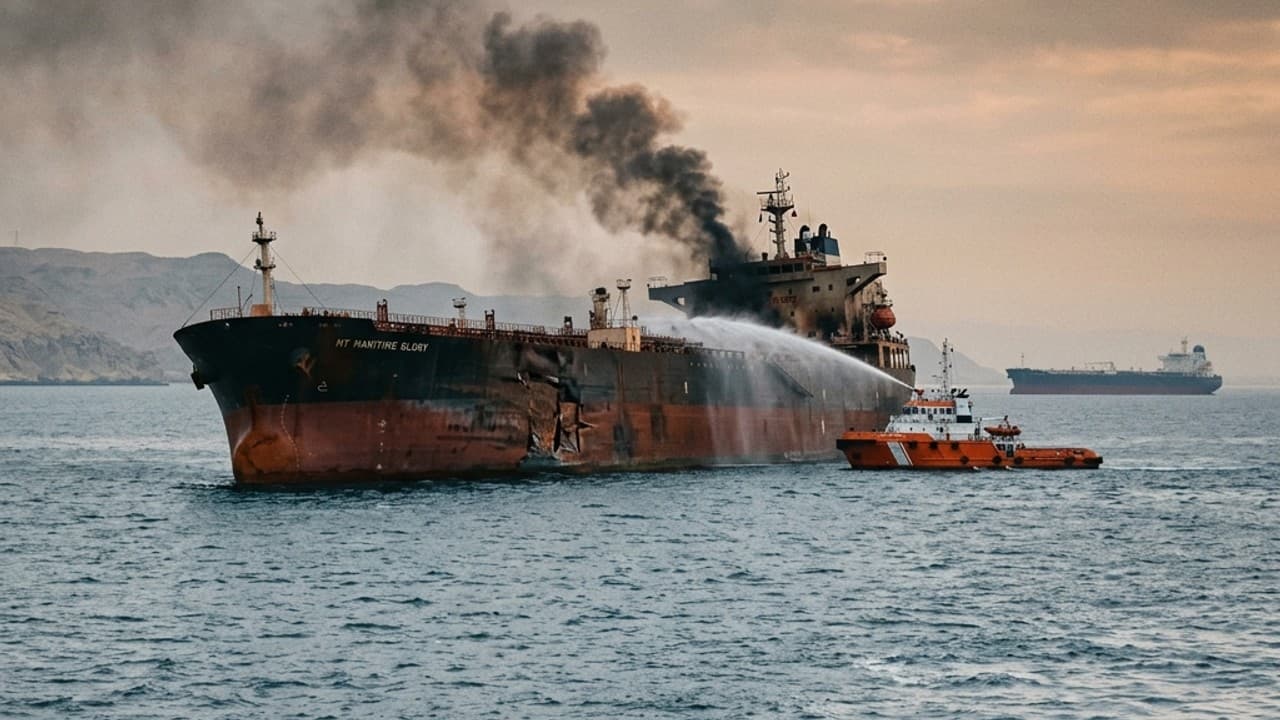
Chinese-Owned Oil Tanker Struck Near Strait of Hormuz
A Chinese-owned oil tanker has been struck near the Strait of Hormuz, in an incident that dramatically escalates concerns over the security of one of the world's most critical maritime energy chokepoints and risks drawing China more directly into the regional conflict. The attack on a vessel with Chinese ownership signals a dangerous broadening of the conflict's reach to include assets linked to a major global power that has thus far sought to maintain a degree of distance from the fighting.