
US Stocks Fall as Iran War Fears Drive Oil Prices Sharply Higher
United States equity markets declined sharply on Monday as investor anxiety over the prospect of a broader Iran conflict sent oil prices surging, compounding pressure on risk assets globally. The selloff reflects growing market sensitivity to geopolitical escalation in the Middle East and its potential to disrupt global energy supply chains.
Crude oil prices rose significantly as traders priced in the risk of supply disruptions through key maritime chokepoints, including the Strait of Hormuz, through which a substantial share of the world's seaborne oil passes. Higher energy costs typically translate into inflationary pressure across major economies, weighing on corporate earnings outlooks.
The dual movement — equities down, oil up — is a classic risk-off market configuration that signals institutional investors are repositioning away from growth assets toward commodities and safe-haven instruments. Bond markets and gold are expected to attract increased demand if the geopolitical situation deteriorates further.
For Pakistan, the development carries significant implications. The country remains heavily dependent on imported energy, and any sustained rise in global crude prices would widen the import bill, put pressure on foreign exchange reserves, and potentially complicate the government's fiscal consolidation targets under its IMF programme.
Similar Stories
Background and related coverage on this story.
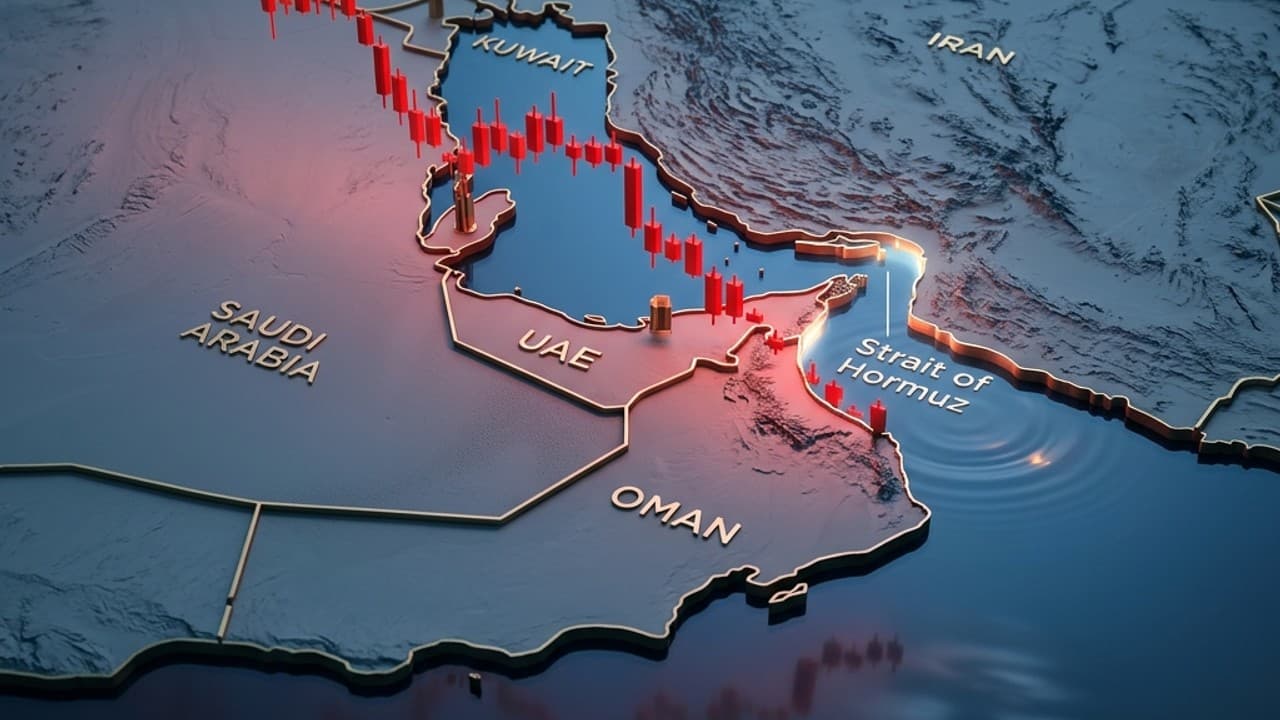
Gulf Markets Fall as Iran and US Exchange Military Strikes
Most Gulf financial markets declined sharply on Monday after Iran and the United States exchanged direct military strikes, triggering an immediate risk-off response across regional bourses. The development marks a dangerous escalation in hostilities between Washington and Tehran and has sent shockwaves through global financial systems heavily exposed to Middle Eastern geopolitical risk.

Oil prices spike as US and Iran trade strikes and Israel expands into Lebanon
Global oil prices surged sharply on Monday as markets reacted to the exchange of military strikes between the United States and Iran, compounded by fresh Israeli military advances further into Lebanon. The dual escalation raised immediate fears about disruptions to crude oil supply routes through the Persian Gulf and the Strait of Hormuz, two of the world's most critical energy chokepoints.

Oil Prices Rise Sharply After Iran and US Exchange Airstrikes
Global oil prices surged on Thursday after reports that Iran and the United States exchanged airstrikes, triggering an immediate risk premium across energy markets as traders assessed the potential for supply disruption in one of the world's most strategically critical oil-producing regions. The military exchange represents a significant escalation in the already acute tension between Washington and Tehran, which has been building around nuclear negotiations and Iranian proxy activity across the Middle East.
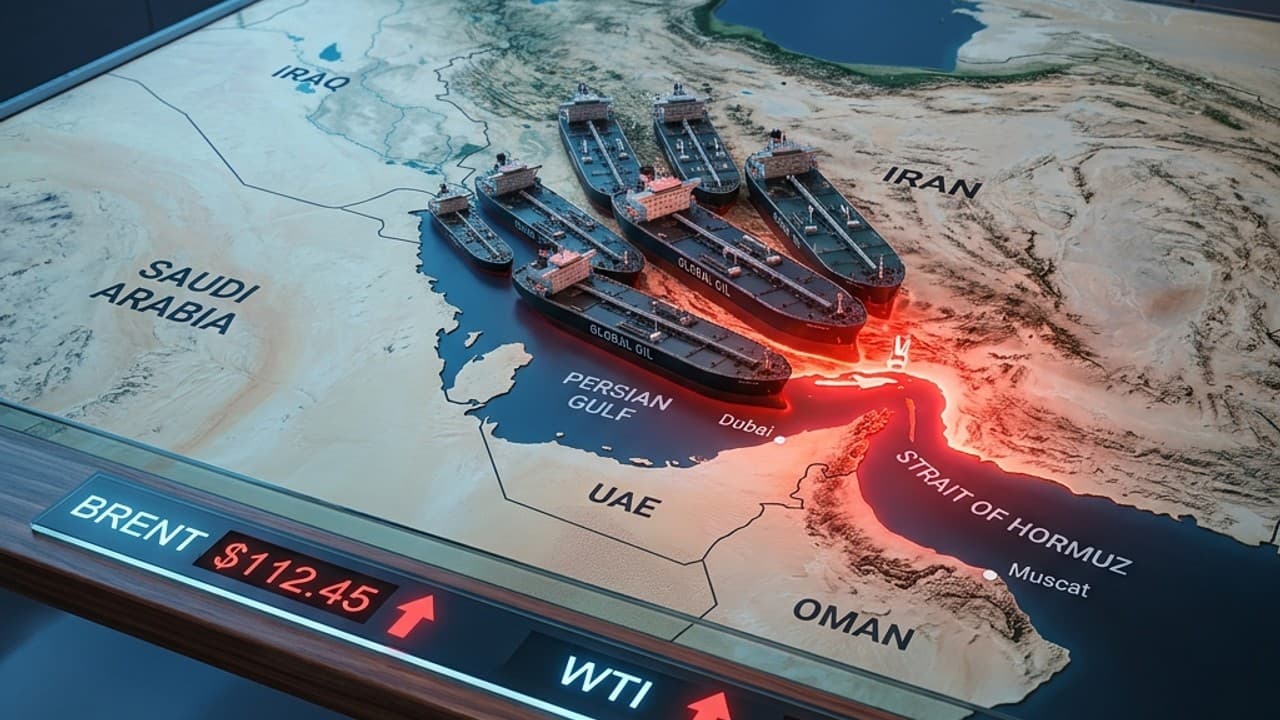
Oil Surges, Markets Reel as US-Iran Military Exchanges Intensify
Global oil prices surged sharply and equity markets retreated on Thursday after Iran's Revolutionary Guards confirmed a retaliatory strike on a US airbase following renewed American military action against Iranian targets. The twin military exchanges triggered an immediate flight from risk assets, accelerating commodity price moves that had already been building on tensions in the Gulf.

Trump Pauses Iran Attack Plan, Triggering Global Market Reactions
Global financial markets registered sharp movements on Tuesday after United States President Donald Trump announced he had called off a planned military strike against Iran, a decision that sent oil prices down more than two percent, steadied the dollar from recent weakness, and triggered a mixed response across Asian equity and bond markets. Oil prices fell sharply on the announcement, with traders rapidly unwinding risk premiums that had been priced into crude on expectations of a US-Iran military confrontation.
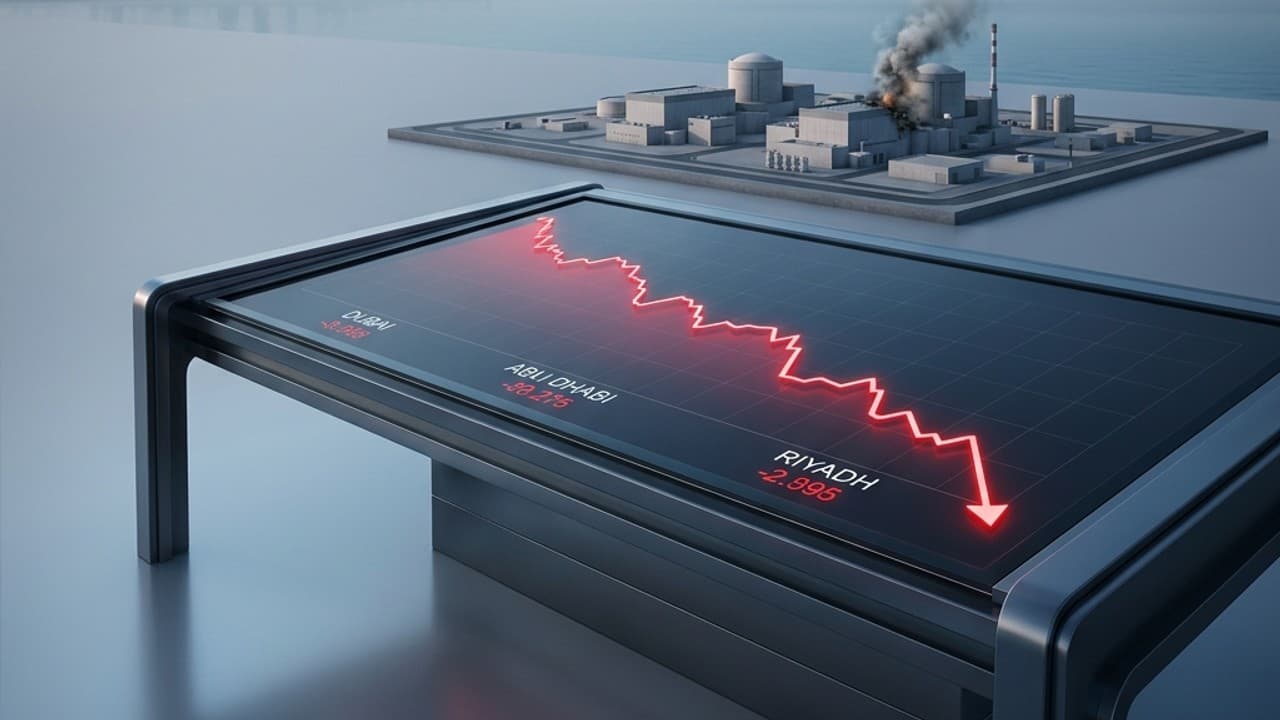
Gulf Markets Plunge After Drone Strike Hits UAE Nuclear Plant
Gulf equity markets tumbled sharply on Monday after a drone strike hit a nuclear energy plant in the United Arab Emirates while Saudi Arabia simultaneously intercepted multiple drones, triggering a severe risk-off reaction across regional bourses and sending investors scrambling for safe haven assets. The scale and nature of the incident — an aerial attack on a civilian nuclear facility — represents one of the most alarming security events in the Gulf in recent years.