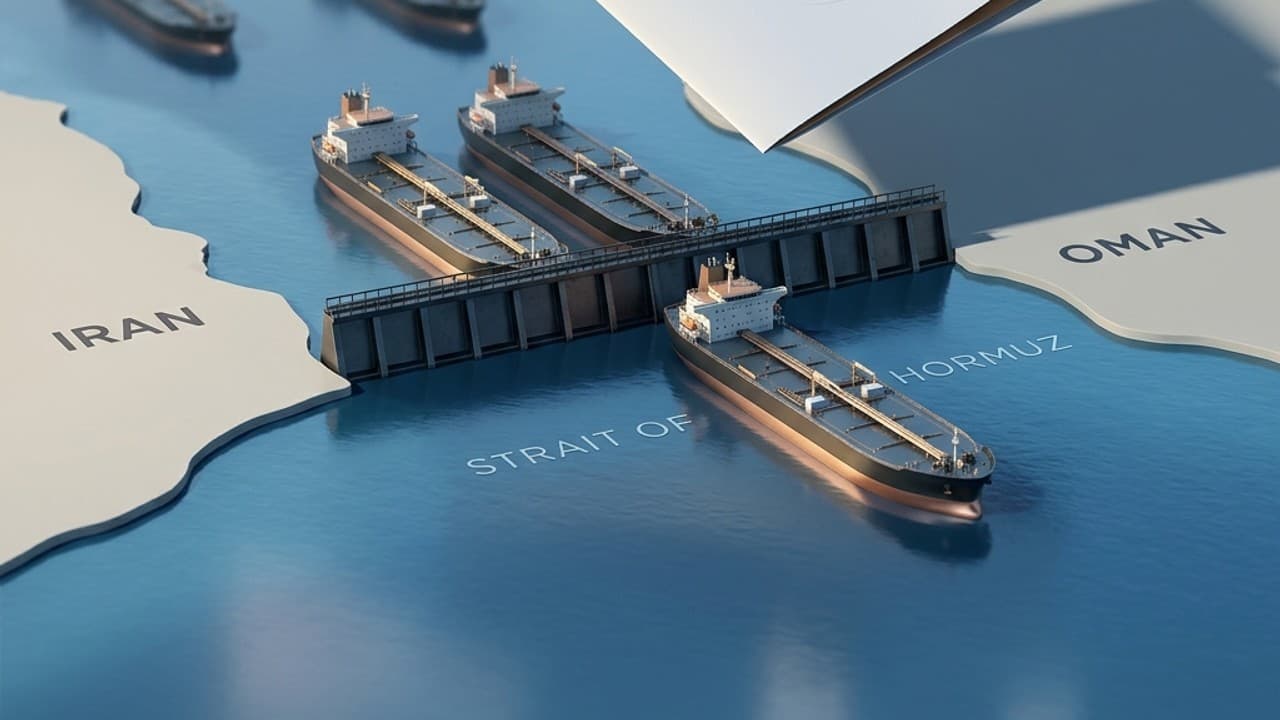
EU Moves to Impose Sanctions on Iran Over Hormuz Blockade
The European Union has initiated formal proceedings to impose a new package of sanctions against Iran following Tehran's blockade of the Strait of Hormuz, one of the world's most critical chokepoints for global oil and gas transit. The move marks a significant escalation in the diplomatic and economic pressure campaign against Iran.
The Strait of Hormuz carries approximately 20 percent of global oil flows, and its blockade has already sent shockwaves through energy markets, driving up crude prices and alarming importing nations across Europe and Asia. The EU's action signals that the bloc is prepared to move beyond condemnation toward concrete economic measures.
European officials have framed the sanctions as a direct response to what they describe as Iran's illegal and destabilising interference with international maritime commerce. The proposed measures are expected to target Iranian energy exports, financial institutions, and key individuals linked to the blockade decision.
The development adds a new layer of complexity to ongoing diplomatic efforts to resolve tensions around Iran's nuclear programme and its regional posture. Washington has also been engaged in parallel talks with Tehran, though US Secretary of State Marco Rubio indicated earlier Friday that significant gaps remain.
Similar Stories
Background and related coverage on this story.
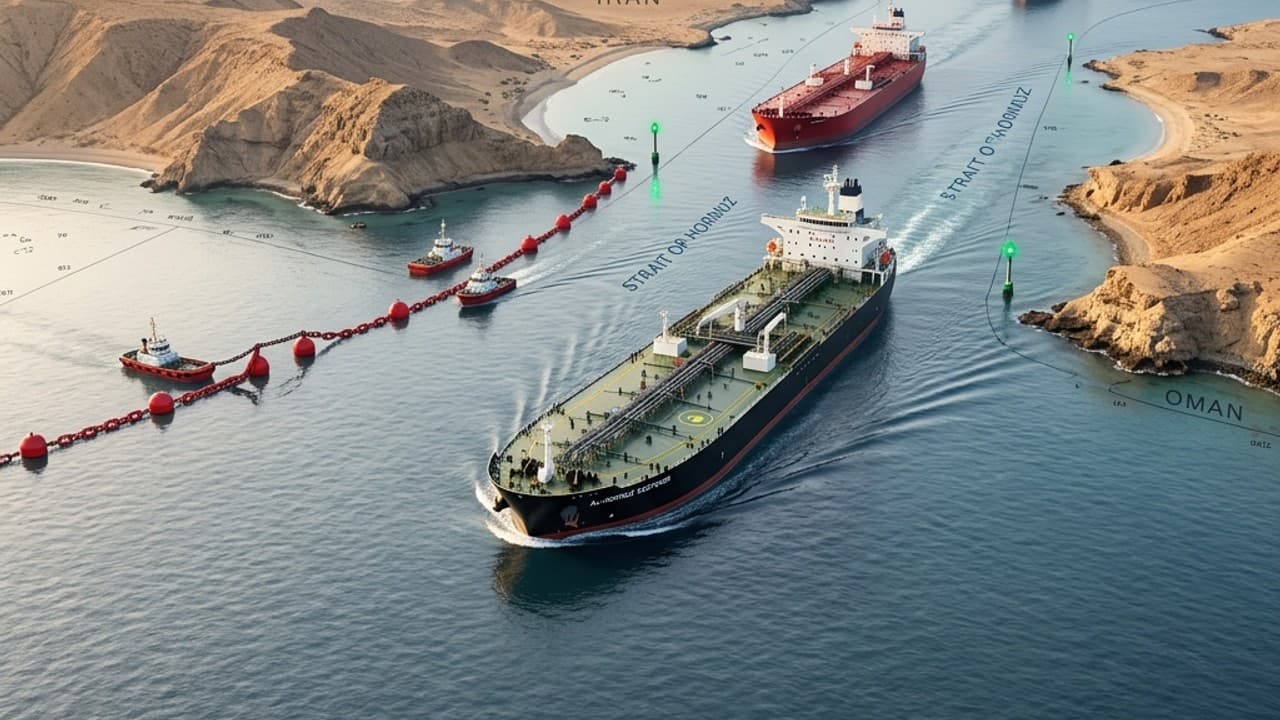
Trump Declares Iran Nuclear Deal Largely Done, Hormuz to Reopen
United States President Donald Trump announced on Sunday that a peace deal with Iran has been 'largely negotiated,' adding that the Strait of Hormuz — one of the world's most strategically critical maritime chokepoints — would reopen as part of the arrangement. The declaration, if confirmed, would represent one of the most consequential diplomatic breakthroughs in Middle Eastern geopolitics in decades.
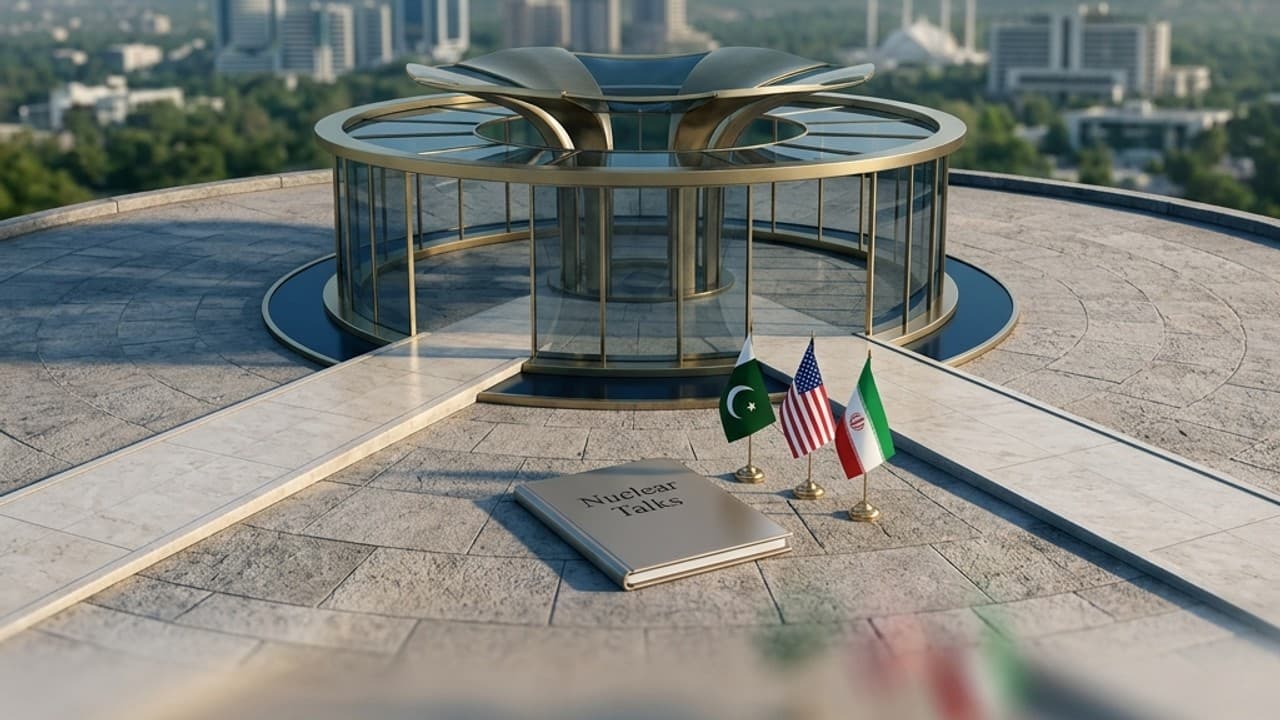
Pakistan Hopes to Host US-Iran Nuclear Talks Very Soon
Prime Minister Shehbaz Sharif has expressed confidence that Pakistan will host the next round of US-Iran nuclear negotiations 'very soon', as former US President Donald Trump described a prospective deal as 'largely negotiated'. The remarks signal a significant diplomatic breakthrough in which Pakistan has positioned itself as a critical facilitator between Washington and Tehran.
Iran and US Signal Possible Nuclear Deal Breakthrough After Talks
Iran and the United States have both signalled that negotiations over Tehran's nuclear programme may be nearing a critical juncture, with officials on both sides describing the possibility of a breakthrough as the 84-day conflict approaches a potential resolution. Donald Trump stated publicly that a deal with Iran was largely negotiated, the most direct indication yet from Washington that diplomatic progress had moved substantially beyond preliminary frameworks.
US and Iran Report Meaningful Progress in War-Ending Negotiations
The United States and Iran have both reported meaningful progress in ongoing diplomatic talks aimed at ending their active military conflict, raising cautious hopes that a negotiated ceasefire or broader settlement may be within reach. Both sides acknowledged forward movement in negotiations, though no formal agreement has been announced.
US and Iran Near 60-Day Ceasefire Extension, Mediators Confirm
The United States and Iran are reported to be close to agreeing on a 60-day extension of their existing ceasefire arrangement, according to mediators cited by the Financial Times. The development, if formalised, would represent a significant stabilisation of one of the world's most volatile diplomatic flashpoints and buy additional time for broader nuclear and regional security negotiations.

Qatar, Pakistan, US Intensify Diplomatic Push on Iran Nuclear Deal
Qatari diplomatic envoys have arrived in Tehran to assist in brokering a nuclear deal between the United States and Iran, as multiple parallel diplomatic tracks converge in a concentrated push for an agreement. Qatar has historically served as a trusted intermediary between Washington and Tehran given the absence of direct diplomatic relations between the two powers.