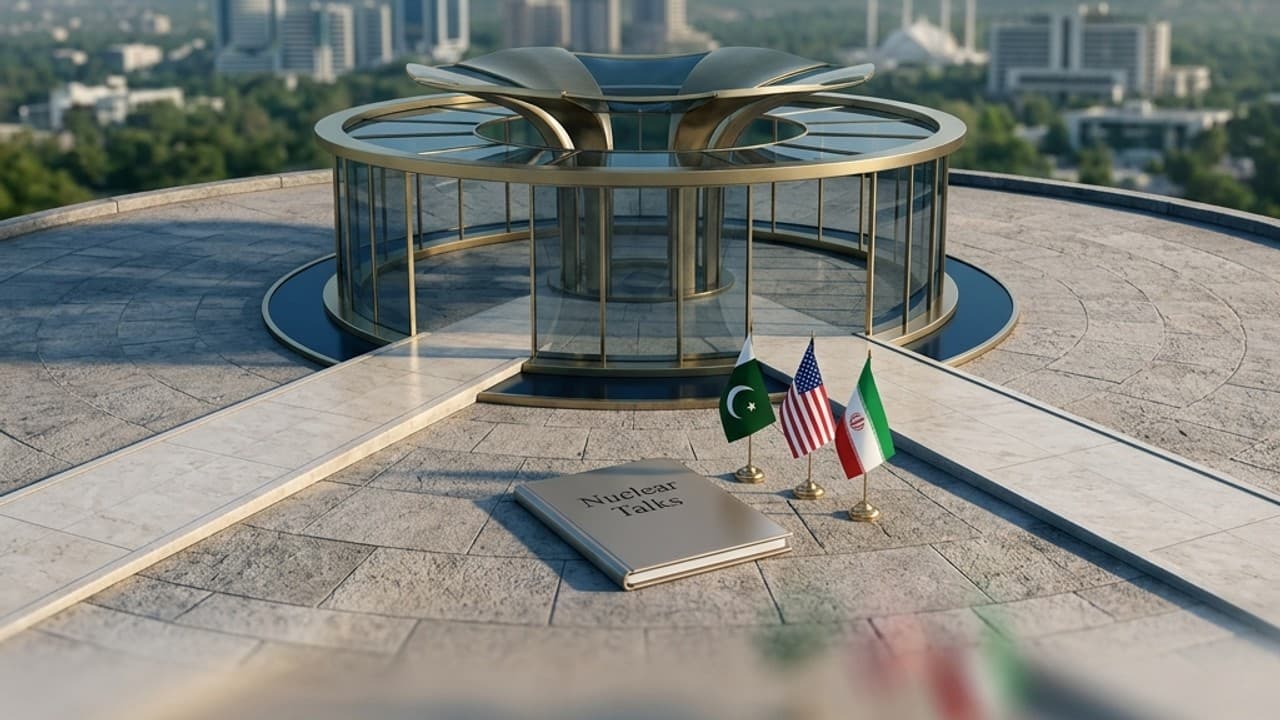
Pakistan Hopes to Host US-Iran Nuclear Talks Very Soon
Prime Minister Shehbaz Sharif has expressed confidence that Pakistan will host the next round of US-Iran nuclear negotiations 'very soon', as former US President Donald Trump described a prospective deal as 'largely negotiated'. The remarks signal a significant diplomatic breakthrough in which Pakistan has positioned itself as a critical facilitator between Washington and Tehran.
Chief of Defence Forces (CDF) General Asim Munir concluded a high-level trip that sources close to the negotiations indicate was instrumental in narrowing remaining gaps between the two sides. The visit is widely seen as part of Islamabad's sustained back-channel diplomacy aimed at securing a role in one of the most consequential geopolitical settlements of the decade.
Trump's characterisation of the deal as 'largely negotiated' represents the most optimistic public assessment yet from the American side, raising expectations of a formal agreement in the near term. A deal, if concluded on Pakistani soil, would mark an extraordinary diplomatic achievement for Islamabad and substantially elevate Pakistan's standing as a regional mediator.
The development comes against the backdrop of months of quiet Pakistani engagement with both American and Iranian officials. Islamabad has long maintained functional diplomatic channels with Tehran while simultaneously deepening its strategic partnership with Washington, a balancing act that appears to have paid substantial dividends.
If Pakistan successfully hosts the concluding round of talks, it would be the most significant diplomatic hosting role the country has assumed since the Agra Summit era, with implications for regional stability, Pakistan's international image, and its leverage in ongoing negotiations with multilateral financial institutions.
Similar Stories
Background and related coverage on this story.
Trump Warns US Will Destroy Iran Militarily If Nuclear Deal Collapses
United States President Donald Trump on Sunday revealed a key concession being offered to Iran in ongoing nuclear negotiations while simultaneously issuing a stark warning that the United States would 'finish it off militarily' if a diplomatic agreement fails to materialise. The statement represents one of the most direct articulations of Washington's military threat posture toward Tehran in the current negotiating round.
US Warns War Remains Option Despite Productive Iran Nuclear Talks
The United States has characterised ongoing nuclear negotiations with Iran as productive while simultaneously refusing to rule out military action, sustaining the dual-track pressure strategy that has defined Washington's posture throughout the diplomatic process. Senior US officials conveyed the warning as both governments continue to evaluate the terms of a potential agreement, underscoring that progress at the table has not diminished the military option as a tool of coercion.

Trump Says Iran Deal Decision Imminent, Demands Hormuz Strait Opening
US President Donald Trump declared on Friday that a decision on a potential deal with Iran is imminent, and issued a direct demand that the Strait of Hormuz must remain open, raising the stakes in an already volatile standoff with significant consequences for global energy markets. Trump's statement represents one of the sharpest public ultimatums issued by Washington in the current Iran nuclear negotiating cycle.
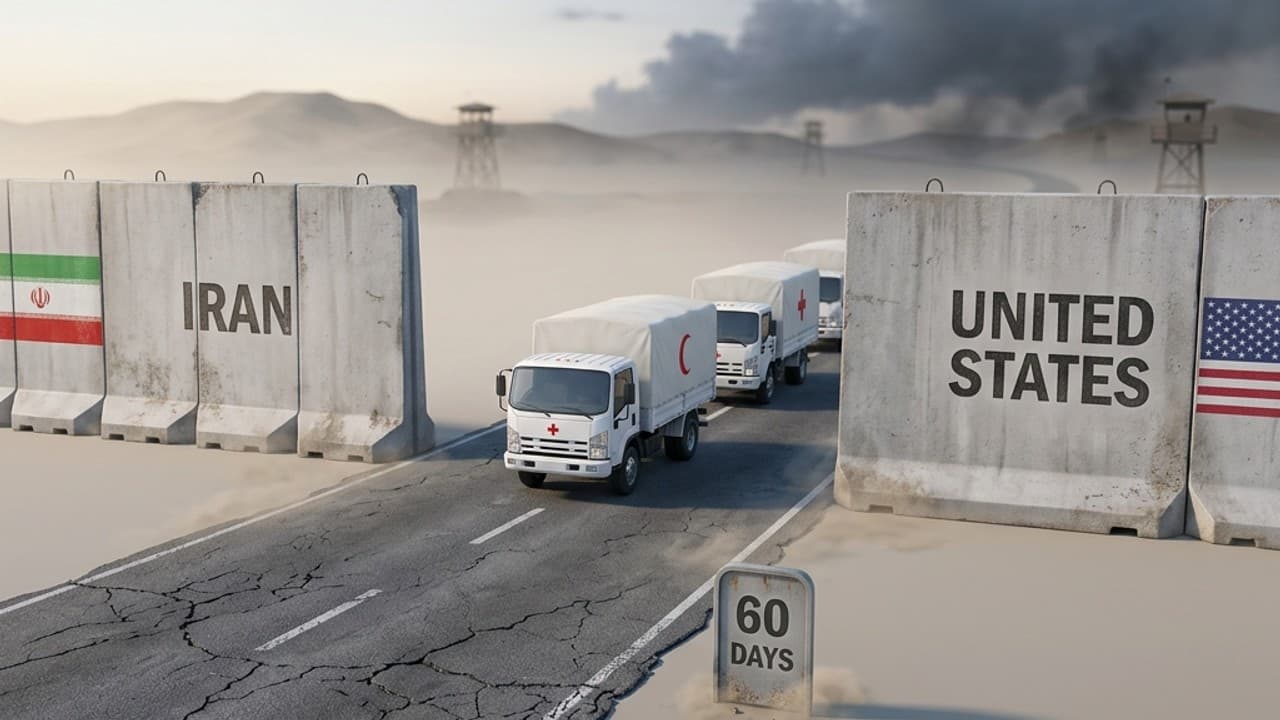
Iran and US Agree Plan for 60-Day Ceasefire Extension
Iran and the United States have reached a tentative agreement on a framework to extend the existing ceasefire by 60 days following the latest wave of military attacks, diplomatic sources confirmed. The agreement marks a significant, if fragile, step in de-escalating one of the most volatile confrontations in the Middle East in recent years.
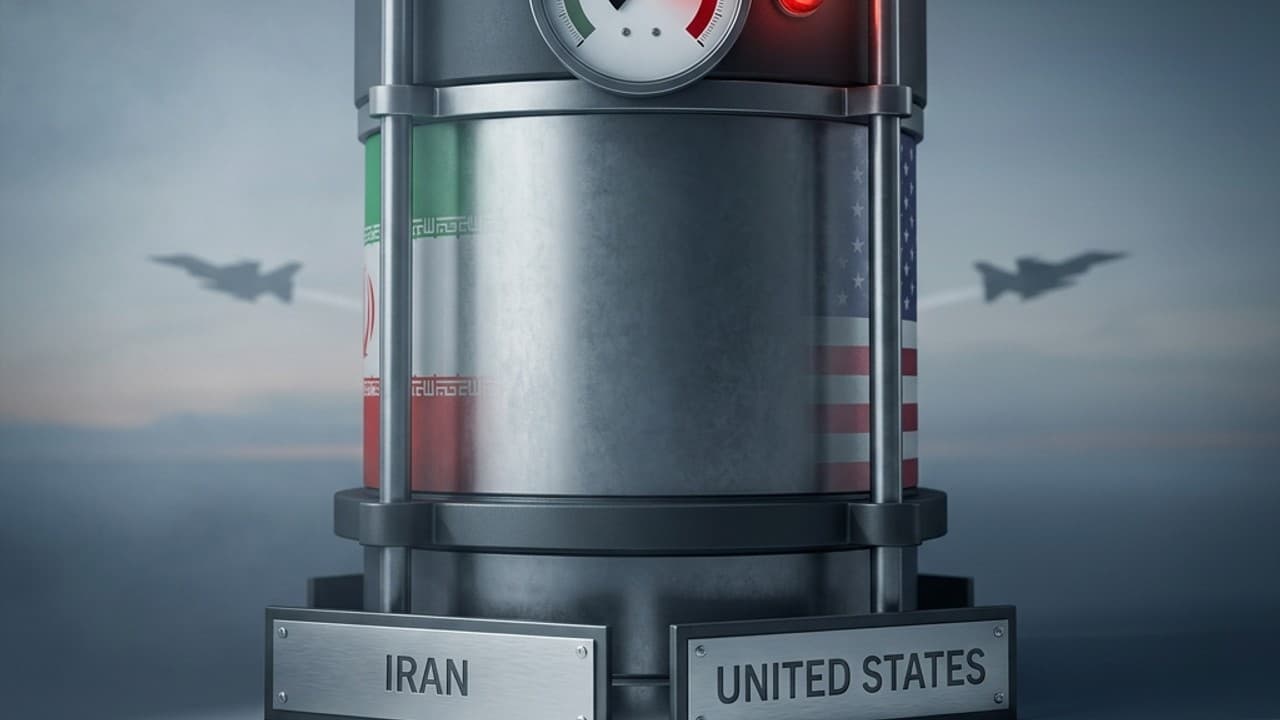
Iran Issues Nuclear Ultimatum as Military Tensions With US Intensify
Iran has issued a blunt nuclear ultimatum as tensions with the United States reached a new peak, with the confrontation marking one of the most dangerous flashpoints in relations between Tehran and Washington in years. The development comes amid reports of mutual airstrike exchanges that have dramatically elevated the risk of broader regional conflict.
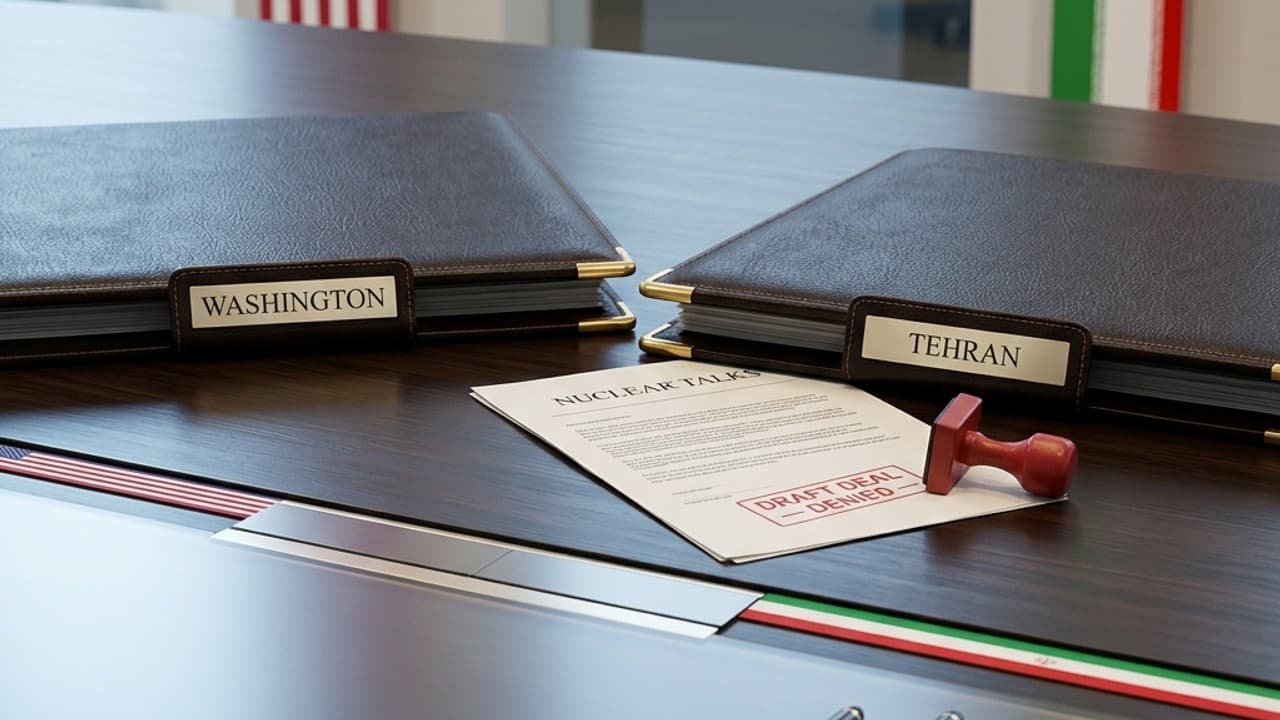
Trump Cabinet Signals Iran Nuclear Deal Progress Within Days
Senior members of the Trump administration expressed cautious optimism on Wednesday, signalling that a potential nuclear agreement with Iran could materialise within hours or days, as diplomatic talks entered a critical phase. Cabinet officials publicly indicated forward momentum in negotiations, raising expectations of a breakthrough in one of the most consequential diplomatic undertakings of the administration.