
Global Debt Reaches Record $353 Trillion Amid De-Dollarisation Signals
Global debt has reached a record level approaching $353 trillion, according to new data that also shows emerging signs of a structural shift away from US dollar-denominated instruments as governments and institutional investors diversify their debt portfolios.
The milestone underscores the cumulative effect of years of deficit spending, pandemic-era stimulus, and post-conflict reconstruction financing across both advanced and developing economies, with sovereign debt levels in particular reaching historically elevated ratios relative to GDP.
The accompanying signals of a move away from the US dollar as the dominant reserve and debt currency represent a potentially significant development for global financial architecture, reflecting a growing geopolitical diversification impulse among central banks and sovereign wealth funds.
Economists warn that a combination of record debt levels and weakening dollar primacy could generate increased volatility in sovereign bond markets, complicate monetary policy normalisation, and heighten systemic financial risk across interconnected global economies.
Similar Stories
Background and related coverage on this story.
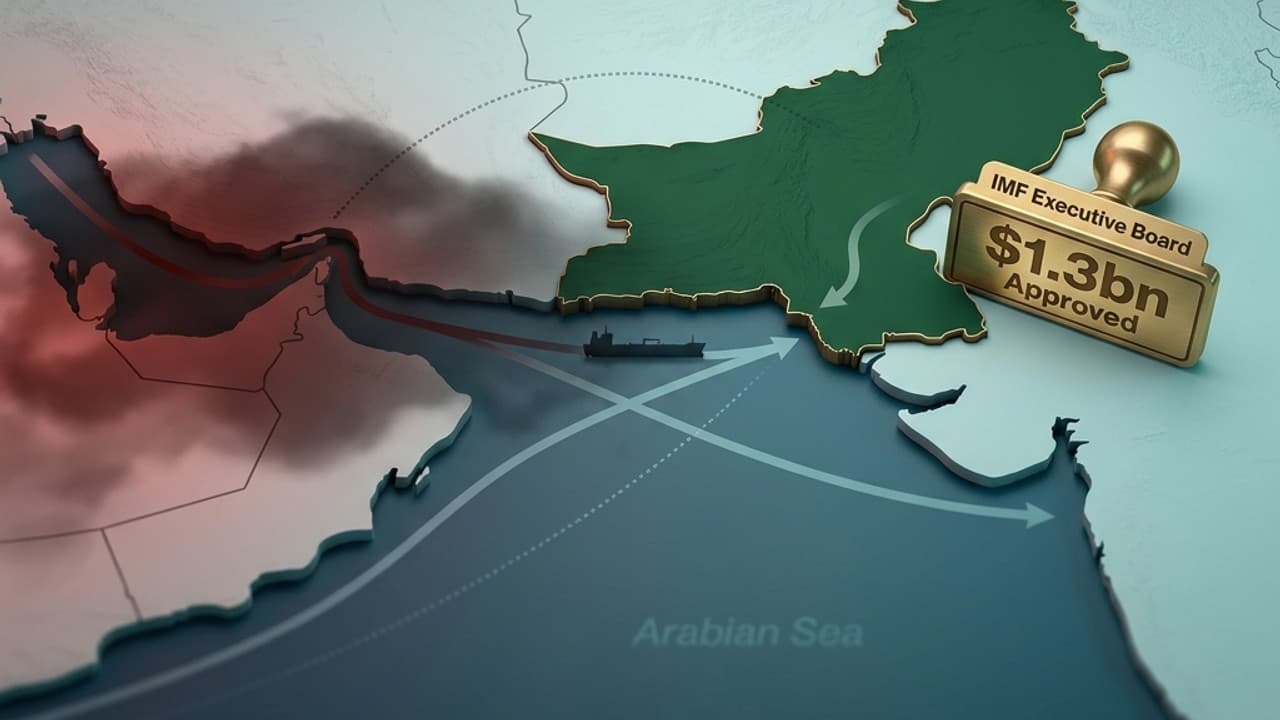
IMF Approves $1.3bn for Pakistan, Warns of Middle East War Risks
The International Monetary Fund's Executive Board has approved $1.3 billion in financing for Pakistan under its ongoing reform programme, providing a critical lifeline to an economy navigating persistent fiscal pressures and an uncertain external environment. The disbursement marks a significant milestone in Pakistan's engagement with the Fund, reflecting continued compliance with agreed benchmarks on fiscal consolidation, monetary tightening, and structural reforms.
IMF Board Approves $1.32 Billion Tranche for Pakistan
The International Monetary Fund's executive board has approved a disbursement of $1.32 billion for Pakistan, providing a critical injection of external financing as the country continues to stabilise its balance of payments position. The tranche approval follows a successful programme review and signals the Fund's continued confidence in Pakistan's economic adjustment trajectory.
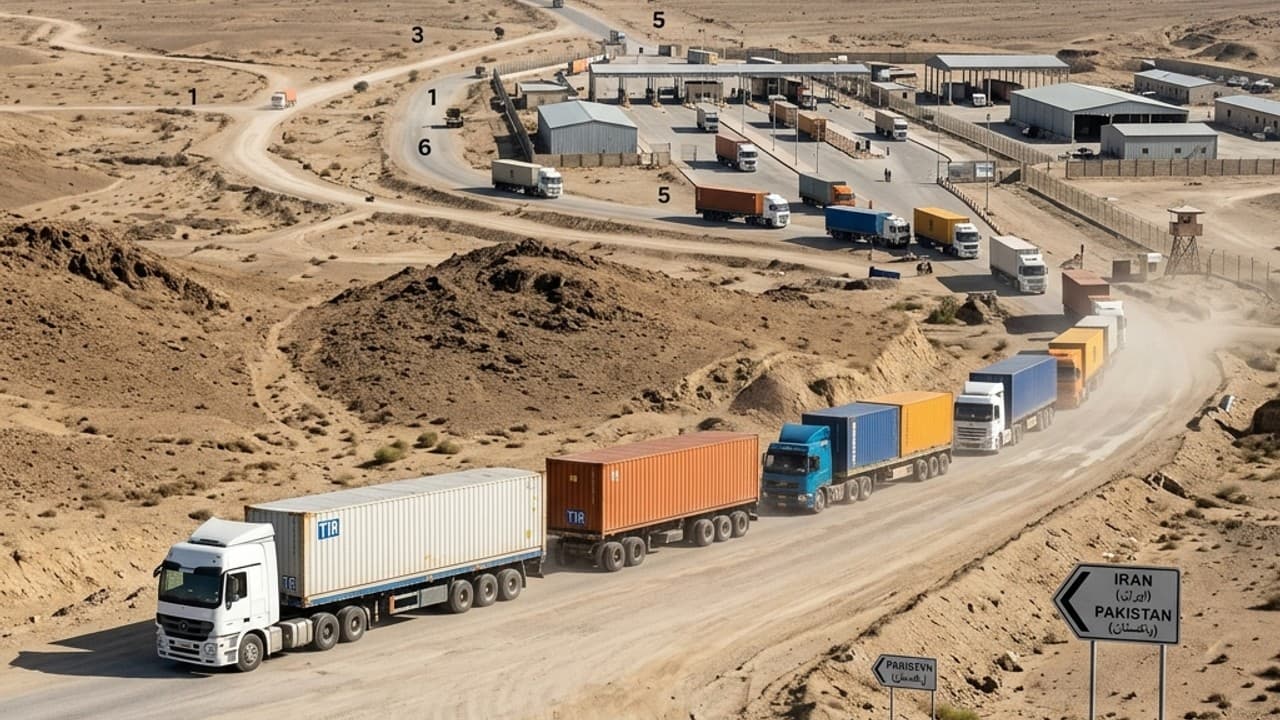
Pakistan Opens Six Land Routes for Trade with Iran Amid Hormuz Blockade
Pakistan has formally notified six overland routes for the transportation of goods to Iran as the blockade of the Strait of Hormuz and the disruption of Iranian ports continues to sever Tehran's access to maritime trade. The notification represents a substantive policy decision by Islamabad to activate alternative land corridors in response to one of the region's most serious logistical crises in years.

UN Warns Iran-Israel War Could Push 30 Million Back Into Poverty
The United Nations has issued a stark warning that the ongoing military conflict between Israel, the United States, and Iran risks pushing more than 30 million people back into poverty, with the greatest impacts expected in import-dependent developing nations and conflict-proximate economies across the Middle East and South Asia. The UN's assessment highlights the cascading economic consequences of the war, including the disruption of global oil supplies, soaring energy prices, supply chain fragmentation, and the collapse of trade routes through the Strait of Hormuz.
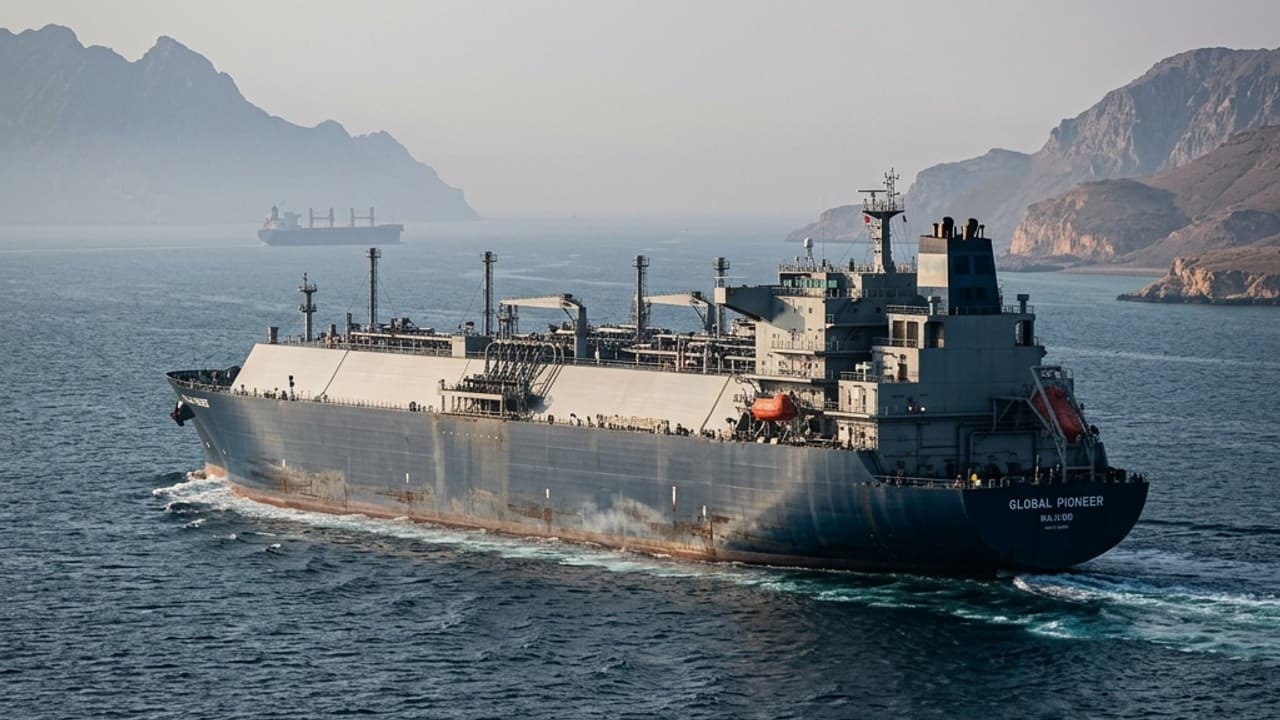
Second Qatari LNG tanker transits Hormuz to Pakistan amid Iran war
A second Qatari liquefied natural gas tanker is transiting the Strait of Hormuz en route to Pakistan, vessel tracking data shows, as the ongoing Iran war raises concerns over the security of one of the world's most critical energy chokepoints. The development confirms that LNG supply to Pakistan is continuing despite the heightened regional military situation, though market observers are watching the route closely.
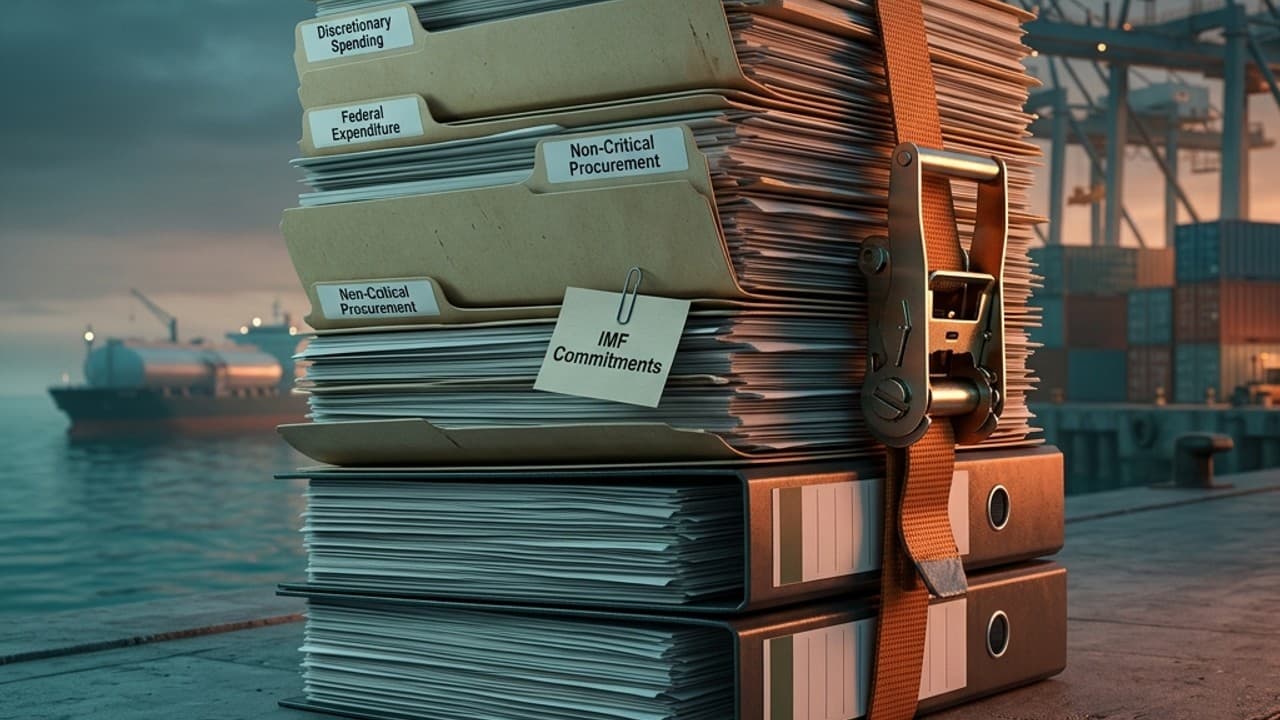
PM Extends Austerity Drive to June 13 Amid Middle East War Impact
Prime Minister Shehbaz Sharif has extended the government's austerity drive through June 13, citing the economic spillover effects of the ongoing Middle East conflict. The decision reflects Islamabad's growing concern over external account pressure as the regional war disrupts trade routes, energy supply chains, and investor confidence across vulnerable economies.