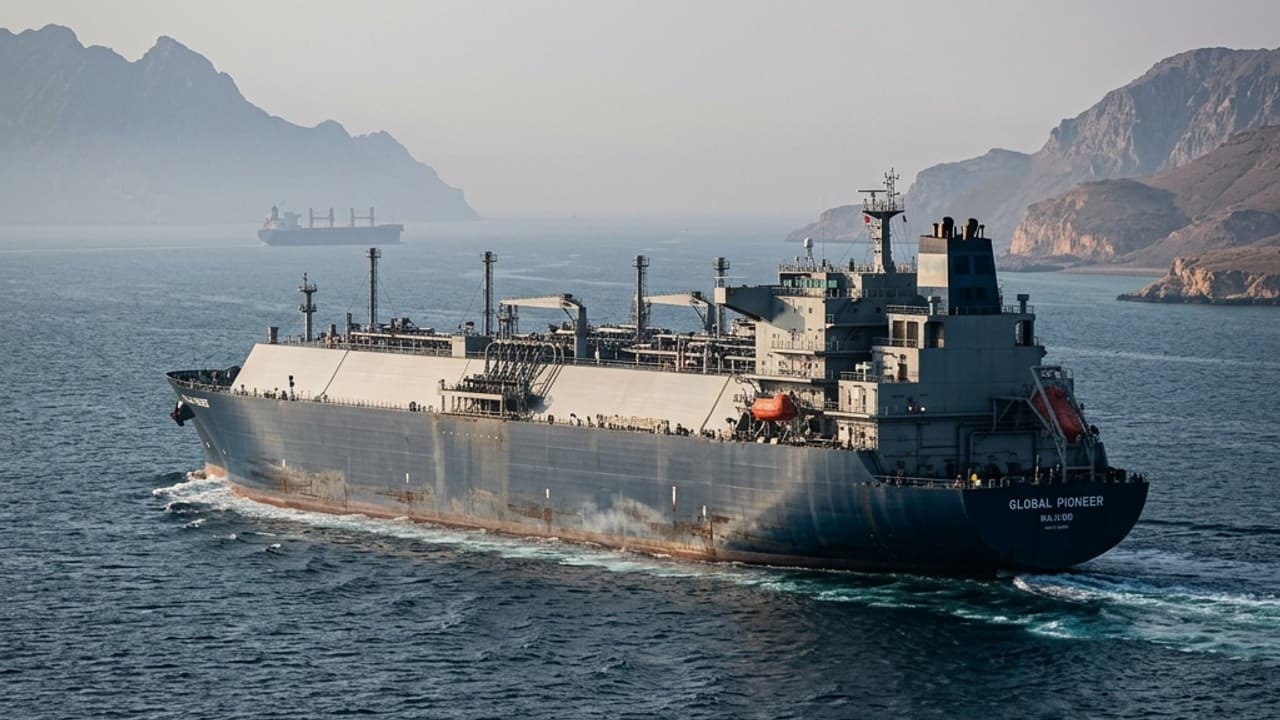
Second Qatari LNG tanker transits Hormuz to Pakistan amid Iran war
A second Qatari liquefied natural gas tanker is transiting the Strait of Hormuz en route to Pakistan, vessel tracking data shows, as the ongoing Iran war raises concerns over the security of one of the world's most critical energy chokepoints. The development confirms that LNG supply to Pakistan is continuing despite the heightened regional military situation, though market observers are watching the route closely.
The Strait of Hormuz, through which a significant share of global LNG and crude oil trade passes, has come under heightened scrutiny since the Iran war began. The transit of a second Qatari tanker to Pakistan underscores both the continuity of bilateral energy supply arrangements and the operational risks now embedded in those deliveries.
Pakistan has in recent years deepened its dependence on imported LNG to meet domestic gas shortfalls, making the security of Hormuz transits a matter of direct national energy security concern. Any sustained disruption to the strait would have immediate consequences for Pakistan's power generation and industrial sector, which remain reliant on imported gas supplies.
Energy analysts note that while current transits are proceeding, insurance premiums and freight rates for Hormuz-routed vessels are under upward pressure due to the conflict. The situation is being monitored by Pakistani energy authorities and international LNG traders alike.
Similar Stories
Background and related coverage on this story.
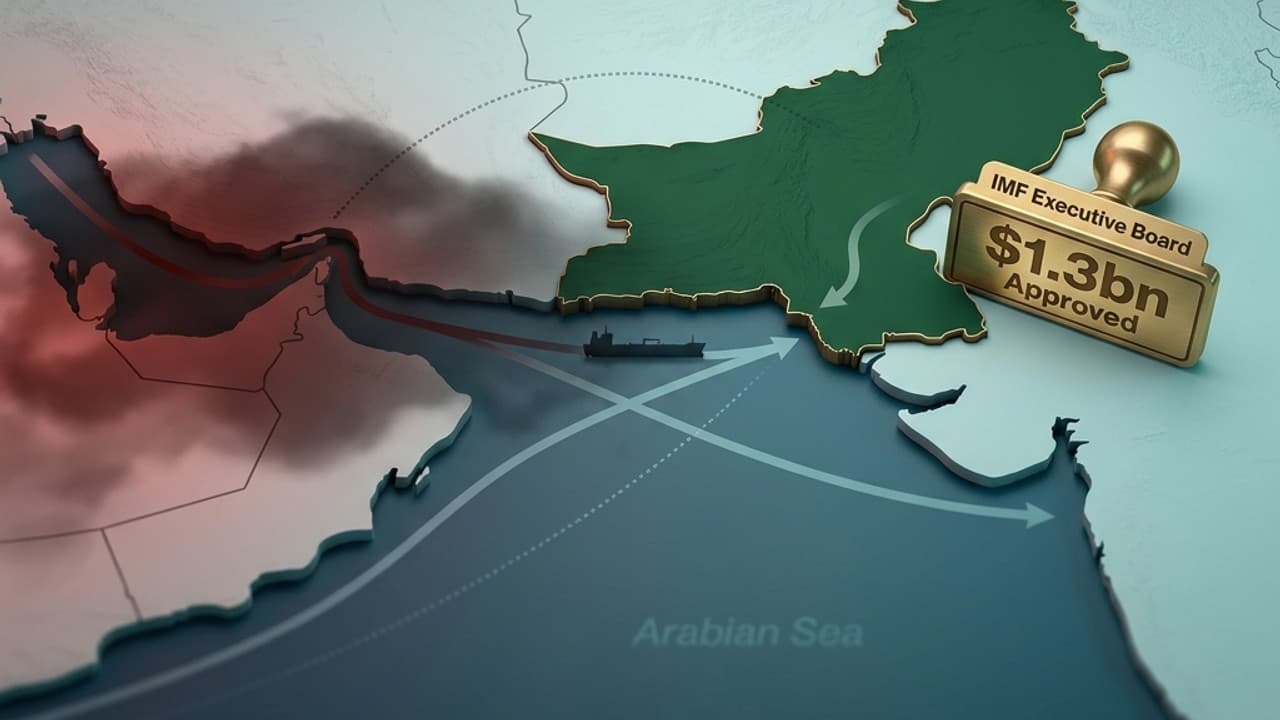
IMF Approves $1.3bn for Pakistan, Warns of Middle East War Risks
The International Monetary Fund's Executive Board has approved $1.3 billion in financing for Pakistan under its ongoing reform programme, providing a critical lifeline to an economy navigating persistent fiscal pressures and an uncertain external environment. The disbursement marks a significant milestone in Pakistan's engagement with the Fund, reflecting continued compliance with agreed benchmarks on fiscal consolidation, monetary tightening, and structural reforms.
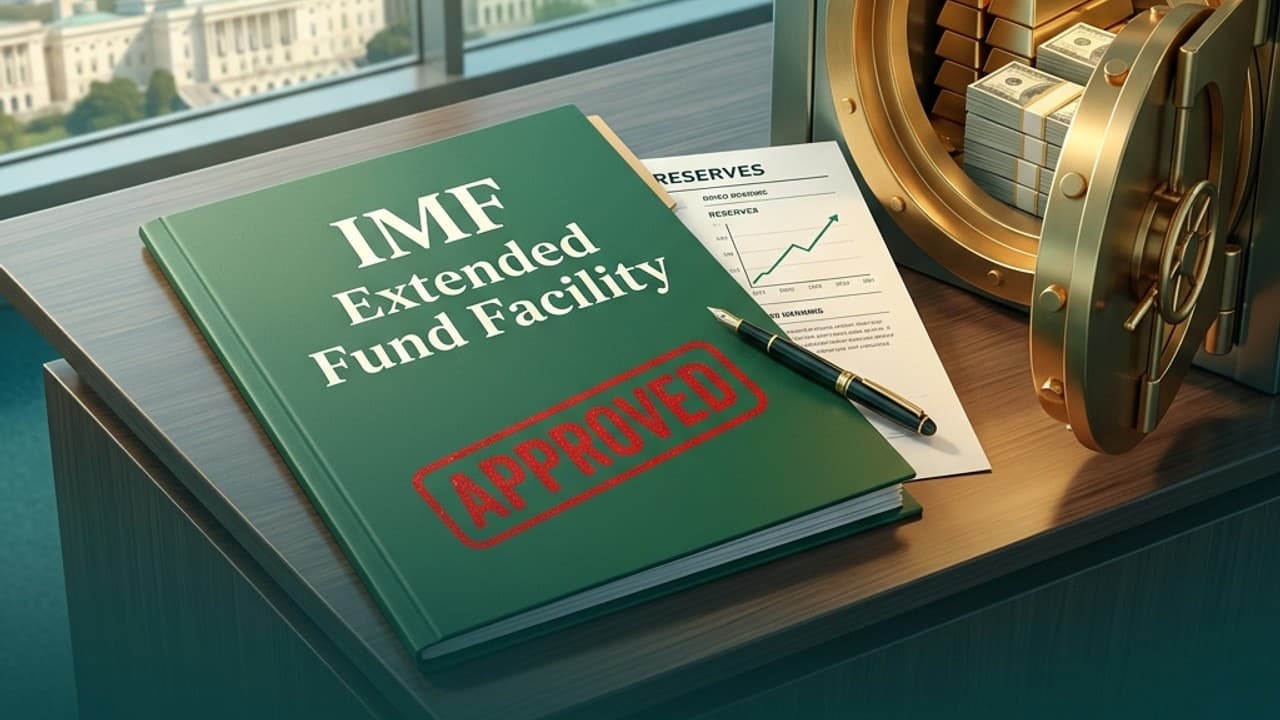
IMF Board Approves $1.32 Billion Tranche for Pakistan
The International Monetary Fund's executive board has approved a disbursement of $1.32 billion for Pakistan, providing a critical injection of external financing as the country continues to stabilise its balance of payments position. The tranche approval follows a successful programme review and signals the Fund's continued confidence in Pakistan's economic adjustment trajectory.
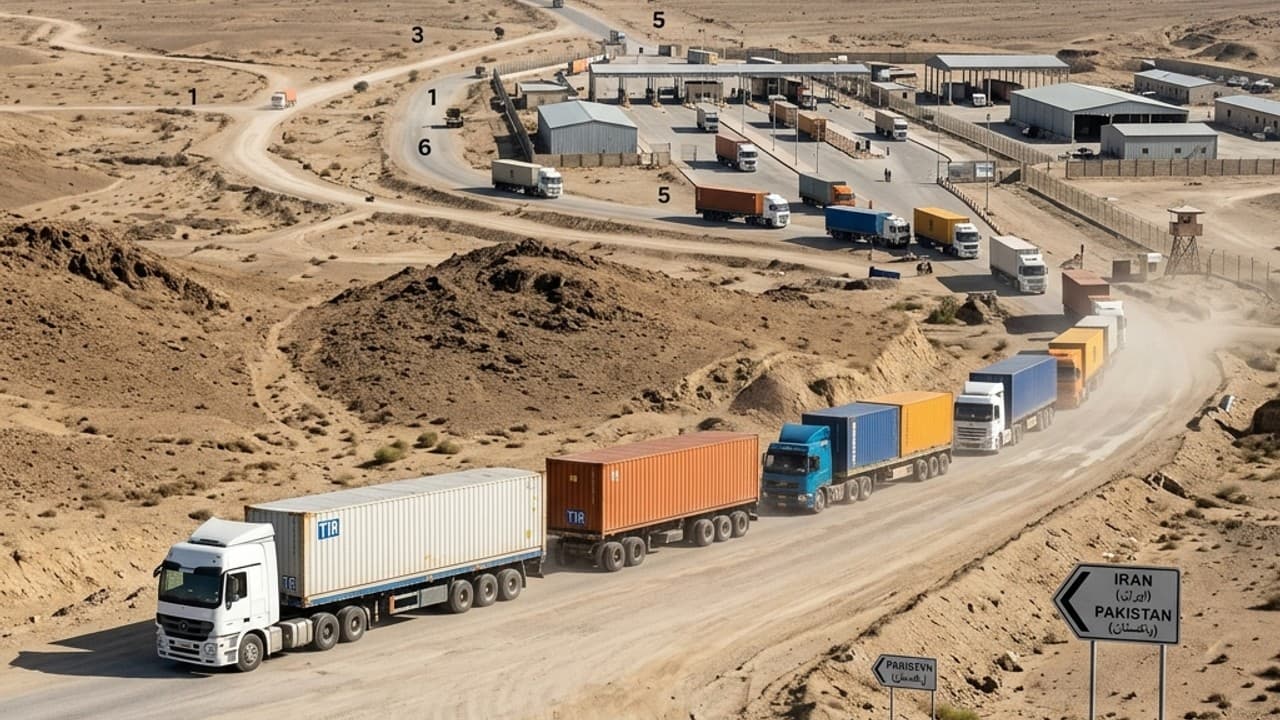
Pakistan Opens Six Land Routes for Trade with Iran Amid Hormuz Blockade
Pakistan has formally notified six overland routes for the transportation of goods to Iran as the blockade of the Strait of Hormuz and the disruption of Iranian ports continues to sever Tehran's access to maritime trade. The notification represents a substantive policy decision by Islamabad to activate alternative land corridors in response to one of the region's most serious logistical crises in years.
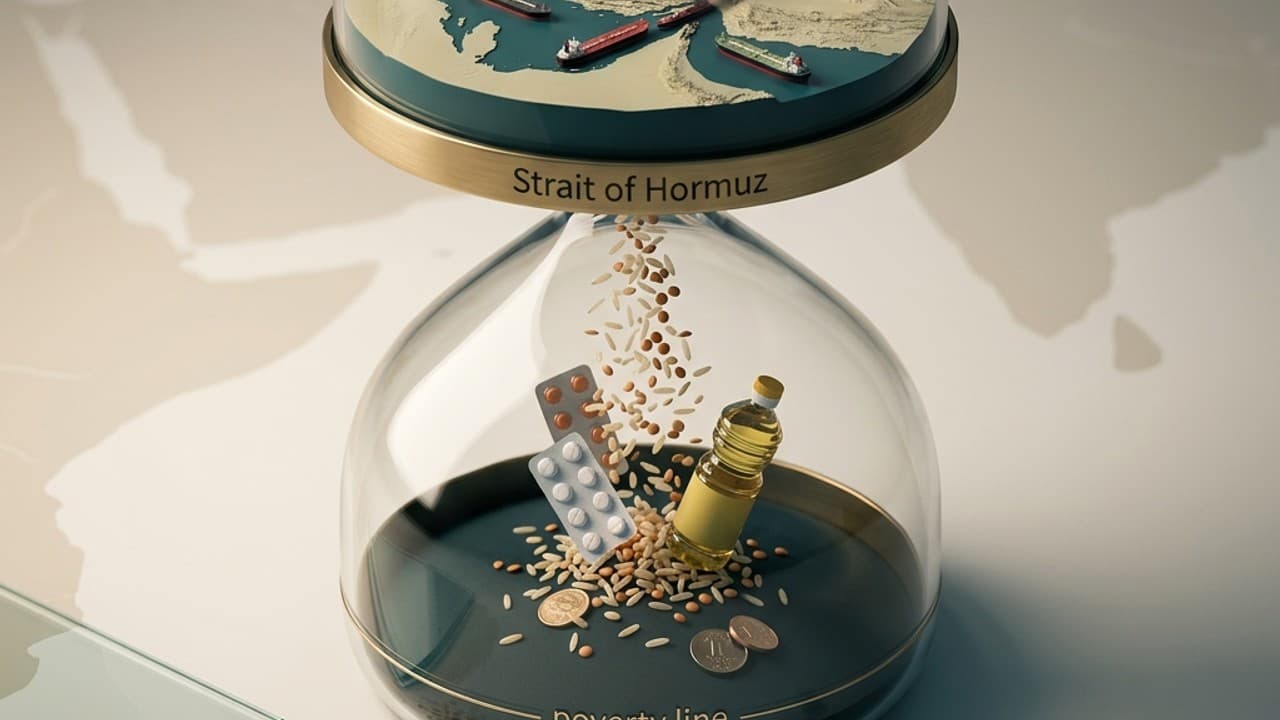
UN Warns Iran-Israel War Could Push 30 Million Back Into Poverty
The United Nations has issued a stark warning that the ongoing military conflict between Israel, the United States, and Iran risks pushing more than 30 million people back into poverty, with the greatest impacts expected in import-dependent developing nations and conflict-proximate economies across the Middle East and South Asia. The UN's assessment highlights the cascading economic consequences of the war, including the disruption of global oil supplies, soaring energy prices, supply chain fragmentation, and the collapse of trade routes through the Strait of Hormuz.
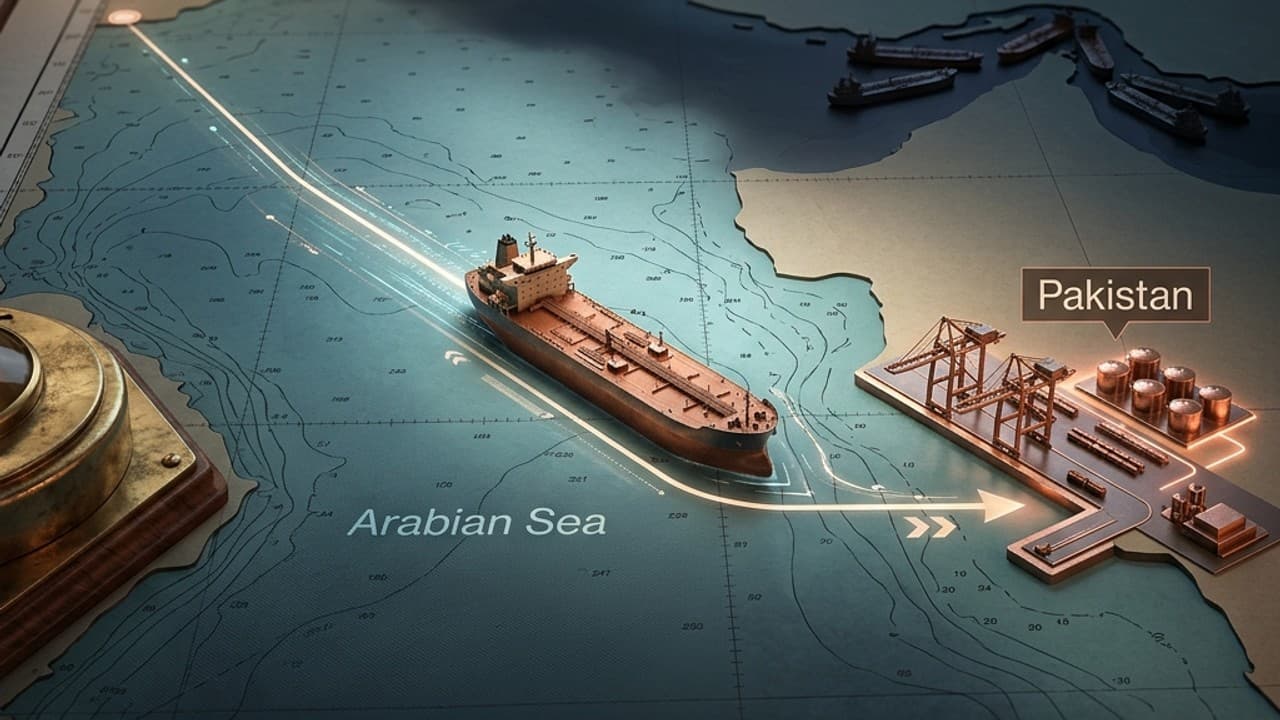
Pakistan Plans to Raise Russian Oil Imports Amid Hormuz Crisis
Pakistan is in discussions to significantly increase crude oil imports from Russia as the ongoing crisis at the Strait of Hormuz continues to disrupt traditional supply chains and elevate energy market uncertainty, according to reports citing sources within the energy sector. The move represents a strategic pivot in Pakistan's import diversification efforts under conditions of acute regional energy pressure.
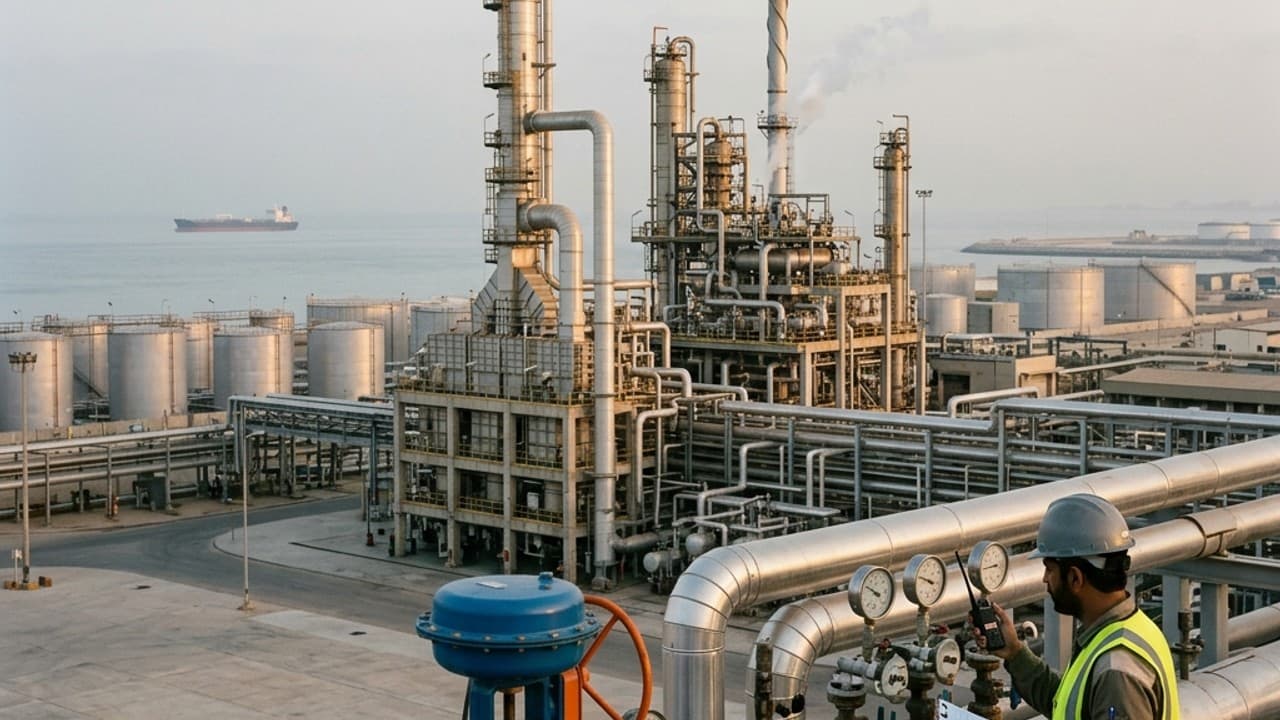
Pakistan Revives Oil Refining Policy Amid Strait of Hormuz Disruptions
The Pakistani government has revived a long-shelved oil refining policy as disruptions to shipping through the Strait of Hormuz intensify pressure on the country's energy supply chain. The move signals a strategic pivot toward domestic refining capacity at a time when regional maritime instability is threatening the reliability and cost of imported petroleum products.